Modernist architect and urbanist / Venezuela
Carlos Raúl Villanueva
Designer of the Ciudad Universitaria de Caracas, a UNESCO World Heritage site1900–1975The architect
Carlos Raúl Villanueva
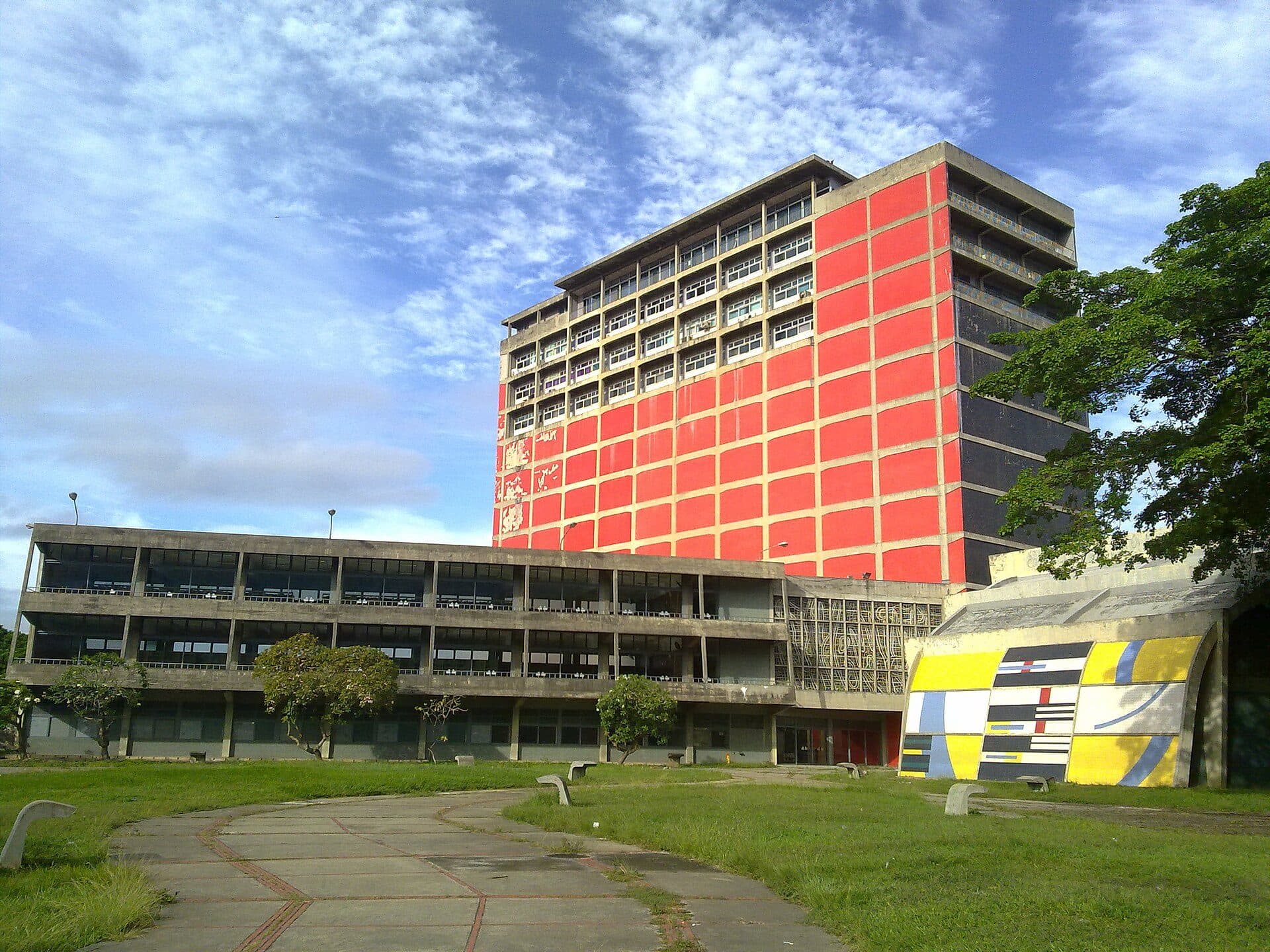
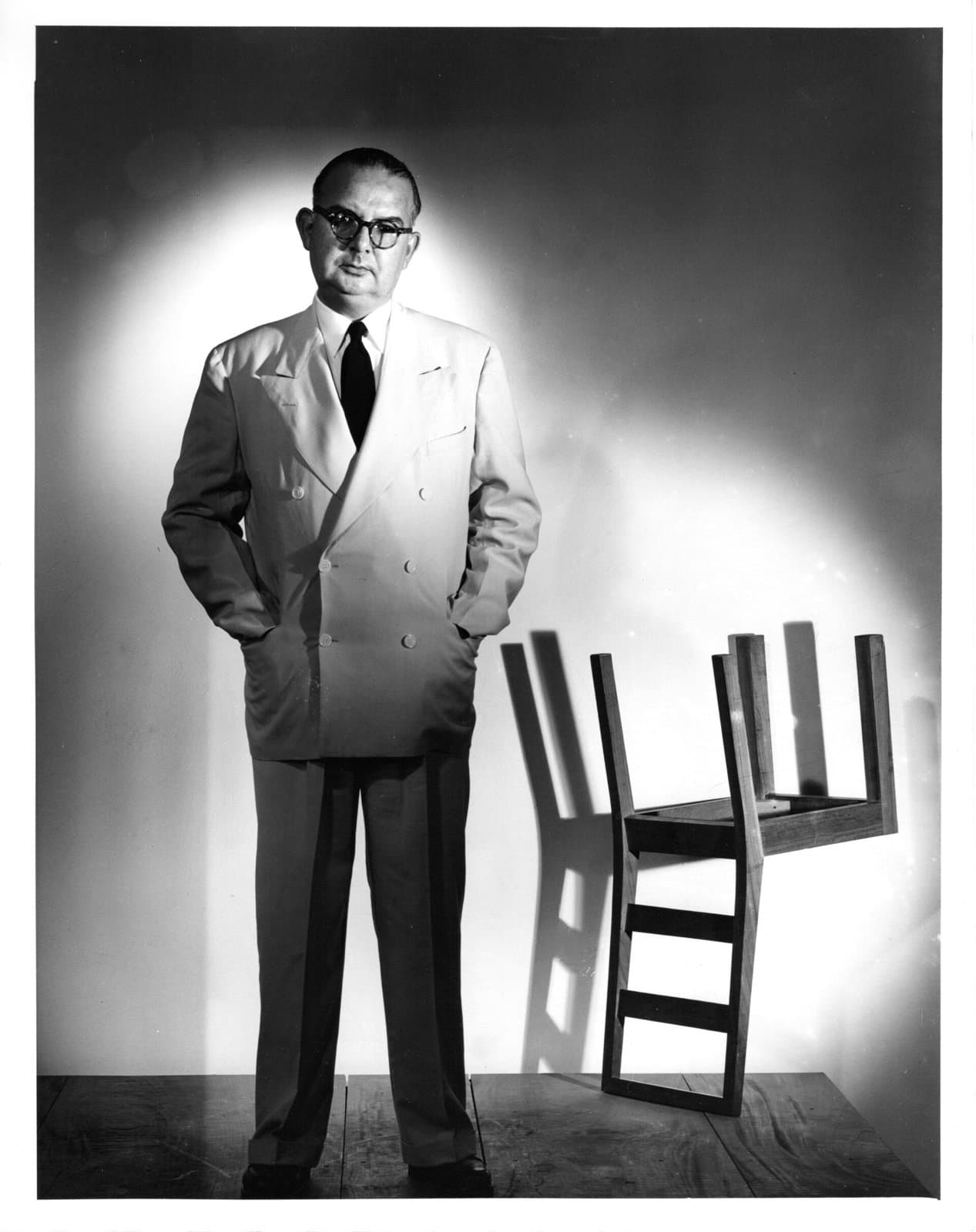
Carlos Raúl Villanueva was born in London in 1900 to a Venezuelan diplomatic family and grew up in Europe. He trained at the École des Beaux-Arts in Paris, graduating in 1928, and settled in Venezuela the following year, where he first worked for the Ministry of Public Works. His early commissions were in Maracay and Caracas, and he went on to shape a good part of the country’s modern public architecture, from museums and schools to large housing estates.
His best-known project is the campus of the Central University of Venezuela in Caracas, which he led for more than two decades from 1944. Villanueva pursued what he called the synthesis of the arts, inviting painters and sculptors to work alongside the architecture from the start. UNESCO inscribed the campus as a World Heritage site in 2000.
- Born
- 30 May 1900, London
- Studied
- Architecture at the École des Beaux-Arts, Paris (degree 1928)
- Key period
- Ciudad Universitaria de Caracas, 1944–1970
- Recognition
- His university campus was inscribed by UNESCO in 2000
Selected works
Buildings to know.
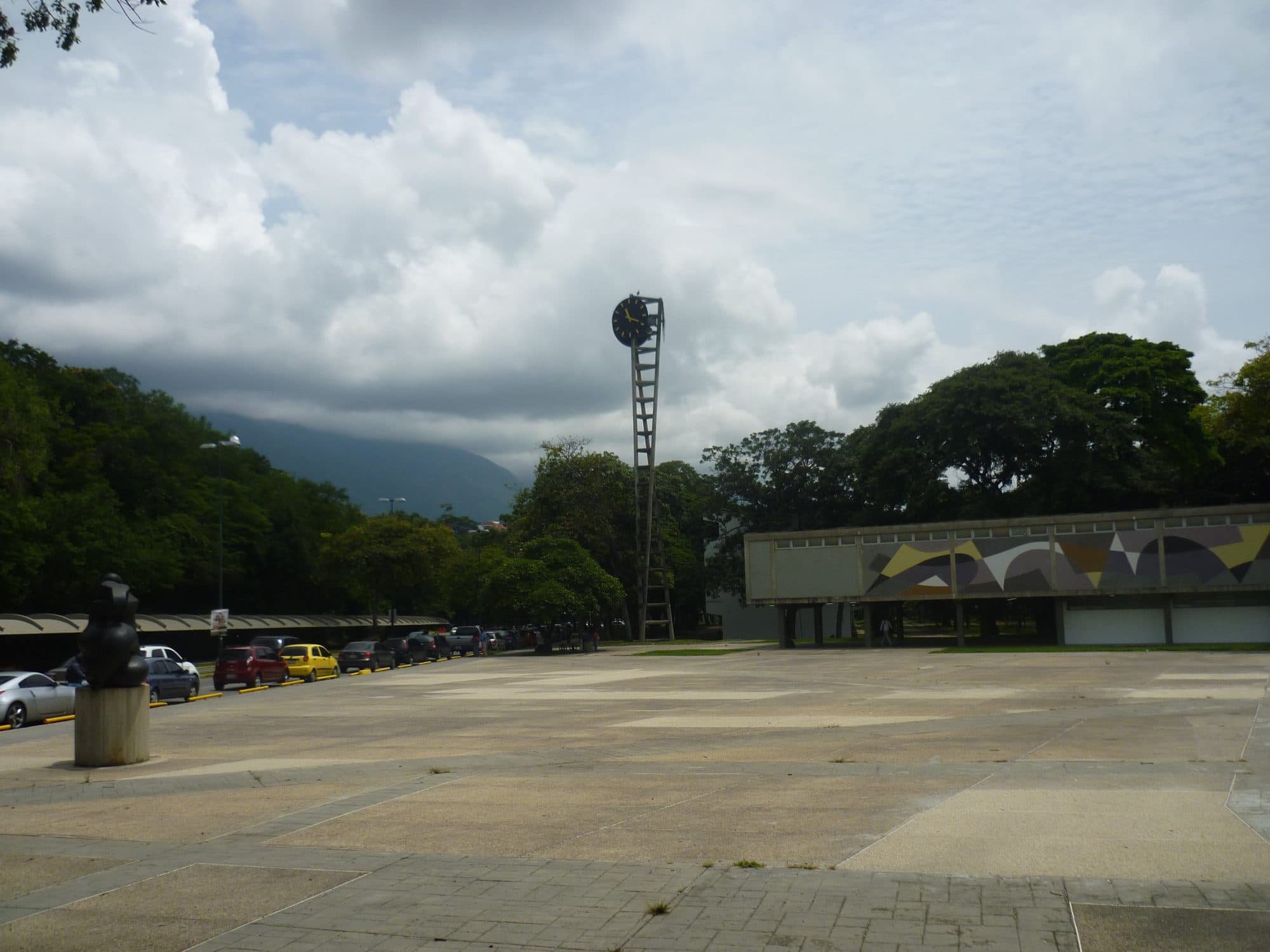
Photo: Angel Castillo, CC BY-SA 3.0
1944–1970 · Caracas
Ciudad Universitaria de Caracas
The main campus of the Central University of Venezuela, a complex of roughly forty buildings set among gardens and integrated with works by painters and sculptors. It is considered Villanueva’s masterwork and has been a UNESCO World Heritage site since 2000.
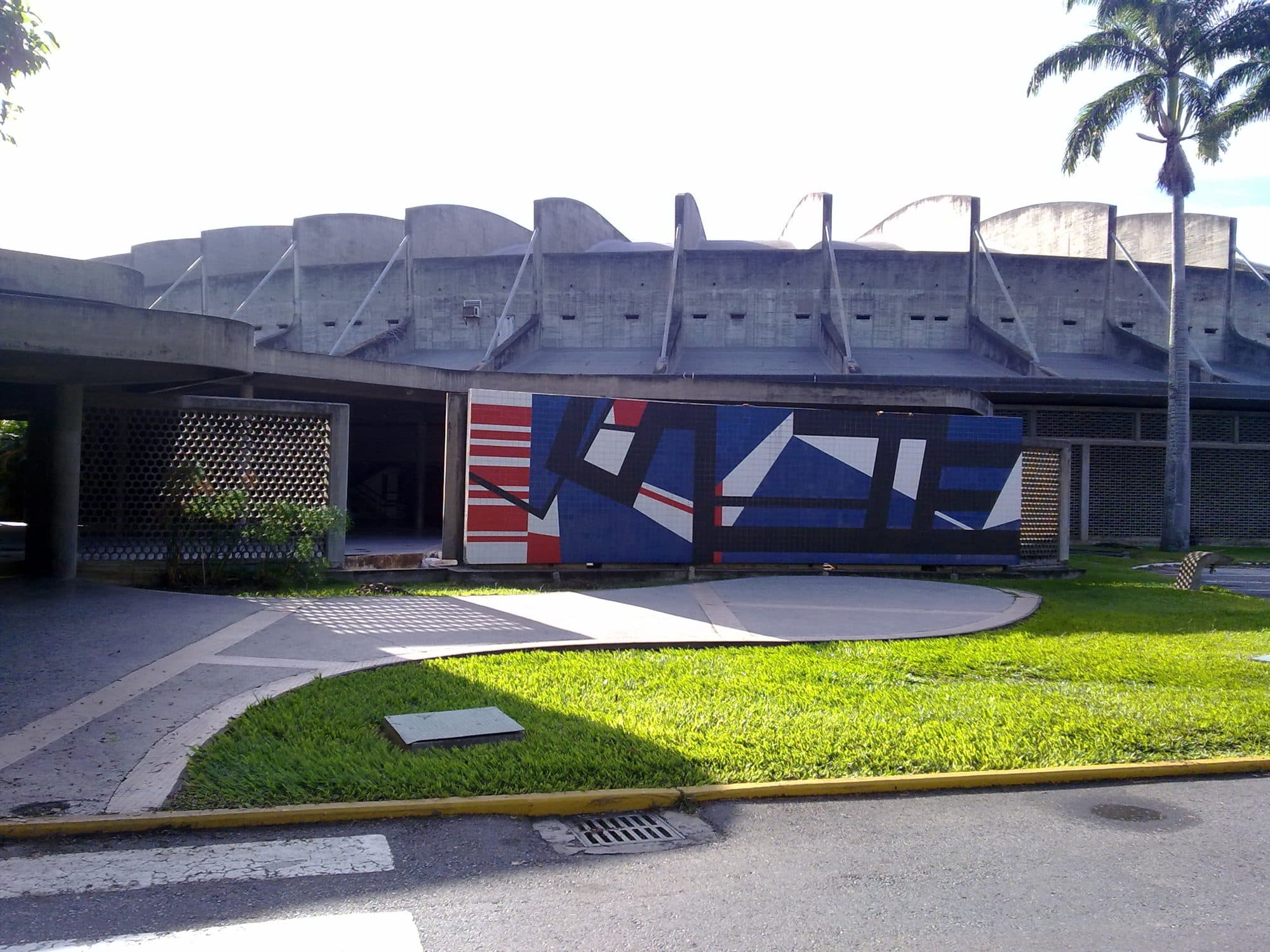
Photo: Robert Marín, CC BY-SA 4.0
Inaugurated 1954 · Ciudad Universitaria, Caracas
Aula Magna and Plaza Cubierta
The covered plaza was conceived as the social heart of the campus, and the adjoining Aula Magna auditorium is often cited as the clearest example of Villanueva’s synthesis of the arts, with work by several artists integrated into the hall.
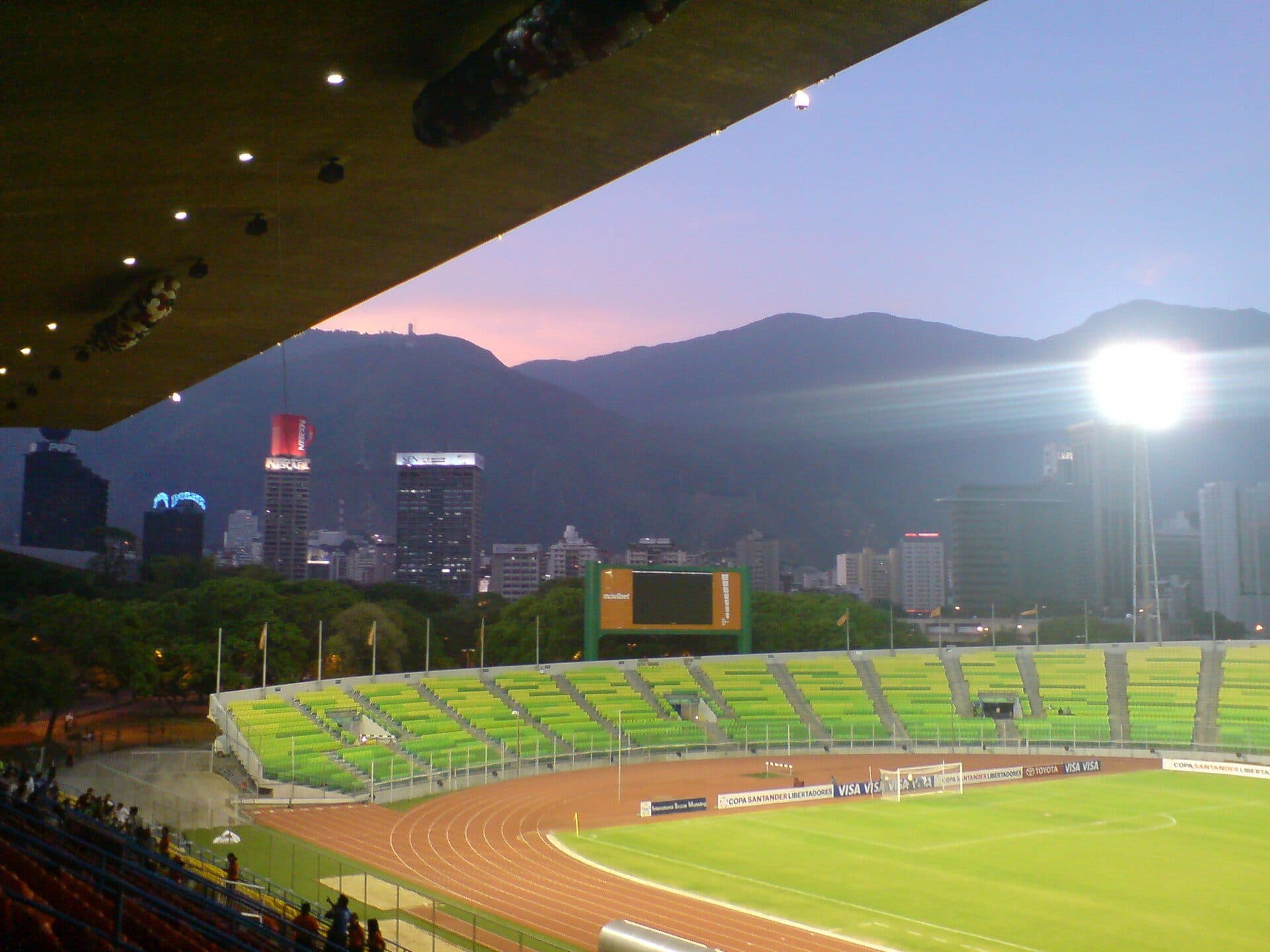
Photo: Alex Coiro, CC BY-SA 3.0
Ciudad Universitaria, Caracas
Estadio Olímpico de la UCV
The university’s sports stadium, with a football pitch and athletics track, is one of the campus elements specifically highlighted by UNESCO in its World Heritage listing.
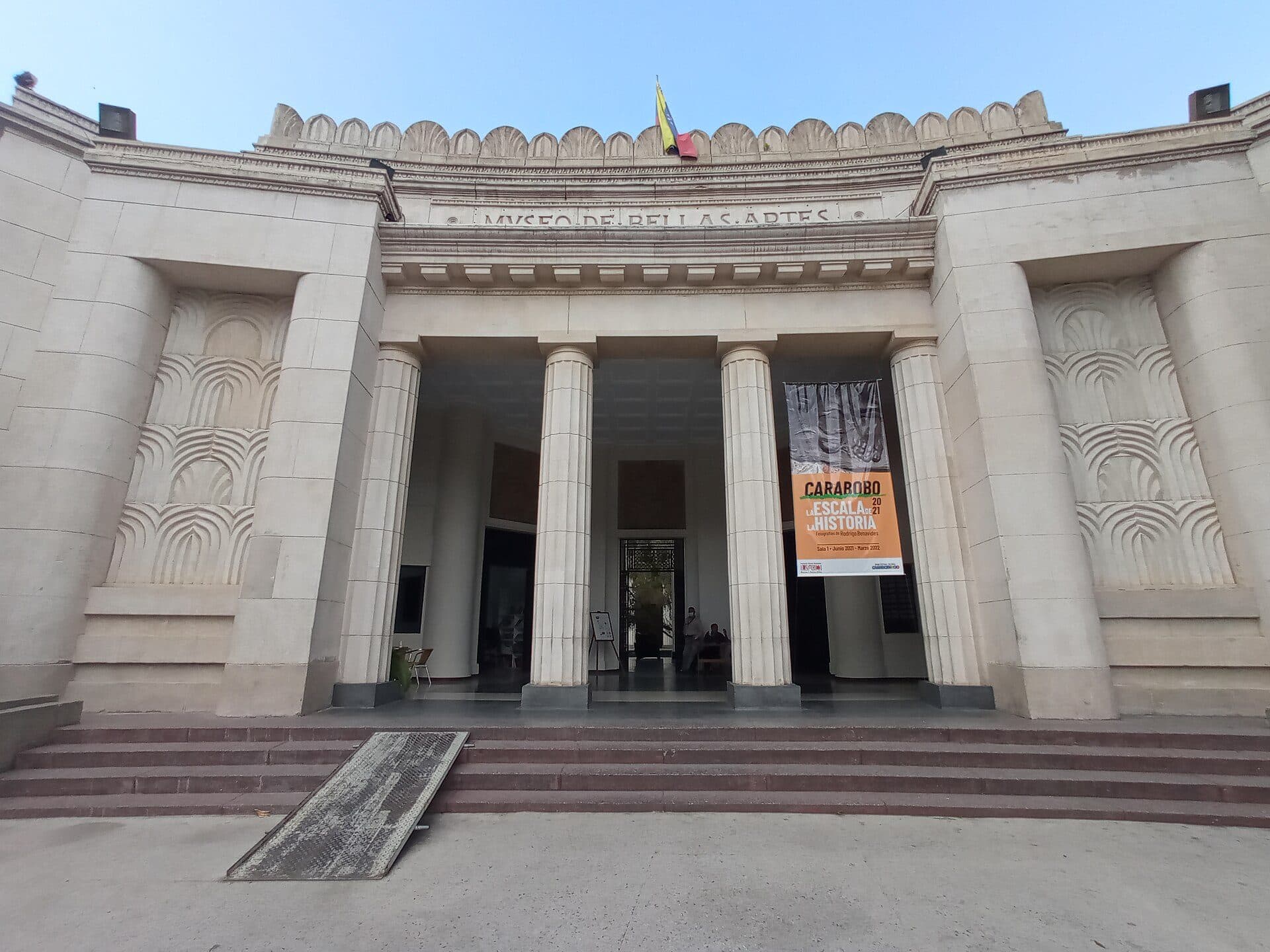
Photo: Muago, CC0
1935–1938 · Caracas
Museo de Bellas Artes
Villanueva’s first major commission in Caracas, a neoclassical museum building that gave him a space to show art and opened his long collaboration with the sculptor Francisco Narváez.
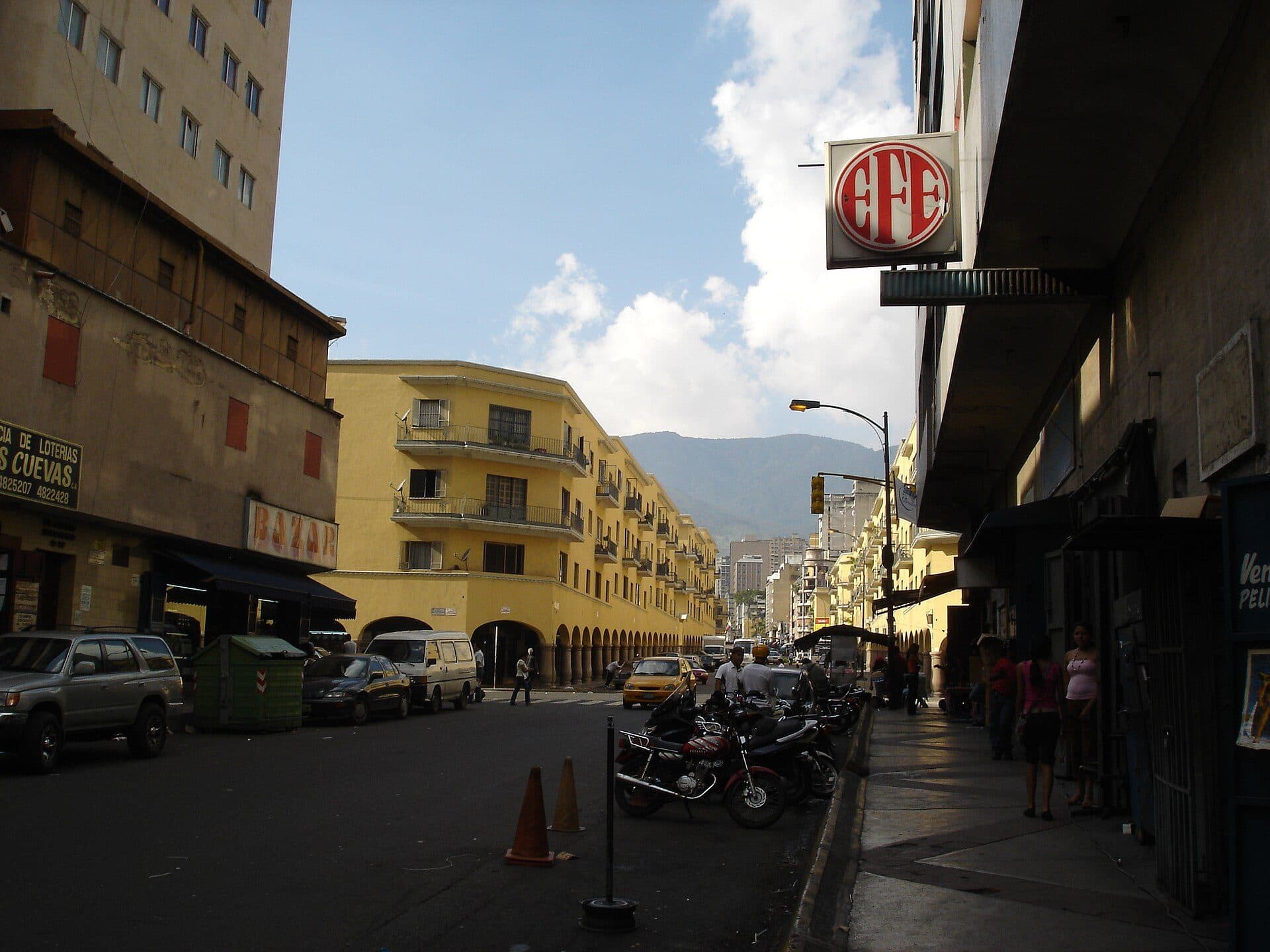
Photo: Liliana Amundarain, CC BY 2.0
1941–1945 · Caracas
El Silencio Redevelopment
An urban renewal of a central Caracas district into arcaded apartment blocks with shops at street level, comprising nearly 8,000 apartments and more than 200 shops.
Image credits
- Biblioteca Central UCV 4, by Robert Marín, CC BY-SA 4.0. View on Wikimedia Commons
- 1948. Carlos Raúl Villanueva por Alfredo Boulton, by Alfredo Boulton, Public domain. View on Wikimedia Commons
- Ciudad Universitaria de Caracas, panorámica de la Plaza del Rectorado, by Angel Castillo, CC BY-SA 3.0. View on Wikimedia Commons
- Plaza Cubierta Rectorado UCV, by Robert Marín, CC BY-SA 4.0. View on Wikimedia Commons
- Estadio Olímpico de la UCV al atardecer, by Alex Coiro, CC BY-SA 3.0. View on Wikimedia Commons
- Museo de Bellas Artes de Caracas, by Muago, CC0. View on Wikimedia Commons
- El Silencio, Caracas, by Liliana Amundarain, CC BY 2.0. View on Wikimedia Commons
Sources
This profile is compiled from public sources and written in our own words.