
Destination Guide
Los Roques Travel Guide: Venezuela's Caribbean Paradise
Complete guide to Los Roques — posadas, snorkelling, bonefishing, island hopping, and how to plan your charter flight from Caracas.
16 min readRead
~50 islands, 300 cays. One national park. Zero cars.
0
listings
How to get there
Fly-in only, historically via Maiquetía (CCS) — now closed to commercial flights since ~June 25, 2026 after the June 24 earthquakes. Conviasa is running a stopgap via Maracay (Los Tacariguas); schedules are unsettled — verify live with your posada or carrier before booking.
Best season
Year-round; Dec–Apr calmest
Typical budget
$150–300/day all-in
Language tip
Spanish only on the islands
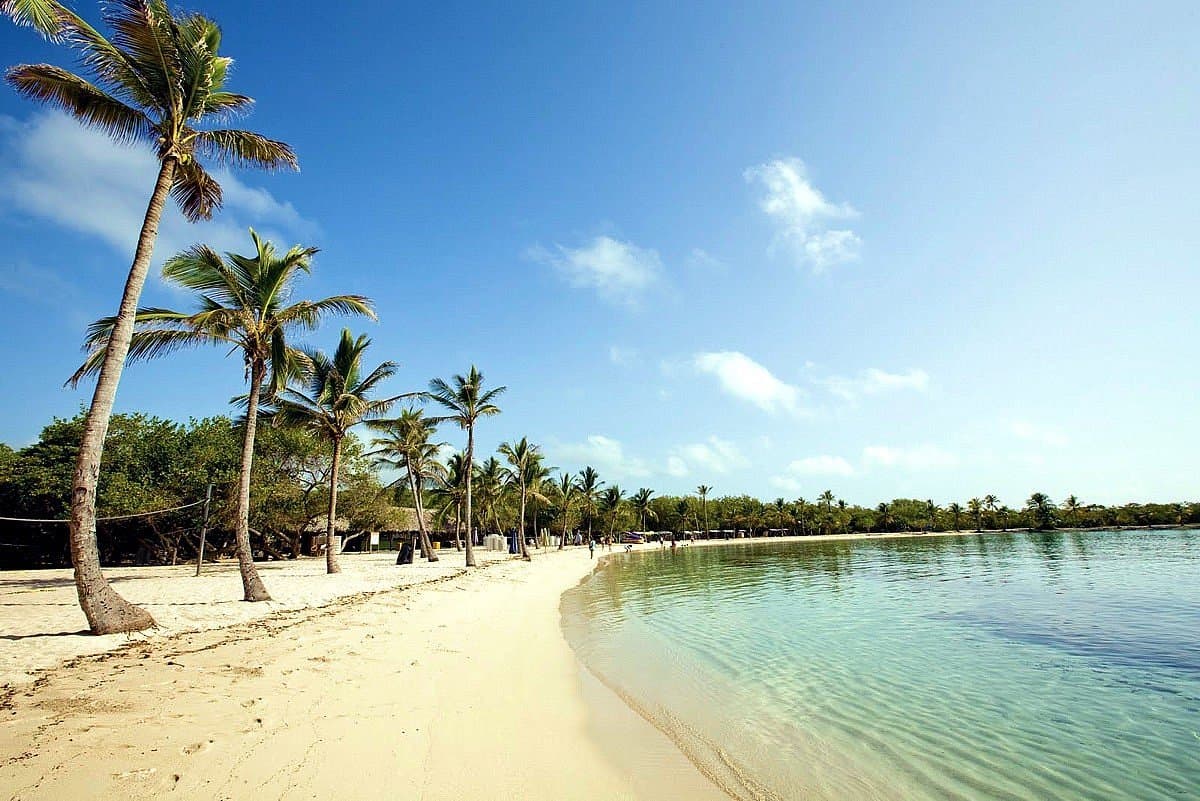
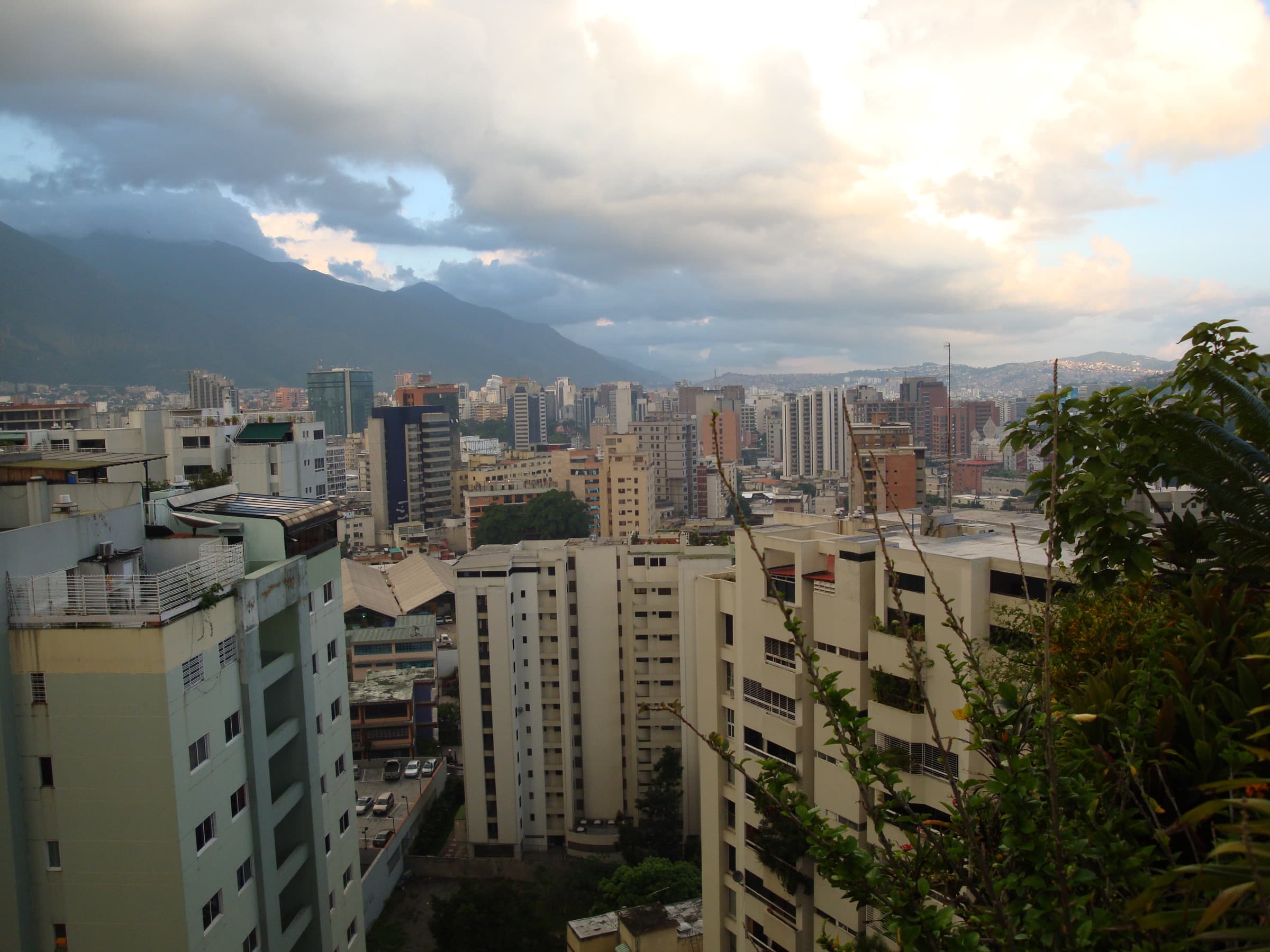
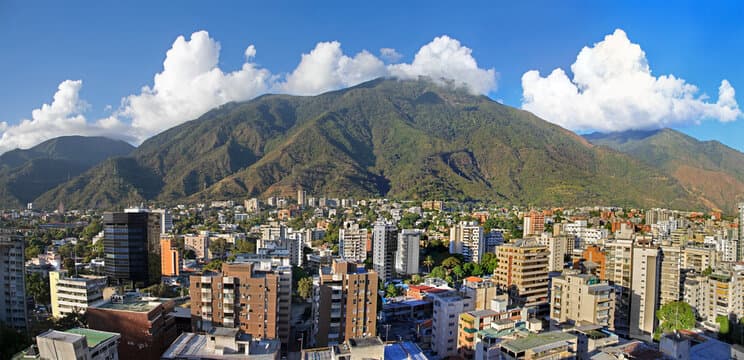
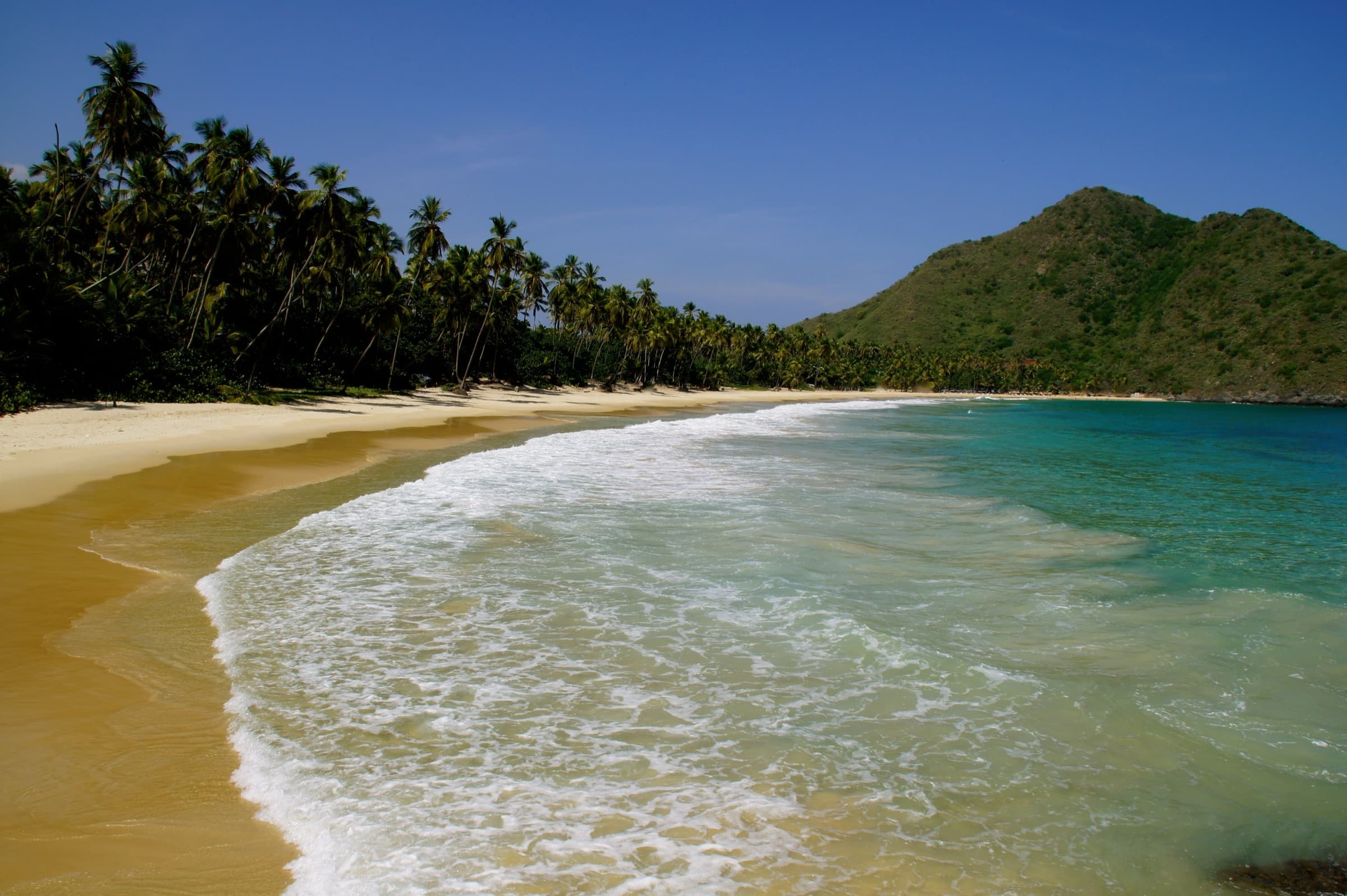
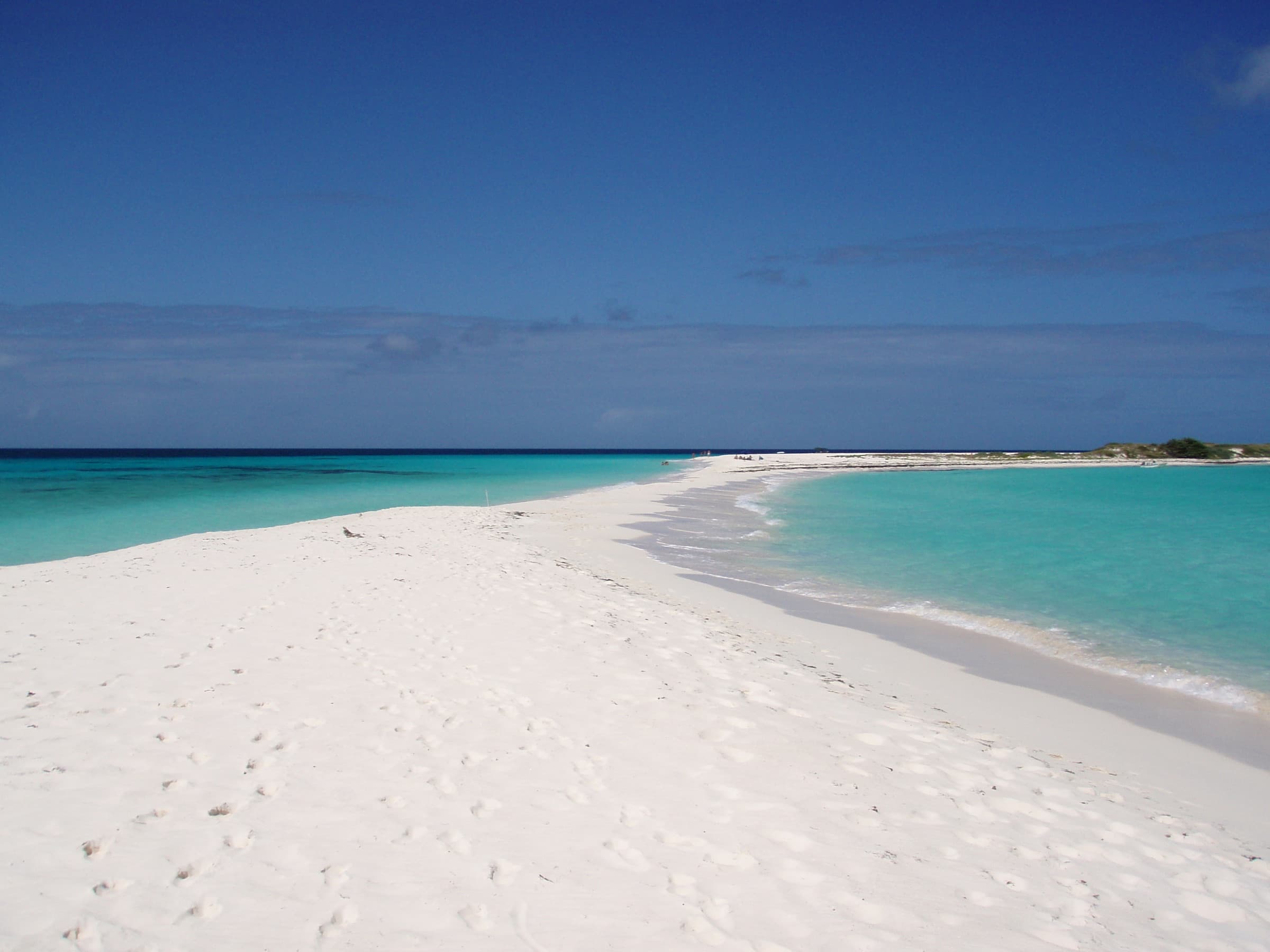
Los Roques Archipelago National Park sits about 160 km north of Caracas in the southern Caribbean — historically a 35–40 minute charter flight into a world of bone-white sand, neon-blue water, and the kind of quiet that feels almost confrontational after any time in a city. (Access is in flux in 2026 — see the caveat below.)
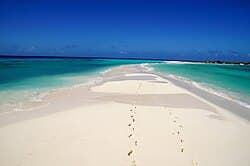
The archipelago covers some 220,000 hectares — roughly 50 true islands and some 300 sand cays — making it one of the largest marine national parks in the Caribbean. It was designated a Ramsar wetland of international importance in 1996 (it is often mislabelled a UNESCO site — it is not). Gran Roque, the main island, has one paved road (short enough to walk end-to-end in seven minutes) and roughly 60–100 posadas. Everything else is reef, lagoon, and open ocean.
Come for the snorkelling and diving — visibility regularly exceeds 30 metres in the outer cays. Stay for the bonefish flats, which attract fly-fishing fanatics from around the world. Leave with sun damage you will not regret.
Top highlights
Snorkelling
30m+ visibility in the outer cays
Bonefishing
World-class fly fishing on the flats
0 listings
We add new experiences every week — check back soon.
Next step
Once you know your base and access model, build the Los Roques itinerary around transfer windows, operator quality, and where you will actually sleep.
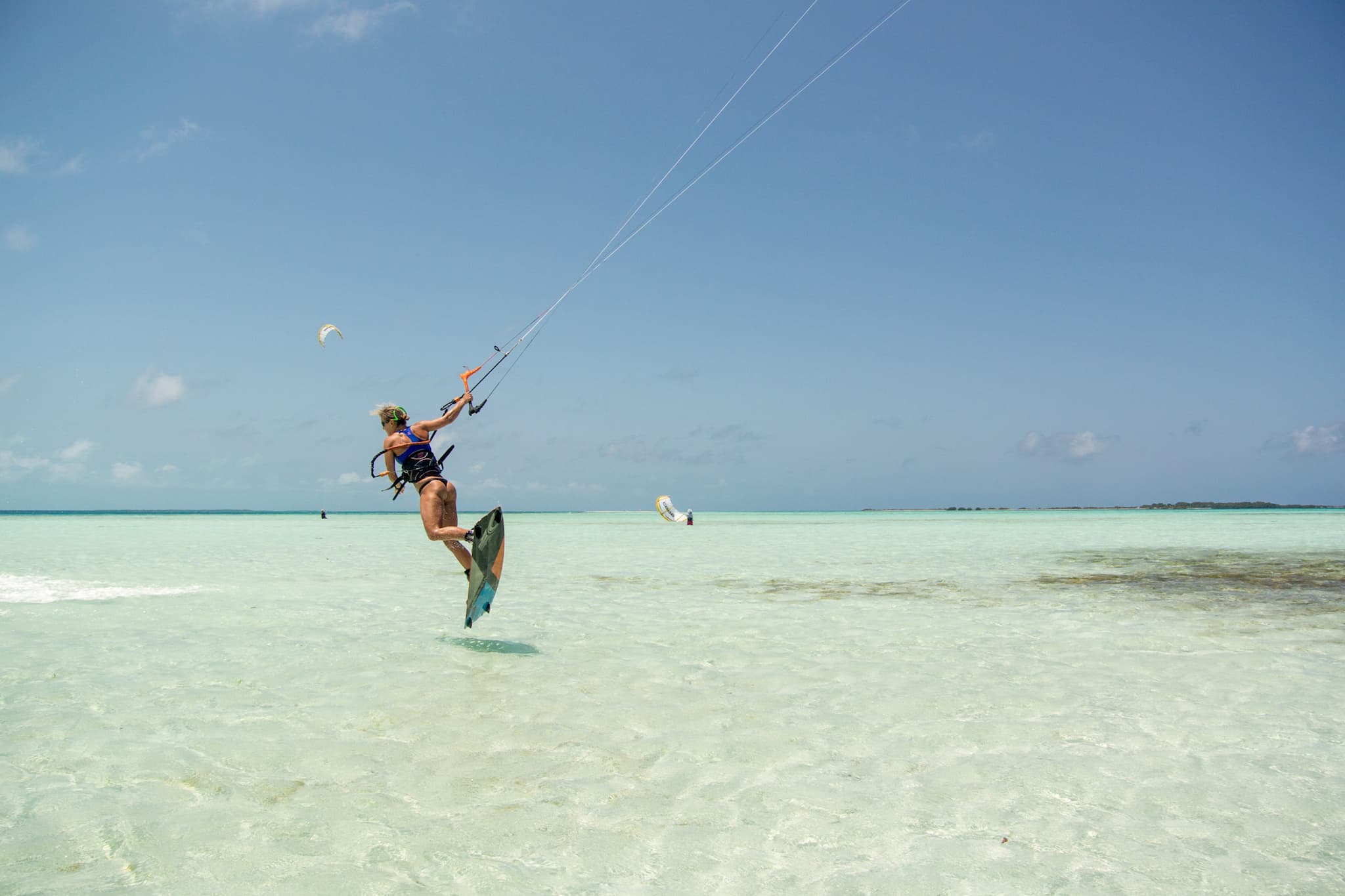
Kite surfing
Trade winds from November to April
Island hopping
Francisquí, Cayo de Agua, Piritu
Turtle watching
Nesting season June to October
Complete guide to Los Roques — posadas, snorkelling, bonefishing, island hopping, and how to plan your charter flight from Caracas.
The flats around Crasqui and Noronquises hold some of the largest bonefish in the Caribbean. What to bring, who to hire, and when to go.