Venezuela travel status — July 2026: airport disruption in effect
The June 24, 2026 earthquakes (M7.2 and M7.5) closed Maiquetía (CCS), the normal Caracas airport, to commercial flights since around June 25, 2026. Carriers are rerouting to Valencia (Arturo Michelena International) (VLN) — verify your routing with the airline before booking, and do not assume a Caracas arrival. The U.S. Department of State advisory is Level 3 "Reconsider Travel" (country-wide) since March 19, 2026.
Earthquake (June 24, 2026): Two strong earthquakes (M7.2 and M7.5) struck western Venezuela and the La Guaira coast on June 24, 2026, killing more than 4,900 people (the higher, later-confirmed figure) and collapsing an estimated 80% of the La Guaira corridor. Recovery is ongoing and affects transport, lodging, and heritage sites in the impacted areas through at least Q3 2026.
Airport (CCS): Maiquetía (CCS), the normal Caracas gateway, has been closed to commercial traffic since around June 25, 2026 after the June 24 earthquakes cracked the runway and damaged the tower and terminal. Carriers such as Iberia and Air Europa are rerouting to Valencia (VLN), the de-facto interim international gateway. No confirmed reopening date — verify your routing with the airline before booking.
Check official sources, then plan a specific circuit.
Government travel pages set country-level context. On VAV we help you choose well-supported visitor routes (Los Roques, licensed Canaima packages, Merida, Morrocoy, Margarita, eastern Caracas) and understand when remote or border corridors need specialist operators. Official advice still applies — read it, then plan logistics:
Region levels are relative guidance derived from public government travel advisories, not independent assessments and not a substitute for official advice. Conditions change quickly. Always check the official advisories below and local guidance before and during travel. Region levels last reviewed: July 2026.
Before you go
Safety Hub
Honest, sourced safety context for Venezuela. Read it alongside the official advisories above, not instead of them.
How to read this
Safety level guide
Open
Destination is open for tourism. Check current local conditions and official advisories before you go.
Restricted
Not listed for tourism on VAV. Do not plan independent travel here.
Day to day
General safety tips
•Always use app-based transportation (Uber, InDriver) instead of hailing taxis on the street
•Keep a low profile and avoid displaying expensive jewelry, cameras, or phones in public
•Carry a photocopy of your passport, not the original
•Stay in well-lit, populated areas especially at night
•Share your itinerary with someone trusted before traveling to remote areas
•Keep emergency contacts readily accessible
•Use ATMs inside banks or shopping centers during business hours
•Purchase travel insurance that includes medical evacuation
•Learn basic Spanish phrases for emergencies
Getting in
Entry & Visas (April 2026 update)
Two practical barriers for US travelers dropped this spring. Confirm current requirements with your airline and the official portal before you book — policies can change.
•Digital eVisa for US tourists. Effective April 6, 2026, US nationals apply for tourist (T) and business (TR-N) visas entirely online through the Venezuelan Ministry of Foreign Affairs (MPPRE). Approved visas arrive as a printable PDF by email, valid for one year and multiple entries; reported fee around USD 180 with roughly 15-day processing. Open the official eVisa portal.
•Flights: verify before booking — the Caracas airport is disrupted. Miami–Caracas nonstops did return in spring 2026 (American Airlines began daily MIA–CCS service April 30, with a second daily added May 21), but that history is now on hold: Maiquetía (CCS), the normal Caracas gateway, has been closed to commercial traffic since around June 25, 2026 after the June 24 earthquakes cracked the runway and damaged the tower and terminal. Carriers such as Iberia and Air Europa are rerouting to Valencia (VLN), the de-facto interim international gateway. No confirmed reopening date — verify your routing with the airline before booking. Do not book assuming a Caracas (CCS) arrival while the airport is closed. Connecting alternatives run via Bogotá (Avianca), Panama City (Copa), Madrid (Plus Ultra), and Istanbul (Turkish Airlines), and carriers are rerouting to Valencia (Arturo Michelena International) (VLN) — confirm the current routing directly with the airline.
•What changed vs. pre-2026. Until April 2026, US travelers needed a consular visa processed in person through a third country (typically taking six weeks or more) and had no direct US–Venezuela commercial flights since the 2019 DOT suspension. The visa barrier is now removed for routine tourist travel; the direct-flight picture, however, is in flux — the spring-2026 nonstops are on hold while the Caracas airport is closed (see above). The US State Department advisory also remains at Level 3 — read the alerts at the top of this page before you book.
Before you go
Health & vaccinations
General guidance only. Confirm current requirements with a travel medicine clinic and official health sources before you travel.
•Yellow fever. Yellow fever is not a legal entry requirement for Venezuela, but an active 2026 outbreak (Lara, Barinas, Portuguesa, Aragua) makes vaccination practically important. Get vaccinated at least 10 days before traveling into interior or forested areas, and keep your certificate — onward countries often require proof of vaccination after a Venezuela visit. Affected states in the current outbreak include Lara, Barinas, Portuguesa, Aragua.
•Mosquito-borne illness. Dengue is present in lowland and coastal areas, and malaria risk exists in Bolívar state (Canaima, Gran Sabana). Use repellent, and ask a travel medicine clinic about malaria prophylaxis before interior trips.
•Medical evacuation cover. Buy travel insurance that explicitly covers Venezuela and includes medical evacuation. Facilities are limited outside Caracas, and with no operating US embassy in-country, evacuation is arranged through your insurer, not a consulate.
Where you're going
Safety by destination
Los Roques
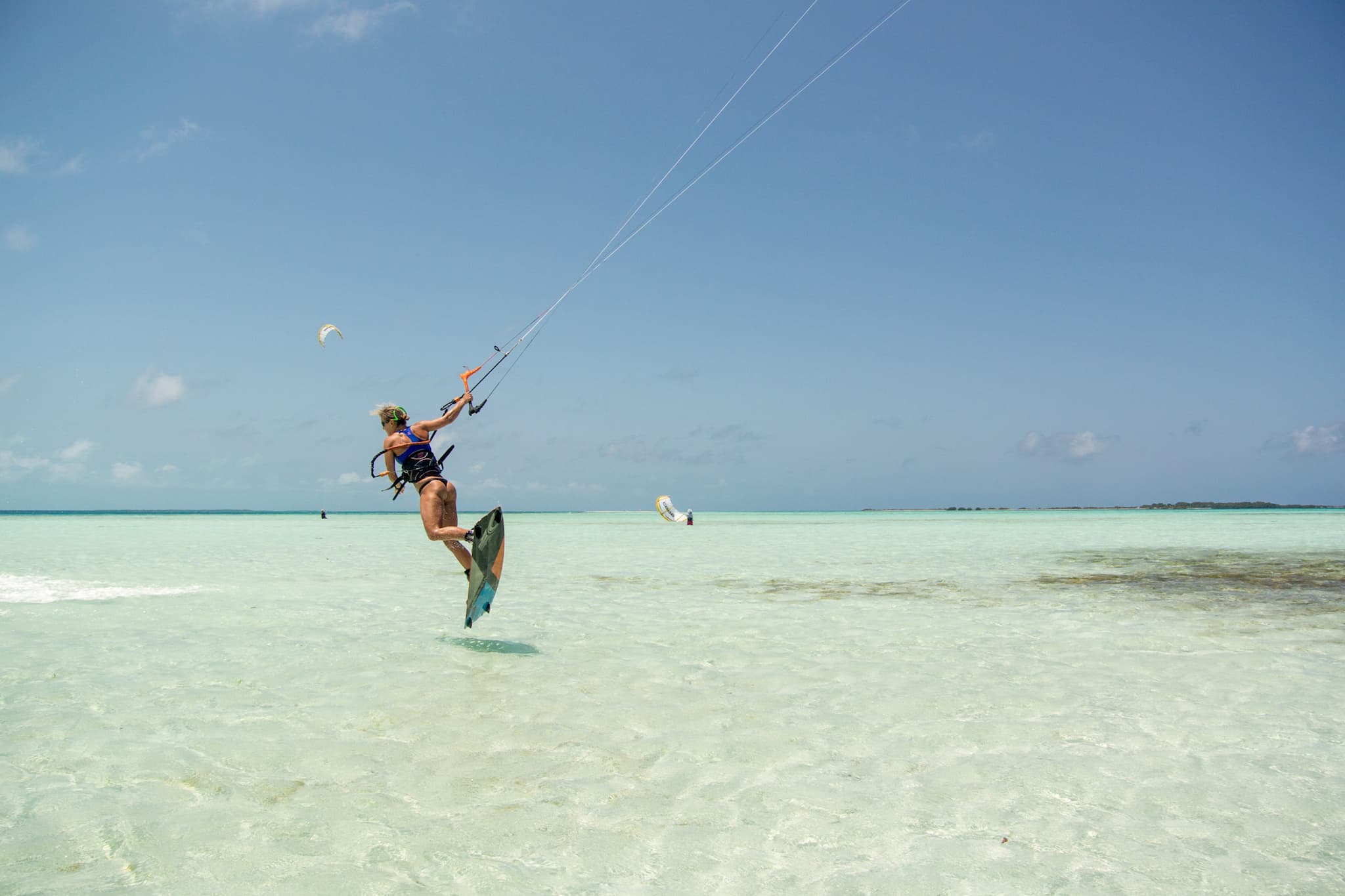
Why travelers come: Pristine Caribbean archipelago with crystal-clear waters
Mérida
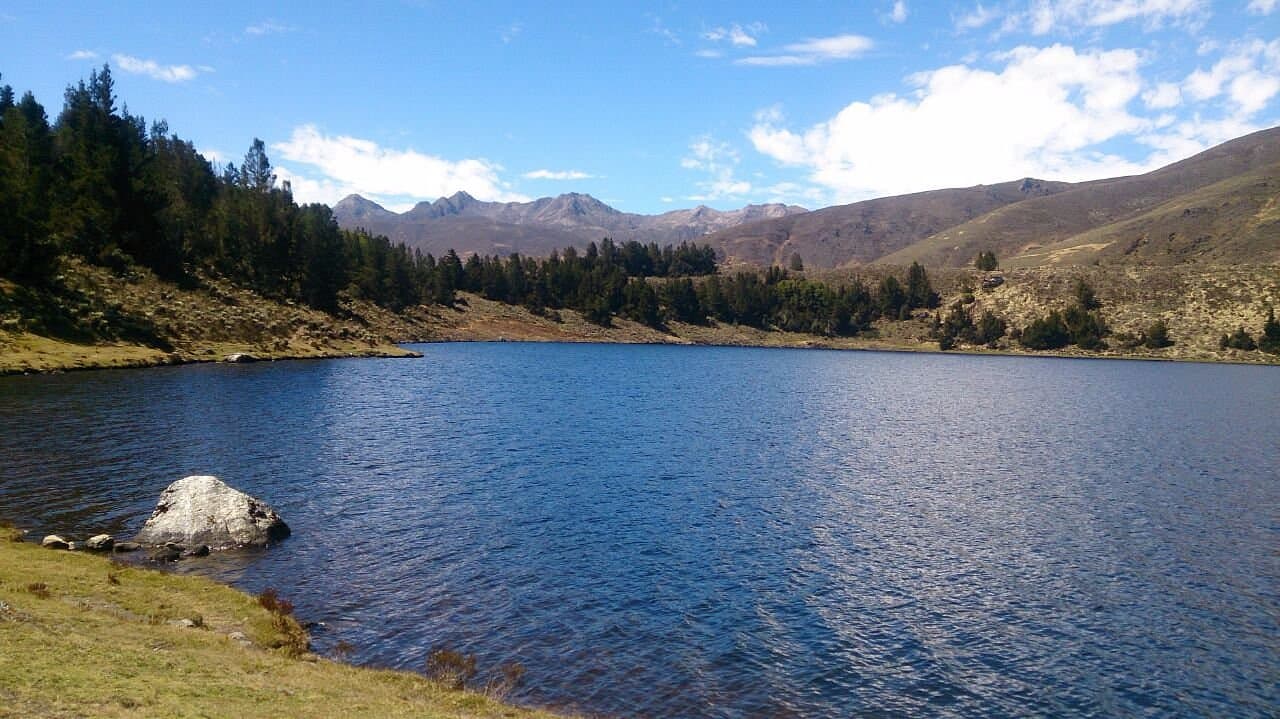
Why travelers come: Andean city with dramatic mountain scenery and adventure sports
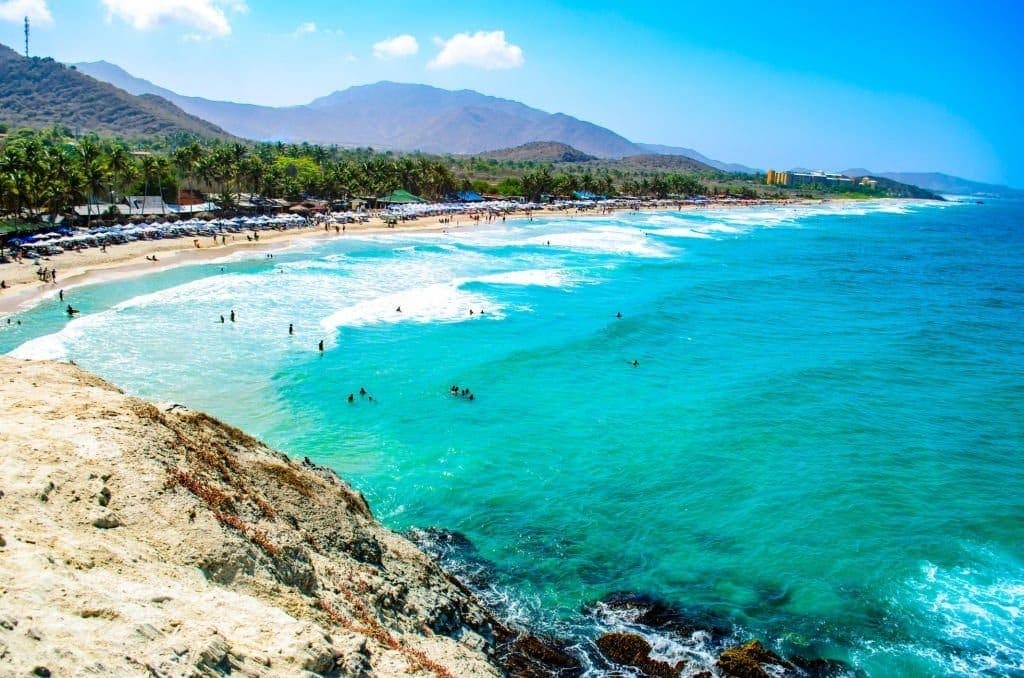
Margarita Island
Why travelers come: The Pearl of the Caribbean - beaches, shopping, seafood
Canaima
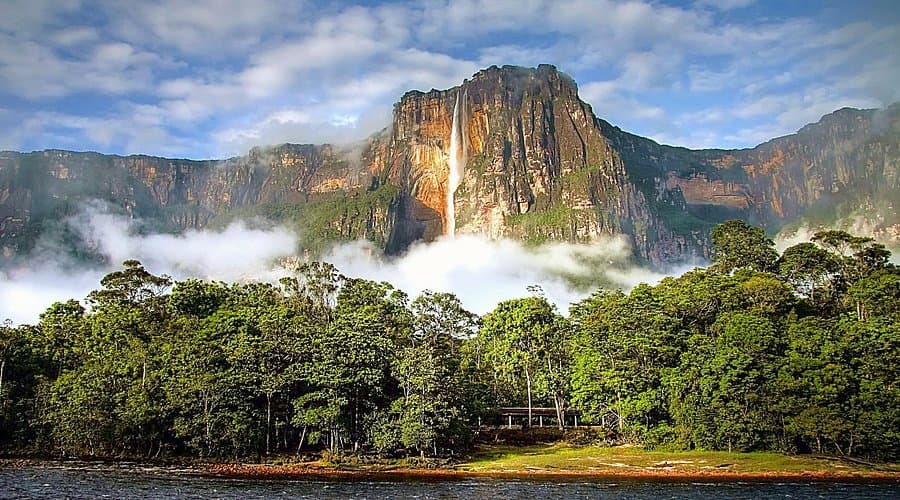
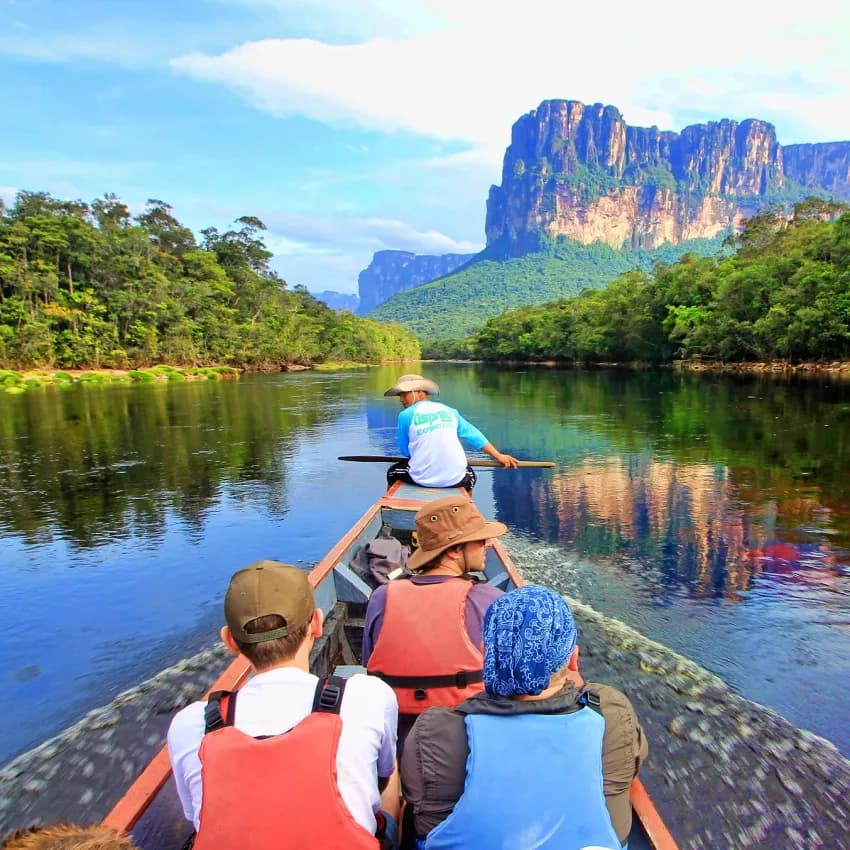
Why travelers come: Home to Angel Falls, the world's highest waterfall
Gran Sabana
Why travelers come: Vast savanna with ancient tepuis and unique biodiversity
Morrocoy
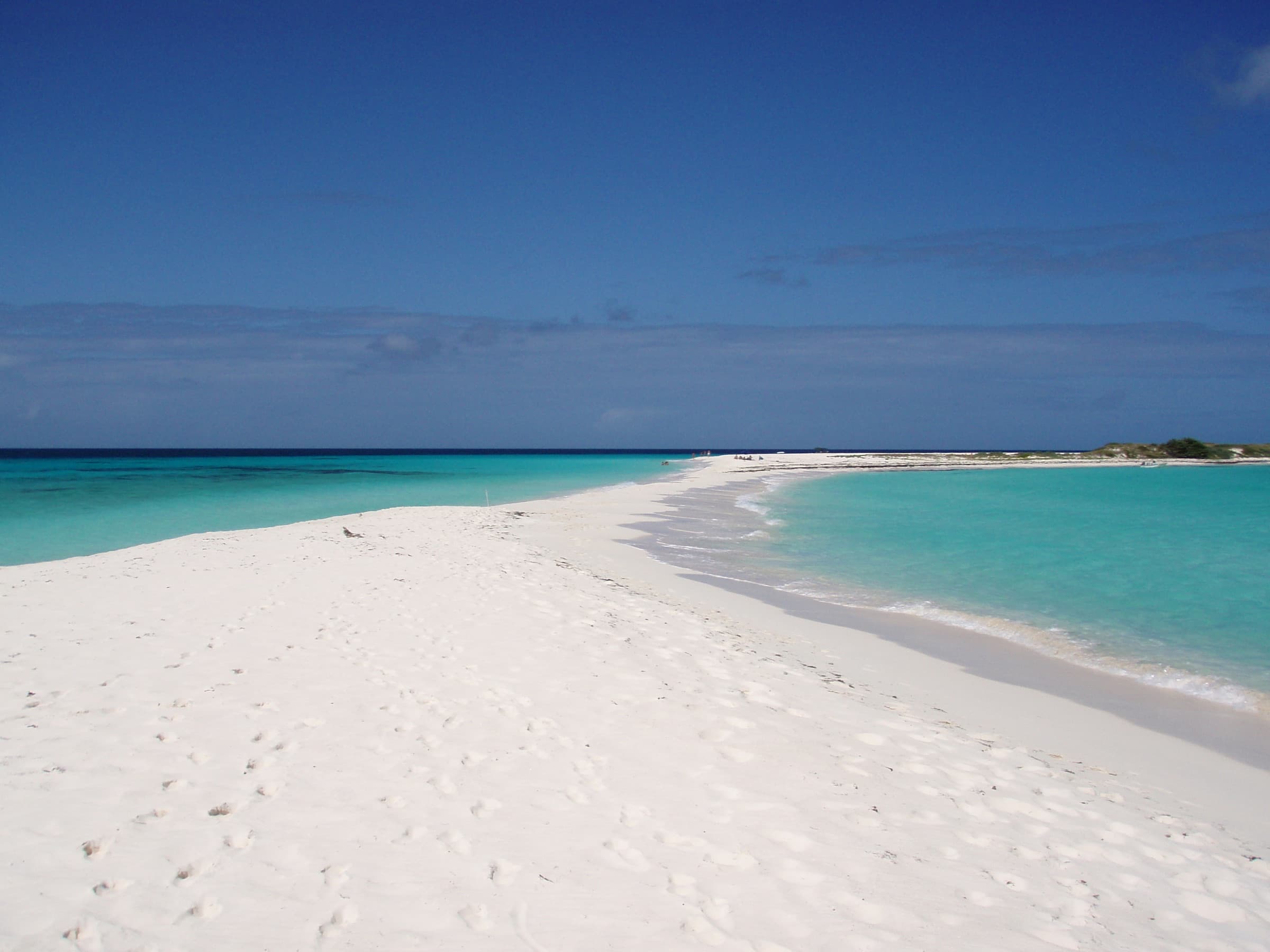
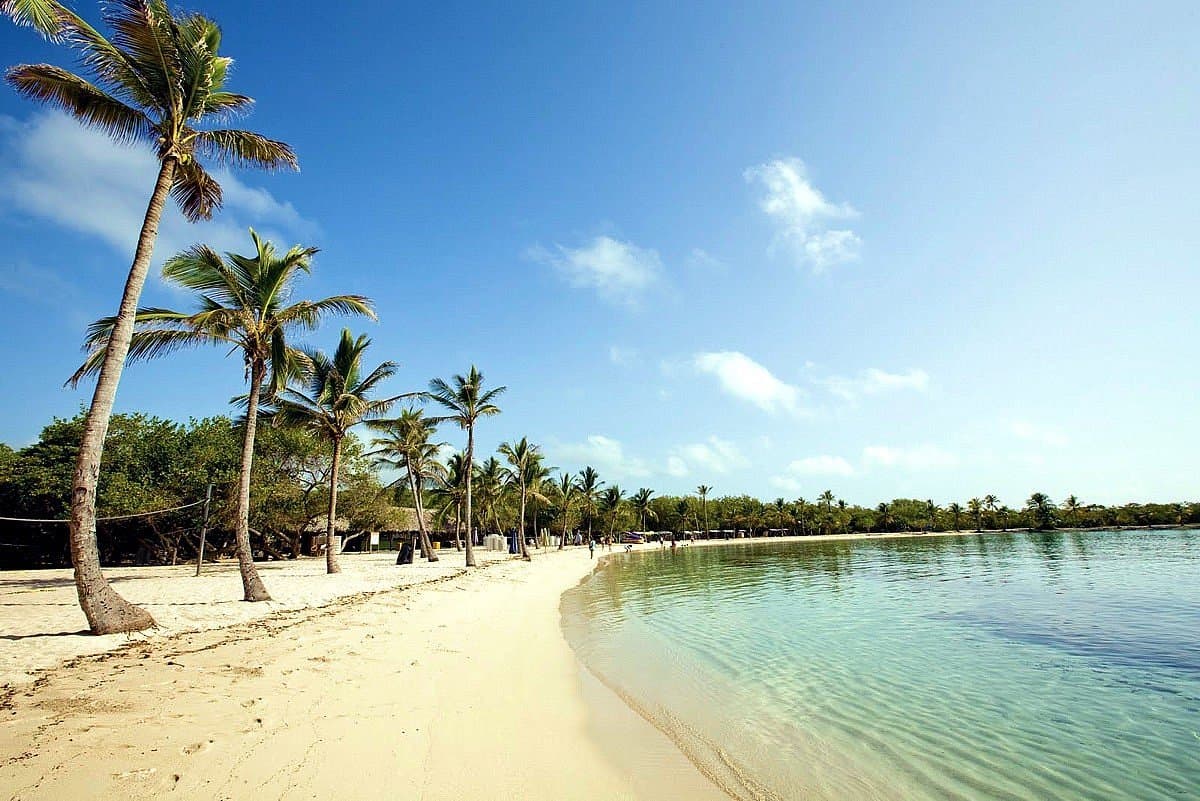
Why travelers come: National park with mangroves, coral reefs, and white sand cays
If something goes wrong
Emergency contacts
Numbers can change and may not work in every region or on every network. Confirm local emergency numbers with your accommodation on arrival, and save your government's reachable consular contact (US citizens: the US Embassy in Bogotá — there is no operating US embassy inside Venezuela; see below).
General guidance only, not a substitute for professional, medical, or official government advice.
US citizens: there is no working US embassy in Venezuela.
All US consular operations in Caracas have been suspended since March 2019 and were not restored after the January 2026 transition. The US government cannot provide routine or emergency consular help inside Venezuela. US protecting-power services are handled through a third country and the US Embassy in Bogotá, Colombia. Enroll in STEP before you go and save the Bogotá embassy line offline — do not rely on an in-country US embassy that is not operating. Source: OSAC. Travelers from other countries: confirm whether your government has any consular presence or a protecting-power arrangement before you travel.
•Register your trip with your government before you go (US citizens: STEP) so you can be reached in a crisis or evacuation. Note that US consular help is routed through Bogotá, not an in-country embassy.
•Robbery: do not resist. Hand over valuables. Possessions are replaceable; report to your insurer afterward, and — for US citizens — to the US Embassy in Bogotá, since there is no operating US mission in Venezuela.
•Medical: call your travel-insurance emergency/evacuation line first — it routes you to vetted private care. Confirm the policy covers medical evacuation before travel.
•Detention or arrest: ask to contact your government’s consular representative immediately (for US citizens, this runs through the protecting power / Bogotá, not a Caracas embassy) and say nothing else until they are involved.
On the ground
Specific zone advisories
Gran Sabana
Updated Apr 1, 2026
Remote wilderness area. Generally safe but requires preparation for long distances and limited services.
•Travel with experienced guide
•Carry extra fuel and water
•Register route with authorities
•Satellite phone recommended
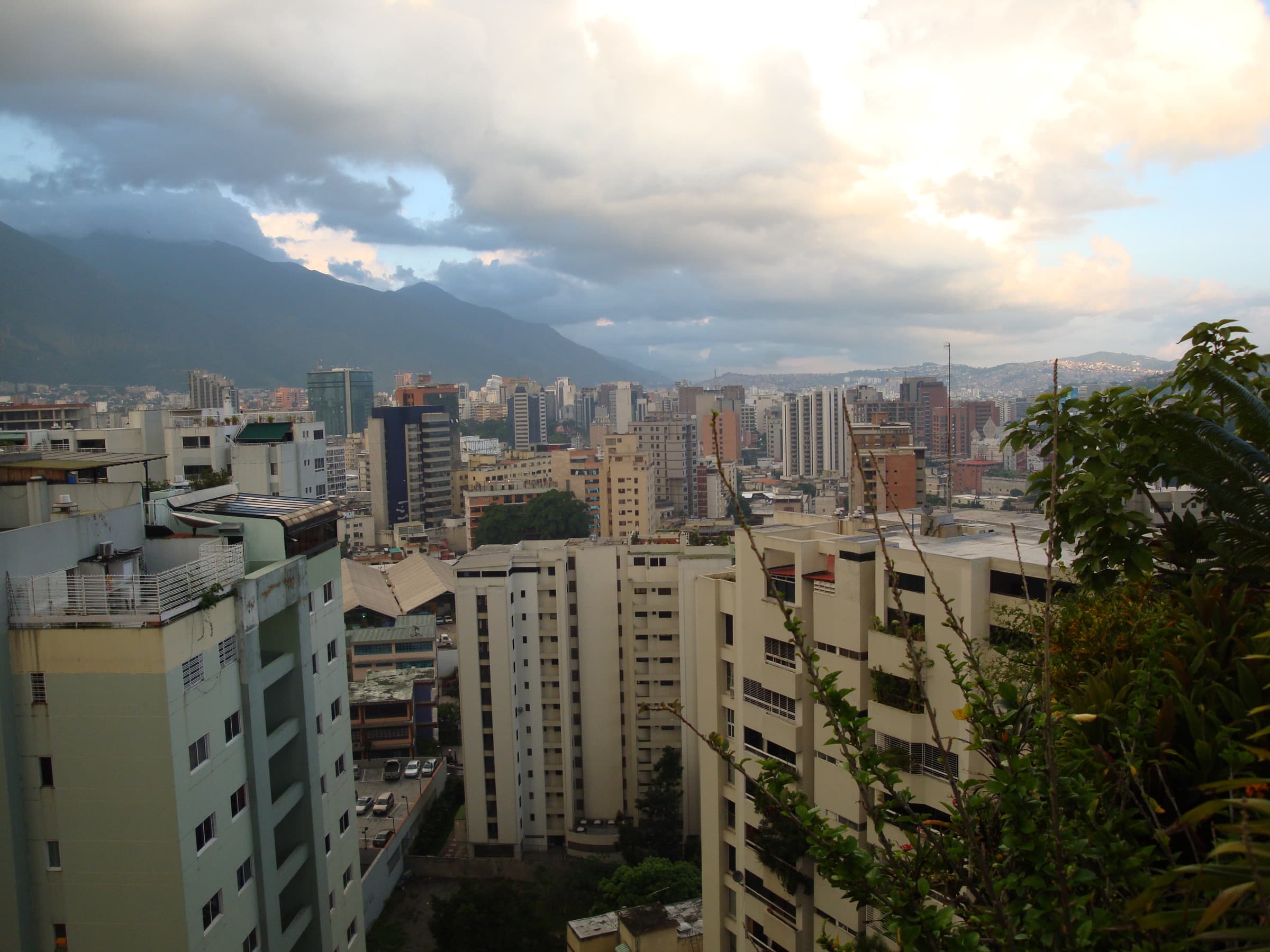
Caracas Altamira
Updated Apr 1, 2026
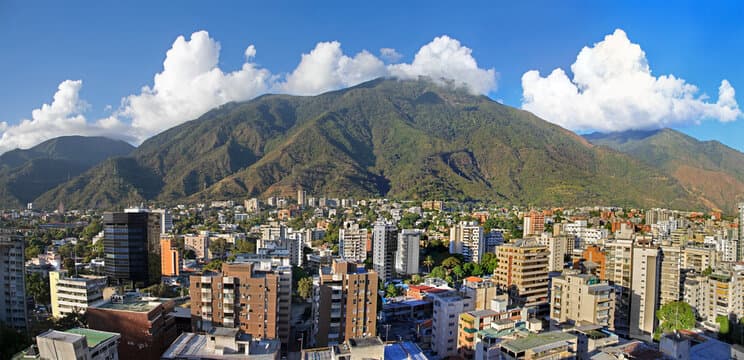
Upscale area of Caracas with restaurants, hotels and commercial centers. Exercise normal caution.
Why travelers come: Dynamic capital with museums, restaurants, and urban experiences
Restricted
Barquisimeto
Why travelers come: The musical capital of Venezuela and gateway to the Lara highlands
Choroní
Why travelers come: Colonial Caribbean village in Henri Pittier National Park — cacao country, tambor music, no ATMs
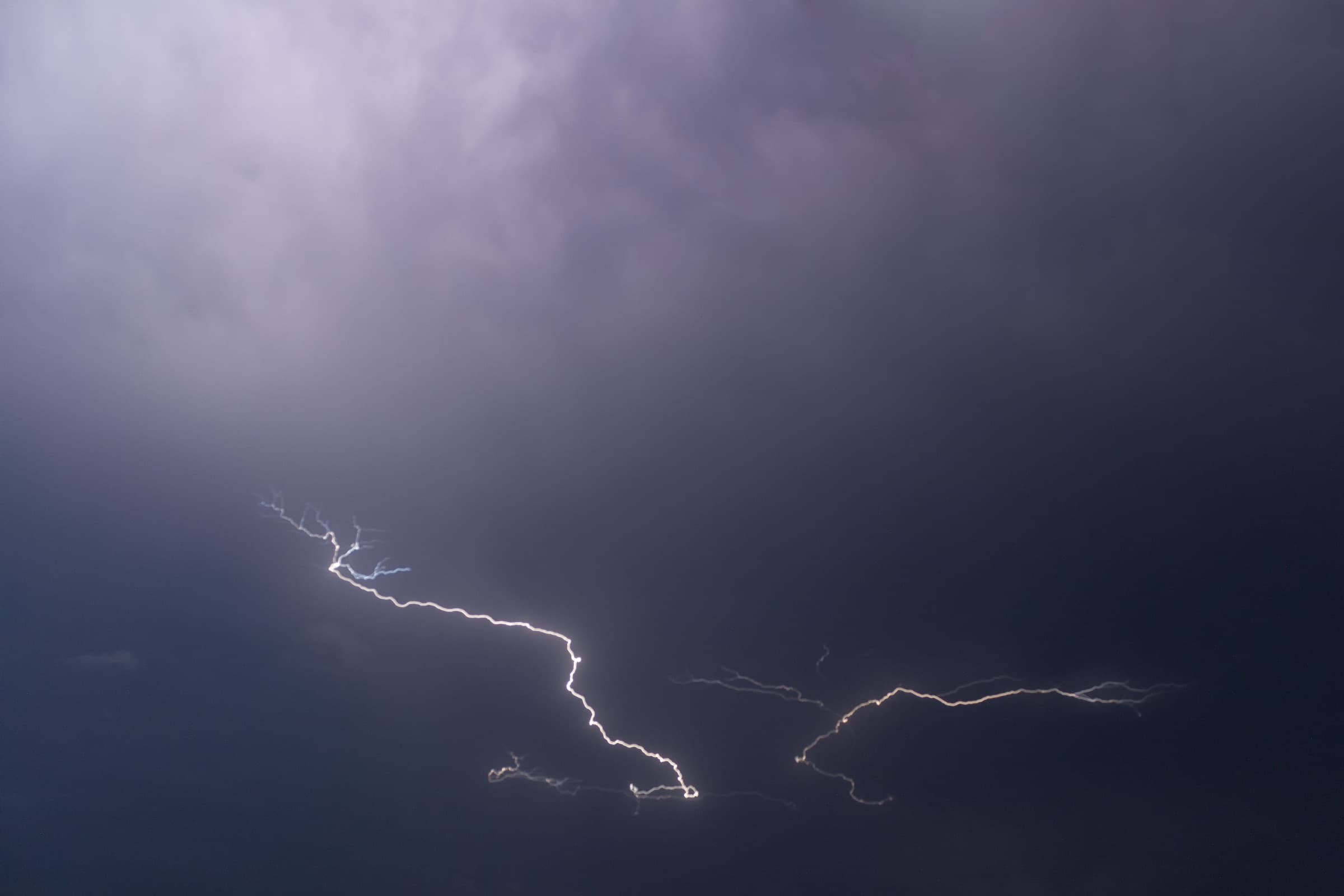
Maracaibo
Why travelers come: Zulia capital on the lake — oil-built skyline, gaita music, and the Catatumbo lightning
Restricted
Los Llanos
Why travelers come: Vast Orinoco floodplain savanna — wildlife-safari country worked from the region's cattle ranches (hatos)
These levels are a relative ordering under the official advisories above, not independent per-region assessments. A lower relative level is not a safe rating. Decisions should rest on the official advisories and current local information, not this ordering.
•Lost passport: US citizens must route replacement through the US Embassy in Bogotá or the protecting power — there is no US consular counter in Venezuela; you filed a photocopy separately, not the original.
•Keep your insurer evacuation line and your government’s reachable consular number (for US citizens, the Bogotá embassy) saved offline, not only in email.