 Destination Guide
Caracas Travel Guide: Venezuela's Capital City
Complete guide to Caracas — El Ávila hike, museum circuit, restaurant scene, nightlife, and practical safety tips for the capital.
21 min readThe capital that refuses to be straightforward
Best base
Altamira or Chacao neighbourhoods
Typical budget
$40–100/day
El Ávila access
Sabas Nieves trailhead, 2 hrs to the ridge
Maiquetía Simón Bolívar Intl (CCS) — but closed to commercial flights since ~June 25, 2026 after the June 24 earthquakes; Valencia (VLN) is the interim gateway. Verify the live airport status with your airline before booking.
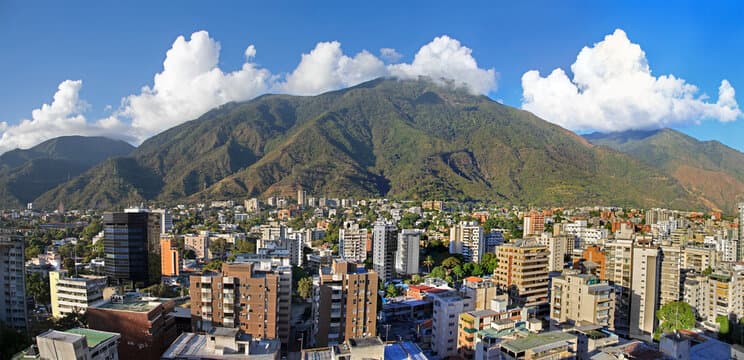
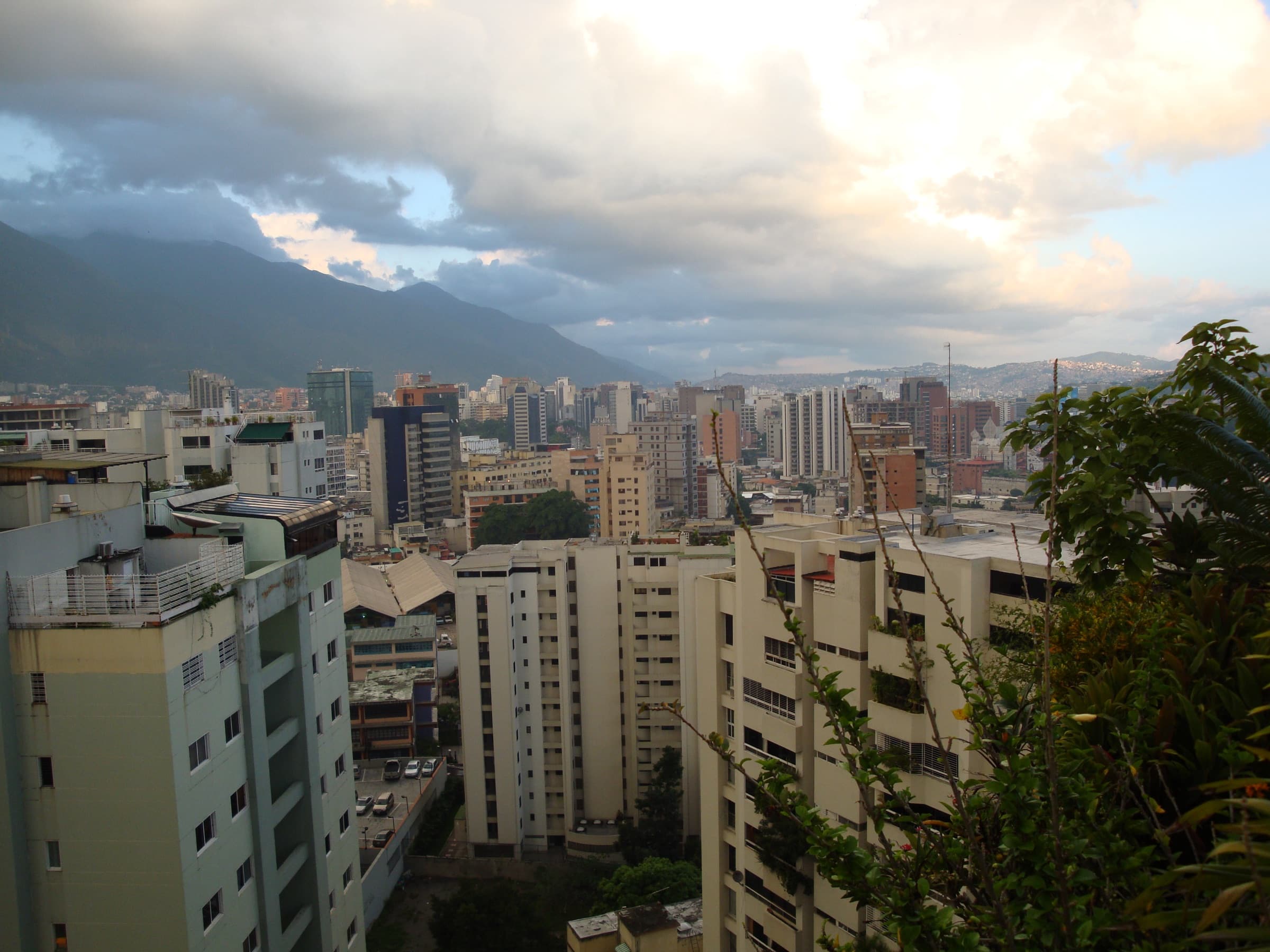
Caracas divides opinions sharply. Critics point to its density, its noise, its traffic. People who know it point to El Ávila — the green massif that forms the city's northern wall, its Caracas-facing summits and ridgeline viewpoints rising to around 2,100–2,200 metres (its overall high point, Pico Naiguatá, reaches 2,765 metres), visible from almost any rooftop and reachable on foot in about two hours — and to the quality of a restaurant scene that has been forced, by adversity, to become genuinely creative. The city sits in a narrow east-west valley at around 900 metres, which gives it a permanent mild climate quite unlike the tropical heat of the coast. The neighbourhoods that matter most for visitors are concentrated in the eastern half: Altamira, Las Mercedes, Chacao, and El Hatillo (a colonial town on the southern periphery). The art scene is serious. The Museo de Arte Contemporáneo de Caracas, the Museo de Bellas Artes, and the Galería de Arte Nacional are all within walking distance of each other in the Parque Los Caobos complex — a remarkable concentration of Venezuelan and international work.
Top highlights
Next step
Once you know your base and access model, build the Caracas itinerary around transfer windows, operator quality, and where you will actually sleep.
0 listings
Explore another category or browse nearby destinations.
Browse destinations