
Caracas, Venezuela: The Complete Travel Guide
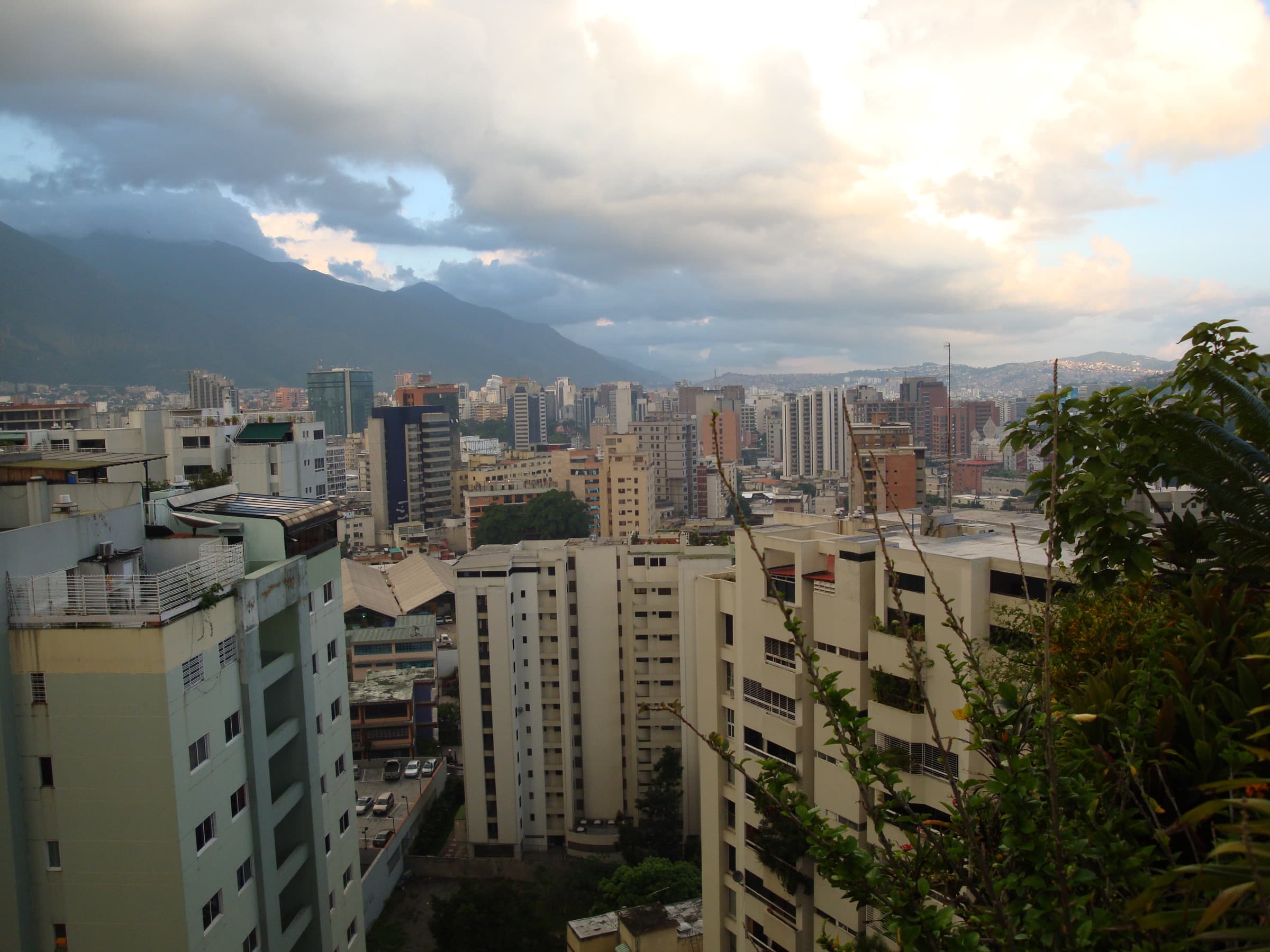
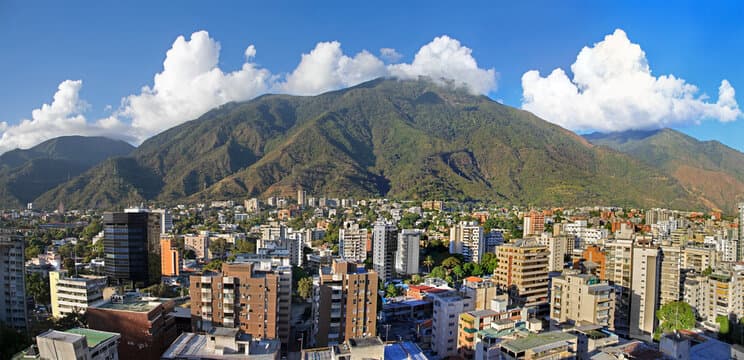
Caracas sits in a narrow valley at 900 metres above sea level, hemmed in on the north by the massive green wall of El Avila — known formally as Waraira Repano — whose high point, Pico Naiguata, reaches 2,765 metres (the Caracas-facing summits and ridgeline viewpoints sit lower, around 2,100-2,200 metres) and which separates the city from the Caribbean coast. To the south, west, and east, the valley sprawls outward into a metropolitan area of roughly three million people, stacked up hillsides, threaded with elevated highways, and layered with the kind of contradictions that make Latin American capitals either fascinating or exhausting, depending on your tolerance for complexity.
This is not a postcard city. Caracas does not seduce you slowly with colonial architecture and cobblestone squares. It hits you with noise, traffic, concrete, heat, and an energy that is difficult to describe until you have felt it. The skyline is a collision of 1950s modernist towers, Brutalist university buildings (a UNESCO World Heritage Site, no less), unfinished construction, and hillside barrios that climb impossible gradients. The city moves fast, talks loud, and eats extraordinarily well.
That last part matters. Caracas has, without qualification, the best restaurant scene in Venezuela. The concentration of talent, ingredients, and competition here has produced a dining culture that ranges from world-class tasting menus in Las Mercedes to the best empanadas you will eat in your life from a street cart in Chacao. If you eat only arepas and pabellon during your time in Venezuela, that is a fine trip. But if you eat in Caracas — really eat, across the full spectrum — you will understand what Venezuelan food is capable of when ambition and tradition collide.
We maintain a deep, diverse collection of curated Caracas listings — one of the broadest category mixes on the platform, spanning stays, dining, tours, experiences, and services, many with photos so you can preview places before you book. This guide will help you decide whether to spend one day or three — and how to fill them.
Quick Facts
| Detail | Info |
|---|---|
| Elevation | 900 m (2,953 ft) above sea level |
| Climate | 19-28°C year-round, warmest Dec-Mar |
| Best time to visit | Year-round; Dec-Apr slightly less rain |
| Getting there | Simon Bolivar International Airport (CCS/Maiquetia), 30-60 min from city center — but see the live-status note below: CCS has been closed to commercial flights since ~June 25, 2026 |
| Typical daily budget | $50-150 USD/day |
| Language | Spanish (some English in upscale areas and tourism operations) |
| Currency | USD widely accepted; bolivares for small purchases and street vendors |
| Time zone | UTC-4 (Venezuela Standard Time) |
| Population | ~3 million (metro area) |
Live status (2026 — verify before booking): Following the June 24, 2026 earthquakes (M7.2/M7.5), Caracas's international airport at Maiquetía (CCS) has been closed to commercial traffic since around June 25, 2026 — a cracked runway and damaged tower and terminal. International carriers (Iberia, Air Europa) have been rerouting to Valencia (VLN), the de-facto interim gateway during the closure. No reopening date is confirmed. The arrival, transfer, and itinerary details below assume a normal CCS arrival — until Maiquetía reopens, confirm the current airport and routing with your airline and build in a Valencia (VLN) contingency.
Why Visit Caracas (Even If You Are Just Transiting)
Almost every traveler entering Venezuela passes through Caracas. The international airport is here. The domestic flights depart from here. The buses to everywhere else leave from here. The temptation is to treat it as a transit point — get in, sleep, get out. That is a mistake, and here is why:
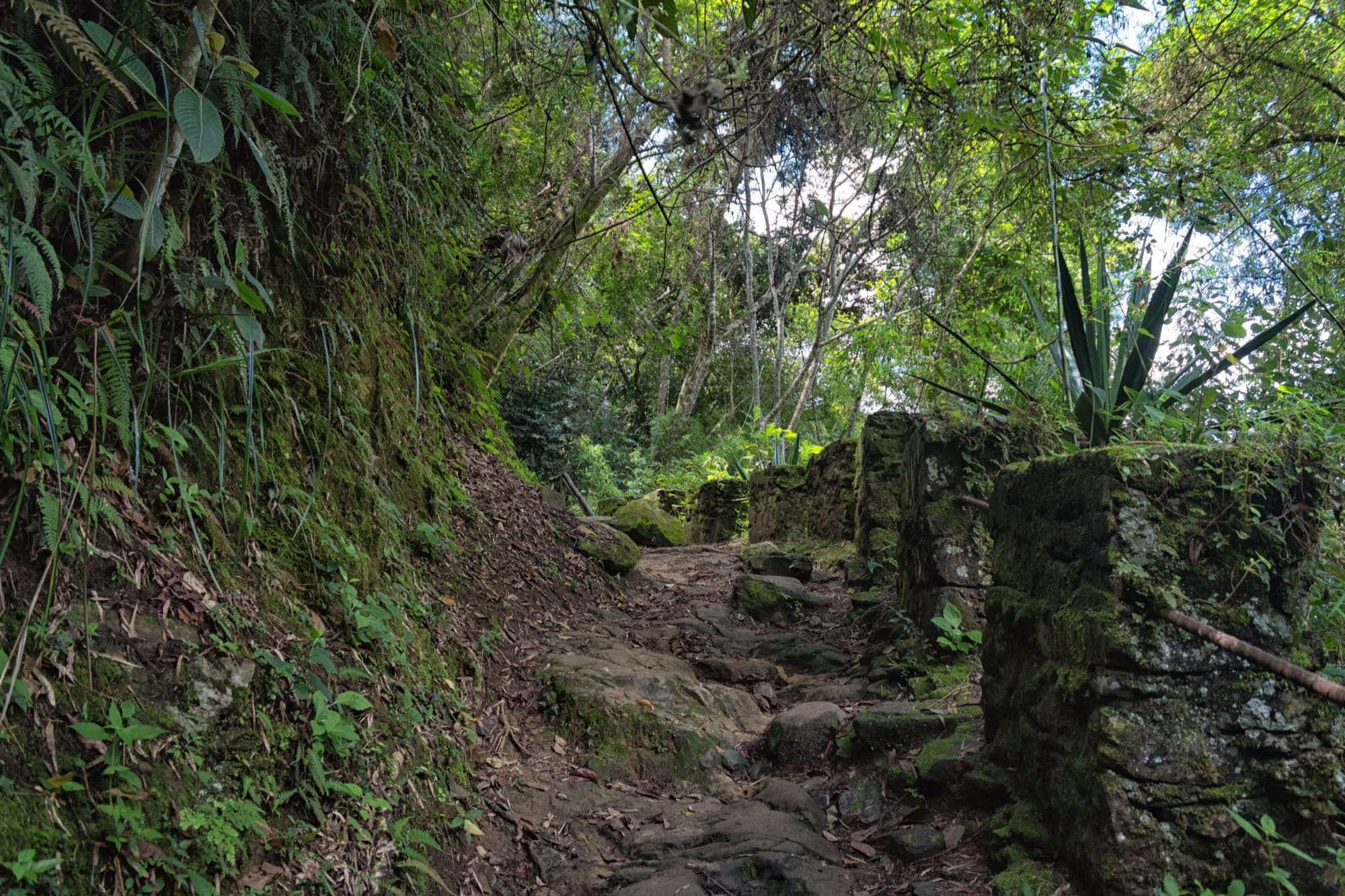
The mountain is right there. El Avila (Waraira Repano) is not some day-trip excursion that requires planning. It is literally the northern wall of the city. You can leave a cafe in Altamira, walk to a trailhead, and be in cloud forest within 45 minutes. The summit offers views of both Caracas to the south and the Caribbean coast to the north. There is no other capital city in South America where you can go from urban center to 2,700-metre wilderness this quickly.
The food scene has no equal in Venezuela. Merida has its trout and mountain cuisine. Margarita has its seafood. But Caracas has everything — every regional cuisine, every price point, every level of ambition. The chef-driven restaurants in Las Mercedes and Altamira are experimenting with Venezuelan ingredients at a level that would earn recognition in any major food city. And the street food — cachapas in Chacao, empanadas near Sabana Grande, tequenos at every bakery — is so good and so cheap that skipping it borders on self-sabotage.
The culture runs deep. Teatro Teresa Carreno is one of the largest performing arts centers in South America. The Museo de Arte Contemporaneo de Caracas (MACSI) and the Museo de Bellas Artes hold collections that would anchor a cultural district in any city. The Galeria de Arte Nacional houses the most comprehensive collection of Venezuelan art in existence. And the street-level culture — murals, live music in Las Mercedes on a Saturday night, the energy of Sabana Grande boulevard — gives you something that no beach or mountain town can: the full pulse of Venezuelan urban life.
Top Things to Do in Caracas
1. Hike El Avila (Waraira Repano National Park)
The defining feature of Caracas. The mountain rises directly behind the city, visible from almost everywhere, and it is accessible from multiple trailheads along the northern edge of the valley.
Sabas Nieves trail — The most popular route, accessed from Altamira. Moderate difficulty, 1.5-2.5 hours to the top depending on pace. The trail is well-maintained and busy on weekends. Views of the city from the ridgeline are spectacular, especially in the late afternoon light.
Loma del Viento — A slightly less crowded option with good summit views. Access from the Galipan road area. Moderate difficulty.
Pico Naiguata — The highest point of El Avila at 2,765 metres. This is a full-day commitment (6-8 hours round trip) and requires genuine fitness and early departure. The trail passes through cloud forest and paramo-like terrain near the summit. Bring layers — the temperature drops significantly.
Galipan — A small agricultural community perched on El Avila's slopes, reachable by jeep from Cotiza or on foot. Known for flower cultivation, strawberries and cream, and views that look north toward the coast. Weekends bring food vendors and a festive atmosphere. A jeep ride up and a walk back down is the classic Galipan experience.
Practical note: Start hikes early. Mornings are cooler and the afternoon cloud buildup can obscure views. Carry water — the trails are exposed in sections. On weekends the main trails are well-populated, which is both a safety advantage and a crowd reality.
2. Explore the Museums
Caracas has Venezuela's strongest museum concentration, and most are clustered in the Parque Central and Bellas Artes area near the metro station of the same name.
Museo de Arte Contemporaneo de Caracas (MACSI) — Originally known as the Sofia Imber collection, this is the premier contemporary art museum in the country. The permanent collection includes works by Picasso, Chagall, Miro, and leading Venezuelan artists like Jesus Soto and Carlos Cruz-Diez. The kinetic art holdings — a movement Venezuela helped define — are exceptional.
Museo de Bellas Artes — Adjacent to MACSI, focused on European and Latin American fine arts. The neoclassical building itself is part of the experience.
Galeria de Arte Nacional — The definitive collection of Venezuelan art from colonial period to contemporary. Free entry. A serious visit takes 2-3 hours.
Museo de Ciencias Naturales — Across the plaza, worth a visit for its collection on Venezuelan biodiversity, including specimens from the tepui ecosystems.
Teatro Teresa Carreno — Even if you do not attend a performance, the building is worth seeing. This Brutalist performing arts complex is one of the largest in Latin America. Check the schedule for concerts by the Simon Bolivar Symphony Orchestra, a product of Venezuela's renowned El Sistema music education program.
3. Walk Sabana Grande Boulevard
This pedestrian boulevard running through the heart of Caracas is the city's most democratic public space. Vendors, booksellers, street performers, cafes, and an unfiltered cross-section of Caracas life. Walk it end-to-end (about 15 minutes without stopping, but you will stop) for a direct injection of urban energy. The area around Boulevard de Sabana Grande is also a good hunting ground for street food — empanadas, tequenos, jugos naturales.
4. Spend an Afternoon in El Hatillo
This colonial-era town on the southeastern edge of the metro area feels like it belongs to a different country. Cobblestone streets, painted facades, a central plaza with a church, art galleries, craft shops, and some of the best restaurants in the wider Caracas area. El Hatillo managed to preserve its colonial core while the city grew around it, and the result is a village atmosphere 30 minutes from downtown.
The Sunday morning vibe is particularly good — families, live music in the plaza, fresh juice vendors. Several restaurants here specialize in Venezuelan cuisine done with more care and creativity than the price suggests.
5. Eat Through Las Mercedes
Las Mercedes is Caracas's dining district. Concentrated in a walkable grid of streets, you will find sushi bars next to areperas next to Italian trattorias next to Venezuelan tasting-menu restaurants. The neighborhood is busy from Thursday through Saturday night, when the restaurants fill up and the energy spills onto the sidewalks.
This is not a place to plan a single meal. This is a neighborhood to wander through, looking at menus, following your instinct, and accepting that whatever you choose will be good and whatever you did not choose will also be good. More detail in the dining section below.
6. Visit the Ciudad Universitaria
The campus of the Universidad Central de Venezuela is a UNESCO World Heritage Site and one of the most important examples of modernist architecture in Latin America. Designed by Carlos Raul Villanueva in the 1940s-50s, the campus integrates architecture with works by Alexander Calder, Fernand Leger, Jean Arp, and other major 20th-century artists.
The Aula Magna — the university's main auditorium — features floating acoustic clouds designed by Calder. The covered walkways, plazas, and integration of art with functional architecture make the campus feel like a living museum. Entry is free. Allow 1-2 hours to walk the main campus.
7. Browse the Markets
Mercado de Chacao — The most visitor-friendly market in Caracas. Clean, organized, and packed with vendors selling fresh produce, meats, cheeses, prepared foods, and Venezuelan pantry staples. The lunch counters here serve some of the best cheap food in the city. This is where you eat a $3 lunch that outperforms a $30 dinner elsewhere.
Mercado de Quinta Crespo — Larger and more chaotic than Chacao. This is where Caracas does its serious grocery shopping. Less polished, more authentic, and the produce section gives you a visceral sense of Venezuelan agricultural diversity. Go in the morning when the energy peaks.
8. Catch the Nightlife
Caracas has the most active nightlife in Venezuela, concentrated in Las Mercedes, Altamira, and the broader Chacao municipality. The scene ranges from cocktail bars with serious drink programs to live-music venues to clubs that do not get going until midnight.
Thursday through Saturday is prime time. Las Mercedes fills up first, usually around 9pm. The cocktail bars in Altamira — several of which would hold their own in Mexico City or Bogota — are worth seeking out. Live salsa and Latin music venues operate throughout the city, though specific locations shift; ask your hotel or check local Instagram accounts for current listings.
Important: Nightlife in Caracas requires the same practical awareness as everything else. Stick to known areas. Use ride-hailing apps for transport. Do not walk long distances between venues late at night.
9. Take a Day Trip to the Coast
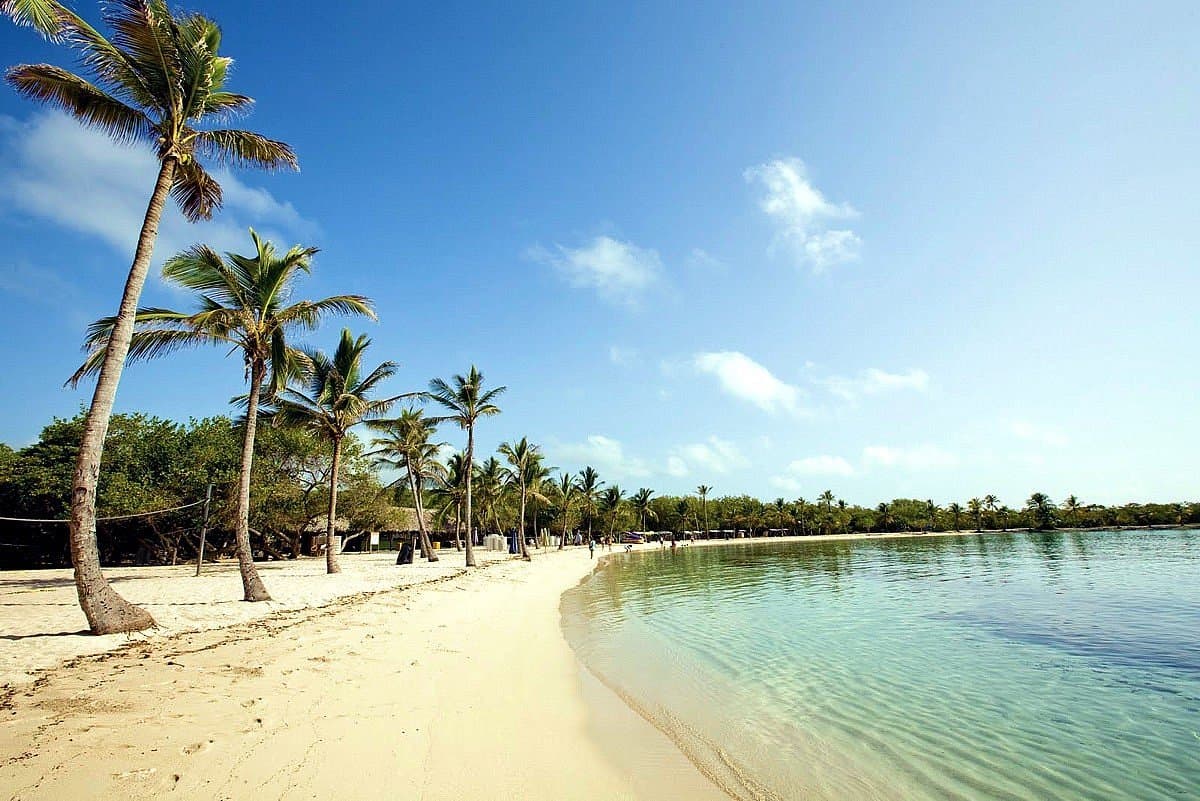
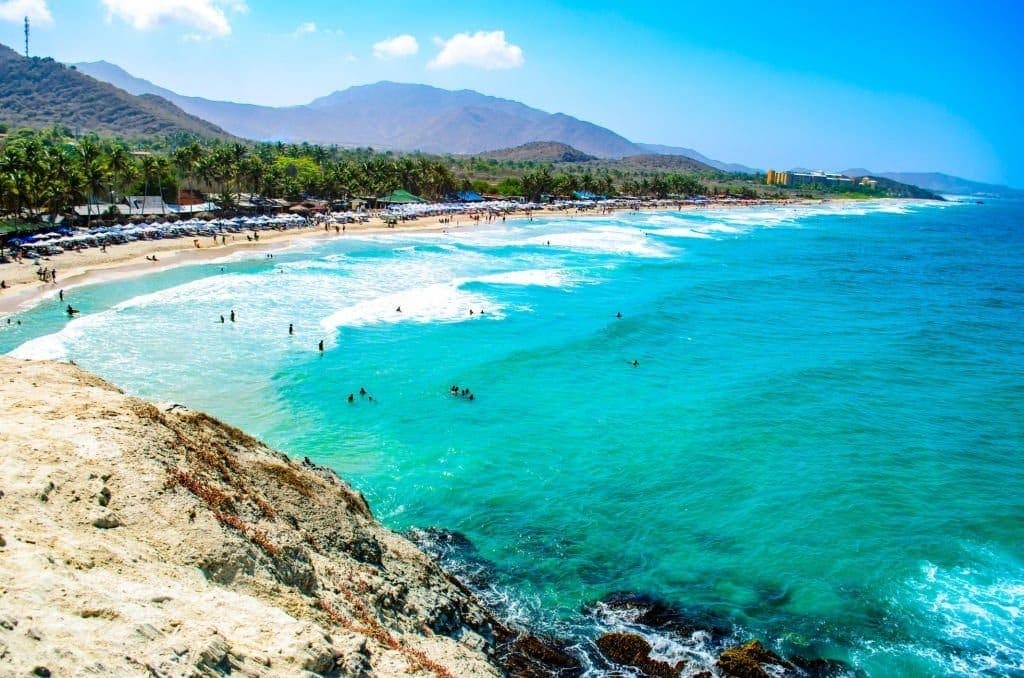
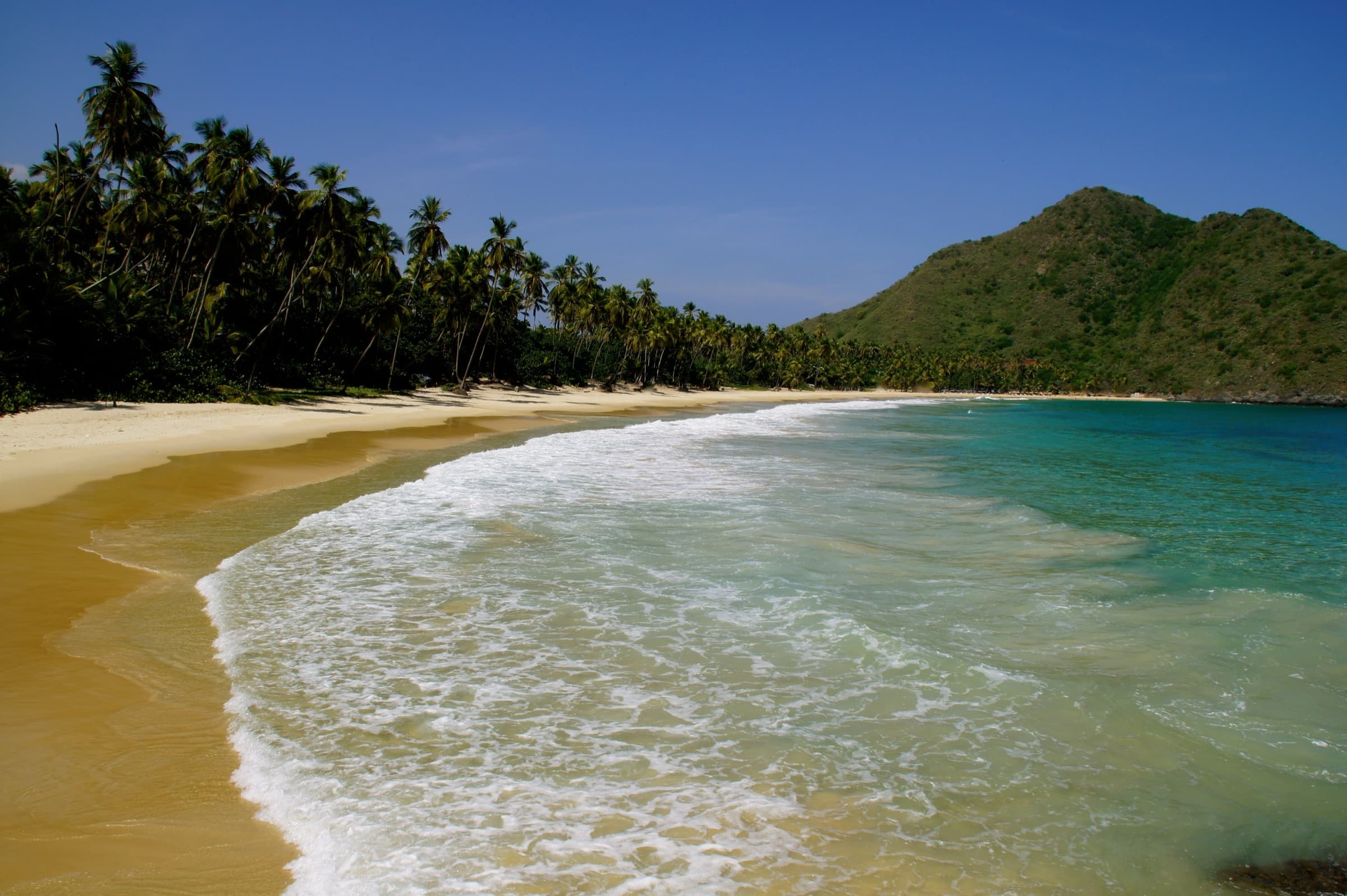
The Caribbean coast is on the other side of El Avila, accessible via highway through the mountain. The beaches at Naiguata, Los Caracas, and the Litoral Central are reachable in 45-90 minutes from the city, traffic dependent. Weekend traffic can be brutal — if you go, leave early.
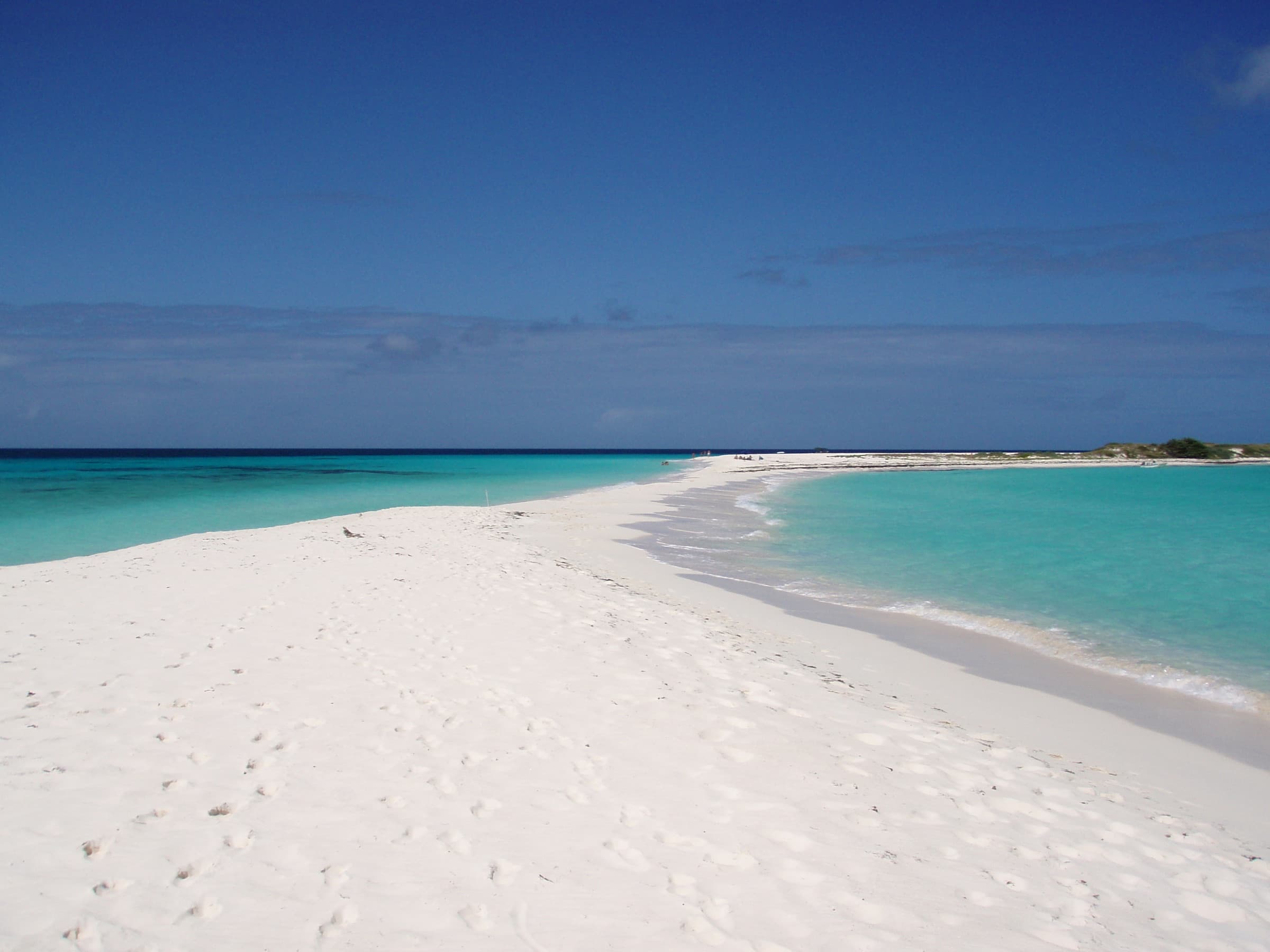
The beaches themselves are not the turquoise-water, white-sand cays of Los Roques. They are darker sand, rougher surf, and crowded on weekends. But the seafood vendors on the beach, the cold Polar beers, and the Venezuelan beach culture make it worth experiencing once. For a proper beach trip, consider a short flight to Los Roques instead.
10. Explore the Street Art
Caracas has a growing street art scene, particularly in neighborhoods like Chacao, Bello Monte, and along the corridors near the metro stations. Large-scale murals address politics, identity, and Venezuelan culture with a directness that gallery art rarely matches. There is no official walking tour (yet), but a walk through Chacao and the area around Plaza Altamira will surface plenty of murals worth photographing.
11. Visit Parque del Este (Parque Generalissimo Francisco de Miranda)
The largest urban park in Caracas and the city's green lung. Designed by Brazilian landscape architect Roberto Burle Marx, the park includes a small zoo, a planetarium, a lake with paddle boats, and running paths shaded by massive tropical trees. Weekend mornings bring runners, families, and yoga classes. It is the closest thing Caracas has to a Central Park experience — a place where the city exhales.
Where to Stay in Caracas
Caracas accommodation ranges from budget guesthouses to international-standard hotels, concentrated in the eastern municipalities that most visitors use as their base. We maintain a large collection of listings in Caracas, one of the deepest of any region on the platform.
By Neighborhood
Altamira — The most recommended base for visitors. Safe, walkable, well-connected by metro, and close to restaurants, cafes, and El Avila trailheads. Plaza Altamira anchors the neighborhood and is a reliable orientation point. Mid-range to upscale accommodation. $40-120/night.
Las Mercedes — If dining is your priority, stay here. You can walk to dozens of restaurants and return to your hotel without needing transport. The neighborhood is commercial during the day and social at night. Mid-range to upscale. $50-130/night.
Chacao — The commercial heart of eastern Caracas. Busy, well-serviced, excellent metro access. More business-oriented than Altamira but perfectly functional as a tourist base. Good for budget-to-mid-range options. $30-90/night.
El Hatillo — Quieter, more residential, with the colonial village atmosphere. Better if you have a car or do not mind ride-hailing to get around. Several boutique stays here offer something different from the urban hotel experience. $35-80/night.
Near the airport (Maiquetia/Catia La Mar) — Only if you have an early flight or late arrival. The coast area near the airport has limited dining and nightlife. Do not base yourself here unless logistics demand it.
Booking tip: Venezuelan holiday periods (December school break, Carnival, Semana Santa) fill up the better properties. Book ahead during these windows. The rest of the year, availability is rarely an issue.
Browse all Caracas listings on VAV to compare options, check photos, and verify availability.
Where to Eat in Caracas
This is the section that matters most. Caracas is where Venezuelan food reaches its ceiling — and that ceiling is higher than most people expect.
The Street-Level Essentials
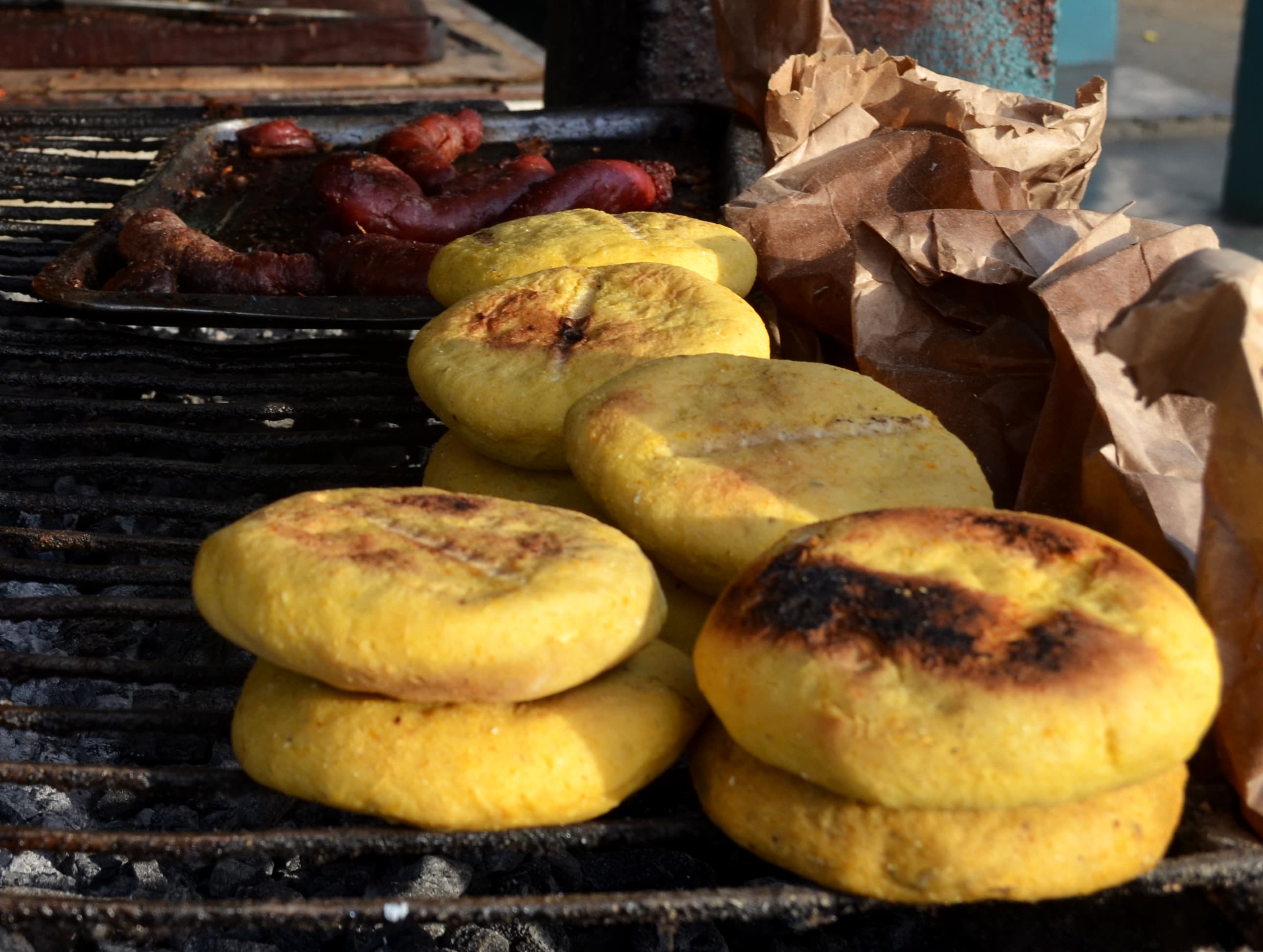
Arepas — Every neighborhood has its arepera, but the ones in Chacao and near Sabana Grande have earned reputations that extend across the city. An arepa reina pepiada (chicken, avocado, mayo) or domino (black beans, white cheese) costs $1-3 and constitutes a complete meal. The best areperas have a line at lunchtime. The line is the quality signal.
Cachapas — Sweet corn pancakes folded around queso de mano (fresh hand-pulled cheese). The cachaperas clustered in eastern Caracas — some of them just a plancha on a sidewalk — produce something that is simultaneously simple and devastating. The corn should be sweet, the cheese should be melting, and the whole thing should be slightly too large to eat gracefully.
Empanadas — Fried corn-flour pockets filled with cheese, shredded beef, cazón (shark), or caraotas (black beans). The best empanadas in Caracas come from places that fry them to order in front of you. If the oil is not hot and the empanada is not golden and slightly blistered, keep walking.
Tequenos — Fried cheese sticks wrapped in dough. Venezuela's national snack. Available at every bakery, every party, and every food cart. The ones at Caracas panaderieas (bakeries) are fresh from the fryer and gone in seconds. Do not try to eat just one.
Jugos naturales — Fresh-squeezed juices in flavors you may not have encountered: guanabana (soursop), parchita (passion fruit), lechosa (papaya), guayaba (guava). Available at juice bars and street carts for $1-2. The parchita juice alone justifies the trip.
The Restaurant Scene
Las Mercedes — Ground Zero
The highest concentration of serious restaurants in Venezuela occupies a grid of perhaps ten blocks. The range is staggering:
- Venezuelan-forward restaurants reimagining traditional ingredients with modern technique
- Japanese-Peruvian fusion (the Nikkei influence is strong)
- Italian restaurants run by Venezuelan-Italian families who have been cooking here for decades
- Steak houses serving Venezuelan beef that would compete in Buenos Aires
- Sushi bars that rival Lima's
A meal at a high-end Las Mercedes restaurant runs $30-70 per person with drinks. A solid mid-range meal is $15-25. The quality floor is high — even the average restaurants here are above average.
Altamira
More casual than Las Mercedes but no less interesting. The cafes around Plaza Altamira serve good breakfasts and the side streets hold smaller restaurants with lower prices and equal ambition. The brunch scene here — a relatively recent development — is genuinely good.
El Hatillo
The colonial village setting adds atmosphere to meals that are already good. Several restaurants here focus on traditional Venezuelan cuisine with better ingredients and more care than the urban fast-casual versions. Weekend lunch in El Hatillo, followed by a walk through the village, is one of Caracas's best low-key experiences.
Chacao / Mercado de Chacao
For the best value in Caracas, eat lunch at the Mercado de Chacao food stalls. Full plates of the daily menu — protein, rice, beans, plantain, salad — for $3-5. The quality is homestyle, the portions are generous, and the atmosphere is pure Caracas working-class rhythm.
What to Drink
Coffee — Venezuela grows excellent coffee and Caracas has a growing specialty-coffee scene. The traditional marron (espresso with milk) at any bakery is strong and good. The newer specialty cafes in Altamira and Las Mercedes roast Venezuelan beans with the same care applied to Colombian or Ethiopian single-origins elsewhere.
Rum — Venezuelan rum (Ron Diplomatico, Ron Santa Teresa, Ron Cacique) is world-class. Order it neat or in a rum old fashioned at the cocktail bars in Las Mercedes. Diplomatico Reserva Exclusiva is the export star, but ask the bartender what they are pouring locally — you may discover something better.
Beer — Polar is the default. Available everywhere, served cold, and exactly what you want after an El Avila hike. Solera is the slightly more premium option. Craft beer is emerging in Caracas but has not yet reached critical mass.
Getting Around Caracas
Metro
The Caracas Metro is the fastest and cheapest way to move between major areas, and Lines 1 and 3 cover the east-west corridor that matters most to visitors: Altamira, Chacao, Sabana Grande, Bellas Artes, and Parque Central are all metro-accessible. The system runs from roughly 5:30am to 11pm.
That said, current US State Department and embassy guidance advises visitors against using the Metro and city buses altogether, citing frequent robberies and pickpocketing on both. Advice for foreign travelers has converged on radio-dispatched ride-hailing apps (Yummy, Ridery) instead. If you do ride the Metro despite this, treat it as a heightened-risk environment: travel in daylight, avoid rush hours (7-9am, 5-7pm) when crowding makes theft easier, carry nothing you cannot afford to lose, and keep phones and valuables out of sight. For most visitors, the safer default is to skip the Metro entirely and use a ride-hailing app.
Ride-Hailing Apps
This is how you should move around Caracas when the metro does not serve your route or when traveling at night. Multiple ride-hailing apps operate in Caracas. Fares are low by international standards — $3-8 for most in-city trips. Always confirm the driver and plate number before getting in.
Do not hail street taxis. Use apps exclusively. This is non-negotiable safety advice for Caracas.
Driving
Unless you have specific reasons and local knowledge, do not rent a car in Caracas. Traffic is aggressive, navigation is confusing, parking is difficult, and you do not need the stress. Ride-hailing and metro cover everything a visitor needs.
Airport Transfer
Simon Bolivar International Airport (CCS) at Maiquetia is 25-40 kilometres from eastern Caracas, depending on your destination. The drive takes 30-60 minutes without traffic; during rush hours or holiday weekends, it can stretch to 90 minutes or more. The highway passes through a tunnel beneath El Avila.
Live-status caveat (2026): As noted at the top of this guide, Maiquetia (CCS) has been closed to commercial traffic since around June 25, 2026 following the June 24 earthquakes, with carriers rerouting to Valencia (VLN). If you land at VLN instead, budget for a longer ground transfer to Caracas (roughly 2-3 hours) and arrange it in advance through your hotel. Confirm your actual arrival airport with your airline before you travel; the transfer options below apply once you reach the Caracas end.
Options:
- Pre-arranged transfer through your hotel — The safest and most reliable option. Arrange before arrival. Expect $30-60 depending on vehicle type.
- Ride-hailing app — Works, but cell signal at the airport can be inconsistent. Have your app loaded and ready before landing.
- Airport taxi counter — Official airport taxis operate from a counter in the arrivals hall. More expensive than ride-hailing but immediately available. Confirm the price before departing.
Do not accept rides from people soliciting in the arrivals hall. Use only official channels.
Safety and Practical Tips
Caracas carries a safety reputation that precedes it, and honesty requires acknowledging both the reality and the nuance. The city has genuine security challenges. It also has neighborhoods where millions of people live, work, eat, and enjoy themselves every day without incident. The difference between a safe Caracas experience and a problematic one almost always comes down to awareness and decision-making.
Neighborhood-Level Guidance
Safe for visitors (with standard awareness):
- Altamira — Well-patrolled, busy, good infrastructure. The de facto tourist district.
- Las Mercedes — Safe during the day and into the evening, particularly when restaurants are active.
- Chacao — Commercial district, busy during business hours. Standard urban caution at night.
- El Hatillo — Quiet, village atmosphere. Safe day and night.
- Parque del Este area — Safe during park hours, well-populated.
Exercise increased caution:
- Sabana Grande — Fine during the day when the boulevard is active. Less advisable late at night.
- Parque Central / Bellas Artes — Visit during the day for museums. The area is less comfortable after dark.
Avoid unless with local guidance:
- Western Caracas, El Centro (historical center), and hillside barrio areas are not visitor-friendly zones. They contain important history and culture, but navigating them safely requires local knowledge and, ideally, a local companion.
Practical Rules
1. Use ride-hailing apps for all taxi transport. No exceptions. Do not flag down street cabs.
2. Do not display expensive electronics on the street. Use your phone when you need to, but do not walk with it out continuously. Same applies to cameras, jewelry, and watches.
3. Carry only what you need. Leave your passport at the hotel (carry a photocopy). Carry a reasonable amount of cash, not your entire trip budget.
4. Stay in known neighborhoods after dark. Las Mercedes and Altamira are fine in the evening when restaurants and bars are active. Empty streets at 2am are a different equation.
5. Trust your instincts. If a street feels empty or uncomfortable, turn around. Caracas rewards awareness.
6. Inform your hotel of your plans. The front desk or host can tell you which routes to take and which to avoid. Listen to them.
Health and Connectivity
- Tap water: Drink bottled water. It is cheap and everywhere.
- Medical: Private clinics in eastern Caracas (Altamira, Las Mercedes) are well-equipped. Carry basic travel insurance.
- Cell coverage: Reliable in the city. Purchase a local SIM or ensure your international plan includes Venezuela.
- WiFi: Available at most hotels and restaurants. Quality varies.
- Electricity: Occasional power fluctuations. Better properties have backup generators.
Money
- USD is widely accepted at restaurants, shops, and hotels in eastern Caracas. Carry small bills ($1, $5, $10, $20).
- Bolivares are needed for street vendors, buses, and small purchases. Exchange a small amount on arrival.
- Zelle is the most commonly used digital payment method in Venezuela — more than credit cards. Set up Zelle before your trip if your bank supports it.
- ATMs are unreliable for USD withdrawal. Bring cash.
- Credit cards are accepted at upscale restaurants and international hotels but not universally.
For up-to-date safety information and travel advisories, visit our safety page.
Sample 3-Day Caracas Itinerary
Day 1: Arrive, Orient, Eat
Arrive at Maiquetia airport (or, while CCS is closed after the June 24 earthquakes, at whichever airport your carrier is using — Valencia/VLN during the closure; verify before travel). Pre-arranged transfer to your hotel in Altamira or Las Mercedes. Settle in. Walk to Plaza Altamira to get your bearings. Lunch at Mercado de Chacao — full plate at a food stall, fresh juice, and a first taste of Caracas rhythm.
Afternoon walk through Chacao. Coffee at a specialty cafe. If energy permits, walk to Sabana Grande boulevard for the pedestrian-street experience.
Dinner in Las Mercedes. Pick a restaurant that catches your eye. Do not overthink it — the quality floor is high. After dinner, a cocktail at one of the neighborhood bars. Early night — you have a mountain to climb tomorrow.
Day 2: Mountain, Culture, Night Out
Early morning: Hike the Sabas Nieves trail up El Avila. Depart by 7am to avoid the heat. The ascent takes 1.5-2.5 hours. Views from the ridgeline. Descend and recover with a large breakfast or brunch in Altamira.
Late morning / early afternoon: Metro to Bellas Artes. Visit MACSI and the Museo de Bellas Artes. Walk through the Parque Central cultural complex. If time allows, visit the Galeria de Arte Nacional.
Afternoon: Metro to the Ciudad Universitaria. Walk the UNESCO campus. See the Aula Magna and the Calder clouds. Appreciate the Villanueva architecture.
Evening: Clean up. Dinner in Las Mercedes — go higher-end tonight. You have earned it. After dinner, explore the neighborhood nightlife. Cocktail bar, live music, or simply the energy of a Caracas Friday or Saturday night.
Day 3: El Hatillo, Markets, Departure Prep
Morning: Ride to El Hatillo. Walk the colonial streets. Coffee in the plaza. Browse the galleries and craft shops. Lunch at one of the village restaurants — traditional Venezuelan food in a setting that feels three centuries removed from the highway outside.
Afternoon: Return to the city. Visit Parque del Este for a walk through Burle Marx's landscape design. Pick up last-minute items.
If your flight is the next morning, pack early and arrange your airport transfer. If you have an extra evening, this is the night for street food — cachapas, empanadas, tequenos, a final arepa. Eat the things you will not find at this level anywhere else.
Want a custom itinerary? Our AI trip planner can build a personalized Caracas schedule based on your dates, interests, and budget — pulling from our full collection of verified listings in the city.
Connecting Onward
Caracas is the gateway to the rest of Venezuela. From here:
- Los Roques: 35-minute charter flight. Read our Los Roques guide.
- Merida: 1-hour flight or 10-12 hour bus through the Llanos. Read our Merida guide.
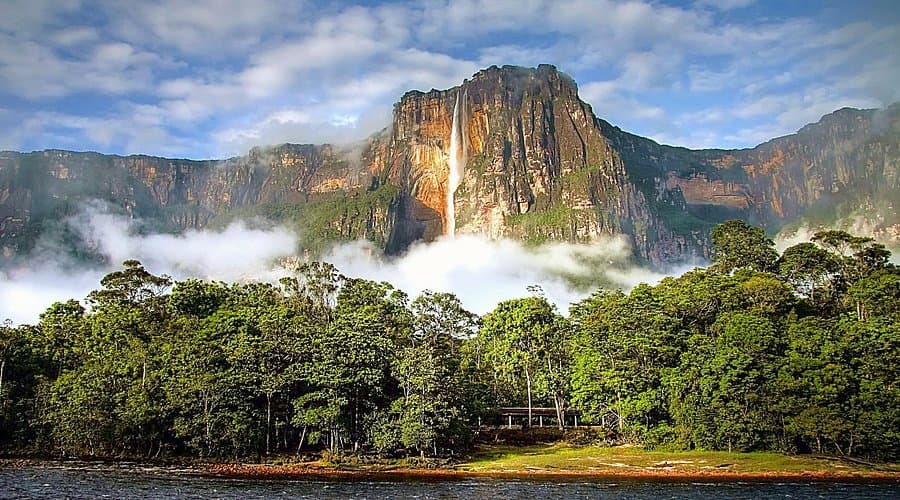
- Canaima / Angel Falls: Fly from Caracas to Canaima on scheduled CONVIASA service (Thu/Sun); the former Ciudad Bolivar and Puerto Ordaz routes are charter-only. Read our Angel Falls guide.
- Margarita Island: Short flight (45 min) or overnight ferry.
- Morrocoy / Chichiriviche: 3-4 hour drive west along the coast.
Frequently Asked Questions
Is Caracas safe for tourists?
Caracas requires more awareness than most South American capitals, but it is not the war zone that outdated headlines suggest. The neighborhoods where visitors spend their time — Altamira, Las Mercedes, Chacao, El Hatillo — are functional, busy, and manageable with basic precautions. Use ride-hailing apps instead of street taxis. Do not display expensive electronics. Stay in known areas after dark. Listen to local advice. Millions of people live here and go about their lives. You can too, with awareness. Read our detailed breakdown in the safety section above and check our safety page for current conditions.
How do I get from the airport to the city?
Note first that Maiquetia (CCS) has been closed to commercial traffic since around June 25, 2026 after the June 24 earthquakes, with carriers rerouting to Valencia (VLN) — verify your actual arrival airport with your airline before you travel (see the live-status note at the top of this guide). Assuming a normal CCS arrival: Simon Bolivar International Airport (CCS) at Maiquetia is 30-60 minutes from eastern Caracas by car. The best option is a pre-arranged transfer through your hotel — arrange it before you land. Ride-hailing apps work but cell connectivity at the airport can be spotty. Official airport taxis are available at a counter in arrivals at a fixed rate. Do not accept rides from anyone soliciting in the terminal. The highway passes through a tunnel beneath El Avila, and the drive — especially coming from the airport toward the city — gives you your first view of the Caracas valley. It is dramatic.
Should I skip Caracas and go straight to my destination?
No. Even one full day in Caracas adds significant value to a Venezuela trip. The food alone justifies the stop. El Avila is a world-class urban hike accessible in minutes. The museums are the best in the country. And understanding Caracas — its energy, its contradictions, its street-level culture — gives context to everything else you experience in Venezuela. If you transit through without stopping, you miss the capital of a complex country. Give it at least a day. Two or three days are better.
What is the best neighborhood to stay in?
Altamira for most visitors. It is safe, well-connected by metro, close to El Avila trailheads, and within reach of restaurants and nightlife. Las Mercedes if food and dining are your top priority. El Hatillo if you prefer a quieter, more village-like atmosphere and do not mind using ride-hailing to get around.
How much should I budget for Caracas?
A comfortable day in Caracas costs $50-150 USD depending on your style. Budget travelers can manage on $50/day with guesthouse accommodation, market meals, metro transport, and free attractions (hiking, parks, some museums). Mid-range travelers spending $80-120 will eat well at restaurants, stay in comfortable hotels, and cover ride-hailing without thinking about it. Upscale dining and premium hotels push toward $150+.
Is it worth hiring a local guide?
For a first visit, a local guide or a walking food tour adds genuine value — not just for navigation but for access, context, and the kind of recommendations you cannot get from a guidebook. For El Avila hikes beyond the main trails, a guide is recommended for route-finding and safety. For general city exploration in the safe neighborhoods, you can manage independently with the information in this guide and input from your hotel.
Can I use credit cards?
At upscale restaurants and international-standard hotels, yes. Everywhere else, no. Caracas runs on cash (USD) and Zelle. Bring sufficient USD in small bills and set up Zelle if your bank supports it. Do not rely on ATMs or credit cards as your primary payment method.
How far in advance should I book accommodation?
During Venezuelan holiday periods (December, Carnival, Semana Santa), book at least two weeks ahead. The rest of the year, a few days in advance is typically sufficient for mid-range properties. Premium properties in Altamira and Las Mercedes may require more notice on weekends.
---
Ready to plan your Caracas trip? Use our AI-powered trip planner to build a personalized itinerary with real-time pricing and availability from our verified Caracas listings.
Browse all Caracas listings on Vamos A Venezuela — stays, restaurants, tours, and experiences.
Written by VAV Editorial
Last updated: August 12, 2026