Merida, Venezuela: The Complete Travel Guide
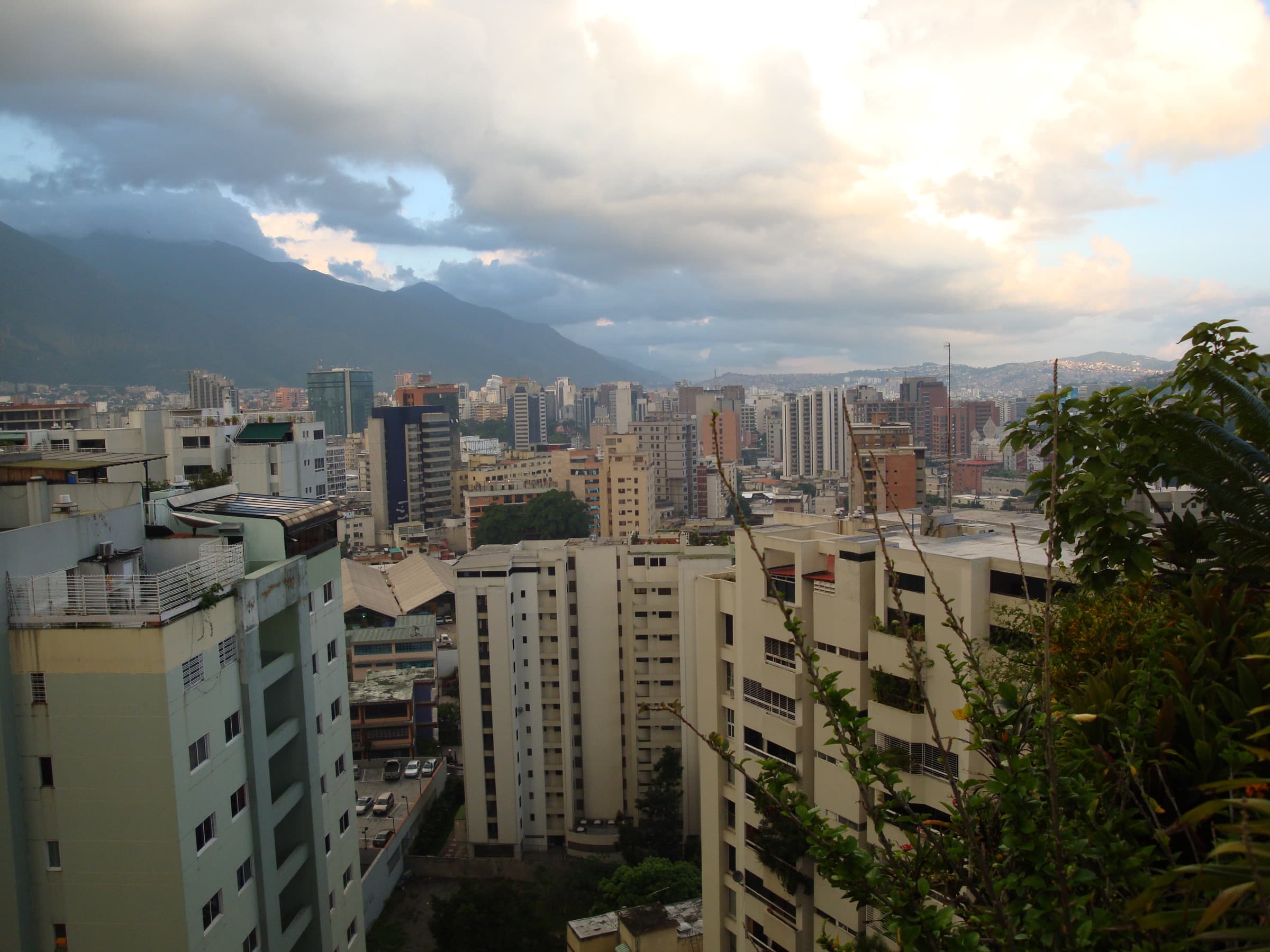
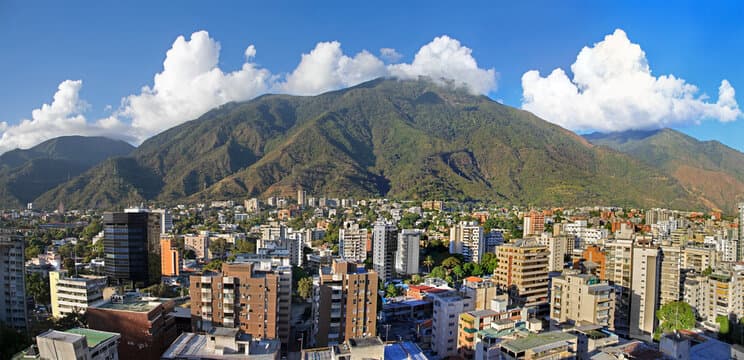
Merida occupies a narrow valley at 1,625 metres between two parallel Andean ridges — the Sierra Nevada to the south and the Sierra de La Culata to the north. The light has the clarity of altitude. The mornings are cold enough for a jacket. And the city itself runs on a particular kind of energy: part university town, part adventure-sports base camp, part colonial relic that never quite stopped being relevant.
This is not a beach destination. This is where Venezuelans go when they want mountains, fog, trout pulled from glacial streams, and the kind of physical exhaustion that comes from spending a day at altitude. If you have been imagining Venezuela as only Caribbean coastline and Caracas concrete, Merida will correct that assumption within the first hour.
The Universidad de Los Andes — founded in 1810, one of the oldest in the Americas — gives the city its intellectual heartbeat. Cheap food, late-night conversations in plazas, bookshops that stay open past midnight, and a population where almost everyone is studying something. That academic energy bleeds into everything: the food scene is sharper than a city this size deserves, the cultural calendar is packed, and the outdoor guiding industry is run by people who grew up on these trails.
We have a deep, curated collection of listings in Merida — mostly stays, with strong photo coverage and verification. This is one of the most well-documented regions on Vamos A Venezuela, and for good reason.
Quick Facts
| Detail | Info |
|---|---|
| Elevation | 1,625 m (5,331 ft) above sea level |
| Climate | 15-25°C year-round, cool nights |
| Best time to visit | December to April (dry season) |
| Getting there | Flight from Caracas (1 hr) or bus (10-12 hrs via Barinas) |
| Typical daily budget | $40-80 USD/day |
| Language | Spanish (limited English outside tourist operations) |
| Currency | USD widely accepted; bolivares for small purchases |
| Time zone | UTC-4 (Venezuela Standard Time) |
Why Visit Merida
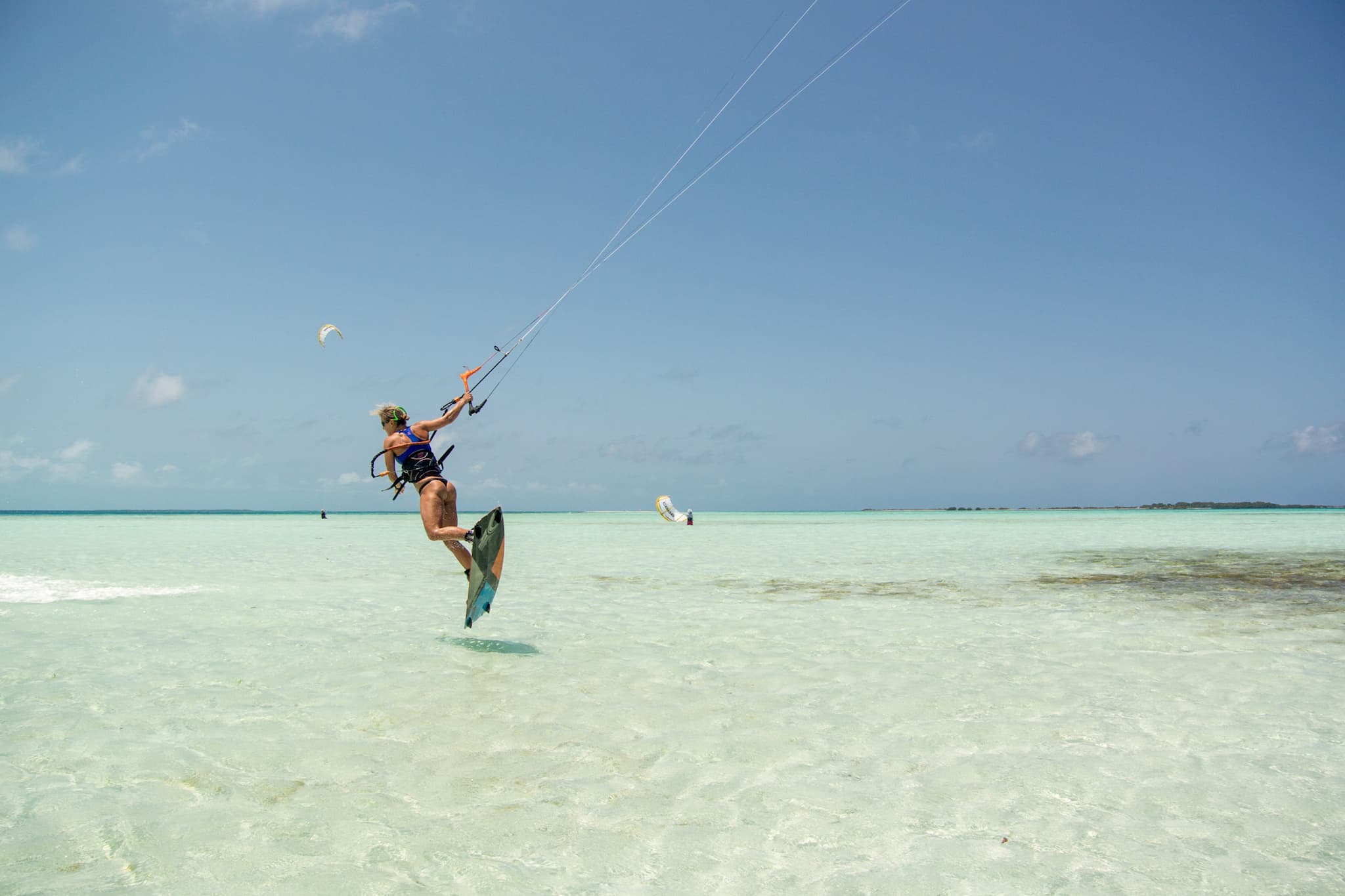
Merida does not compete with other Venezuelan destinations — it occupies a different category entirely. While Margarita and Los Roques sell sun and sand, Merida sells altitude, adrenaline, and Andean culture. Three reasons it belongs on your itinerary:
The geography is vertical. Within 90 minutes of the city center you can be standing at 4,000+ metres on a paramo ecosystem — the high-altitude grasslands unique to the northern Andes — or descending into cloud forest where orchids grow on every available surface. Pico Bolivar, Venezuela's highest point at 4,978 metres, is visible from downtown on a clear morning.
The food has its own identity. Andean Venezuelan cuisine is distinct from the rest of the country. Trout from mountain streams. Smoked cheeses aged in farmhouses above 2,500 metres. Pisca andina for breakfast — a broth with potatoes, egg, and cilantro that functions as altitude medicine. Hot chocolate made with blocks of cacao and served with a slice of fresh white cheese melting into it. This is not arepa-and-pabellon territory (though those exist too). This is its own culinary region.
The adventure infrastructure is real. Merida has been Venezuela's adventure capital for decades. The paragliding operators know the thermals. The trekking guides grew up on these trails. The mountain biking routes have been ridden and refined for years. You are not beta-testing anything here — you are tapping into a mature outdoor culture.
Top Things to Do in Merida
1. Ride the Teleferico de Merida
The Mukumbari cable car system — rebuilt and modernized — climbs from the city at 1,625 metres to Pico Espejo at 4,765 metres, making it the world's highest cable car system (and its second-longest). The ride takes about an hour each way with four stations. At the top, the air is genuinely thin. Bring a jacket — temperatures at the summit hover around 0°C even when the city below is comfortable.
The intermediate stations are worth stopping at. Loma Redonda (4,045 m) is the gateway to paramo hiking. La Aguada (3,452 m) sits in the cloud forest transition zone, where the vegetation shifts dramatically.
Practical note: Tickets should be booked in advance when possible. The system has capacity limits and popular dates sell out. Budget half a day for the full round trip.
2. Trek to Los Nevados
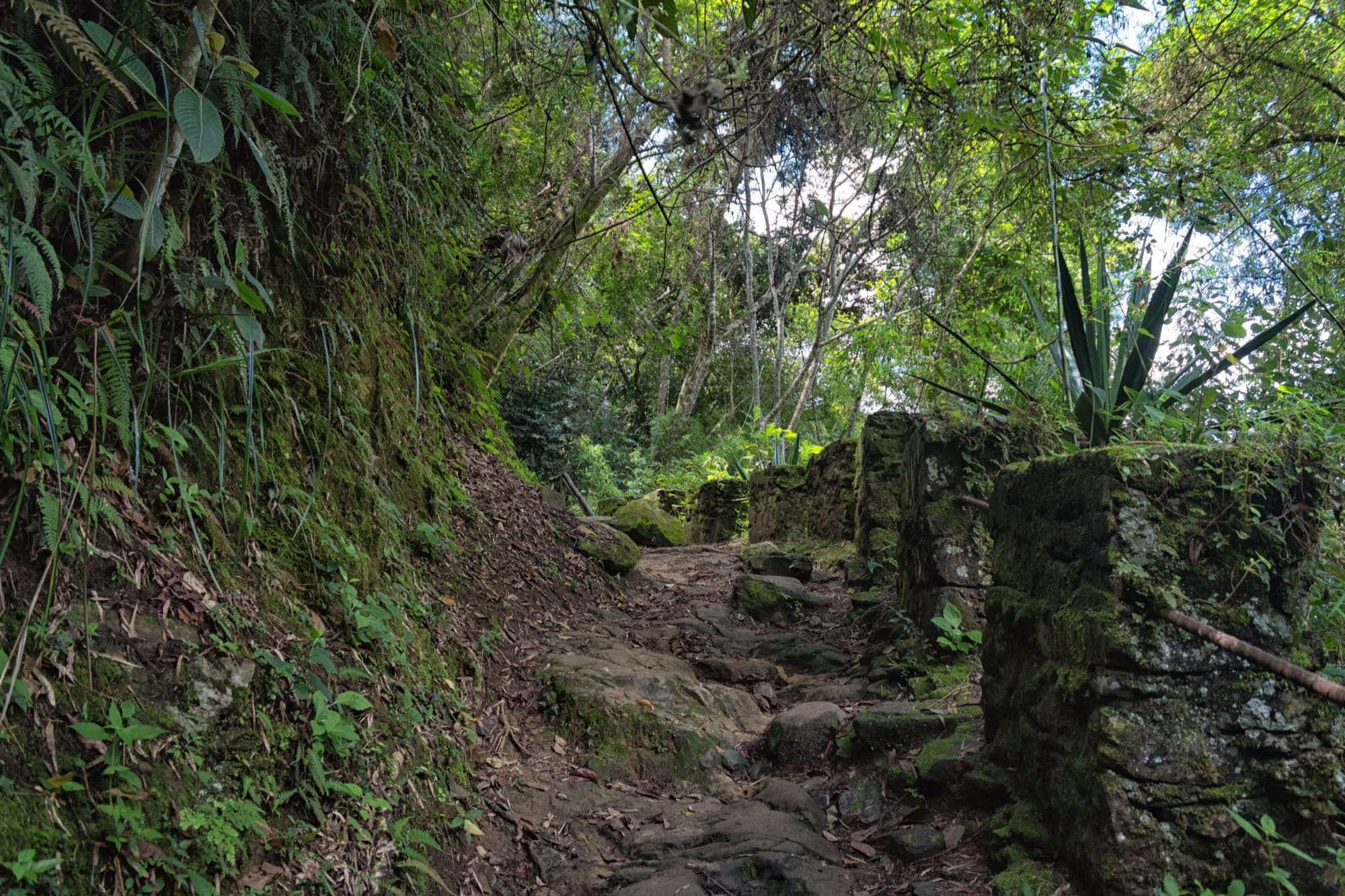
Los Nevados is a colonial village at 2,711 metres accessible only on foot or by mule — no road reaches it. The trek from the teleferico's Loma Redonda station takes 4-6 hours downhill through paramo and cloud forest, passing stone walls, scattered farmsteads, and one of the most photographed colonial churches in Venezuela.
Most trekkers hire a guide and mules for the return journey (uphill is significantly harder at altitude). The village itself has a handful of posadas, a plaza, and the kind of silence that comes from being genuinely removed from modern infrastructure. Overnight stays are recommended — the stargazing at this altitude, with zero light pollution, is extraordinary.
3. Paraglide Over the Valley
Merida's geography creates near-perfect paragliding conditions. The valley between the two sierra ranges generates consistent thermals, and launch sites at Las Gonzalez (about 30 minutes from the city) offer flights of 20-40 minutes with views of the entire Merida valley.
No experience required for tandem flights. Several operators run daily departures during dry season, weather permitting. Expect to pay $40-70 USD for a tandem flight with photos and video. This is widely considered some of the best recreational paragliding in South America.
4. Hike the Sierra Nevada and La Culata
The two national parks flanking Merida — Sierra Nevada to the south, Sierra de La Culata to the north — offer everything from half-day walks to multi-day expeditions.
Day hikes: La Mucuy trail (moderate, 4-6 hours round trip) climbs through cloud forest to Laguna La Coromoto at 3,200 metres. The Suero trail in La Culata reaches paramo grasslands within 3 hours.
Multi-day: The Pico Bolivar approach (2-3 days, guide required) crosses glacial moraines and high-altitude lakes. The Paramo de Los Conejos traverse (2 days) connects La Culata valleys through some of the most remote terrain in the Venezuelan Andes.
Important: Altitudes above 3,500 metres require acclimatization. Spend at least one full day in Merida before attempting high-altitude treks.
5. Visit Laguna de Mucubaji
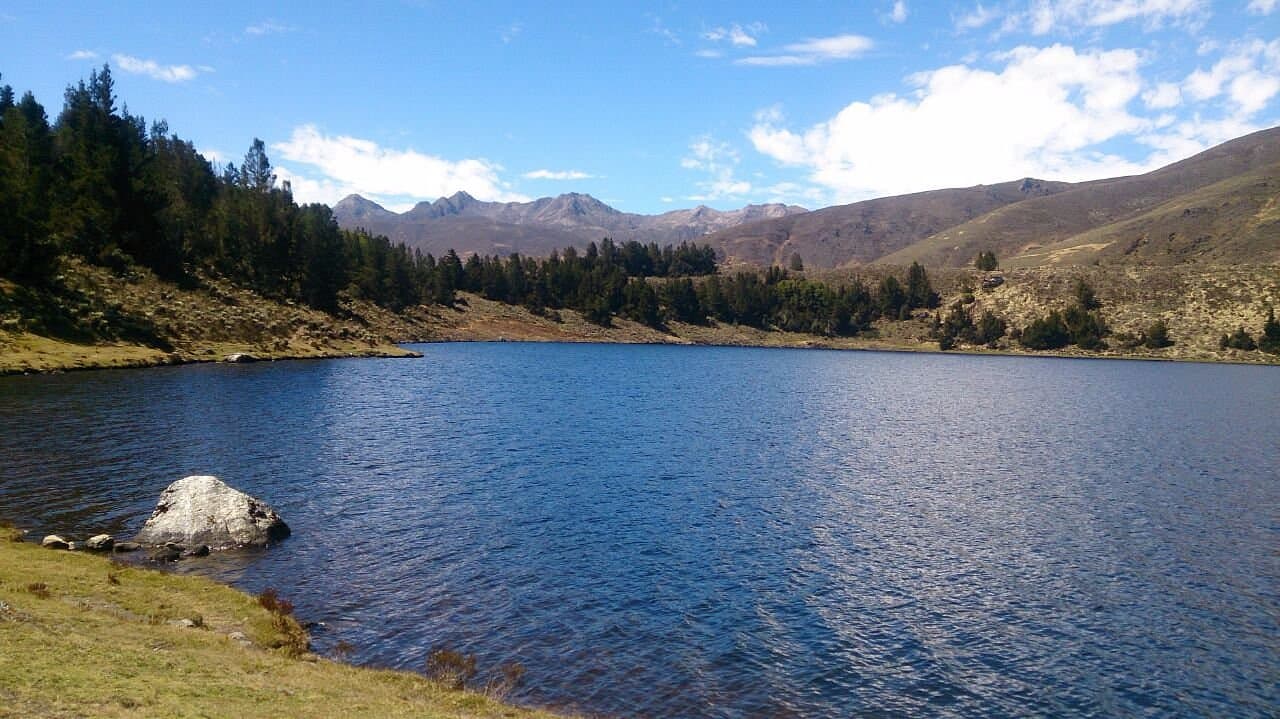
At 3,600 metres in the Santo Domingo valley (about 90 minutes by car from Merida), Mucubaji is a glacial lake surrounded by frailejones — the distinctive rosette plants that define the Andean paramo. A well-marked trail circles the lake (1.5 hours, easy), and a more ambitious route continues to Laguna Negra (2-3 hours additional, moderate).
The drive to Mucubaji through the Apartaderos pass is an attraction in itself — the road climbs through agricultural terraces, cloud forest, and into the stark beauty of the paramo. Stop at Apartaderos (3,505 m) for coffee and to adjust to the altitude.
6. Explore the Colonial Center
Merida's centro historico radiates from Plaza Bolivar, anchored by the Cathedral (one of the few in Venezuela dedicated to the Immaculate Conception) and the Palacio del Gobierno. The streets around the plaza hold bookshops, small galleries, and the kind of cafes where students argue about politics over cortaditos.
Don't miss: The Mercado Principal on Avenida Las Americas — two floors of produce, spices, fresh juices, and the best people-watching in the city. The Museo de Arte Colonial (free entry) in a restored 18th-century house. The Plaza de las Heroinas market area for handicrafts.
7. Mountain Bike the Andean Trails
Merida's vertical terrain makes it Venezuela's mountain biking capital. Operators run guided descents from high-altitude starting points (often accessed via vehicle shuttle) through cloud forest and agricultural valleys. Routes range from flowy singletrack for beginners to technical descents for experienced riders.
The classic route drops from Apartaderos (3,505 m) to Merida (1,625 m) — nearly 2,000 metres of descent over 60+ kilometres. Most operators provide bikes, helmets, and support vehicles. Budget $60-100 for a full-day guided ride.
8. Soak in the Hot Springs
The thermal baths at Las Gonzalez and Tabay (30-40 minutes from the city center) tap into geothermal activity along the Andes. Water temperatures range from warm to genuinely hot. Facilities vary from rustic natural pools to more developed bathing complexes.
Go on a weekday morning for the most peaceful experience. The combination of hot water and cool mountain air — especially in the evening — is one of Merida's underrated pleasures.
9. Visit Heladeria Coromoto
This Merida institution holds the Guinness World Record for most ice cream flavors — over 860, including smoked trout, garlic, avocado, spaghetti bolognese, and beer. Not all are available at once (the rotation keeps about 60-80 on any given day), but the experience is as much cultural as culinary.
Located near Plaza El Llano, it is almost always busy. The conventional flavors are genuinely good; the adventurous ones are worth trying for the story alone.
10. Day Trip to Jaji
Jaji is a small village about 40 minutes from Merida that was reconstructed in the 1960s as a "model colonial village" — whitewashed walls, tile roofs, flower-filled balconies, and a central plaza that looks like it was designed for photographs. The artifice is obvious but the result is charming, and the surrounding countryside is beautiful.
The road to Jaji passes through agricultural land and offers excellent views of the valley. Several restaurants along the route serve traditional Andean food. Combine with a stop at the La Azulita cloud forest road for a full day trip.
11. Canyoning in the Sierra
Merida's rivers cut deep ravines through the Andean rock, creating canyoning routes that range from introductory to genuinely challenging. Guided canyoning trips include rappelling down waterfalls, swimming through natural pools, and navigating narrow slot canyons.
The Rio Albarregas canyon (half-day, moderate) is the most accessible. More advanced routes in the Pueblo Nuevo and Acequias areas require full-day commitments and prior experience.
Where to Stay in Merida
Merida's accommodation ranges from basic student hostels to restored colonial posadas and mountain lodges above the city. We have a large collection of listings in the Merida region, one of the deepest curated collections on the platform.
In the city center: Posadas around Plaza Bolivar and the university zone put you within walking distance of restaurants, markets, and nightlife. These tend toward colonial architecture — interior courtyards, thick walls, tile floors. Expect $25-60/night for a double room.
A few specific options from our listings:
- Posada Suiza Merida — well-reviewed midrange option with mountain views
- Hotel La Terraza Merida — central location, terrace with valley panorama
- Posada Flor de Merida — family-run, good value
Mountain lodges: Several posadas sit at higher elevations above the city or along the Apartaderos road, offering cooler temperatures, better stargazing, and direct trail access. La Casona del Paramo is a standout for anyone serious about the mountain experience.
Budget: Hostels near the university area run $8-15/night for dorms. The area is safe and lively, with cheap food options on every block.
Booking tip: Dry season (December-April) is peak season, and Venezuelan holiday periods (Carnival, Semana Santa, December school break) can fill the city completely. Book at least two weeks ahead during these windows.
Browse all Merida stays on VAV to compare options and check verified availability.
Where to Eat in Merida
Merida's food scene punches well above its weight class, driven by agricultural proximity (the farms are right there, up the mountain) and a student population that demands good food at low prices.
Andean Specialties to Seek Out
Trucha andina — Rainbow trout farmed in cold mountain streams, typically grilled whole or pan-fried with garlic and served with patacones and salad. The trout here is genuinely fresh — it was swimming that morning. Available at almost every restaurant, but best at roadside places along the route to Apartaderos where the trout farms are visible from the road.
Pisca andina — A breakfast soup made with potatoes, egg (cracked directly into the broth), milk, cilantro, and sometimes cheese. This is mountain fuel, designed for mornings at altitude. Nearly every posada serves it for breakfast, and it is the right way to start a trekking day.
Dulces abrileños — Traditional sweets made from fruit, sugar, and milk: bocadillos de guayaba (guava paste blocks), arequipe (dulce de leche), cubiertos (candied fruit). Sold at shops around the Mercado Principal and at roadside stands along the Transandina highway.
Hot chocolate with cheese — This sounds wrong and tastes right. Thick, dark hot chocolate (made from blocks of raw cacao, not powder) served with a slice of fresh white cheese that you drop into the cup and let soften. The sweet-salty combination is addictive. Find it at any traditional cafe or posada breakfast.
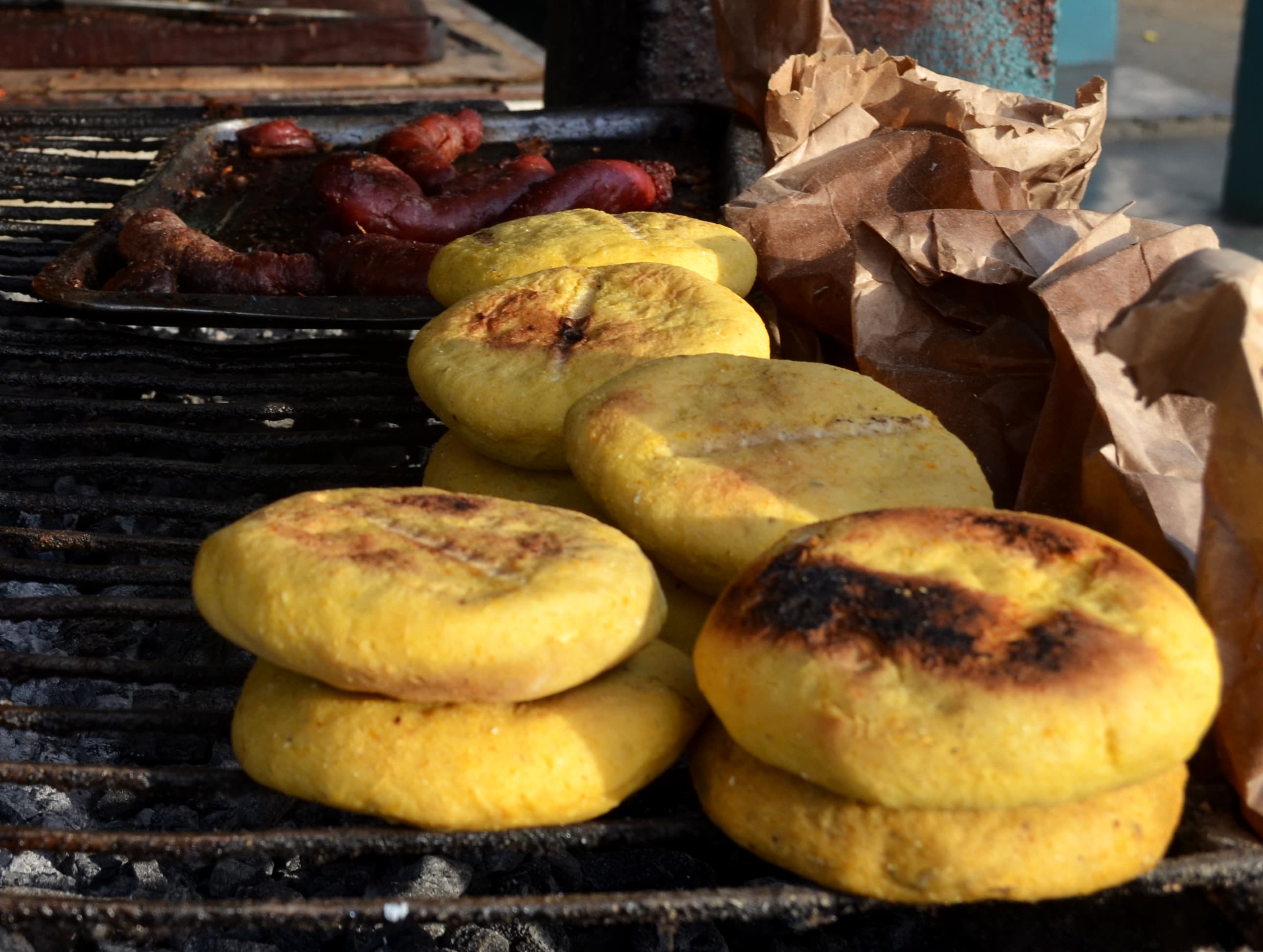
Arepas andinas — Merida's arepas tend to be made with wheat flour rather than the corn masa used in the rest of the country, giving them a denser, chewier texture. Filled with cheese, beans, or shredded beef.
Where to Eat
Mercado Principal — The ground floor food court is where Merida actually eats lunch. Comedores (small food stalls) serve full meals for $2-4. The juices are fresh-squeezed. The portions are large. Go between noon and 2pm for the full experience.
Around Plaza Bolivar — The cafes on the plaza are tourist-priced but comfortable for lingering. Better food is one or two blocks away in any direction. Follow the students.
Avenida 3 / University zone — The highest concentration of cheap, good restaurants. Look for places packed with students at lunchtime — they know where the value is.
Roadside trout restaurants — Along the road to Apartaderos, between Tabay and Mucuchies, a string of restaurants serve trout from visible ponds beside the road. The formula is simple: pick your trout, choose how it is cooked (grilled, fried, al ajillo), and eat it with arepas and salad at a table overlooking the valley.
Getting Around Merida
Within the city: Merida is walkable. The centro historico and university zone are compact enough to cover on foot. Local buses (small vans called busetas) run fixed routes for minimal cost. Taxis within the city cost $2-5.
Regional transport: The Terminal de Pasajeros has buses and por puestos (shared taxis) to surrounding towns: Tabay, Jaji, Apartaderos, Barinas. For mountain destinations like Mucubaji or the teleferico approach, arrange transport through your posada or hire a driver for the day ($40-80 depending on distance).
Car rental: Available but not necessary unless you plan extensive exploration of the Transandina highway. Roads are mountain roads — switchbacks, altitude changes, occasional fog. Comfortable driving if you are experienced with mountain terrain; stressful if you are not.
To/from Merida:
- By air: Alberto Carnevalli Airport (MRD) receives flights from Caracas. Flight time is approximately one hour.
- By bus: The overland route from Caracas via Barinas takes 10-12 hours by bus. The road is paved and the scenery through the Llanos and up into the Andes is beautiful, but it is a long day. Night buses are available.
Safety and Practical Tips
Merida is widely considered one of the safest cities in Venezuela. The university-town atmosphere, compact size, and mountain geography all contribute to a more relaxed security environment than Caracas or Maracaibo.
General safety:
- The centro historico and university zone are safe for walking during the day and into the evening
- Standard urban awareness applies — do not flash expensive electronics, keep valuables out of sight, use ATMs inside banks during business hours
- Trekking above 3,000 metres should always be done with a guide, both for navigation and safety
- Mountain weather changes fast — carry rain gear and warm layers even on clear mornings
Health considerations:
- Altitude affects most visitors. Spend at least one full day in Merida (1,625 m) before going higher
- Symptoms of altitude sickness (headache, nausea, fatigue) are common above 3,500 m — descend if symptoms worsen
- Tap water in the city is generally safe but bottled water is cheap and widely available
- Sunburn risk is high at altitude, even on cloudy days — the UV index above 3,000 metres is intense
Connectivity:
- Cell coverage in Merida city is reliable. Coverage degrades rapidly on mountain trails and in rural areas
- WiFi is available at most posadas and restaurants in the city
- Above the teleferico's second station, expect no connectivity
Money:
- USD is accepted at most businesses. Carry small bills ($1, $5, $10, $20)
- Bolivares needed for small purchases, local buses, and market vendors
- Few ATMs dispense dollars — bring cash
- Zelle and mobile payment apps are increasingly common
For the latest travel advisories and security assessments, check our safety information page.
Sample 5-Day Merida Itinerary
Day 1: Arrive and Acclimatize
Fly or bus into Merida. Check into your posada. Walk the centro historico — Plaza Bolivar, the cathedral, the Mercado Principal for a late lunch. Evening stroll along Avenida 3. Early dinner at a traditional restaurant. Your body is adjusting to 1,625 metres — keep it easy.
Day 2: Teleferico and Paramo
Morning ride on the Mukumbari cable car to Pico Espejo. Stop at Loma Redonda for a paramo walk among the frailejones. If altitude feels manageable, continue to the summit for the view. Return to the city by early afternoon. Afternoon visit to Heladeria Coromoto. Hot chocolate with cheese at a plaza cafe.
Day 3: Los Nevados Trek
Early start. Transport to the teleferico base or Loma Redonda station. Trek downhill to Los Nevados village (4-6 hours). Overnight in the village. Dinner at a local posada. Stargazing from the plaza.
Day 4: Return and Recover
Mule ride or trek back up from Los Nevados (arrange the evening before). Return to Merida by early afternoon. Long lunch at the Mercado Principal. Afternoon at the hot springs in Tabay or Las Gonzalez. Dinner at a trout restaurant on the Tabay road.
Day 5: Adventure Day
Choose your activity: paragliding over the valley, mountain biking descent from Apartaderos, canyoning in the Sierra, or a day trip to Laguna de Mucubaji. This is your adrenaline day. Evening: farewell dinner in the university zone.
Want a custom version? Our AI trip planner can build a personalized Merida itinerary based on your dates, budget, and interests — including real-time availability from our local listings.
Frequently Asked Questions
How many days do I need in Merida?
A minimum of 3 days lets you experience the city, ride the teleferico, and do one major activity (trek, paraglide, or day trip). Five days is ideal — enough for the Los Nevados overnight trek, a full adventure day, and time to actually enjoy the food and atmosphere without rushing. A week allows you to explore surrounding towns like Jaji, Mucuchies, and Apartaderos at a pace this region deserves.
Is Merida safe for solo travelers?
Yes. Merida is one of the safest cities in Venezuela and has a long history of receiving both domestic and international tourists. Solo travelers, including women traveling alone, will find the university-town atmosphere welcoming. For mountain activities, always use a guide — this is about navigation and altitude safety, not crime.
What should I pack for Merida?
Layers. The city is comfortable in a t-shirt by day but cool enough for a fleece or light jacket at night. Above 3,000 metres you need proper cold-weather gear: thermal base layers, insulated jacket, waterproof shell, hat, and gloves. Sturdy hiking boots for any trail beyond city walking. Sunscreen and sunglasses are essential at altitude. A rain jacket is non-negotiable even in dry season.
Can I visit the teleferico year-round?
The cable car operates year-round, though it may close for maintenance periods and during severe weather. Dry season (December-April) offers the clearest views and most reliable operations. In rainy season, morning visits tend to have better visibility before afternoon clouds build.
How does Merida compare to other Andean destinations in South America?
Merida offers a similar altitude-and-adventure experience to places like Huaraz (Peru) or Banos (Ecuador) but at a fraction of the cost and with significantly fewer tourists. The infrastructure is solid, the food is excellent, and you will encounter far fewer crowds on the trails. The tradeoff: international airlift is less developed and English is less common. For travelers who value authenticity over convenience, that tradeoff works in Merida's favor.
Do I need a guide for hiking?
For trails within the city parks and well-marked routes like Mucubaji, guides are optional but recommended for orientation and local knowledge. For anything above 3,500 metres, multi-day treks, or routes into the Sierra Nevada backcountry, a guide is essential — both for safety and because trail marking is inconsistent at higher elevations. Guides can be arranged through your posada or through operators in the city center.
What is the altitude sickness risk?
At 1,625 metres, Merida itself rarely causes altitude problems. The risk increases significantly above 3,500 metres — which includes the teleferico summit, Mucubaji, and most multi-day treks. Spend at least one full day in Merida before going higher. Stay hydrated. Ascend gradually. Coca tea (available at some posadas) can help mild symptoms. If you develop severe headache, vomiting, or confusion, descend immediately.
---
Ready to plan your Merida trip? Use our AI-powered trip planner to build a personalized itinerary with real-time pricing and availability from our verified Merida listings.
Browse all Merida listings on Vamos A Venezuela — stays, restaurants, guides, and experiences.
Written by VAV Editorial
Last updated: August 12, 2026