
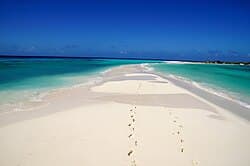
Los Roques
Barefoot Caribbean, kitesurfing, boat days
- Stay model
- All-inclusive island posadas
- Access note
- Fly-in island logistics; confirm current departure airport before booking
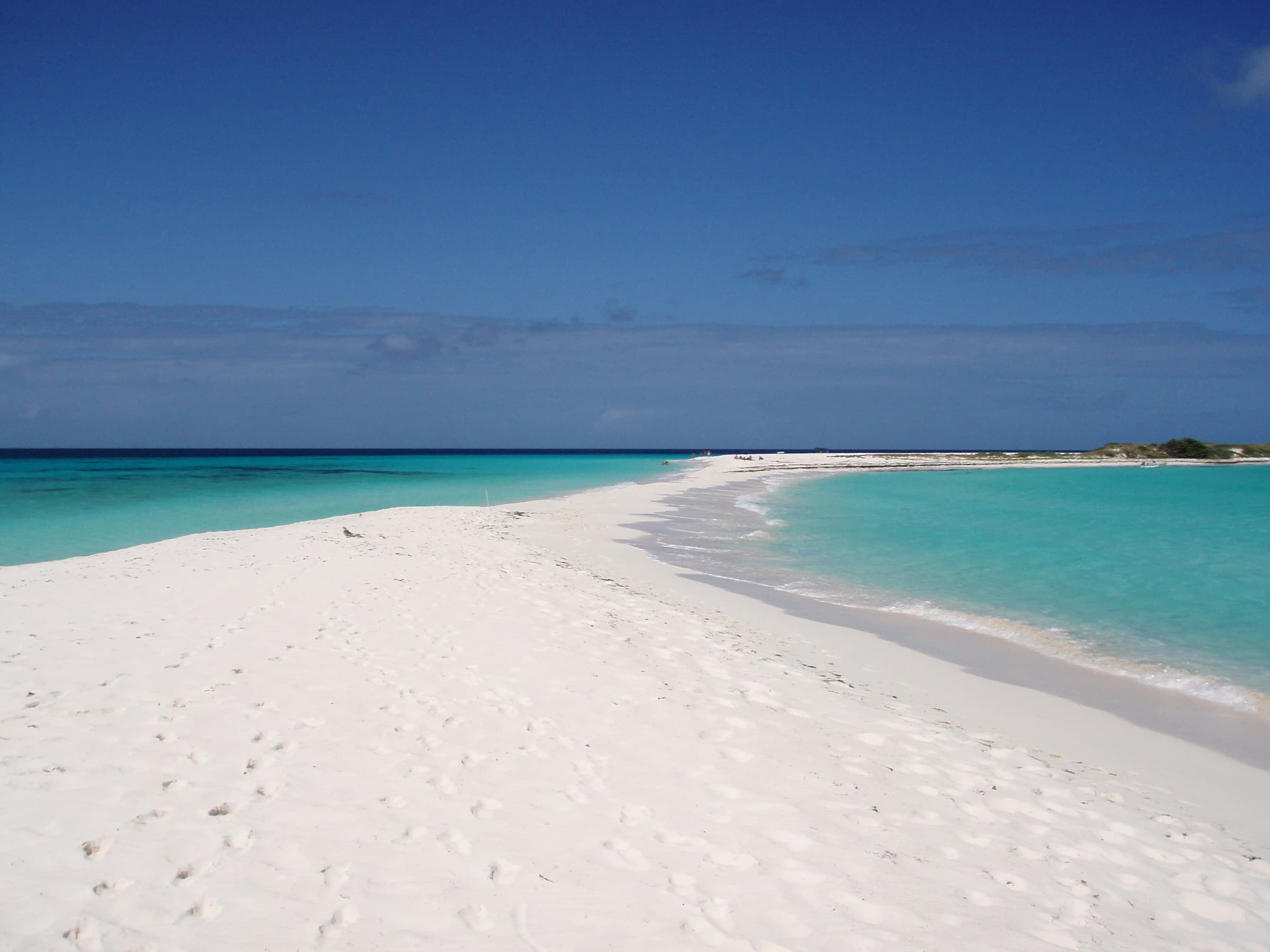
Los Roques, Dependencias Federales
Explore Venezuela
Choose where to base yourself, how to get there, and when a local operator should shape the route.
Start with context
Destination decisions
The same traveler may love Los Roques and Canaima, but the planning burden is completely different. Use the cards below to decide what kind of trip you are really choosing.
Barefoot Caribbean, kitesurfing, boat days
Los Roques, Dependencias Federales
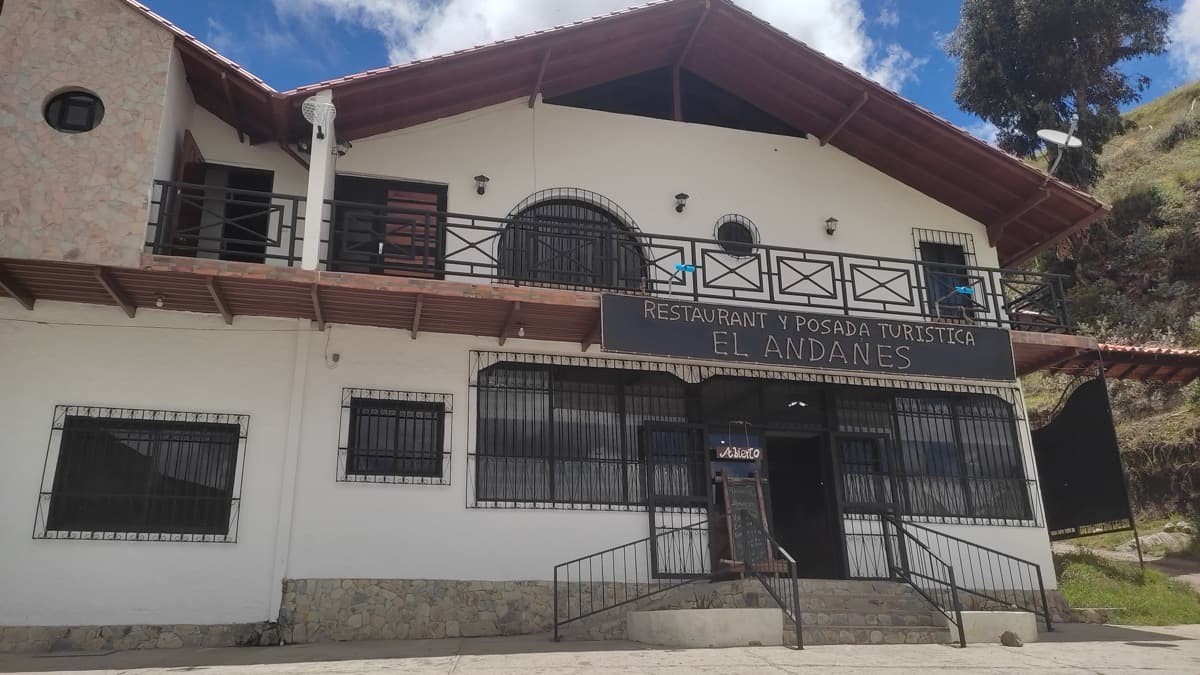
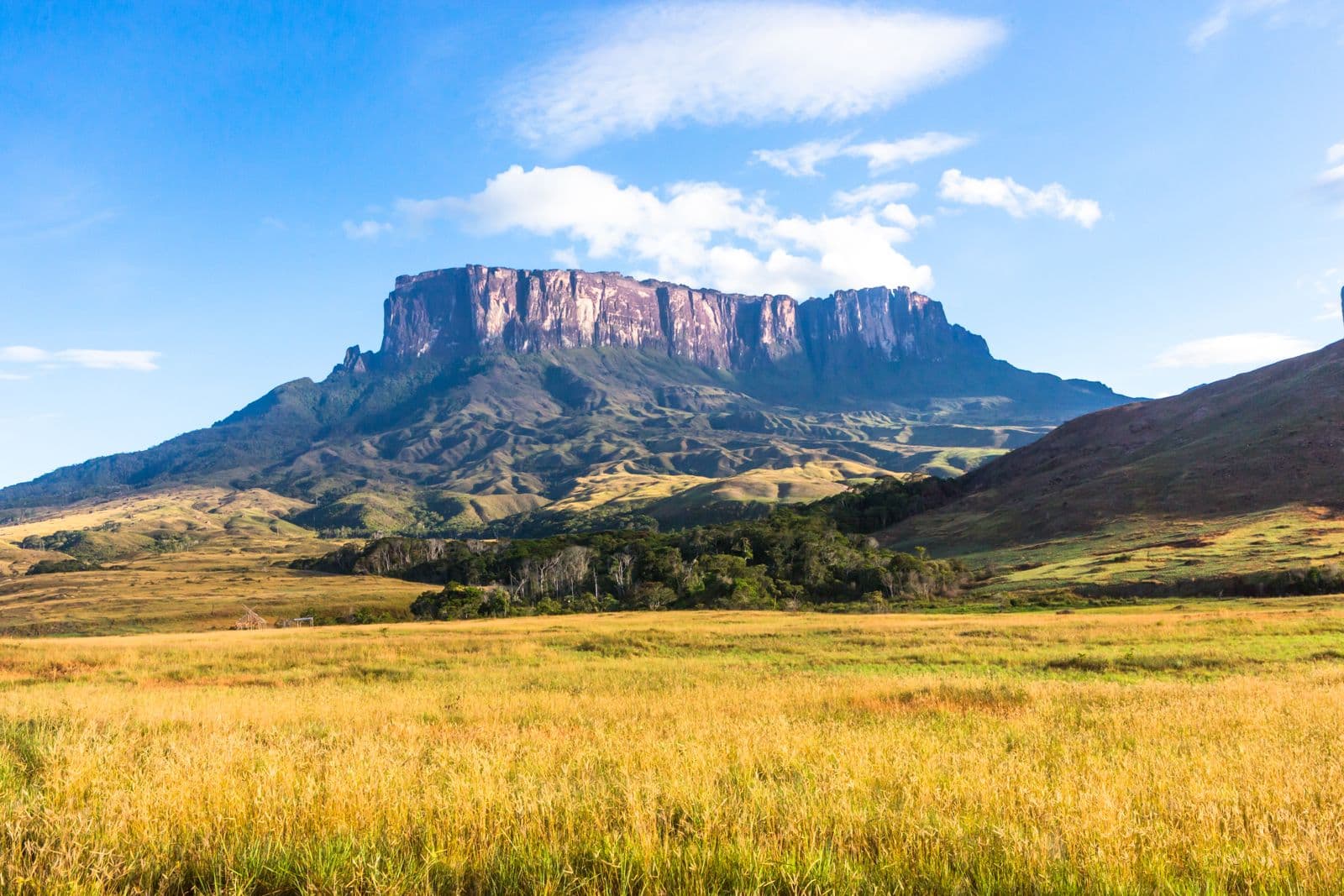
Mountains, cable car, paragliding, cool weather
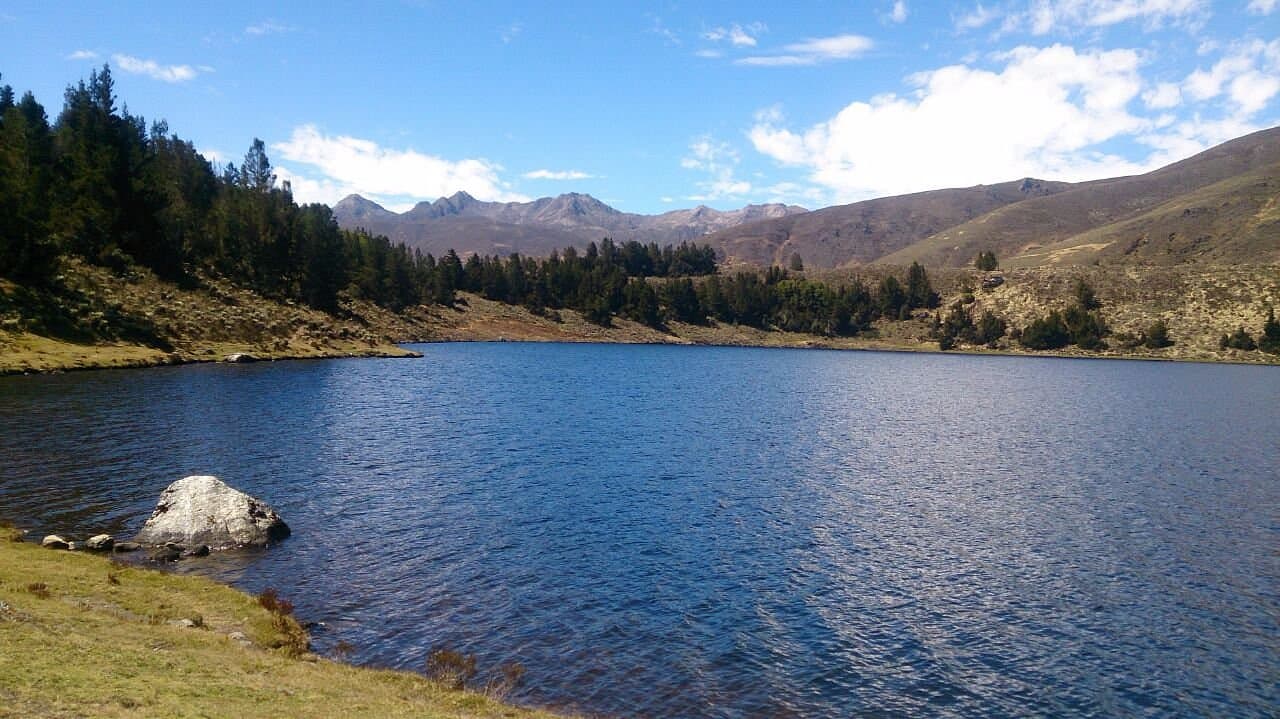
Merida, Merida
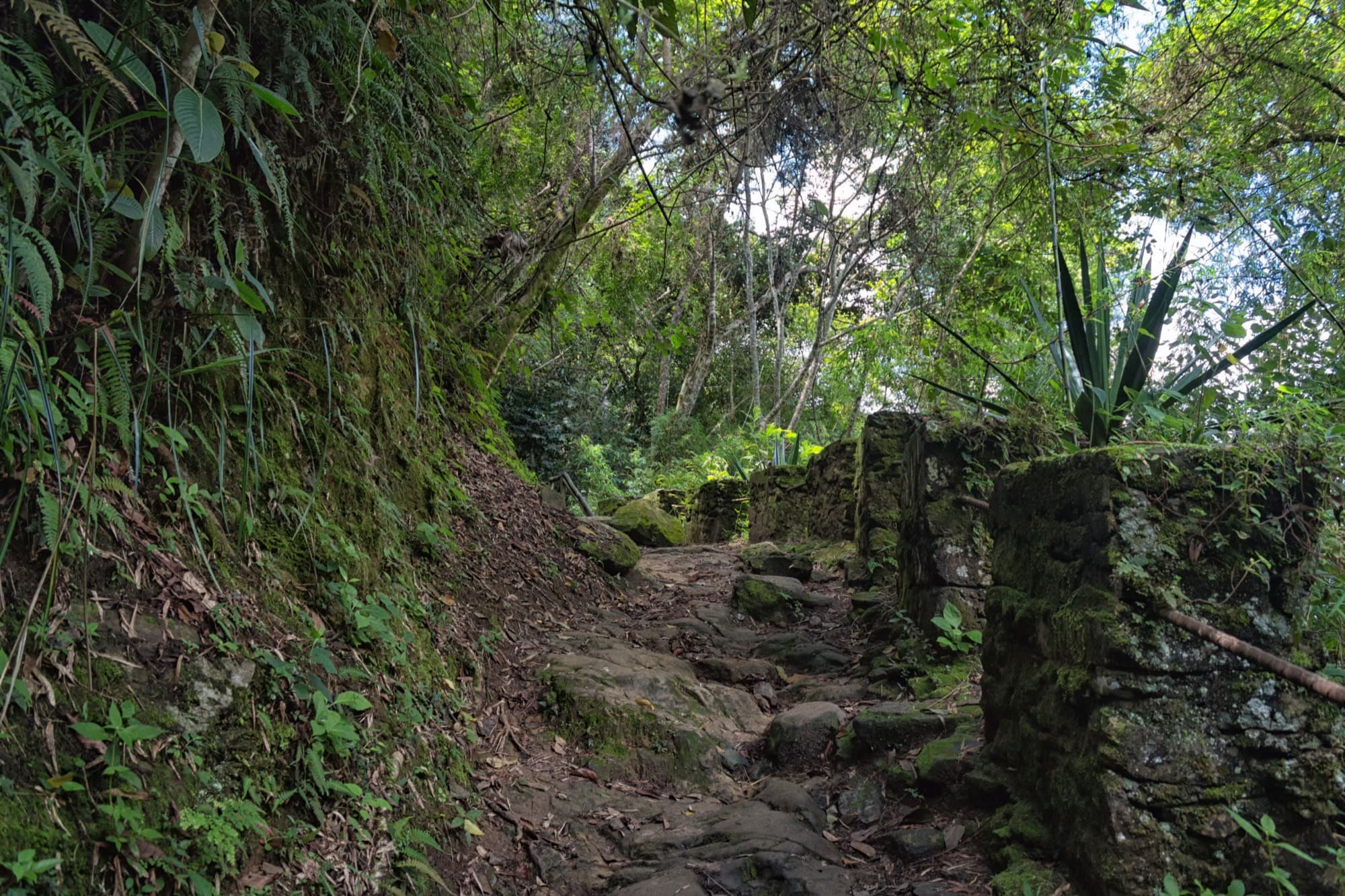
Tepuis, waterfalls, expedition photography
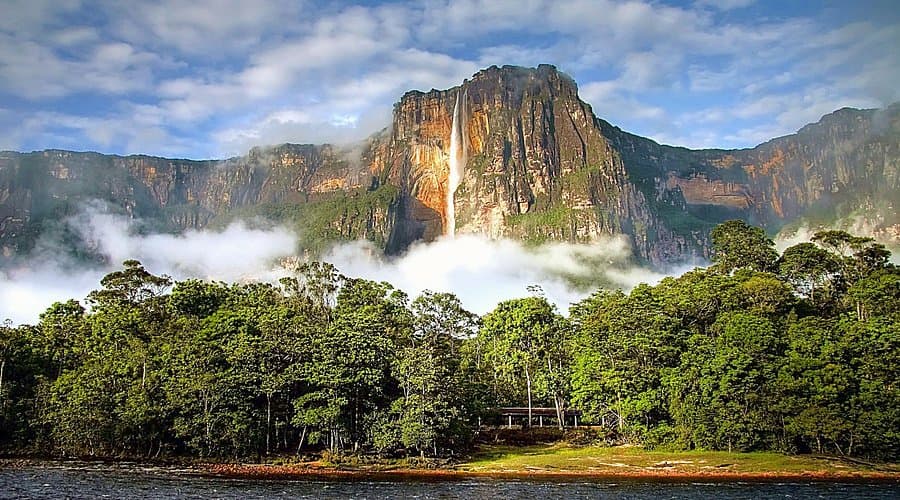
Canaima, Bolivar
Driveable beach days, cays, short escapes
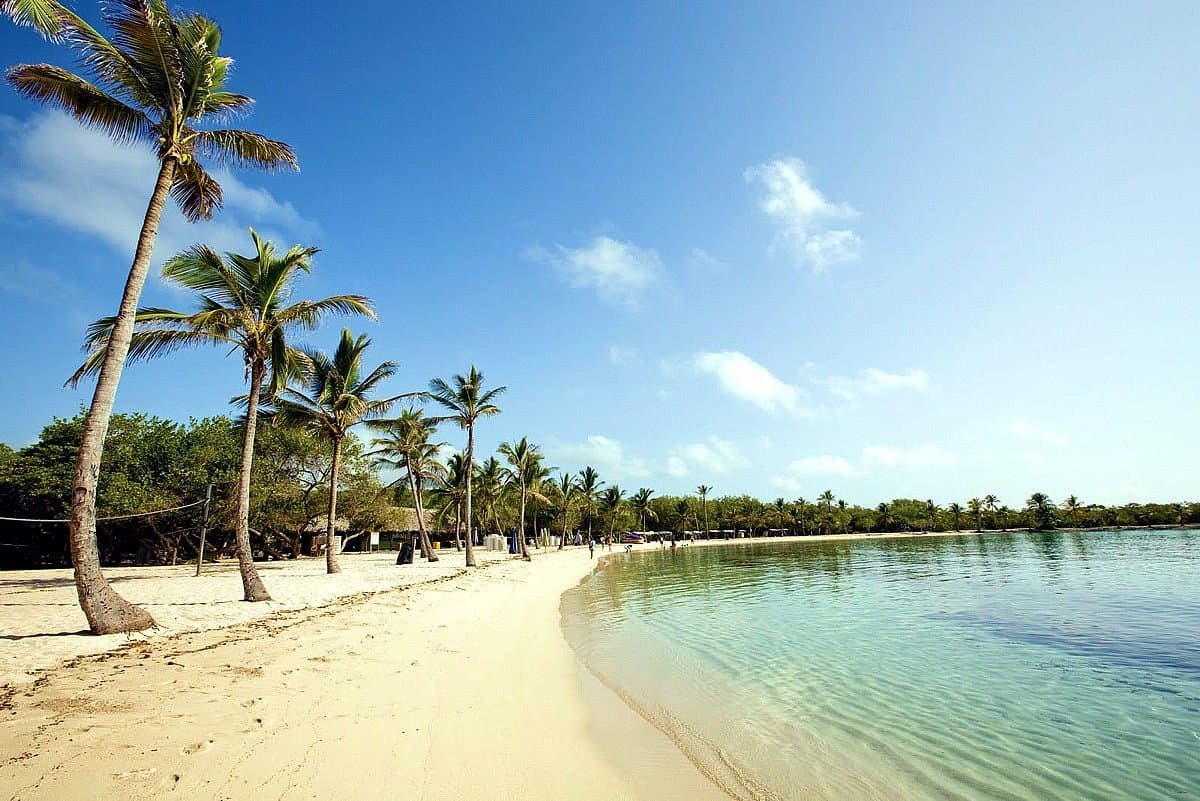
Morrocoy, Falcon
Resorts, island beaches, family-friendly pacing
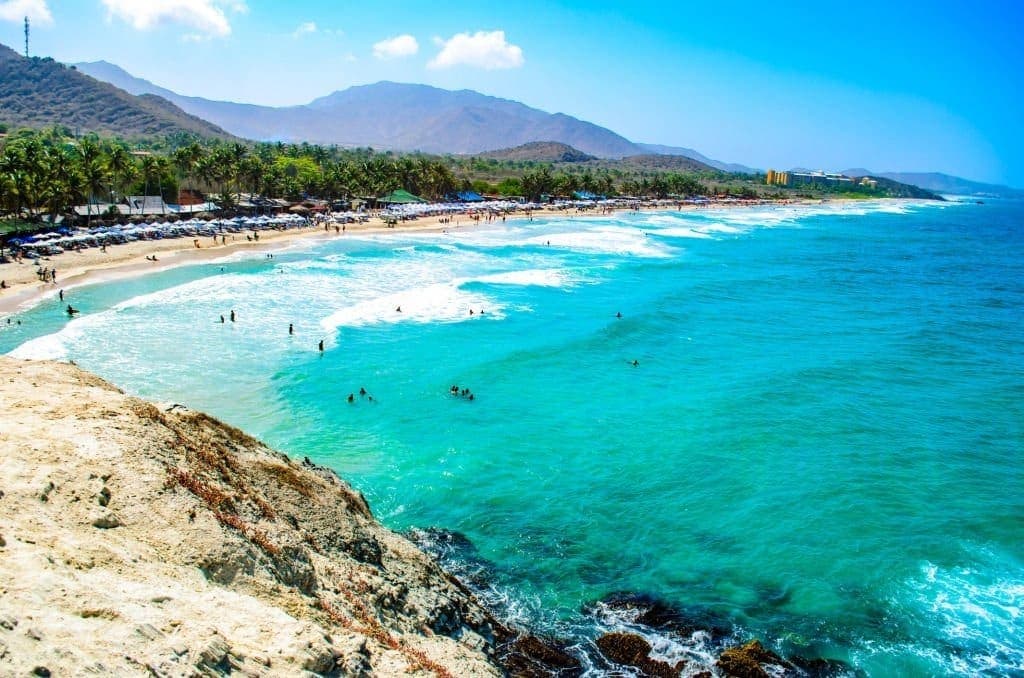
Margarita, Nueva Esparta
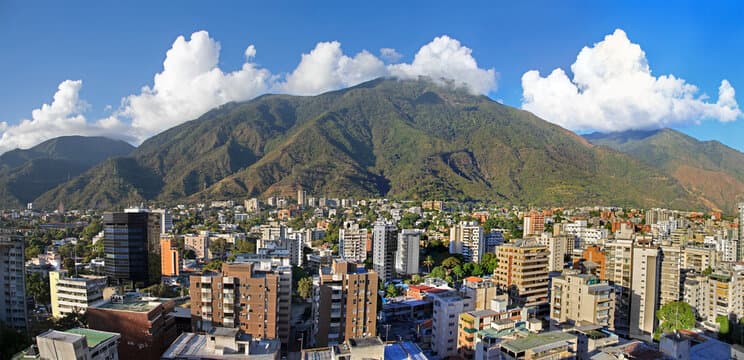
Food, galleries, Avila views, city culture
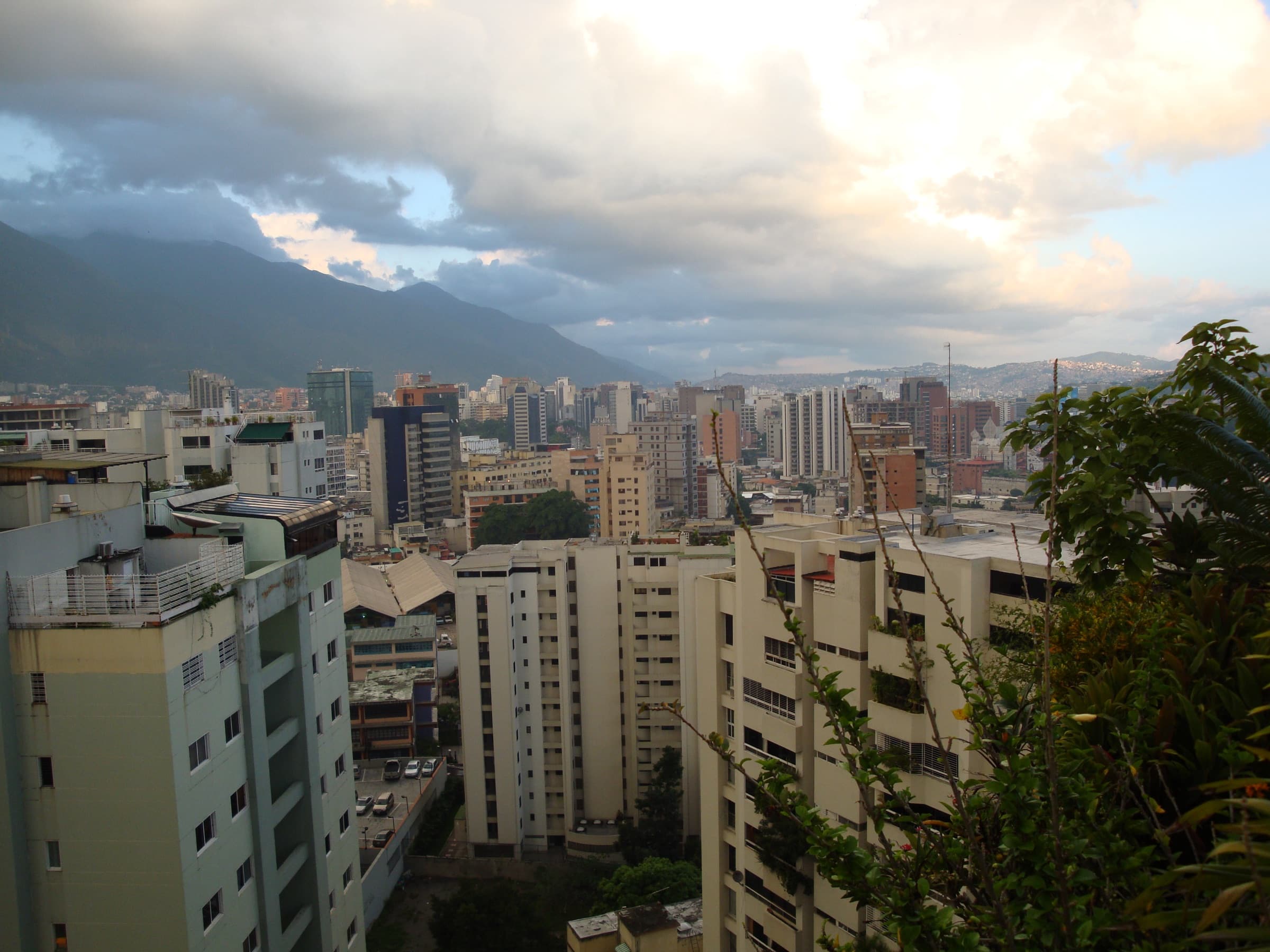
Caracas, Distrito Capital
Traveler paths
A good Venezuela itinerary starts with constraints. Pick the path closest to your trip, then narrow the region and stay model.
Start with one easy anchor, then add a second region only if the access chain is clear.
Los Roques or Morrocoy + one city night
Pick one island or coast base, then solve transfer reliability before comparing rooms.
Los Roques, Margarita, or Morrocoy
The operator is more important than the headline destination for remote routes.
Canaima, Gran Sabana, or Llanos
Build around vetted neighborhoods, fixed transfers, and reservations rather than wandering.
Caracas with dining-led planning
Before booking
The page should save people from stale assumptions. These checks matter more than browsing every card in the catalog.
Next step
Once you know your base and access model, build the itinerary around transfer windows, operator quality, and where you will actually sleep.
Venezuela is not a casual destination. U.S. Department of State Level 3 "Reconsider Travel" (country-wide) since March 19, 2026. VAV uses that official advisory as the baseline, then adds region-by-region planning context for travelers who have already decided to go. Start with established corridors such as Los Roques, Merida, Margarita, Choroni, and Canaima, and use verified local operators who understand current conditions.
Top destinations include Los Roques (Caribbean archipelago with pristine beaches), Merida (Andes mountains with adventure sports), Canaima National Park (Salto Angel), Gran Sabana (ancient tepuis), Margarita Island (beach resort), Morrocoy (mangroves and cays), and Choroni (colonial town with cacao beaches).
On Vamos A Venezuela, you can browse verified posadas, eco-lodges, and hotels by region and travel style. For complex routes, use the trip planner or contact a VAV advisor so airport transfers, payment method, backup communications, and local logistics are confirmed before you travel.
As of July 2026 the bolívar trades around 724 VES/USD at the official rate versus about 560 VES/USD on the parallel (street) market — the currency is down roughly 500% year-on-year. The two rates diverge, so quoting only the official figure misstates true costs; most tourist transactions are in US dollars regardless. VAV surfaces prices in USD where possible, but travelers should confirm each provider's accepted payment methods before arrival.
Venezuela launched a fully digital tourist/business eVisa for US nationals on April 6, 2026, replacing the in-person consular process. Apply online through the MPPRE portal; the approved visa arrives as a printable PDF. Non-US travelers should verify current requirements with their own foreign affairs office and airline before booking.
A posada is a small, family-run guesthouse — the most common accommodation type in Venezuelan tourism. Posadas range from simple beachfront rooms to boutique eco-lodges. They offer a more authentic experience than international hotel chains and are often the only accommodation available in remote natural areas.