
Los Roques, Venezuela: The Complete Travel Guide
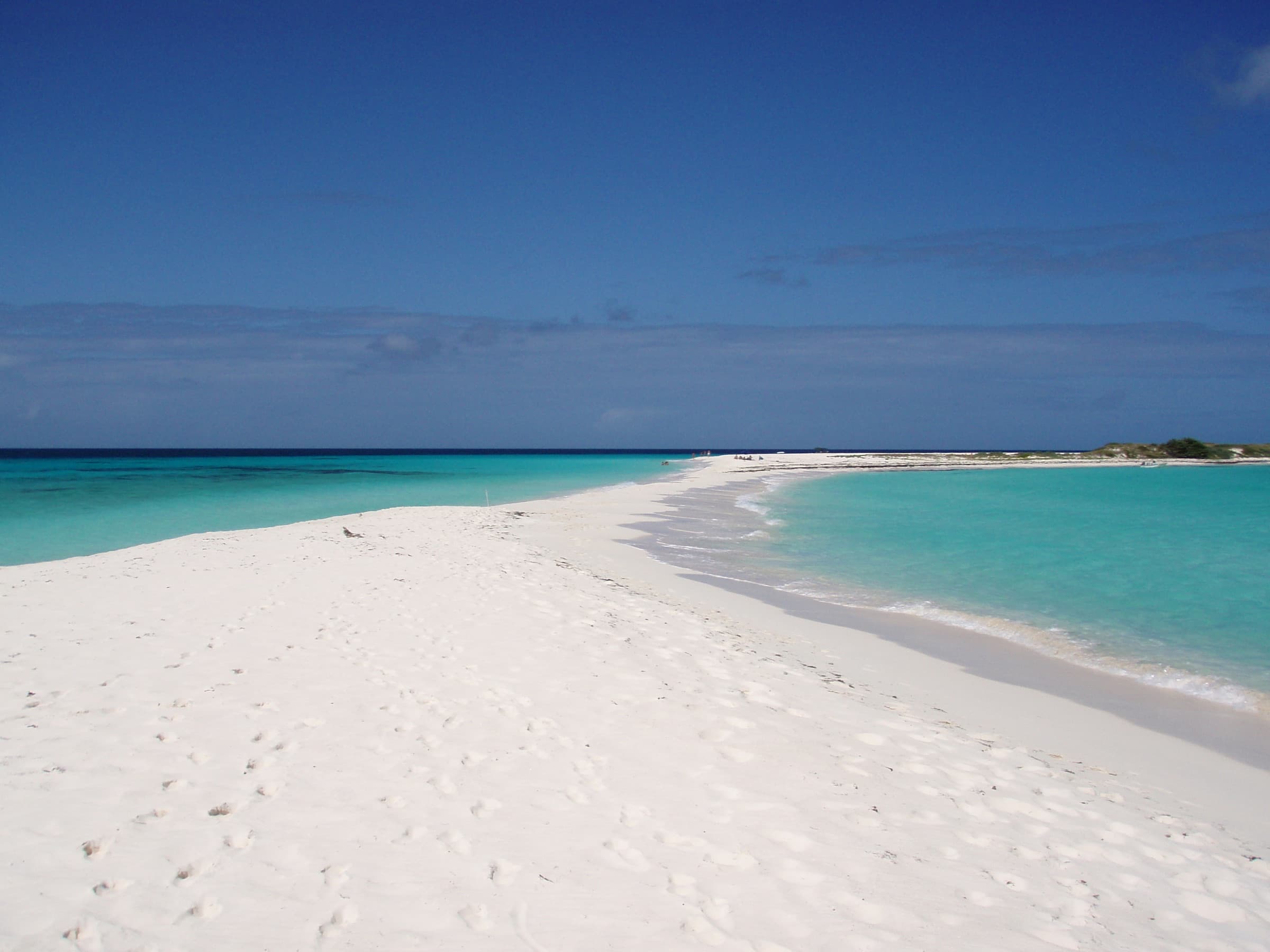
Roughly three hundred and fifty islands, cays, and sandbars scattered across some 220,000 hectares of Caribbean Sea, about 160 kilometres north of Caracas. No cars. No traffic lights. No high-rises. One paved road on the main island — short enough to walk end-to-end in seven minutes. Water so transparent that from the air it looks like someone forgot to fill the ocean in.
Los Roques Archipelago National Park is one of the largest marine national parks in the Caribbean, and it operates on a set of rules that have kept it from becoming another Cancun: no large-scale development, no cruise ship docks, no all-inclusive mega-resorts. What exists instead is a network of 60-100 family-run posadas on Gran Roque (the only inhabited island), a fleet of small boats that shuttle visitors to empty cays each morning, and a pace of life that makes even the most relaxed Caribbean islands seem hurried.
The fly-fishing community has known about Los Roques for decades — the bonefish flats here are considered among the top three destinations in the world. Kitesurfers discovered it more recently, drawn by consistent trade winds and flat-water lagoons. Divers come for the wall dives and 30-metre visibility. Everyone else comes because they saw a photograph of the water and could not believe it was real.
It is expensive by Venezuelan standards. This is not a backpacker destination. All-inclusive posada packages run $200-500+ per night including meals and daily boat transfers to the cays. Flights from Caracas are $150-300 round trip. But what you get for that money — a private cay with a handful of other visitors, lobster lunch cooked on the beach by your boat captain, water that shifts between fifteen shades of blue before noon — makes the comparison to other Caribbean destinations at twice the price an easy one.
We have a curated collection of listings in Los Roques, most of them stays. This guide will help you choose the right posada, the right cays, and the right season.
Quick Facts
| Detail | Info |
|---|---|
| Location | ~160 km north of Caracas, southern Caribbean |
| Size | ~220,000 hectares, ~350 islands and cays |
| Main island | Gran Roque (only inhabited island) |
| Climate | 27-32°C year-round, trade winds Nov-Apr |
| Best time to visit | Year-round; Dec-Apr calmest seas |
| Getting there | Fly-in only, historically a 35-40 min charter from Caracas (Maiquetía) — but Maiquetía is closed to commercial flights since ~June 25, 2026; see the getting-there section below |
| Typical daily budget | $200-500+ USD/day all-inclusive |
| Language | Spanish only on the islands |
| National park fee | Required on arrival, paid at Gran Roque airport |
| Time zone | UTC-4 (Venezuela Standard Time) |
Why Visit Los Roques
Every Caribbean destination promises beautiful water and white sand. Los Roques actually delivers, and it does so without the infrastructure that usually dilutes the experience.
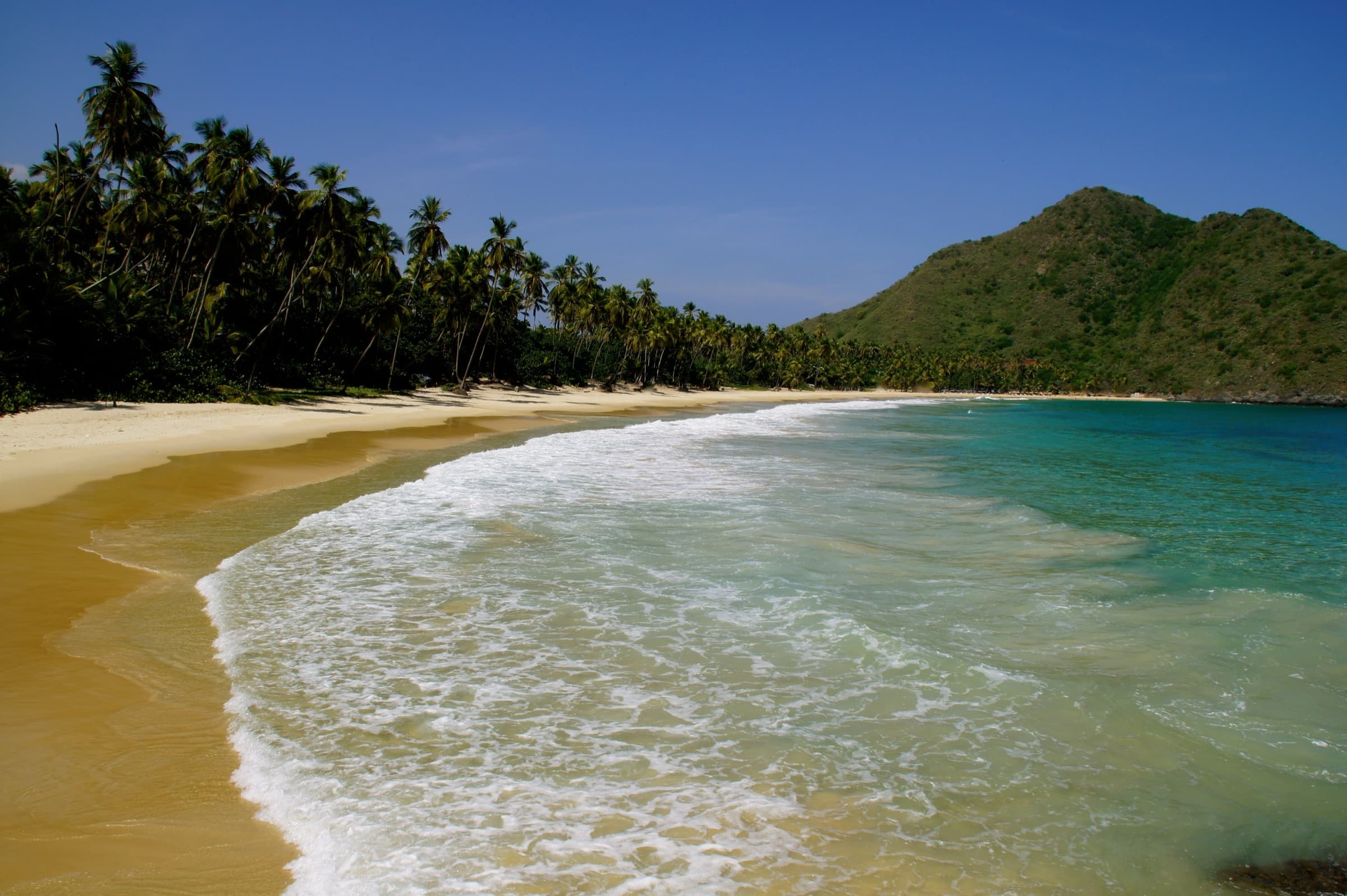
The water is not exaggerated. Every photograph you have seen of Los Roques — the impossible turquoise, the gradient from shallow aquamarine to deep sapphire — is accurate. The archipelago sits on a coral atoll platform with sandy bottoms that reflect sunlight through clear water. Visibility exceeds 30 metres on most days. This is not marketing copy. It is bathymetry.
The isolation is structural, not aspirational. There are no roads connecting the cays. No jet skis. No beachside DJ booths. The development restrictions built into the national park designation mean that Los Roques in 2026 looks functionally identical to Los Roques in 1996. Your daily boat ride to a cay means you share a beach with perhaps 10-20 other people. On the outer cays, you may be alone entirely.
The fishing is legitimately world-class. The shallow flats between the cays hold populations of bonefish, permit, and tarpon that attract serious fly-fishers from around the world. Bonefish here average 3-5 pounds, with fish over 8 pounds caught regularly. The guides have been working these flats for decades and know every channel, every tide shift, every flat where the fish feed at dawn.
Top Things to Do in Los Roques
1. Island-Hop the Cays
This is the core Los Roques experience. Each morning, peñero boats (traditional fishing boats with outboard motors) depart Gran Roque for the surrounding cays. Your posada typically arranges the boat, lunch, and return — it is included in most all-inclusive packages.
The essential cays:
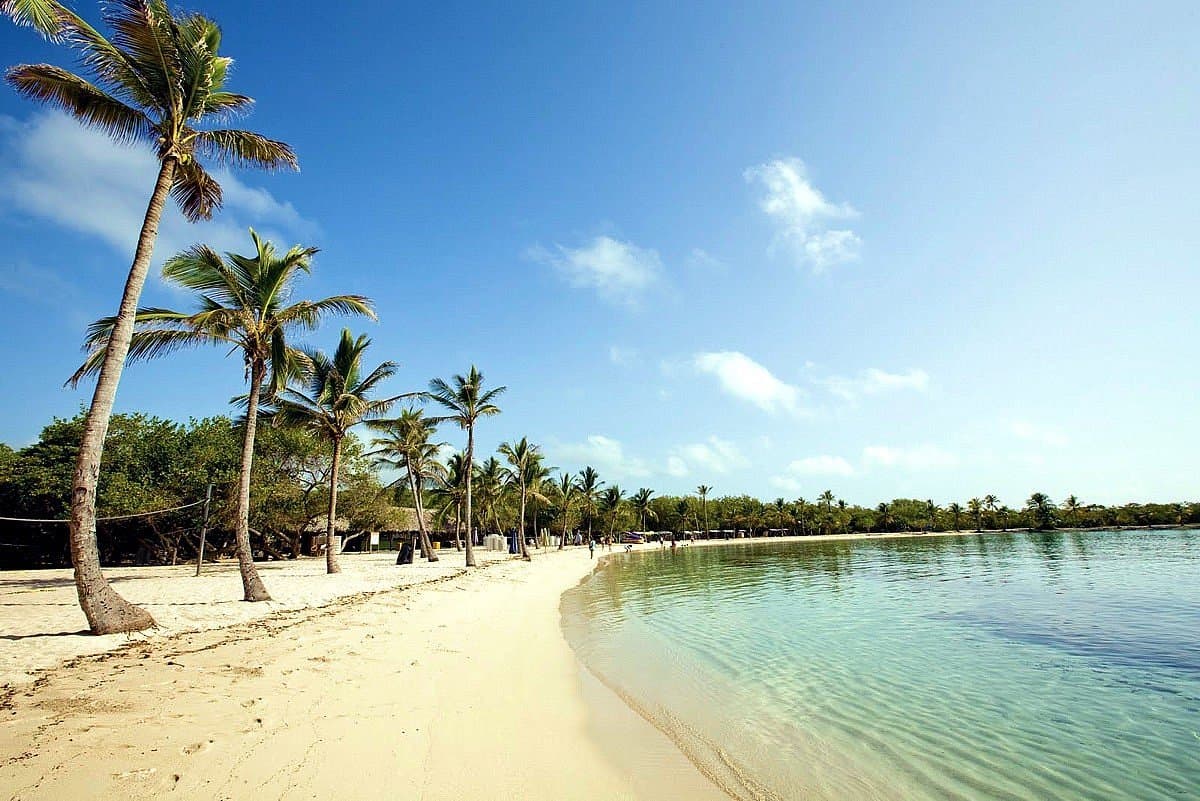
Crasqui — The most popular day-trip cay, and for good reason. A long crescent of white sand with calm, shallow water on the leeward side and deeper reef on the windward side. Snorkeling directly off the beach is excellent. Lunch shacks operate during peak season. Go early; it gets the most visitors.
Francisqui — Actually three connected cays (Arriba, Medio, Abajo) joined by sandbars at low tide. Francisqui Abajo has the best snorkeling — swim out 50 metres from shore and you are over healthy coral with parrotfish, angelfish, and the occasional nurse shark. Medio is the classic white-sand postcard shot.
Madrisqui — Closest to Gran Roque, making it a good option for half-day trips or late-afternoon visits. The water is calm and shallow — ideal for children or anyone who wants to float without current.
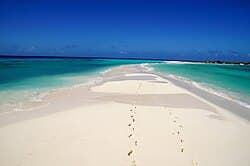
Cayo de Agua — The furthest commonly visited cay, about 45 minutes by boat. A natural sand bridge connects two sections of the island, and the surrounding water is the deepest blue in the archipelago. This is where the photographs that break the internet are taken. Worth the longer boat ride.
Noronqui — Less visited, excellent for snorkeling. The reef systems off Noronqui are among the healthiest in the archipelago.
2. Snorkel the Reef Systems
Los Roques sits on one of the best-preserved coral reef systems in the Caribbean. The national park protections have kept the reefs healthier than most Caribbean destinations, and visibility regularly exceeds 30 metres.
Best snorkeling spots:
- Francisqui Abajo — Easy access from shore, diverse coral and fish life
- Boca de Cote — A channel between cays with strong current that brings pelagic fish through. Intermediate level.
- Cayo Sal — Outer cay with wall snorkeling where the shallow platform drops off into deep water. Turtles are common here.
- Dos Mosquises — Location of the marine biology station. The surrounding reefs are research-grade healthy.
Snorkel gear can be rented on Gran Roque or from your posada. Bring your own mask if you have one — rental quality varies.
3. Fly Fish the Bonefish Flats
Los Roques is one of the top three bonefish destinations in the world, alongside the Bahamas and Christmas Island. The shallow flats between the cays hold large populations of bonefish that feed on tidal flows, making for sight-fishing conditions that dedicated fly-fishers travel thousands of miles for.
What makes it special:
- Average bonefish size is 3-5 pounds, larger than most Caribbean destinations
- Fish over 8 pounds are caught regularly
- Grand Slam potential (bonefish, permit, tarpon in one day) exists, though permit and tarpon are less reliable
- Guides have worked these flats for 20+ years and know the tidal patterns intimately
Practical details:
- Most fishing operations run 6-day packages ($4,000-6,000 including posada, meals, guide, boat)
- Bring your own gear — 8-weight rods for bonefish, 10-weight for permit
- Best months: November through May (calmer winds, clearer water)
- Licensed guides are mandatory on the flats
4. Kitesurf the Trade Winds
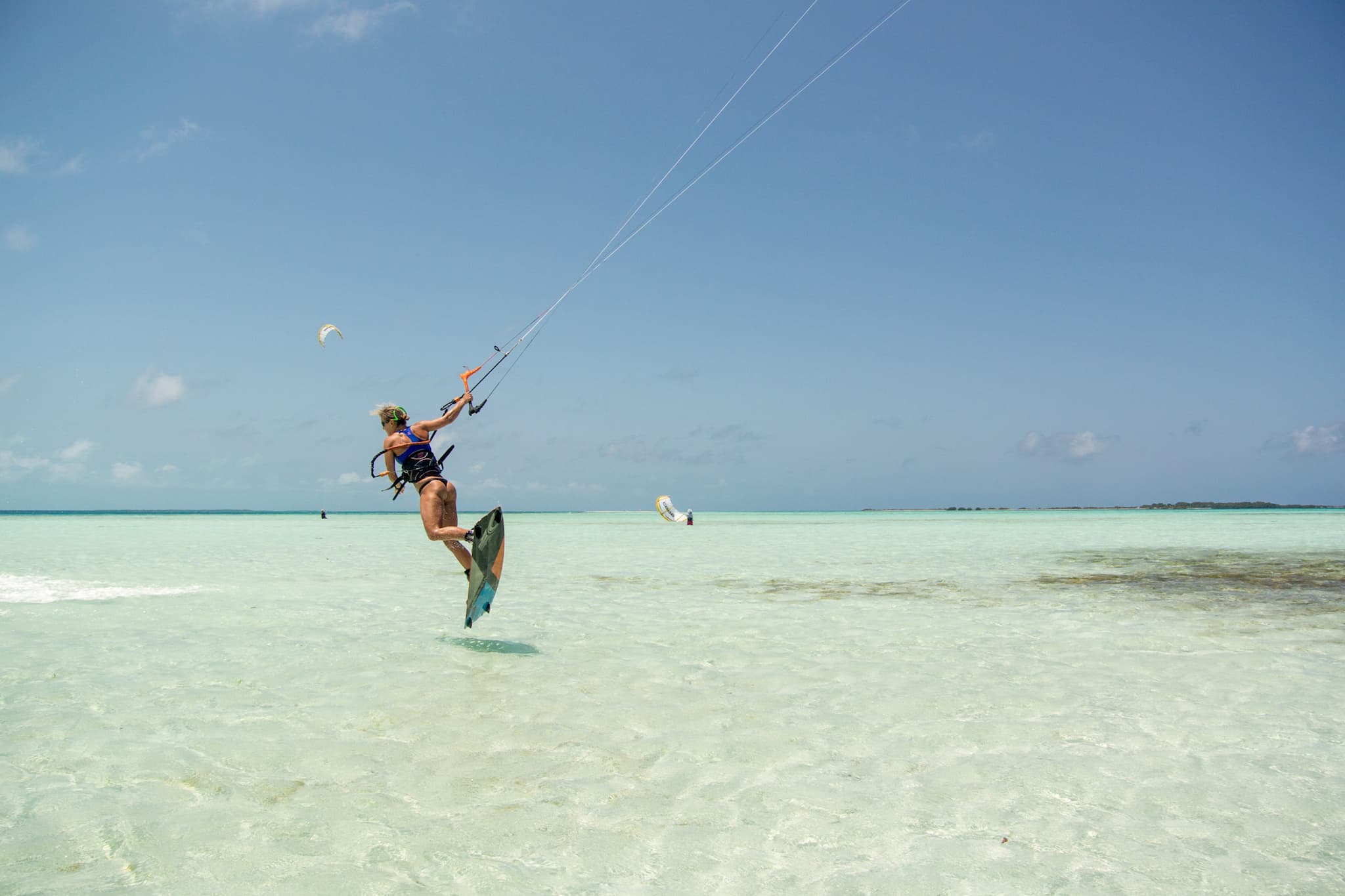
Los Roques has become one of the Caribbean's premier kitesurfing destinations, thanks to consistent trade winds from November through April and flat-water lagoons that provide ideal learning and freestyle conditions.
Key spots:
- Francisqui — The main kite spot. Flat water on the leeward side, consistent cross-shore wind, sandy bottom for safe crashes
- Crasqui — Wider beach, good for beginners, slightly less consistent than Francisqui
- Noronqui — Advanced. Stronger winds, choppier water, fewer people
Wind season: November through April. Average winds 15-25 knots. July-October is lighter and less reliable.
Several operators on Gran Roque offer lessons and gear rental. A 3-day beginner course runs approximately $400-500. Experienced kiters should bring their own gear.
5. Dive the Walls and Wrecks
Scuba diving in Los Roques benefits from the same visibility that makes snorkeling exceptional. The archipelago offers wall dives, reef dives, and a few wreck sites.
Notable dive sites:
- Boca del Medio — Wall dive with large pelagics. Reef sharks, eagle rays, and the occasional whale shark (November-February)
- Cayo Sal drop-off — Dramatic wall where the platform drops from 5 metres to 40+ metres
- Dos Mosquises — Shallow reef dive with exceptional coral coverage and macro life
Several PADI-certified operators work from Gran Roque. Two-tank boat dives run approximately $100-150. The diving here is not Bonaire or Curaçao-level infrastructure, but the reef health and water clarity compensate.
6. Kayak Between the Cays
The shallow, calm waters between the closer cays make for excellent kayaking. Several posadas have kayaks available for guests, and guided kayak trips to nearby cays offer a quieter alternative to the motorized peñero rides.
The paddle from Gran Roque to Madrisqui (the nearest cay) takes about 30-40 minutes in calm conditions. Longer routes to Francisqui or Rasqui are possible for experienced paddlers but require attention to wind and current.
7. Watch Sea Turtles Nest
Four species of sea turtle nest on Los Roques beaches: green, hawksbill, loggerhead, and leatherback. Nesting season runs from June through October, with peak activity in July and August.
The marine biology station on Dos Mosquises runs conservation programs and occasionally allows visitors to observe nesting activity. Ask your posada about current programs — availability varies by season and research schedules.
8. Eat Lobster on a Deserted Beach
This is not a restaurant recommendation — it is a daily ritual. Most boat captains include a beach lunch in the day trip to the cays: fresh-caught lobster or fish, grilled over driftwood or gas burners right on the sand, served with salad, rice, and cold beer.
The lobster season runs roughly from November to April (regulations vary — your captain will know). During closed season, fish replaces lobster. Either way, eating lunch barefoot on a cay with ten other people and 360 degrees of ocean is the kind of experience that justifies the cost of getting here.
9. Walk Gran Roque at Sunset
Gran Roque is small enough to explore in an hour. The village is a grid of colorful houses — blues, yellows, pinks — with sandy streets (no pavement beyond the main path). The lighthouse hill on the north end of the island offers the best sunset viewpoint in the archipelago: a 15-minute climb to a 360-degree panorama of the cays, the lagoon, and the open ocean.
The village plaza comes alive in the evening. Small shops sell handicrafts and local art. The posada restaurants open their doors to non-guests for dinner (reservations recommended in high season). The sky over Los Roques, with zero light pollution from surrounding development, produces sunsets that look retouched but are not.
10. Do Absolutely Nothing
Los Roques is one of the few places where doing nothing is not laziness — it is the correct response to the environment. Float in water so calm it does not move. Read a book in a hammock on a cay where the only sound is wind. Take a nap on sand so white it is almost cool to the touch.
The productivity-minded traveler who needs activities and checkboxes will find Los Roques frustrating. The traveler who understands that some places are designed for presence rather than accomplishment will find it perfect.
Where to Stay in Los Roques
All accommodation is on Gran Roque. There are no hotels on the outer cays (the national park prohibits it). Posadas are the standard format — family-run guesthouses ranging from basic to genuinely upscale, almost all operating on all-inclusive packages that include meals, drinks, and daily boat transfers.
We have a curated collection of Los Roques listings with verified details and photos.
Understanding the Posada Model
Los Roques posadas are not hotels. They are converted houses or purpose-built small guesthouses with 4-12 rooms, run by families who often live on-site. The all-inclusive package typically covers:
- Breakfast, lunch (on the cay or at the posada), and dinner
- Daily boat transfer to a cay of your choice
- Soft drinks and sometimes beer/wine with meals
- Airport transfer (a 2-minute walk, but they meet you)
What is usually NOT included: alcoholic drinks beyond the package, fishing guide fees, dive trips, kitesurfing lessons, national park entrance fee.
Price Ranges
- Budget posadas: $150-200/night per person all-inclusive. Basic rooms, good food, same boat access. The experience is 90% identical to more expensive options.
- Mid-range posadas: $200-350/night per person. Better rooms, air conditioning (not all budget places have it), higher-quality food and drinks.
- Upscale posadas: $350-500+/night per person. Boutique-level rooms, premium meals (lobster more frequently), dedicated service, sometimes with included activities.
Recommended Listings
- Posada Macondo — Named after the fictional town in One Hundred Years of Solitude, this mid-range posada is well-located with a strong reputation for food
- Posada Piano y Papaya — One of the more established posadas, known for consistent quality
- Posada Galapagos — Mid-range with good reviews for service and meals
- Acquamarina — Comfortable rooms, air conditioning, reliable
- Bequeve — Solid budget-friendly option without sacrificing the core experience
Booking tip: High season (December-April, especially Christmas/New Year and Carnival) books up weeks in advance. The best posadas fill even earlier. For fishing lodges, serious anglers book 6-12 months ahead.
Browse all Los Roques posadas on VAV to compare pricing and availability.
Where to Eat in Los Roques
Dining in Los Roques revolves around two experiences: your posada's kitchen and the beach lunch.
Posada Dining
Most visitors eat all meals at their posada as part of the all-inclusive package. The quality varies significantly by posada — this is one of the most important factors in choosing where to stay. The best posada kitchens serve:
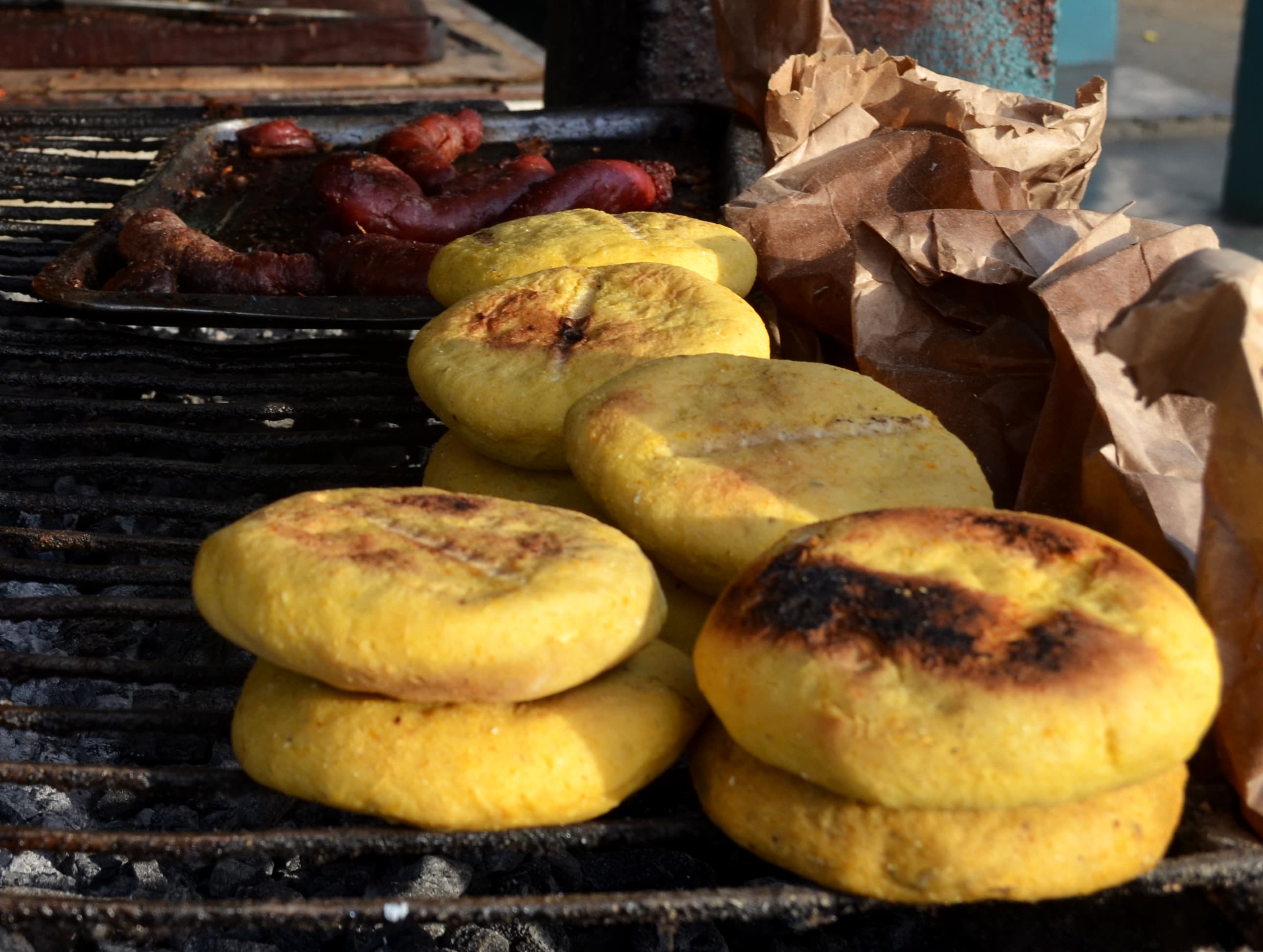
- Breakfast: Fresh fruit, arepas, eggs, coffee, juice. Some posadas add empanadas or cachapas.
- Lunch (on the cay): Prepared by the boat captain or posada staff. Lobster in season, grilled fish, salad, rice. Cold drinks.
- Dinner: The main event. Multi-course meals featuring fresh seafood: ceviche to start, grilled fish or lobster main, dessert. Italian-influenced posadas (many owners are Venezuelan-Italian) serve excellent pasta with seafood sauces.
Eating Outside Your Posada
Several posadas open their restaurants to non-guests for dinner (reservations necessary). A few small restaurants on Gran Roque operate independently:
Fresh fish and lobster: Available at most restaurants. The fish was caught that day; the lobster came off the boat that morning. Expect to pay $20-40 for a seafood dinner outside the all-inclusive system.
Ceviche: The local preparation uses fresh-caught fish, lime, onion, and aji dulce peppers. Simple and excellent. Several places on the main street sell ceviche cups in the afternoon.
Italian-Venezuelan fusion: The Italian expat influence on Los Roques is strong — pasta with lobster, risotto with shrimp, bruschetta with fresh fish. Some of the best food on the island comes from this crossover.
Important: Los Roques is not a food destination in the way that Merida or Caracas might be. The ingredients are extraordinary (everything is fresh, everything is local), but variety is limited. You are eating seafood for every meal. If this sounds monotonous rather than ideal, calibrate your expectations.
Getting to and Around Los Roques
Getting There
By air (the only practical option): Historically, charter flights departed from Caracas (Simon Bolivar International Airport, Maiquetia) and took 35-40 minutes, with several small airlines operating the route.
Live-status caveat (2026 — verify before booking): Los Roques is fly-in only, and that access has been disrupted. Following the June 24, 2026 earthquakes, Maiquetia (CCS) — the airport that served Los Roques — has been closed to commercial traffic since around June 25, 2026, so the single access path described here is not currently operating from Maiquetia. Conviasa has been running a stopgap service via Maracay (Los Tacariguas), and the departure point may change again as the situation evolves. No reopening date is confirmed. Do not assume the classic Maiquetia charter is running — confirm the current departure airport, carrier, and schedule with your posada before you book anything.
Once flights are confirmed, the practical details are broadly:
- Round-trip flights cost approximately $150-300 USD depending on season and carrier
- Flights depart in the morning (typically 7-9 AM) and return in the afternoon
- Book through your posada — they usually have preferred carriers and can bundle the flight with your package
- Luggage limits are strict (10-15 kg) on small aircraft — pack light
National park fee: Paid on arrival at the Gran Roque airport. The fee is modest but required for all visitors.
By sailboat: Private boats can reach Los Roques from the mainland. The crossing takes 12-18 hours depending on conditions. A few charter operations offer this, but the vast majority of visitors fly.
Getting Around
On Gran Roque: Walk. The island is 1.5 km long. Everything is within a 10-minute walk. There are no taxis because there are no cars.
Between cays: Peñero boats are the only transport. Your posada arranges daily transfers (included in all-inclusive packages) to the cay of your choice. Trips range from 10 minutes (Madrisqui) to 45 minutes (Cayo de Agua). Dedicated fishing or dive boats are arranged through specialized operators.
Luggage note: Pack in soft bags, not hard suitcases. You will carry your bag from the plane to the posada (2-minute walk) and load it onto boats. Wheels are useless on sandy paths.
Safety and Practical Tips
Los Roques is one of the safest destinations in Venezuela. The small, contained community on Gran Roque, the island geography, and the national park authority presence all contribute to a secure environment.
Safety:
- Petty crime is extremely rare on the islands
- The ocean is the primary safety concern — respect currents, wear reef shoes on coral areas, and heed your boat captain's advice about swimming conditions
- Jellyfish and sea urchins are present — water shoes are advisable when wading on reef areas
- Sun exposure is severe — the combination of equatorial latitude, reflective water, and wind (which masks how burned you are getting) means serious sunburn is the most common visitor complaint
Health:
- There is a small medical facility on Gran Roque for basic care. Serious medical issues require evacuation to Caracas by air
- Bring all medications you need — there is no pharmacy on the island
- Mosquitoes are present but not typically problematic (the trade winds help). Bring repellent for calm evenings
- Hydrate aggressively — the heat, wind, and salt water dehydrate you faster than you realize
Connectivity:
- Cell phone signal exists on Gran Roque but is unreliable
- WiFi at posadas ranges from slow to non-functional. Do not plan to work remotely from Los Roques
- This is a feature, not a bug. Use it as an excuse to disconnect
Money:
- USD is the standard currency on Los Roques. Most posadas quote and settle in dollars
- Credit cards are accepted at some posadas but cash is king — bring enough for your stay plus contingency
- There are no ATMs or banks on the island
What to bring:
- Reef-safe sunscreen (the national park is increasingly strict about this)
- Snorkel gear (rental available but your own fits better)
- Water shoes or reef shoes
- A dry bag for electronics on boat rides
- Light layers for evening (it cools off after sunset with the wind)
- Cash in small denominations
- Any medications you need for the duration
For the latest travel updates and safety information for Los Roques, visit our safety page.
Sample 5-Day Los Roques Itinerary
Day 1: Arrive and Settle
Morning flight from Caracas (35 minutes). Arrive Gran Roque, pay national park fee, walk to posada. Lunch at the posada. Afternoon: explore Gran Roque village on foot, climb the lighthouse hill, wade in the shallow water off the south beach. Sunset from the hill. Dinner at your posada.
Day 2: Crasqui and Francisqui
Boat to Crasqui in the morning. Swim, snorkel the reef on the windward side. Beach lunch (lobster in season). After lunch, short boat hop to Francisqui Abajo for afternoon snorkeling — the reef here has the best fish diversity in the archipelago. Return to Gran Roque for sunset and dinner.
Day 3: Cayo de Agua
The long boat ride (45 minutes) is worth it. Cayo de Agua's natural sand bridge and surrounding water are the visual peak of the archipelago. Spend the day swimming, snorkeling, and doing nothing in particular on what may be the most beautiful beach you have ever seen. Bring a book. Forget it in your bag.
Day 4: Choose Your Adventure
- Fishing: Full-day guided bonefish trip on the flats. Your guide picks you up at dawn.
- Diving: Two-tank dive at Boca del Medio and Cayo Sal. Afternoon recovery on Madrisqui.
- Kitesurfing: Lesson or session on Francisqui. Wind is typically best from late morning.
- Nothing: Return to your favorite cay from the previous days. You have earned it.
Day 5: Last Morning
Most flights back to Caracas depart in the early afternoon. Morning: one last swim from Gran Roque's south beach or a quick boat trip to Madrisqui (the closest cay). Pack. Take a final photo from the lighthouse hill. Fly back to Caracas tanned, salt-crusted, and already planning your return.
Want to customize this? Our AI trip planner can build a personalized Los Roques itinerary with real-time pricing from our verified posadas and activity operators.
Frequently Asked Questions
How much does a Los Roques trip cost?
A typical 4-night trip costs approximately $1,200-2,500 per person, broken down as:
- Flights from Caracas: $150-300 round trip
- Posada all-inclusive (4 nights): $600-2,000 depending on category
- National park fee: ~$20-30
- Optional activities (diving, fishing, kitesurfing): $100-500+
- Spending money (drinks, tips, handicrafts): $100-200
Los Roques is the most expensive domestic destination in Venezuela. The all-inclusive model means costs are predictable once you have booked, but this is not a budget trip.
When is the best time to visit?
December through April offers the calmest seas, most reliable trade winds (for kitesurfing), and the driest weather. This is also peak season with highest prices and most visitors. June through November is quieter and cheaper, with occasional rain and rougher seas but warmer water and turtle nesting season. Los Roques is genuinely a year-round destination — there is no "bad" time, only different tradeoffs.
Do I need to speak Spanish?
You should have basic Spanish. English is limited on the islands — some posada owners and fishing guides speak it, but most boat captains, shopkeepers, and service staff speak Spanish only. A translation app and a willingness to communicate imperfectly will get you through, but some Spanish significantly improves the experience.
Can I visit Los Roques as a day trip from Caracas?
Technically yes — some operators sell day-trip packages with a morning flight, a few hours on a cay, and an afternoon return. Practically, this is a waste of money and time. The flight logistics eat into your day, and Los Roques reveals itself over multiple days. Three nights minimum; five is ideal.
Is the water really that blue?
Yes. The photographs are not edited. The combination of white sand bottom, shallow coral platform, and clean oceanic water creates natural color gradients that look artificial but are not. Bring an underwater camera.
How do I book a posada?
Most posadas can be contacted directly via WhatsApp or Instagram. We recommend browsing Los Roques listings on VAV to compare options, then booking through the posada directly or through our platform when available. Many posadas offer package deals that bundle flights, meals, and transfers — this is almost always the most cost-effective approach.
What about sustainability and environmental impact?
Los Roques National Park has some of the strictest environmental protections in the Caribbean. The park authority limits visitor numbers, prohibits large-scale development, and enforces fishing regulations. As a visitor, you can contribute by: using reef-safe sunscreen, not touching or standing on coral, taking all trash back to Gran Roque, and choosing posadas that demonstrate environmental responsibility. The archipelago's long-term health depends on maintaining the low-impact model that makes it special.
---
Ready to book your Los Roques trip? Use our AI-powered trip planner to build a custom itinerary with pricing from our verified posadas and operators.
Explore all Los Roques listings on Vamos A Venezuela.
Written by VAV Editorial
Last updated: August 12, 2026