Locally fairly common within páramo and treeline, but range-restricted to the high Venezuelan Andes; not always easy to approach. Essentially guaranteed at the right páramo sites if you work the bushes, but can stay frustratingly low in the grass.
Field marks
Small, slim furnariid with a very long, spiky, frayed reddish-rufous tail. Dull brown above, grayish-brown below, with a distinctive orange-ochre face/supercilium and chin. The only essentially unstreaked furnariid of the Venezuelan páramo — the long ragged tail plus warm ochre face are the lock-on marks.
Habitat
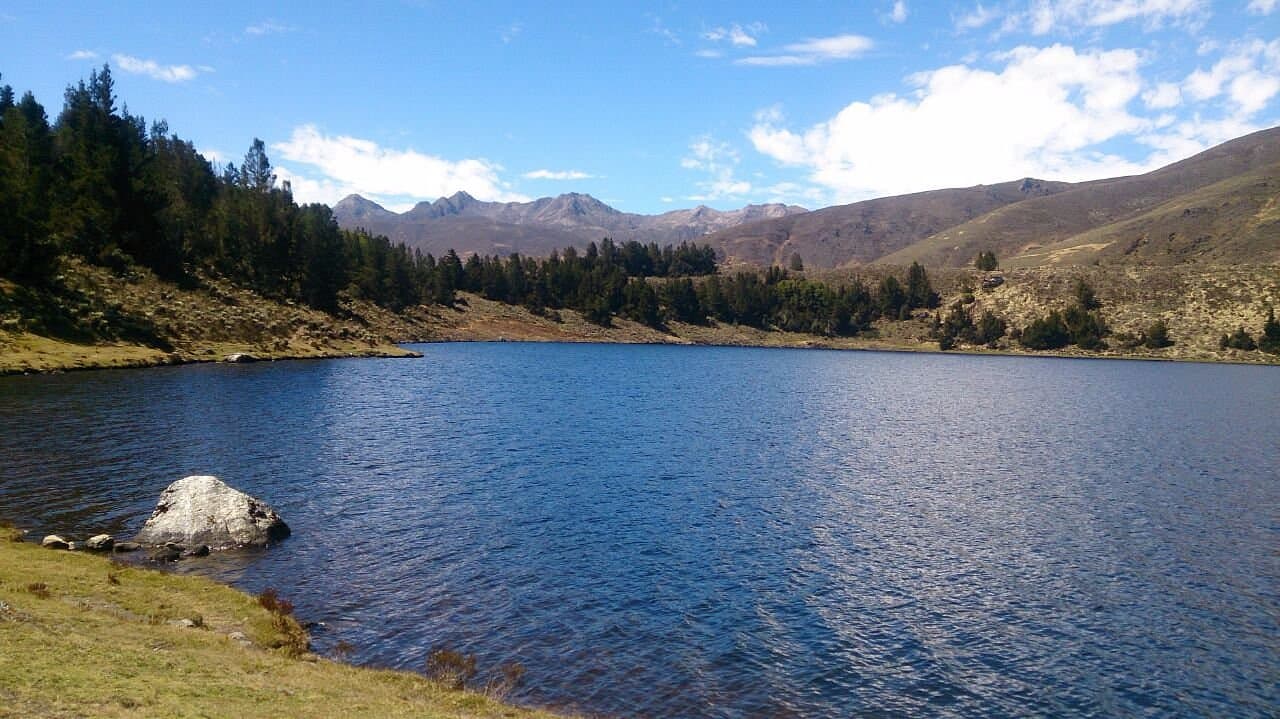
Páramo grassland, taller páramo shrubbery, treeline scrub and the upper edge of cloud forest; mostly 3,500-4,100 m, locally down to ~2,800 m in cloud-forest openings.
Behavior
Singly or in pairs; skulks and forages low in páramo bushes, Espeletia (frailejón) stands and treeline borders, gleaning arthropods (plus some seeds). Active and vocal but difficult to approach closely.
Voice
Song a dry rattling trill that decelerates at the end; calls include a high nasal 'meeeow', a squeaky rodent-like 'peeeap' and a high 'péé-d-deet'. Recordings on Xeno-canto and Macaulay Library — search 'Asthenes coryi'.
Andean Tit-Spinetail (Leptasthenura andicola) — also long-tailed páramo furnariid but streaked, capped, and gregarious; thistletail is unstreaked with an ochre face
Perijá Thistletail (Asthenes perijana) — allopatric (Sierra de Perijá only), no range overlap
Streak-backed Canastero / other Asthenes — out of range or streaked; the unstreaked plumage in páramo is the clincher
Guide note
Drive clients to a páramo stop at first light, then pish/play the decelerating trill at bush clumps — it pops up briefly on a bush top before dropping back in, so have everyone ready for the long spiky tail and ochre face in the first few seconds. Combine with Mérida high-Andes specialties (Bearded Helmetcrest, Andean Tit-Spinetail).