Locally fairly common WITHIN its tiny range, but the range is minuscule (the cloud-forest caps of the Paria Peninsula). A genuine single-site endemic — easy on territory, impossible anywhere else. Plan a dedicated Cerro Humo / Las Melenas trip to get it.
Field marks
Classic Myioborus shape: small, active warbler that constantly fans its black, white-cornered tail. Olive-gray above, a black crown/forecrown, and a bright yellow face and underparts. Bold white outer tail feathers flash in flight. The combination of an all-yellow face/throat (no clean black mask) plus the yellow underparts and tail-fanning behavior is diagnostic in its restricted range — no other whitestart occurs on the Paria Peninsula.
Habitat
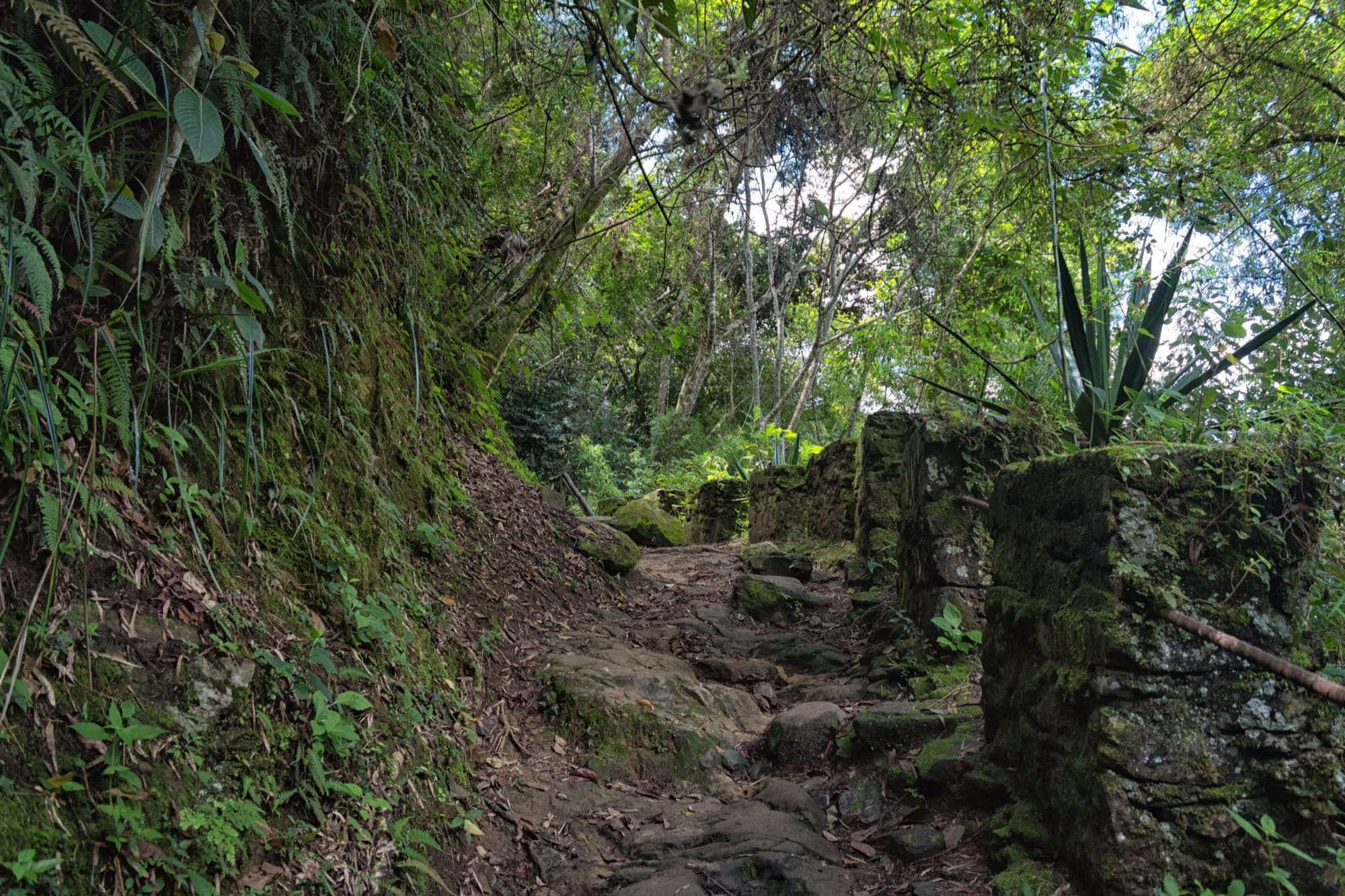
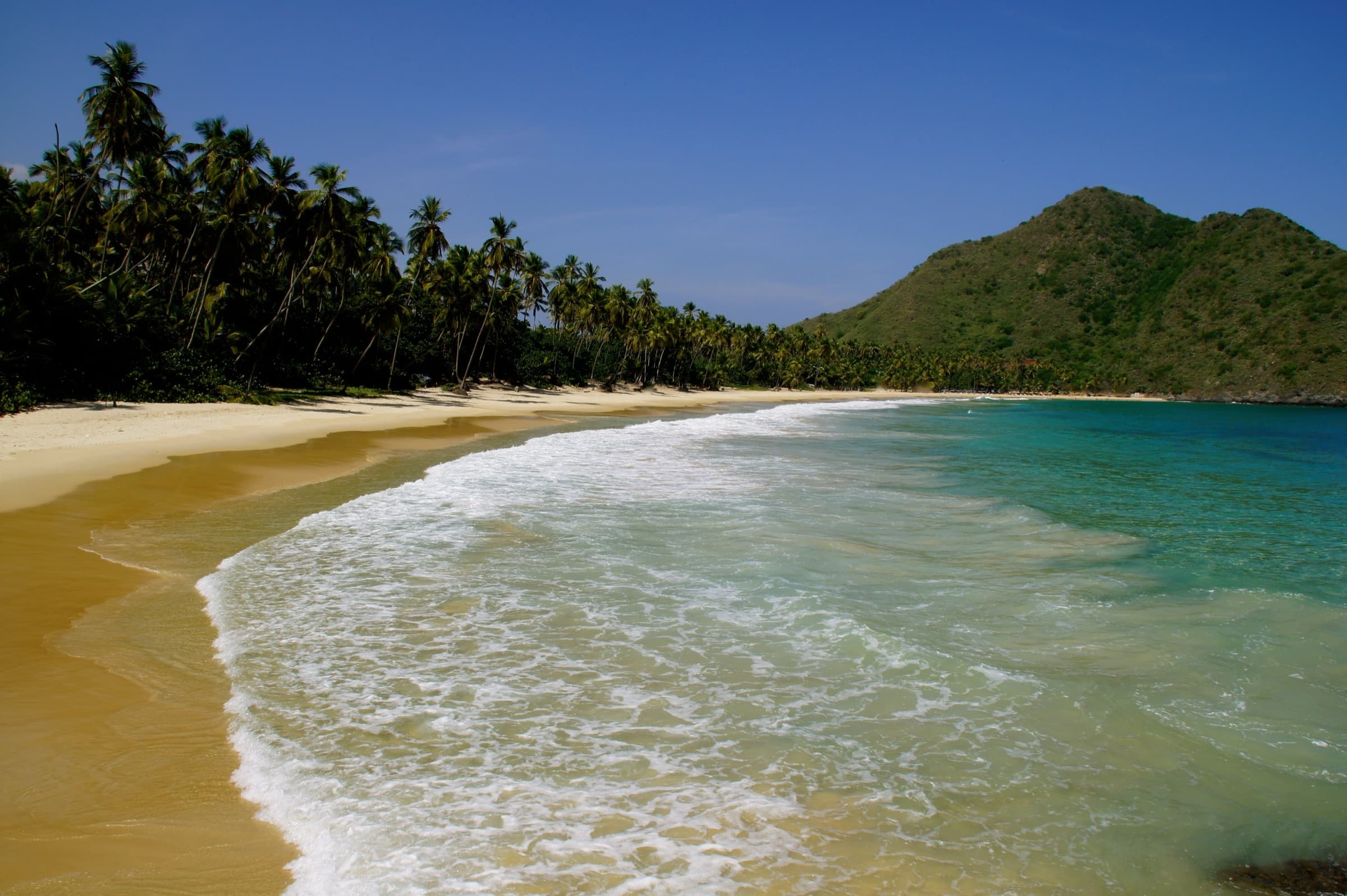
Edges, clearings, and canopy of humid montane cloud forest, roughly 800-1,200 m, on the high ridges of the Paria Peninsula (Cerro Humo, Cerro Azul). Comes lower at forest edge and around the national-park building.
Behavior
Hyperactive canopy and mid-story flycatcher-warbler. Sallies for insects, fans and spreads the tail to flush prey, often joins mixed-species flocks. Usually in pairs.
Voice
High, thin, slightly accelerating warbled song typical of Myioborus, plus sharp 'tsip' call notes. Recordings: search 'Paria Whitestart' or 'Myioborus pariae' on Xeno-canto (xeno-canto.org/species/Myioborus-pariae) and Macaulay Library.
None truly sympatric — it is the only whitestart on the Paria Peninsula. On range alone it cannot be confused with other Myioborus (Saffron-breasted/Guaiquinima Whitestart and the Roraiman/Tepui whitestarts are all far to the south in the tepuis).
Guide note
An Alliance for Zero Extinction trigger species — make the conservation story part of the experience. Work the upper Cerro Humo ridge from first light, listen for the thin song, and follow mixed flocks; the tail-fanning makes it one of the easier endemics to point out to clients once located. Hire a local guide for the climb and factor in current security/access conditions on the peninsula.