Rare and very localized; confined to a tiny band of high paramo and treeline shrubbery. Population estimated at only ~150-700 mature individuals and decreasing. A top paramo target that requires reaching the highest accessible elevations.
Field marks
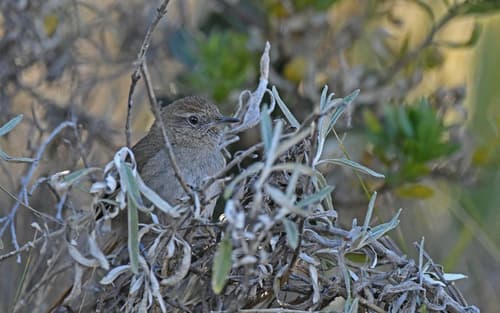
Slim furnariid with a very long, pointed, thin-feathered tail. Brownish, finely streaked upperparts; paler underparts with dark streaking; plain back and no orange chin patch. Separated from Streak-backed Canastero by the plain (unstreaked) back, lack of an orange/rufous chin spot, and the longer, thinner-feathered tail.
Habitat
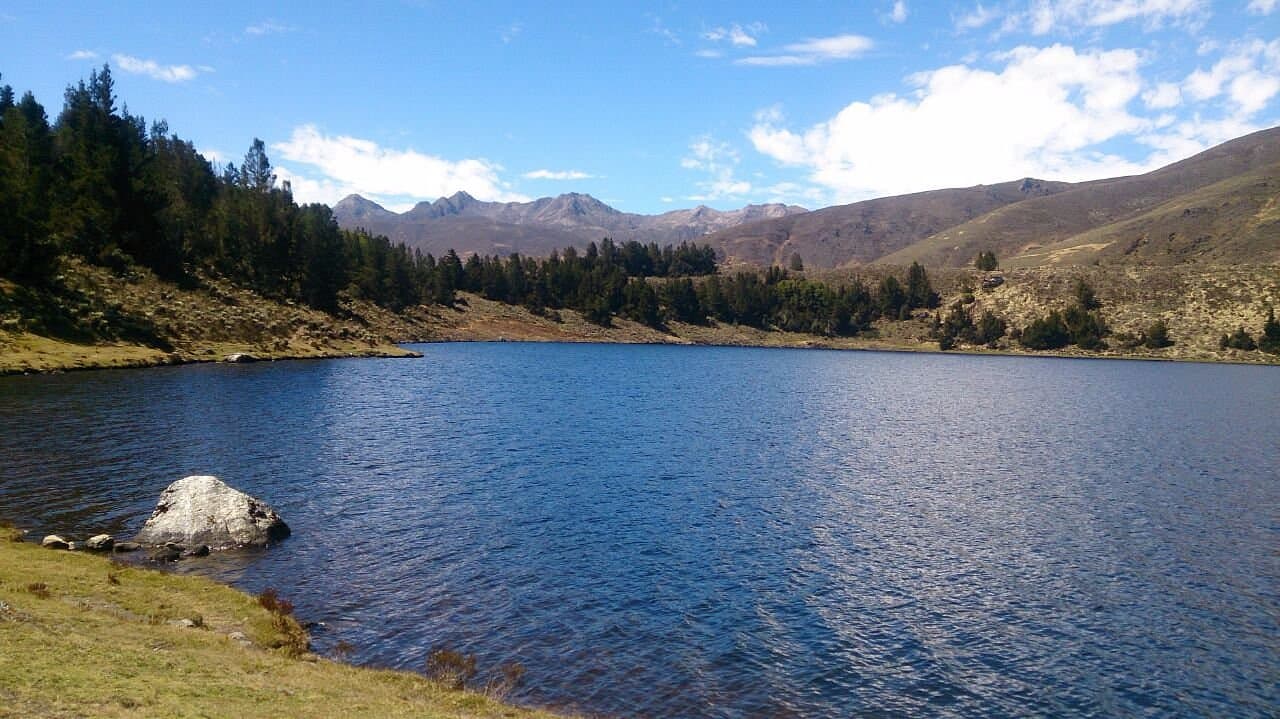
Dense thickets, shrubby tangles and elfin/paramo scrub at and just above treeline; ~3,000-3,400 m. Subtropical high-altitude shrubland and grassland of the Serrania del Perija.
Behavior
Skulks low in dense paramo shrubbery, working through the base of bushes and grass tussocks, usually alone or in pairs; cocks and waves the long tail; furtive and reluctant to perch in the open, but sings from cover at dawn.
Voice
Song some 3-5 drawn-out high-pitched 'pee' notes followed by a short descending dry trill; also gives sharp call notes. Search Xeno-canto / Macaulay Library under 'Asthenes perijana' or 'Perija Thistletail'.
Streak-backed Canastero (Asthenes wyatti) - differs in streaked back, orange chin patch, and shorter, broader-feathered tail
Other Asthenes/canasteros do not overlap in the high Perija paramo; the long thin tail and plain back are key
Guide note
A genuine high-altitude expedition bird: plan an overnight near the paramo to be in shrubline at dawn when it sings. Track down the 'pee-pee-pee + dry trill' song, then watch low bush bases - patience with the skulky tail-cocking behavior pays off. Account for cold, altitude and difficult access in the itinerary.