Uncommon, local and patchily distributed; a sought-after endemic. Population ~1,000-2,500 mature individuals across roughly a dozen wetland localities. Skulking, so genuinely hard to see well even where present.
Field marks
Small crake, 14-16.5 cm. Dark olive-brown crown and upperparts contrasting strongly with extensive RUFOUS (rusty-red) face, neck-sides, flanks and underparts. Throat and center of breast white. Sexes alike. Short greenish-yellow bill; legs dull. The combination of plain dark olive back + bright rufous underparts with a white throat is diagnostic.
Habitat
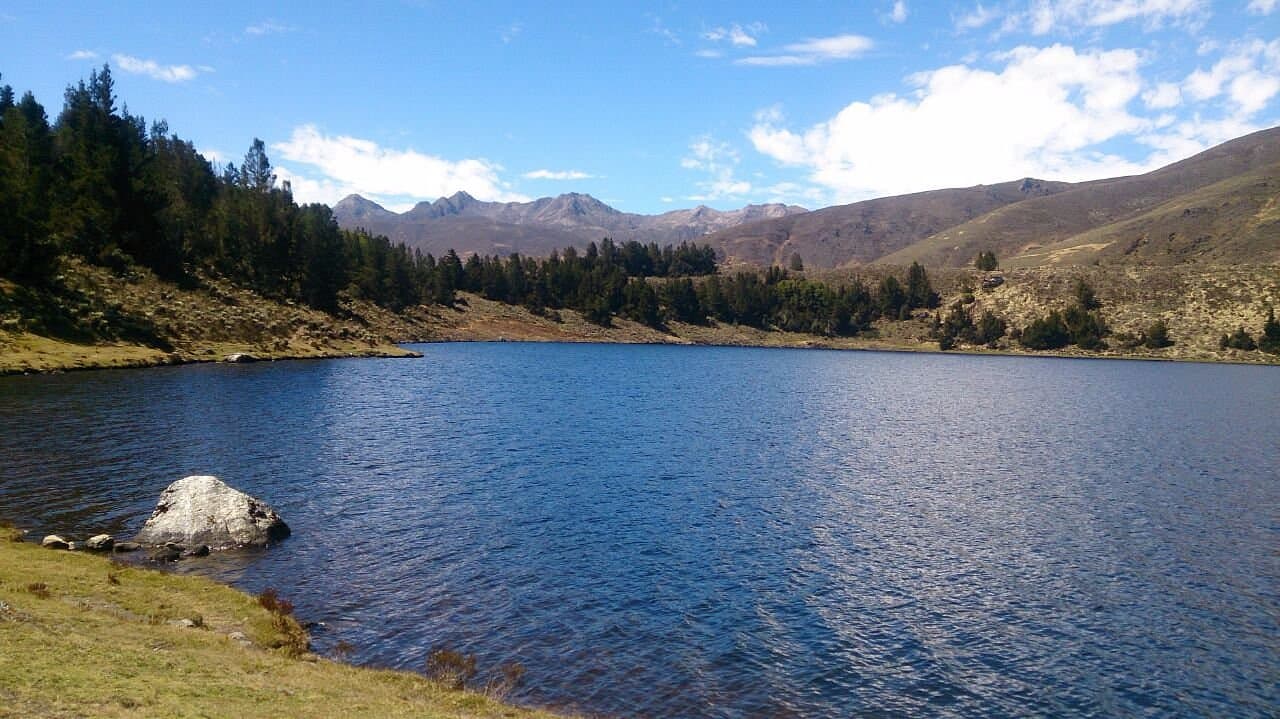
Wet lowland and foothill landscapes: freshwater marshes, swamps, lagoon and lakeshore edges, flooded pastures, ditches and rice/water-storage margins, ~20-600 m. North of the Orinoco, mostly Caribbean slope and western Andean foothills.
Behavior
Secretive; forages along vegetated water edges and through dense grassy/sedge cover, slipping into reeds when disturbed. Most vocal and detectable at dawn and dusk. Usually seen as a brief dash across an opening.
Voice
A sharp, churring/rattling trill and a descending series of clipped notes typical of Laterallus crakes; also a fast 'pi-pi-pi' chatter. Responds to playback. Search Xeno-canto and Macaulay Library for 'Laterallus levraudi' / 'Rusty-flanked Crake'.
Rufous-sided Crake (Laterallus melanophaius) — has a WHITE belly with rufous restricted to sides; Rusty-flanked shows far more extensive rufous below. Ranges barely overlap.
Russet-crowned Crake (Anurolimnas viridis) — browner overall, rufous crown, different habitat (grassland not marsh edge), different voice.
Guide note
Pick a known marsh with low cut edges, arrive at first light, and work the reed-grass interface with brief playback to draw a bird across an opening. Have clients pre-positioned and silent — views are split-second. Emphasize the extensive rufous underparts + white throat to lock the ID versus Rufous-sided Crake.