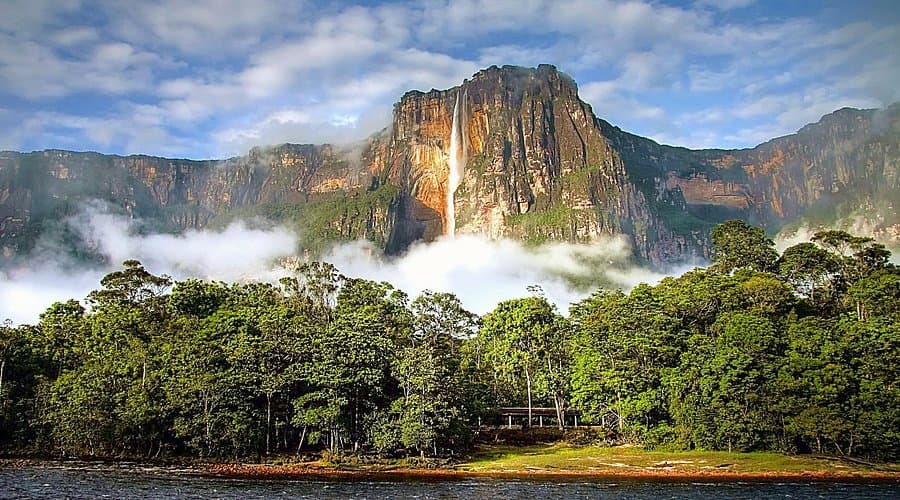
Locally fairly common but elevation-restricted: only at high elevations (above ~1000 m, mostly upper slopes and summits) so access governs how often you see it. Reliable at flowering/fruiting trees on the higher tepui sites.
Field marks
The largest flowerpiercer (~16.5 cm). Bluish-slate gray overall with a black mask and chin, silvery moustachial streak and silvery streaking on crown and mantle, and diagnostic chestnut crissum (undertail coverts). Pale silvery, slightly upturned/hooked flowerpiercer bill. Size, silvery streaking and chestnut vent separate it from all congeners.
Habitat
Subtropical/tropical moist montane forest and high-altitude tepui shrubland; favors the upper slopes and summit scrub above ~1000 m.
Behavior
Frequents flowering and fruiting trees and shrubs; plucks small fruit and pierces flower bases to steal nectar in classic Diglossa fashion. Often the showiest bird at a good flowering bush; singly, in pairs, or loosely associating at food sources.
Voice
Unusual song mixing high peeping notes with harsh grating notes; the peeping notes also serve as a contact call. Search Xeno-canto and Macaulay Library for 'Greater Flowerpiercer' (eBird/ML code greflo1).
Other Diglossa are largely absent or replaced at these high tepui elevations; its very large size, silvery streaking and chestnut vent make confusion unlikely within range.
Distant slate-gray tanagers can mislead at a glance — confirm the hooked flowerpiercer bill and chestnut crissum.
Guide note
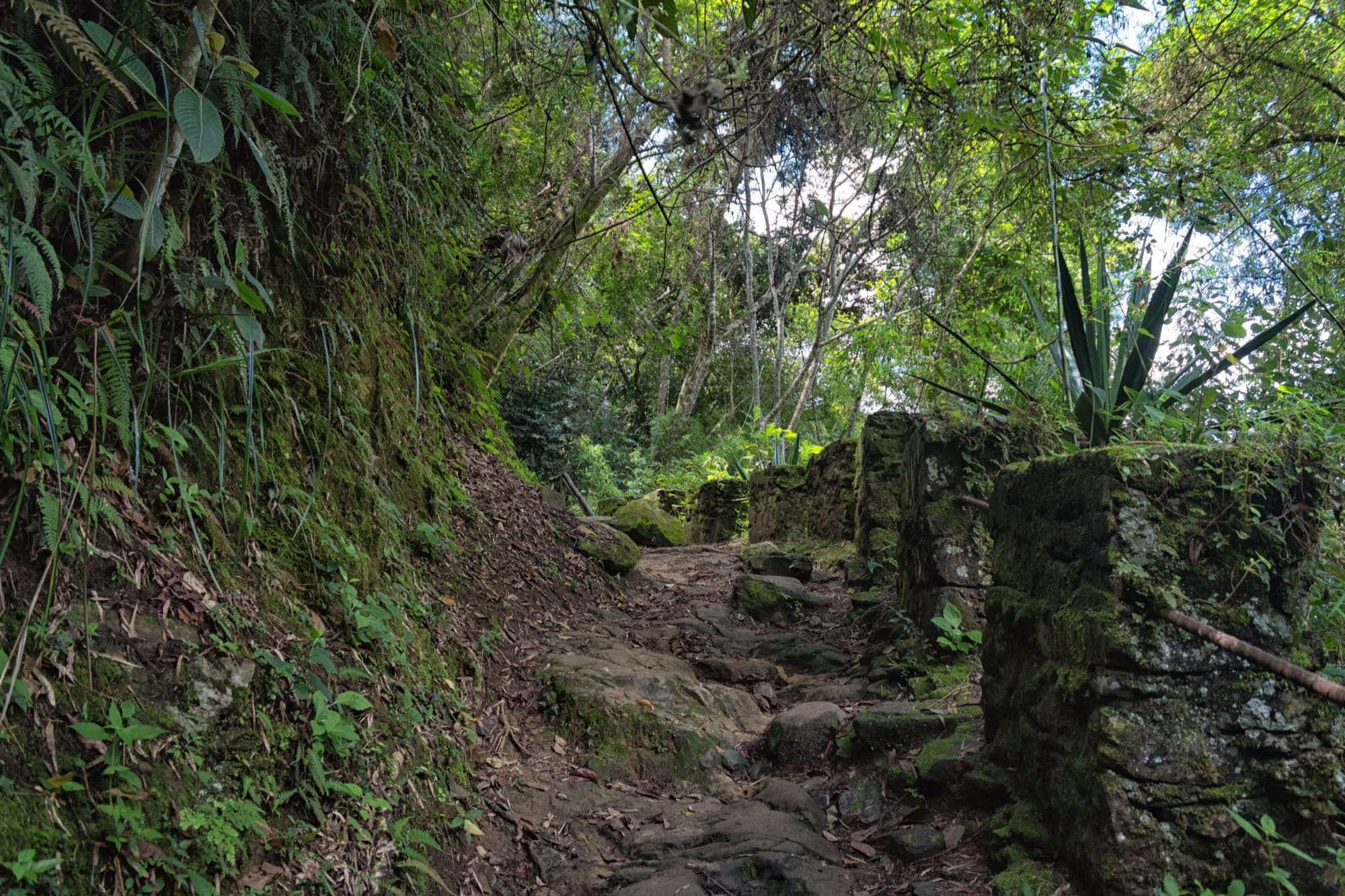
Stake out a flowering/fruiting tree near the top of the Escalera or on a tepui summit and wait — this is the most efficient way to show the bird. Emphasize the chestnut vent and silvery streaks for the ID; it is a flagship 'big-prize' endemic clients will want photographed.