Uncommon to locally fairly common but easily overlooked; a prized, often tricky Pantepui target — small, canopy-favoring and somewhat nomadic, so timing and luck matter.
Field marks
Tiny coquette (~9.5–10 cm). Male: glittering golden-green head with a black central crown line, long green cheek tufts tipped with large blackish-blue (peacock-eye) spots, white band across the rump, purplish-bronze slightly forked tail, rufous-and-white loral/eye spot. Female: heavily streaked/spotted green below, lacks long tufts. The eye-spotted ear tufts are diagnostic in males.
Habitat
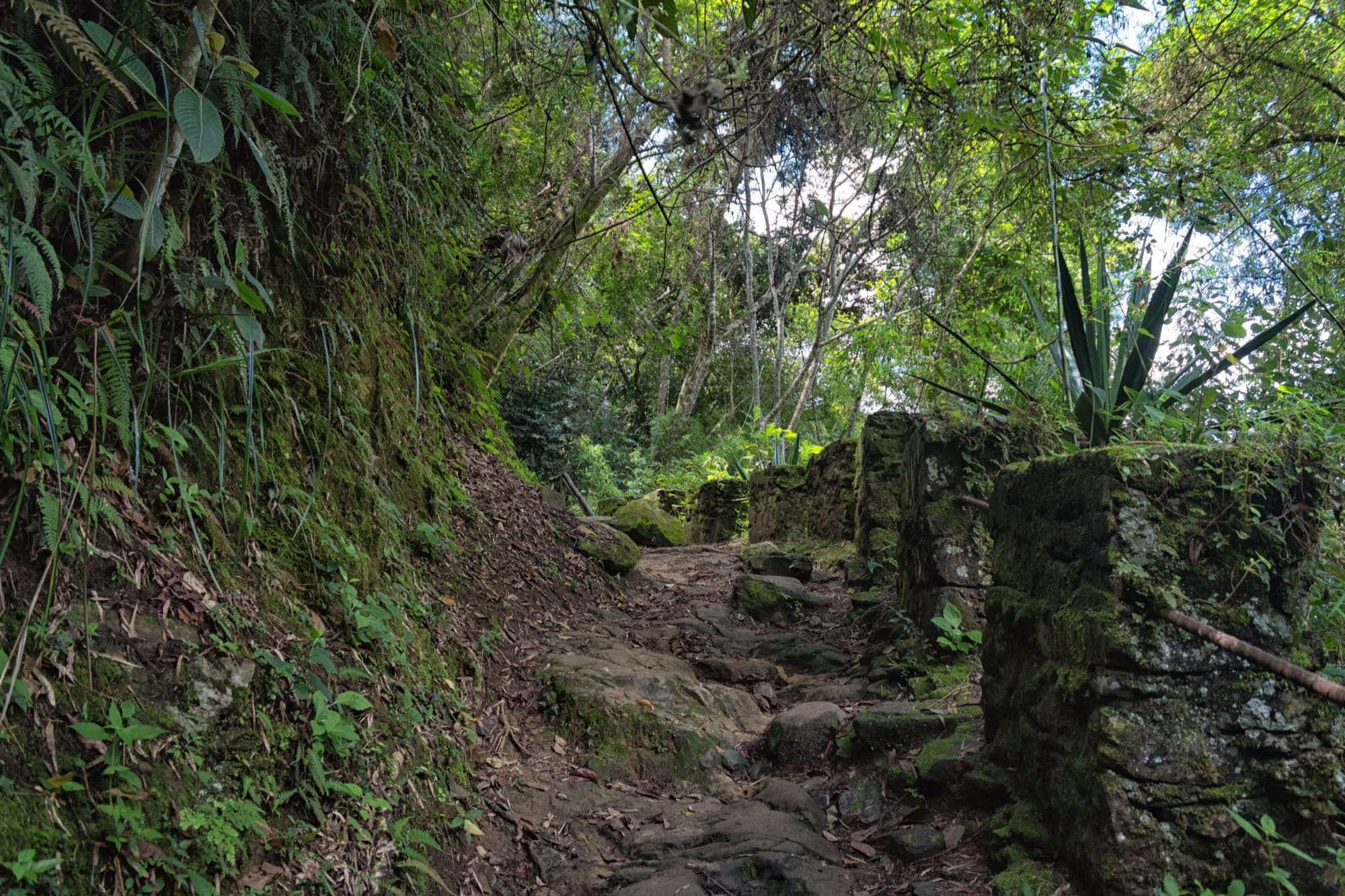
Interior, clearings and edges of humid montane forest and cloud forest on tepui slopes, 500–2,000 m; favors flowering canopy and edge trees.
Behavior
Forages high in flowering canopy and edge, often bee-like and unobtrusive; usually solitary, sometimes loose groups. Sedentary overall but makes nomadic/altitudinal movements (notably in Sierra de Lema), tracking flowering.
Voice
Weak, high thin tinkling/insect-like chips, easily missed; not strongly vocal. Search 'Lophornis pavoninus' on Xeno-canto and Macaulay Library / eBird (eBird code peacoq1).
Festive Coquette / other coquettes — generally allopatric in tepui zone; check for the black-spotted green cheek tufts and white rump band.
Female/immature vs Tufted-type female coquettes and small female emeralds — look for heavily spotted green underparts and small size.
Guide note
Stake out a flowering canopy tree (verbena/melastome blooms) along upper La Escalera mid-morning and be patient; scope males for the peacock-eye tufts. Warn clients it is small and bee-like — easy to dismiss as an insect.