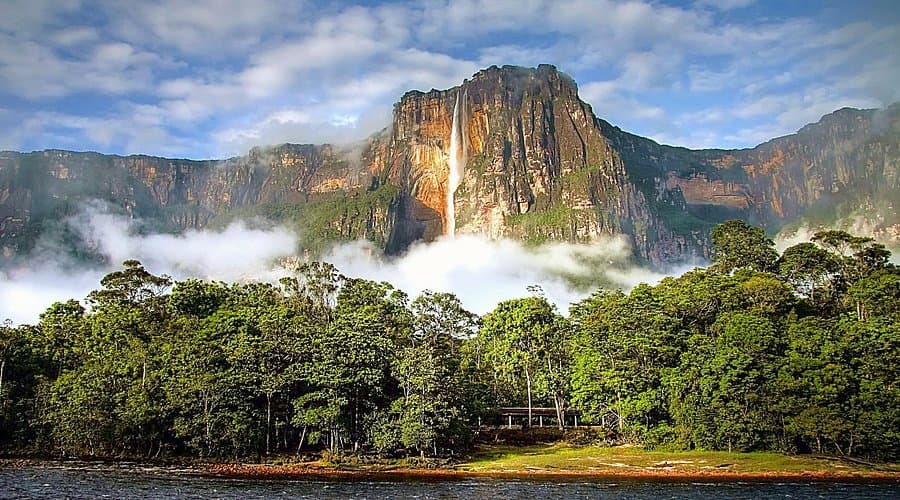
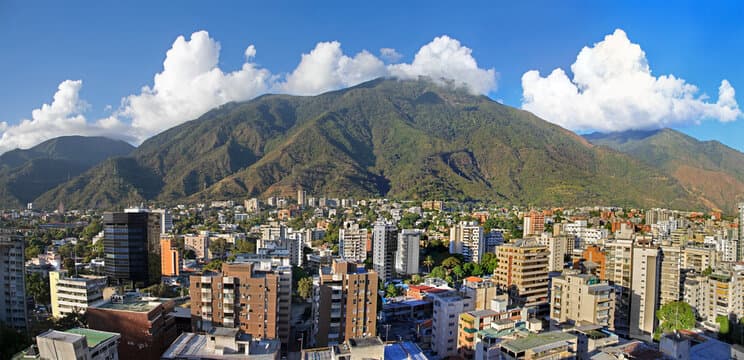
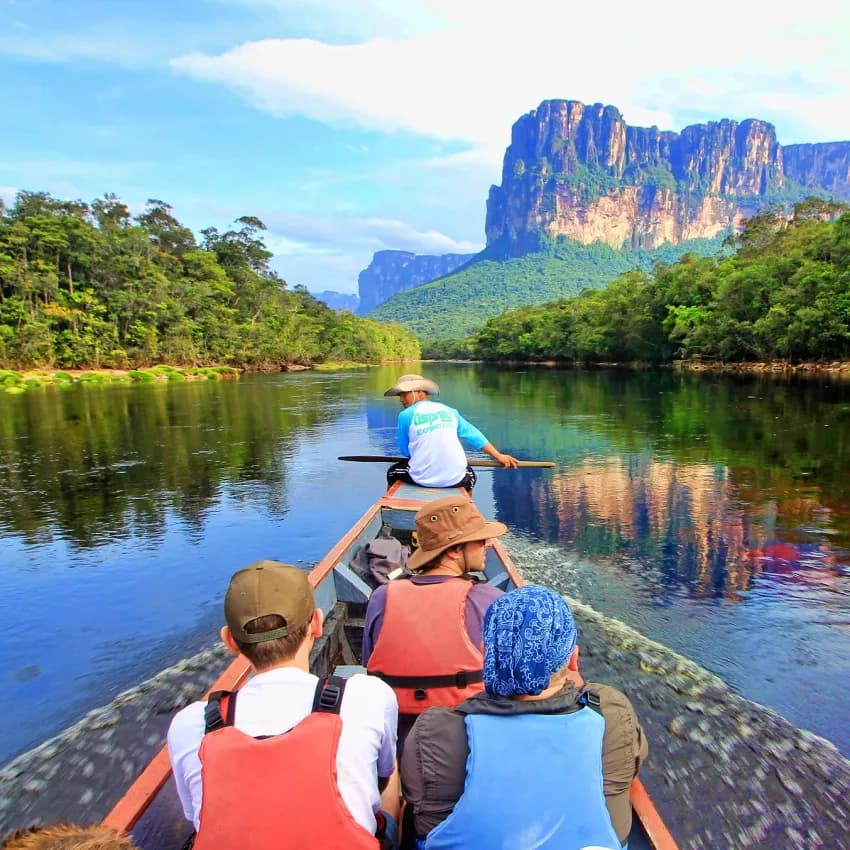
Bolivar, Amazonas (Venezuelan Pantepui), marginally extreme N Brazil and W Guyana on shared tepuis — but center of range and all subspecies diversity is Venezuelan
Fairly common to common within suitable tepui-slope forest; the default brushfinch of the Gran Sabana / Sierra de Lema highlands. Easy to find at the right elevation but skulks, so views take patience.
Field marks
Colorful highland brushfinch: rufous/chestnut crown and head, olive-gray upperparts, and yellow breast and belly. Throat color varies by subspecies (rusty in some, yellow in the two easternmost populations); westernmost birds show some blackish around the bill base. Highly geographically variable across sky-island populations.
Habitat
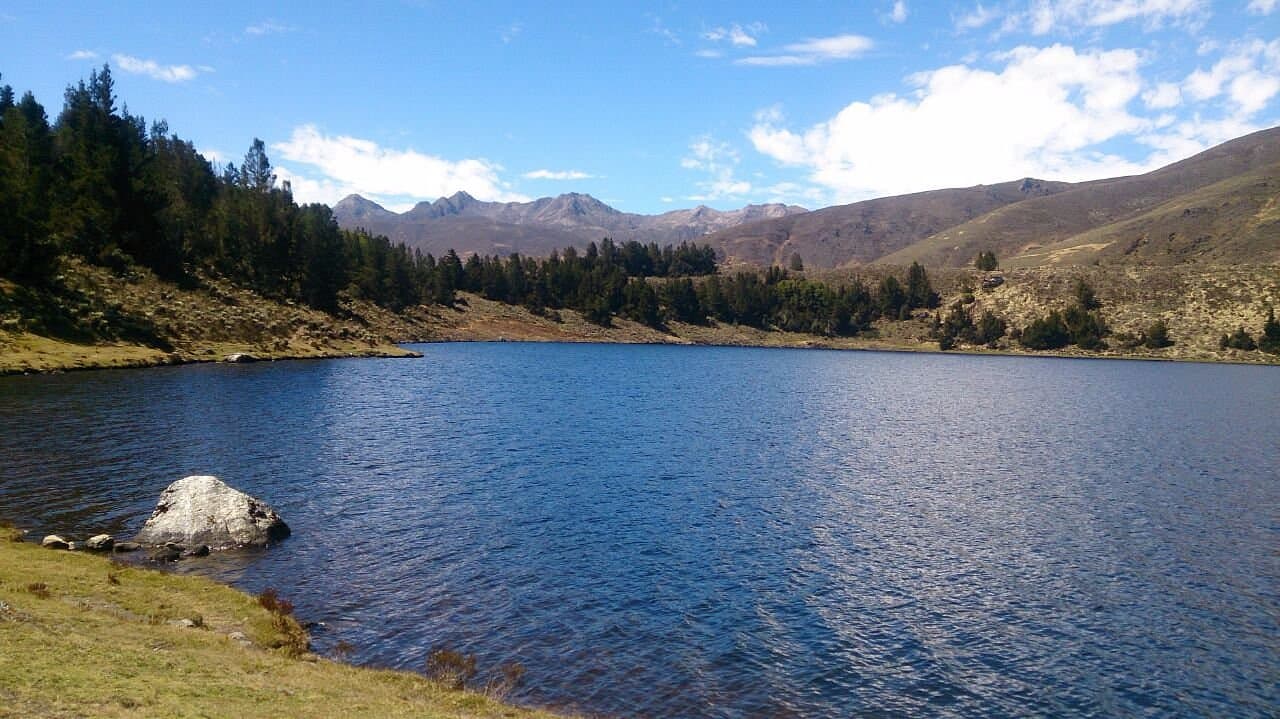
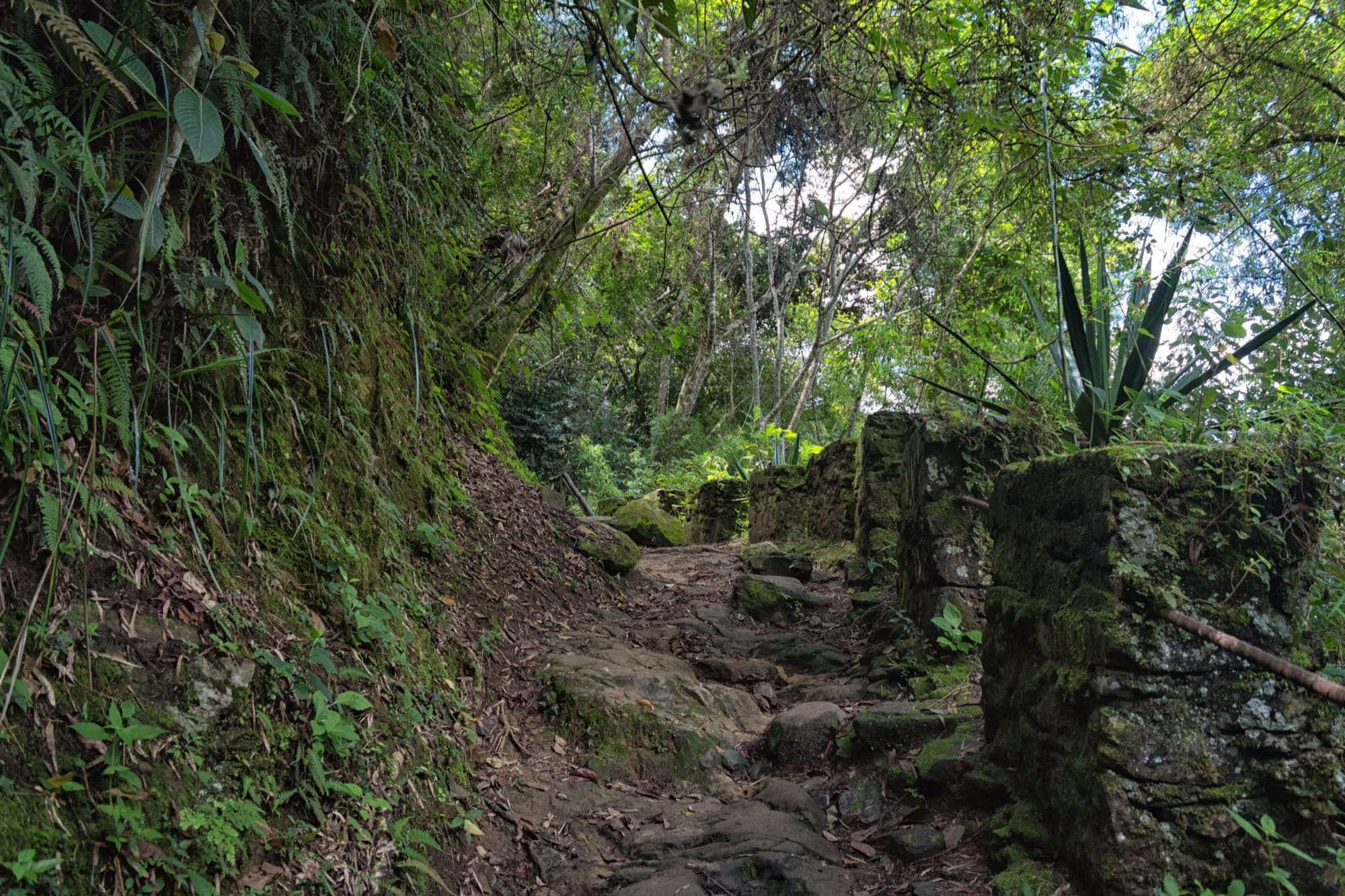
Understory and edge of humid montane (tepui) forest and dense second growth, generally above ~800 m up to ~2,500 m; favors dense melastome-rich growth and bamboo thickets, often on white-sand soils.
Behavior
Singly, in pairs, or small family groups; rummages through leaf litter and over mossy substrates for seeds and insects, and eats melastome berries. Stays in dense cover, hopping along the ground and low branches.
Voice
High, thin, sibilant warbler-like song and sharp 'tsip/seet' call notes typical of Atlapetes. Search Xeno-canto and Macaulay Library for 'Atlapetes personatus' / 'Tepui Brushfinch.'
Ochre-breasted Brushfinch (Atlapetes semirufus) — a northern-cordillera species, not in the tepuis, so range usually separates them; note Tepui Brushfinch's olive-gray (not blackish) back.
Other rufous-headed sparrows are absent from the tepuis, so within range a rufous-headed, yellow-bellied brushfinch is this species.
Guide note
Work forest edges and second-growth tangles along the Sierra de Lema road early morning; the bird responds to pishing and brief playback and will pop up to an exposed perch for a few seconds — have clients ready on a clear gap in the vegetation.