Locally fairly common on tepui slopes within a restricted range; one of the more reliable Pantepui hummingbirds along the Sierra de Lema road, though some effort needed.
Field marks
Medium-large brilliant (10–11 cm incl. ~2 cm bill, 5.5–7.5 g). Male: glittering golden- to emerald-green crown, a velvety blackish brow/supercilium (the namesake 'velvet brow'), dark golden-green face and upperparts, and a glittering violet-blue throat patch; dark golden-green breast/belly. Straight black bill. Female duller, green-spangled below with whitish/buff-flecked throat.
Habitat
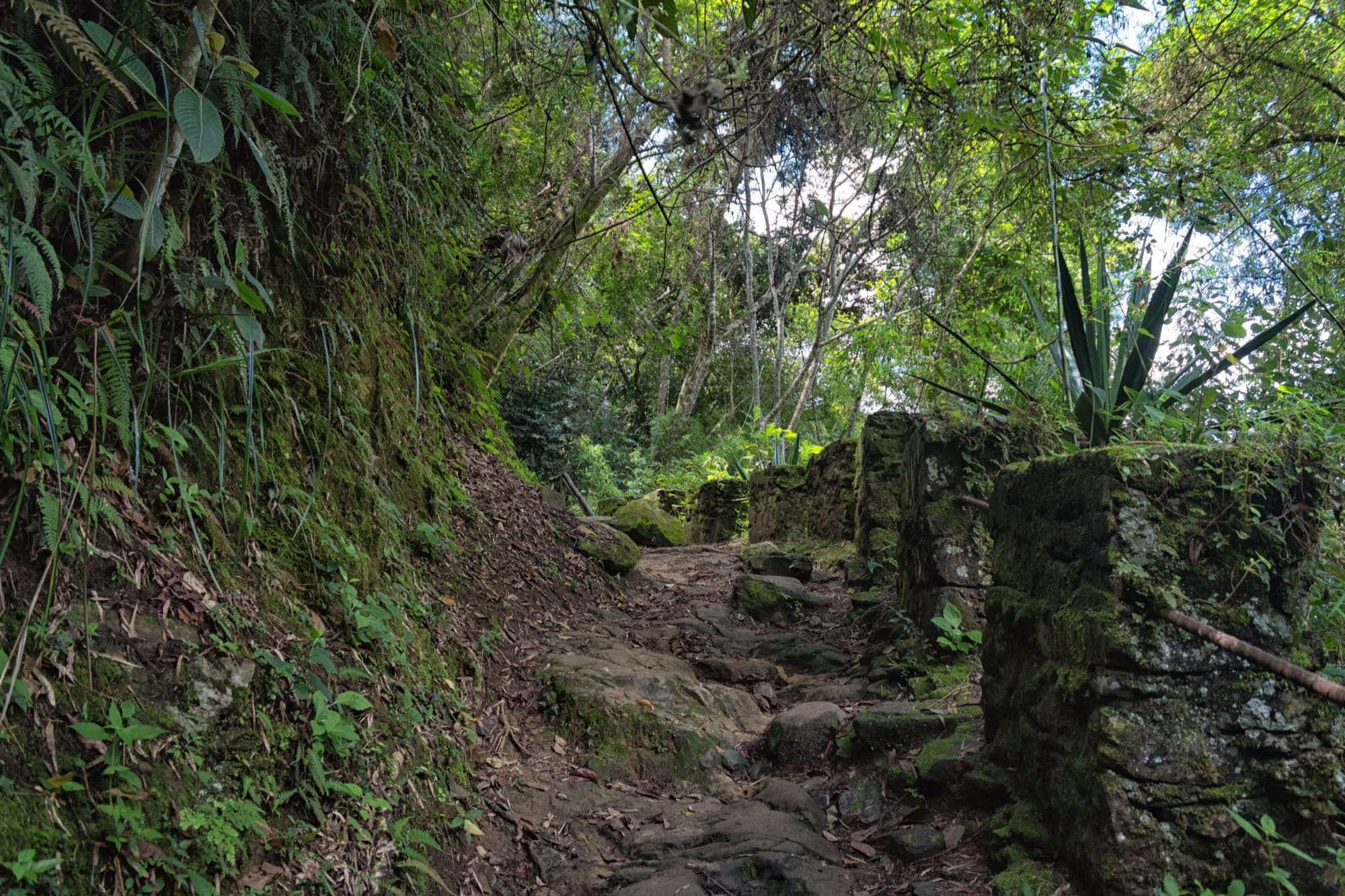
Humid montane and cloud forest, forest edge, clearings and scrub on the cerros and tepuis, mostly 700–2,000 m (locally down to ~500 m).
Behavior
Forages at flowering shrubs and small trees from understory to mid-levels; defends nectar sources. Often perches in the open at edges, making it one of the easier tepui hummers to see well.
Voice
A repeated nasal 'squank' given in flight, plus high-pitched, drawn-out reeling trills that rise and fall in pitch. Search 'Heliodoxa xanthogonys' on Xeno-canto and Macaulay Library / eBird (eBird code vebbri1).
Other Heliodoxa brilliants are largely allopatric here; nearest confusion is large green emeralds/Heliodoxa-types lacking the velvety blackish brow + violet-blue gorget.
Female could suggest a large female emerald or Gray-breasted Sabrewing — note green-spangled underparts and straight bill.
Guide note
Often the most cooperative tepui hummingbird: check flowering edge shrubs and roadside blooms along La Escalera and get clients onto the velvety dark brow and violet-blue gorget when a male perches.