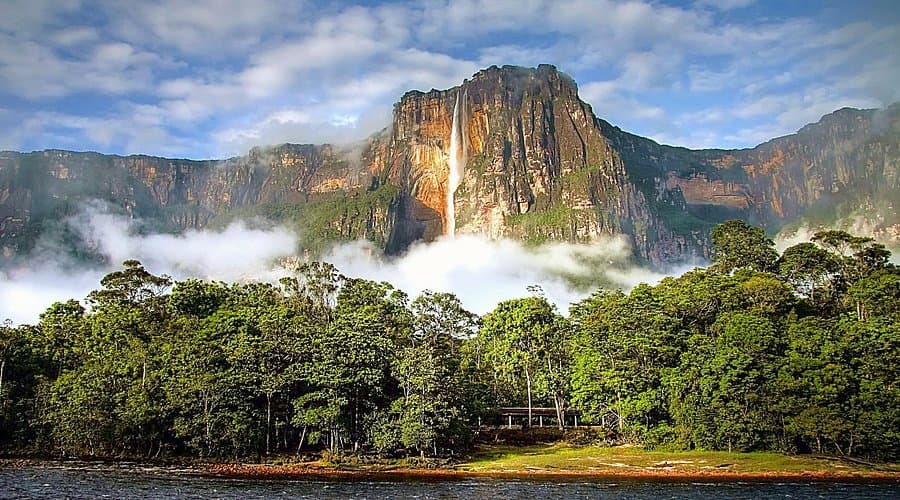
Locally fairly common but elevation-restricted: only en el high elevations (above ~1000 m, mostly upper slopes and summits) so access governs how often you see it. Reliable en el flowering/fruiting trees on the higher tepui sites.
Marcas
The largest flowerpiercer (~16.5 cm). Bluish-slate gray overall with a black mask and chin, silvery moustachial streak and silvery streaking on crown and mantle, and diagnostic chestnut crissum (undertail coverts). Pale silvery, slightly upturned/hooked flowerpiercer bill. Size, silvery streaking and chestnut vent separate it from all congeners.
Hábitat
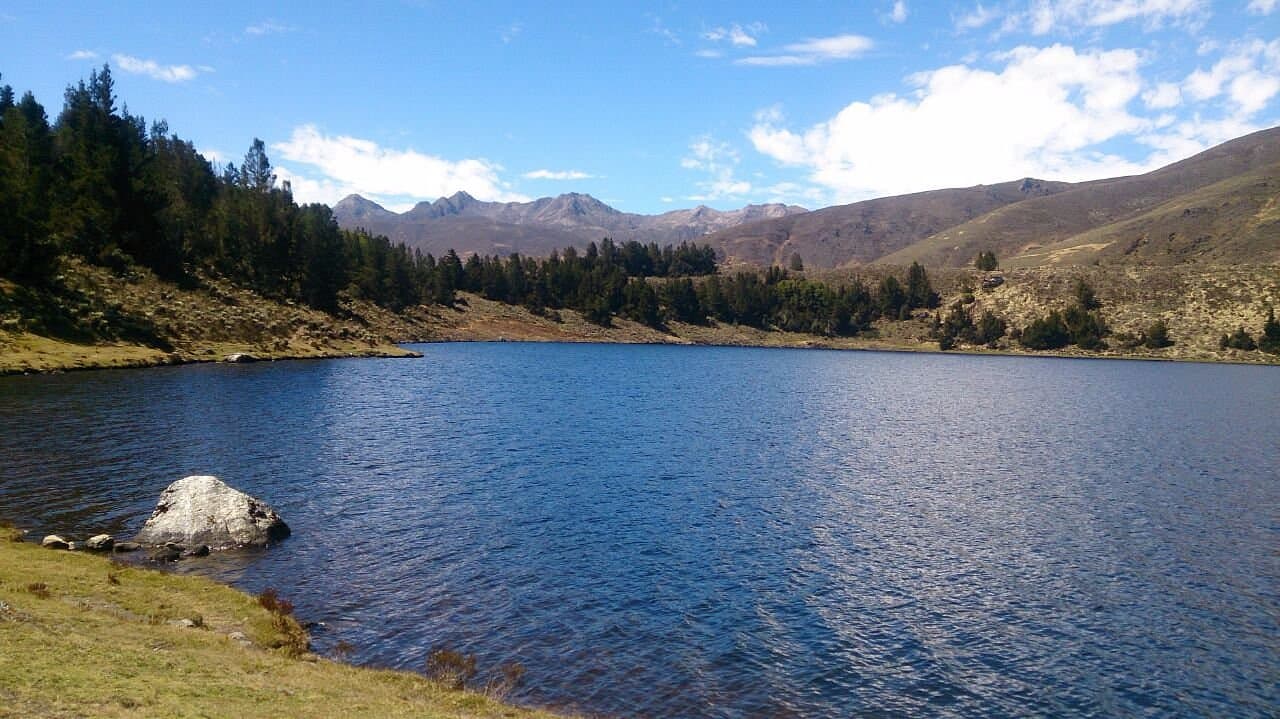
Subtropical/tropical moist montane forest and high-altitude tepui shrubland; favors the upper slopes and summit scrub above ~1000 m.
Comportamiento
Frecuentemente florecen y fructifican árboles y arbustos; arranca pequeñas frutas y perfora las bases de flores para robar néctar en la manera clásica de Diglossa. A menudo el pájaro más llamativo en un buen arbusto floreciente; por separado, en pares, o libremente asociarse a fuentes de alimentos.
Voz
Unusual song mixing high peeping notes with harsh grating notes; the peeping notes also serve as a contact call. Search Xeno-canto and Macaulay Library for 'Greater Flowerpiercer' (eBird/ML code greflo1).
Otros Diglossa están en gran parte ausentes o reemplazados en estas altas elevaciones de tepuy; su tamaño muy grande, rayas plateadas y ventilación de castaño hacen que la confusión sea poco probable dentro del rango.
Los tangaras grises de pizarra distantes pueden inducir a error de un vistazo —confirmar el pico de flor y castaño enganchado.
Nota de orientación
Stake out a flowering/fruiting tree near the top de the Escalera or on a tepui summit and wait — this is the most efficient way a show the bird. Emphasize the chestnut vent and silvery streaks for the ID; it is a flagship 'big-prize' endemic clients will want photographed.