Poco común pero fácilmente pasado por alto; un objetivo de Pantepui muy apreciado y a menudo complicado: pequeño, favorecedor del dosel y algo nómada, así que el momento y la suerte importan.
Marcas
Tiny coquette (~9.5–10 cm). Male: glittering golden-green head with a black central crown line, long green cheek tufts tipped with large blackish-blue (peacock-eye) spots, white band across the rump, purplish-bronze slightly forked tail, rufous-and-white loral/eye spot. Female: heavily streaked/spotted green below, lacks long tufts. The eye-spotted ear tufts are diagnostic en males.
Hábitat
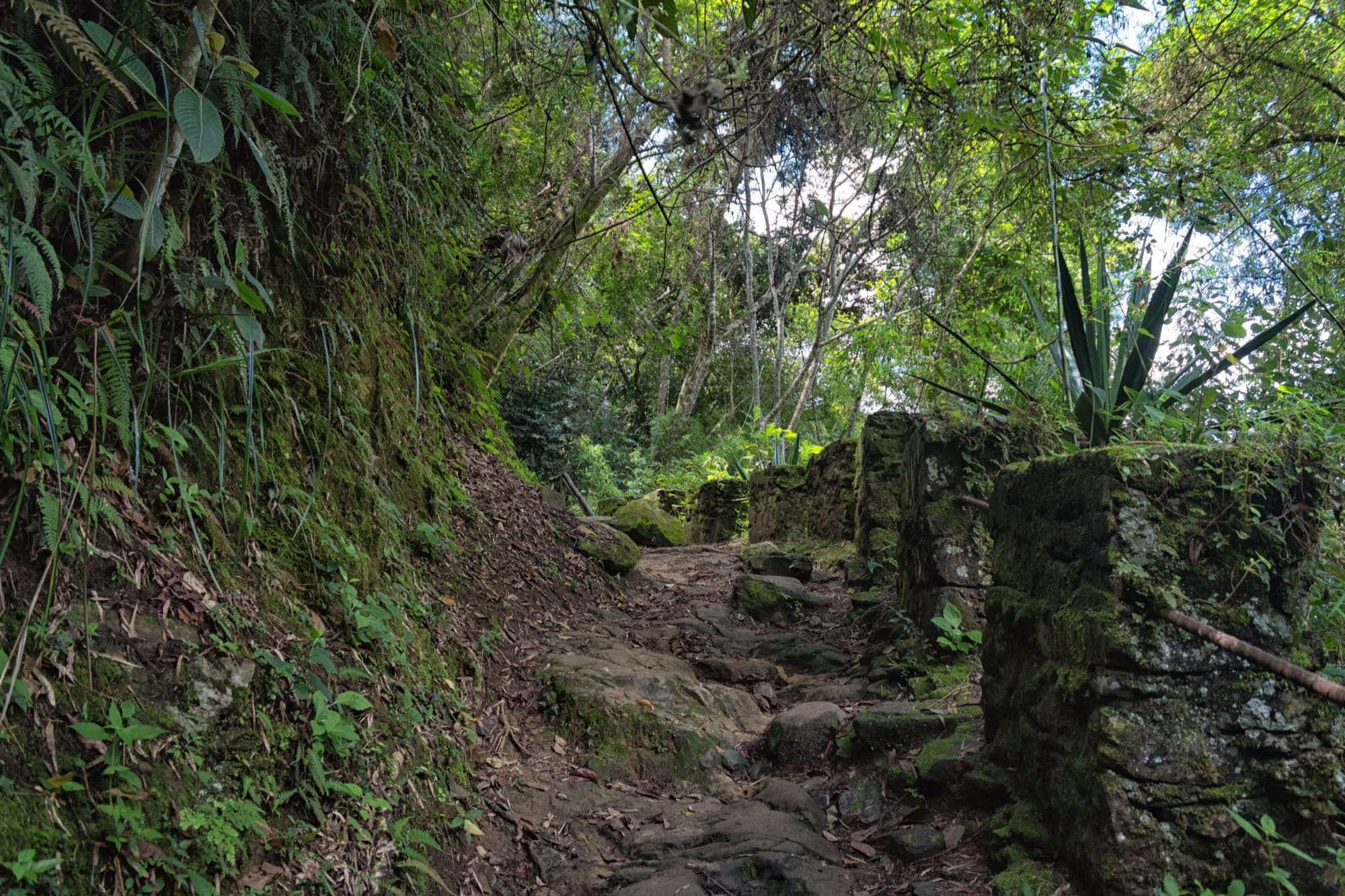
Interior, claros y bordes de bosque montano húmedo y bosque nuboso en laderas de tepuy, 500–2.000 m; favorece el florecimiento del dosel y los árboles de borde.
Comportamiento
Forages high en flowering canopy and edge, often bee-like and unobtrusive; usually solitary, sometimes loose groups. Sedentary overall but makes nomadic/altitudinal movements (notably en Sierra de Lema), tracking flowering.
Voz
Weak, high thin tinkling/insect-like chips, easily missed; not strongly vocal. Search 'Lophornis pavoninus' on Xeno-canto and Macaulay Library / eBird (eBird code peacoq1).
Coqueta festiva / otras coquetas — generalmente alopátricas en la zona tepuy; compruebe los mechones verdes manchados de negro y banda blanca de rabo.
Female/immature vs Tufted-type female coquettes and small female emeralds — look for heavily spotted green underparts and small size.
Nota de orientación
Stake out a flowering canopy tree (verbena/melastome blooms) along upper La Escalera mid-morning and be patient; scope males for the peacock-eye tufts. Warn clients it is small and bee-like — easy a dismiss as an insect.