Los Llanos Wildlife Safari: Venezuela's Serengeti
How to plan a wildlife-safari trip to Los Llanos — the hato ranch-lodges, the Dec–Apr dry season, getting there from Barinas or San Fernando de Apure, and what you can realistically expect to see.

Venezuela's vast Orinoco floodplain savanna — the country's great wildlife-safari country
0
listings
How to get there
Overland — ~3 hrs from Barinas, or via San Fernando de Apure
Best season
Dec – Apr (dry season, wildlife concentrates)
Where to stay
Hato El Cedral (Apure), ~$100 pp/night all-inclusive
What you'll see
Capybara, caiman, anaconda, giant anteater, scarlet ibis, pink river dolphin
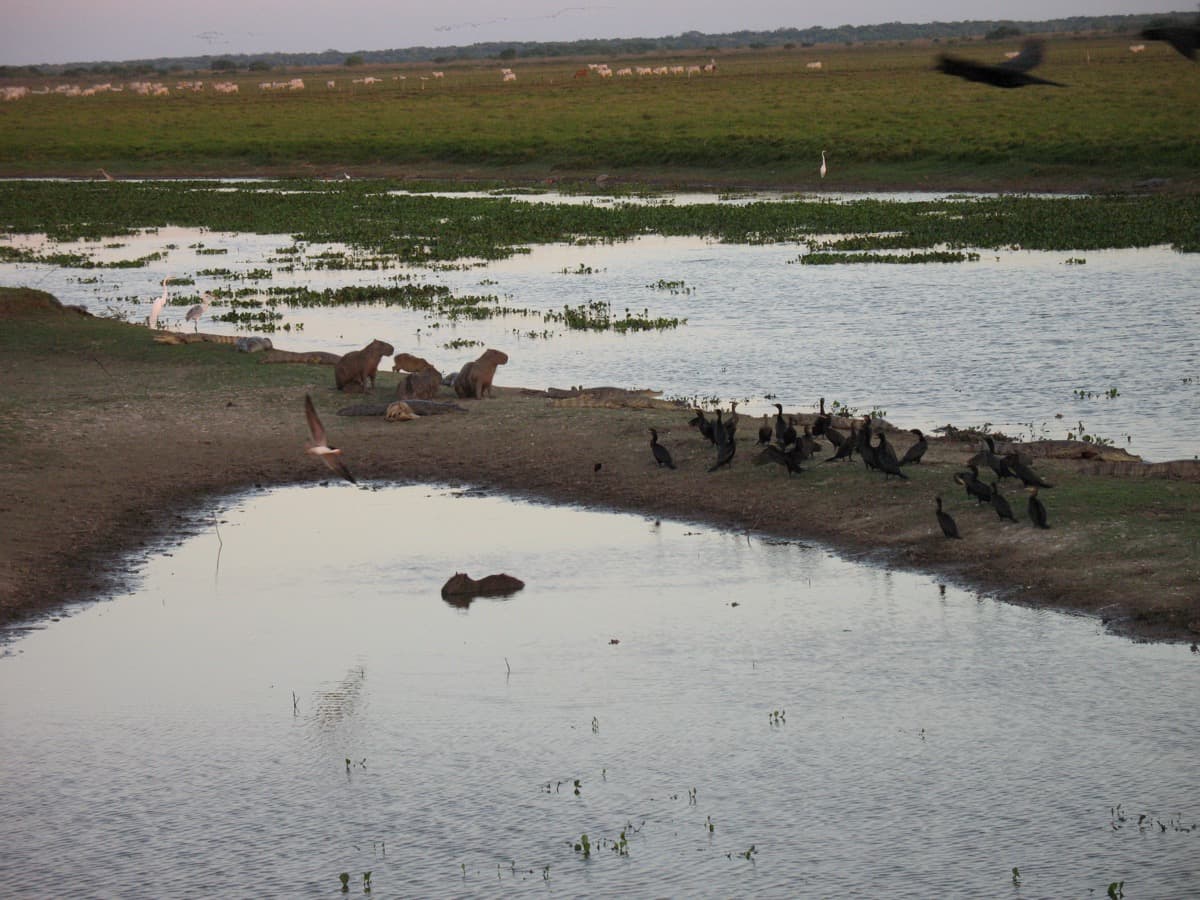
Los Llanos is the immense tropical grassland that spreads across Venezuela's interior, south of the Andes and north of the Orinoco. In the wet season it floods; in the dry season it draws down into rivers, lagoons, and waterholes — and as the water shrinks, the wildlife concentrates. This is the reason to come. Few places in the Americas let you see so much, so easily, from the back of a safari truck or a flat-bottomed boat: capybara by the hundred, spectacled caiman lining the banks, anaconda in the marsh grass, giant anteater working the open ground, and flocks of scarlet ibis turning the evening sky red.
The tourism here is built around the hatos — the working cattle ranches of the plains, several of which have opened their land to visitors as all-inclusive wildlife lodges. The flagship operating ranch is Hato El Cedral, in Apure state, roughly $100 per person per night all-inclusive, with daily truck safaris across the savanna and boat trips on the caños (channels). (Note: the once-famous Hato Piñero in Cojedes was expropriated and is closed to tourism — don't plan around it.) Days start before dawn for the best light and animal activity and run through a second outing at dusk.
The best season is the dry months, roughly December through April, when the drawing-down water forces animals into the open and the roads are passable. Access is overland: about three hours by road from Barinas, or via San Fernando de Apure, the plains' main town. Los Llanos is not a beach or a mountain trip — it is a patient, unhurried wildlife trip, and for anyone who wants to actually see South American megafauna rather than hope for a glimpse, it is the single best thing Venezuela offers.

Top highlights
0 listings
We add new experiences every week — check back soon.
Next step
Once you know your base and access model, build the Los Llanos itinerary around transfer windows, operator quality, and where you will actually sleep.

Truck safari
Daily drives across the open savanna at dawn and dusk for the best wildlife activity
Boat safari
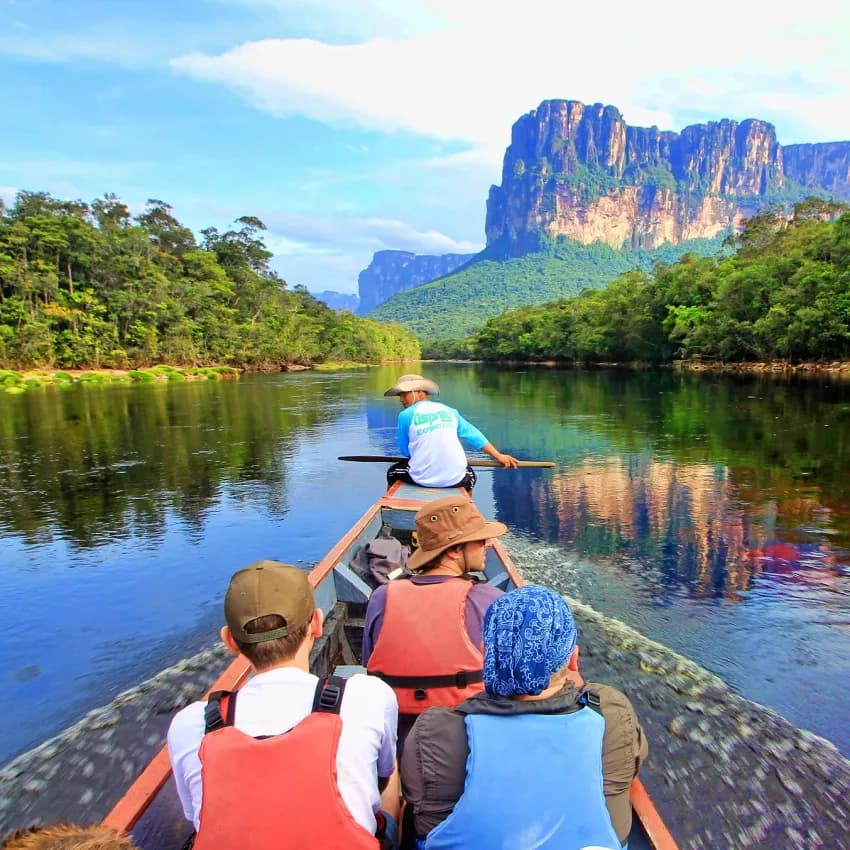
Flat-bottomed boat trips on the caños for caiman, river dolphin, and waterbirds
Capybara & caiman
The plains hold some of the densest concentrations of both anywhere in South America
Scarlet ibis roosts
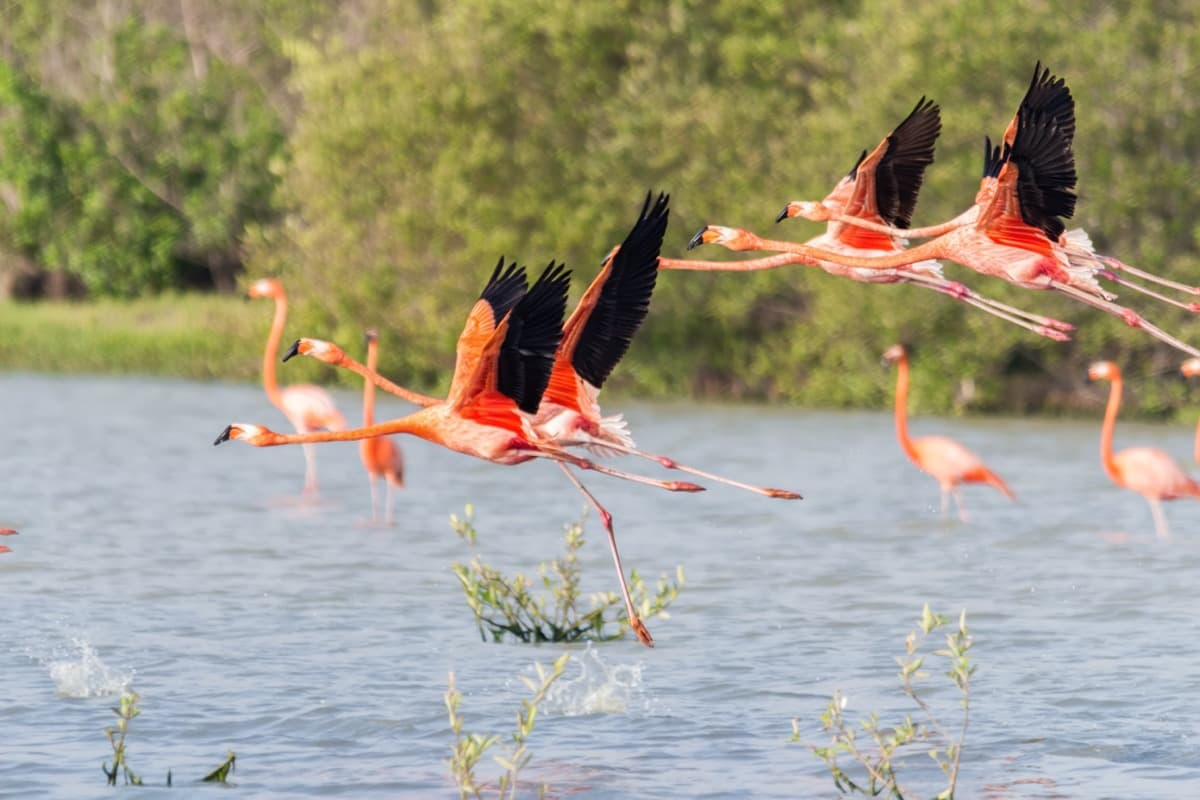
Evening flights of ibis and other waterbirds turning the sky red over the floodplains
Anaconda & anteater
The green anaconda and the giant anteater are two of the plains' signature sightings

How to plan a wildlife-safari trip to Los Llanos — the hato ranch-lodges, the Dec–Apr dry season, getting there from Barinas or San Fernando de Apure, and what you can realistically expect to see.

Los Llanos is one of the great waterbird spectacles in the Neotropics — scarlet ibis, herons, storks, and the whistling-ducks that rise off the floodplains at dawn.