Natural Wonder
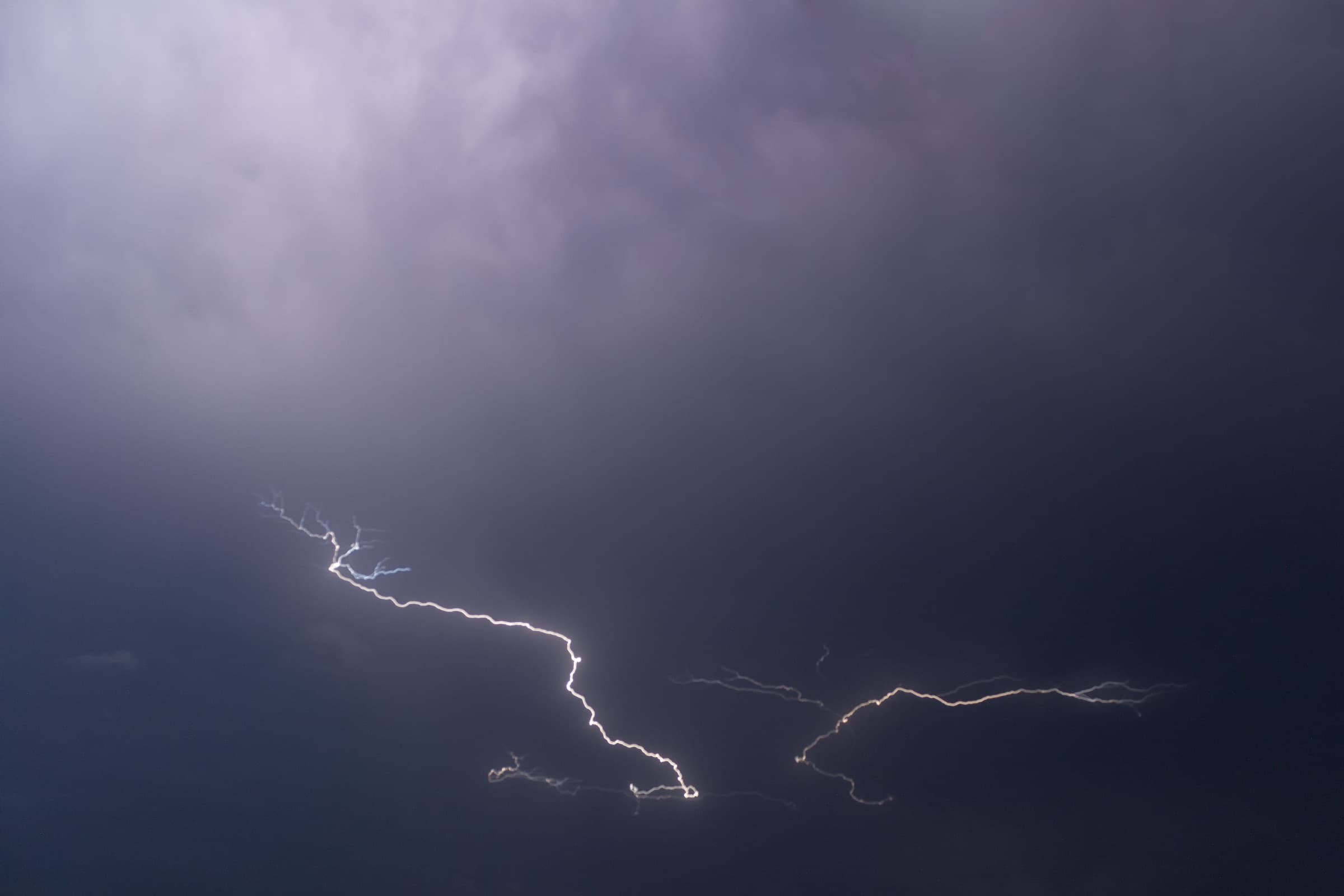
Catatumbo Lightning: One of the World's Most Reliable Storms
When to go, how to get to the viewing point, and why this natural phenomenon still doesn't get the attention it deserves.
7 min read
Oil city on a lake, near one of the world's most reliable lightning displays
0
listings
How to get there
Direct flight from Caracas (1 hr)
Best for lightning
Sep – Nov (peak season)
Typical budget
$30–70/day
Temperature
Hot year-round — 28–35°C average
Maracaibo is Venezuela's second city — hotter, louder, and more self-assured than Caracas. It sits on the western shore of Lake Maracaibo, the largest lake in South America, and its economic history has been written entirely in petroleum: the first major commercial oil well was drilled near here in 1914, and the lake's underwater reserves are among the largest in the world.
**Travel advisory (May 2026):** The UK FCDO advises against all travel to Zulia state (which includes Maracaibo); Canada and the United States maintain elevated advisories for the area. Visitors should arrive only with a vetted in-country host, plan transfers door-to-door, and treat the city's perimeter and the Colombia border zone as off-limits. The Catatumbo Lightning marshes south of the lake remain accessible only via specialist operators — not as an independent trip.
The Catatumbo Lightning — relámpago del Catatumbo — is the region's most extraordinary natural phenomenon. Over the marshes where the Catatumbo River meets the lake's southwestern shore, near-continuous nocturnal lightning occurs on roughly 140–160 nights per year, with storms that can last many hours and, at peak, an extraordinarily high flash rate. It is among the most reliable lightning displays anywhere on earth. Viewing it means a multi-hour or overnight trip to lakeside villages such as Congo Mirador or Ologá on the southwestern marshes, arranged through a specialist operator — not a quick boat trip out of Maracaibo.
The old colonial quarter of El Saladillo has been undergoing restoration and reveals the city's pre-oil character: tiled colonial houses, a waterfront promenade, and the Rafael Urdaneta Bridge — at about 8.7 km, one of the longest pre-stressed concrete bridges in the world — visible across the lake.
Top highlights
0 listings
We add new experiences every week — check back soon.
Next step
Once you know your base and access model, build the Maracaibo itinerary around transfer windows, operator quality, and where you will actually sleep.

Catatumbo Lightning
Multi-hour/overnight trip to lakeside villages (Congo Mirador/Ologá) via a specialist operator
Rafael Urdaneta Bridge
One of the longest pre-stressed concrete bridges in the world (~8.7 km)
El Saladillo
Colonial quarter with restored 19th-century buildings
Lake Maracaibo
Freshwater fishing and lakeside boat tours
Maracucho food
Mandoca, mojito en coco, and pabellón zuliano
When to go, how to get to the viewing point, and why this natural phenomenon still doesn't get the attention it deserves.
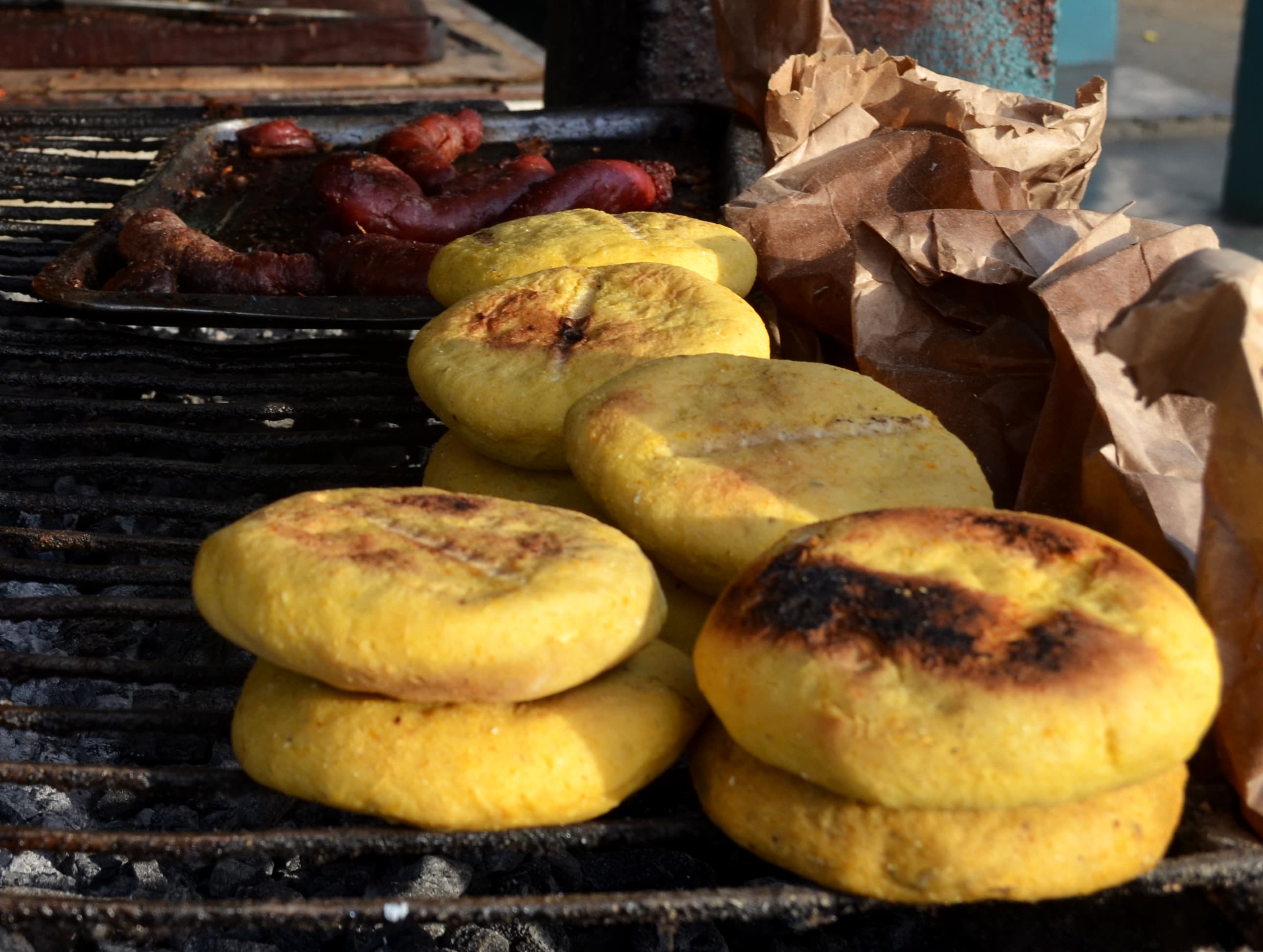
Mandoca, patacón zuliano, and the breakfasts that explain why Maracuchos are obsessed with their own food culture.