Choroni, Venezuela: The Complete Travel Guide
The road announces it before you arrive. From Maracay, you climb into Henri Pittier National Park — Venezuela's oldest, established in 1937 — and for 45 minutes the asphalt winds through cloud forest so dense that the canopy closes overhead like a tunnel. Bromeliads hang from every branch. Mist sits in the valleys. The temperature drops ten degrees. Then the road crests, descends in a series of switchbacks, and the Caribbean appears below you — a shock of blue after all that green. That transition, from Andean foothills to tropical coast in under an hour, is the defining experience of Choroni. Everything that follows is shaped by that geography.
Choroni itself is a colonial village of perhaps 4,000 people, built on cacao money in the 17th and 18th centuries and largely unchanged since. The streets are narrow. The houses are painted in faded pastels — ochre, terracotta, sky blue — with thick walls that keep the interior cool without air conditioning. Bougainvillea spills over courtyard walls. The church of Santa Clara dominates the central plaza, and on weekend evenings the plaza fills with families, drum circles, and the smell of fried fish from street vendors. Two kilometres down the road, the fishing village of Puerto Colombia sits at the river mouth where the Choroni valley meets the sea, and this is where most visitors actually stay — closer to the beach, the boats, and the posadas.
What makes Choroni different from every other Caribbean coastal town in Venezuela is convergence. Three things come together here that do not come together anywhere else in the country: cacao cultivation that predates independence (Choroni cacao is exported to European chocolatiers who treat it as single-origin specialty product), Afro-Venezuelan drum culture that traces directly to colonial-era plantation communities, and the ecological drama of a cloud forest that drops straight into the Caribbean. The result is a place where you can spend the morning on a dark-sand beach, the afternoon watching cacao beans ferment at a hacienda, and the evening listening to drums that have been playing on this coast for three hundred years.
We have a curated collection of Choroni listings, nearly all of them stays — posadas and guesthouses that range from hammock-on-the-porch simple to restored colonial homes with interior gardens. No chain hotels. No resorts. This is a place that has resisted that kind of development, and that resistance is the point.
Quick Facts
| Detail | Info |
|---|---|
| Location | Aragua state, northern coast, inside Henri Pittier National Park |
| Population | ~4,000 (Choroni village); Puerto Colombia slightly smaller |
| Climate | 26-32°C year-round, humid, afternoon rain showers common |
| Best time to visit | Year-round; weekdays are significantly quieter than weekends |
| Getting there | 2.5-3 hour drive from Caracas via Maracay |
| Typical daily budget | $30-80 USD/day |
| Language | Spanish only |
| Currency | USD accepted at most posadas; bolivares for street food and small purchases |
| Time zone | UTC-4 (Venezuela Standard Time) |
Why Visit Choroni
Choroni does not try to be a resort destination, and that is precisely what makes it worth the drive. While Margarita competes on nightlife and Los Roques on pristine water, Choroni competes on something harder to manufacture: atmosphere. Three reasons it belongs on your list.
The drive is the first attraction. The road from Maracay through Henri Pittier is not a commute you endure to reach the coast — it is one of the most scenic drives in Venezuela. The park protects a remarkable share of Venezuela's bird diversity — on the order of 40% of the country's recorded species (roughly 580 species) within its boundaries. The road climbs from dry scrubland through transitional forest into full cloud forest — epiphytes, tree ferns, howler monkeys in the canopy — before the dramatic descent to the coast. Birdwatchers come specifically for this road. Everyone else is simply astonished by it. Drive it in daylight. Take your time. Stop at the overlooks.
Cacao here is not a souvenir — it is an industry. The Choroni valley has been producing cacao since the 1600s, and the criollo and trinitario varietals grown here are among the most prized in the world. This is not tourist chocolate. European and Japanese buyers purchase Choroni cacao at premium prices because the combination of altitude, humidity, soil, and tradition produces flavor profiles that cannot be replicated elsewhere. You can visit working haciendas, see the fermentation and drying process, taste cacao fruit straight from the pod, and buy bars made from beans that grew within walking distance. The connection between the landscape and the product is direct and visible.
The drums are not performance — they are practice. Afro-Venezuelan drum traditions on the Choroni coast — particularly the tambores of San Juan, played every June 24 but practiced year-round — are living cultural expressions, not tourist shows. The rhythms trace to specific West African traditions brought during the colonial plantation era and have been maintained by families in Puerto Colombia and surrounding communities for generations. On weekend nights, drum circles happen spontaneously on the malecón. During the Fiesta de San Juan, the entire coast erupts. This is one of the few places in Venezuela where African cultural heritage is not just acknowledged but central to daily life.
Top Things to Do in Choroni
1. Drive Through Henri Pittier National Park
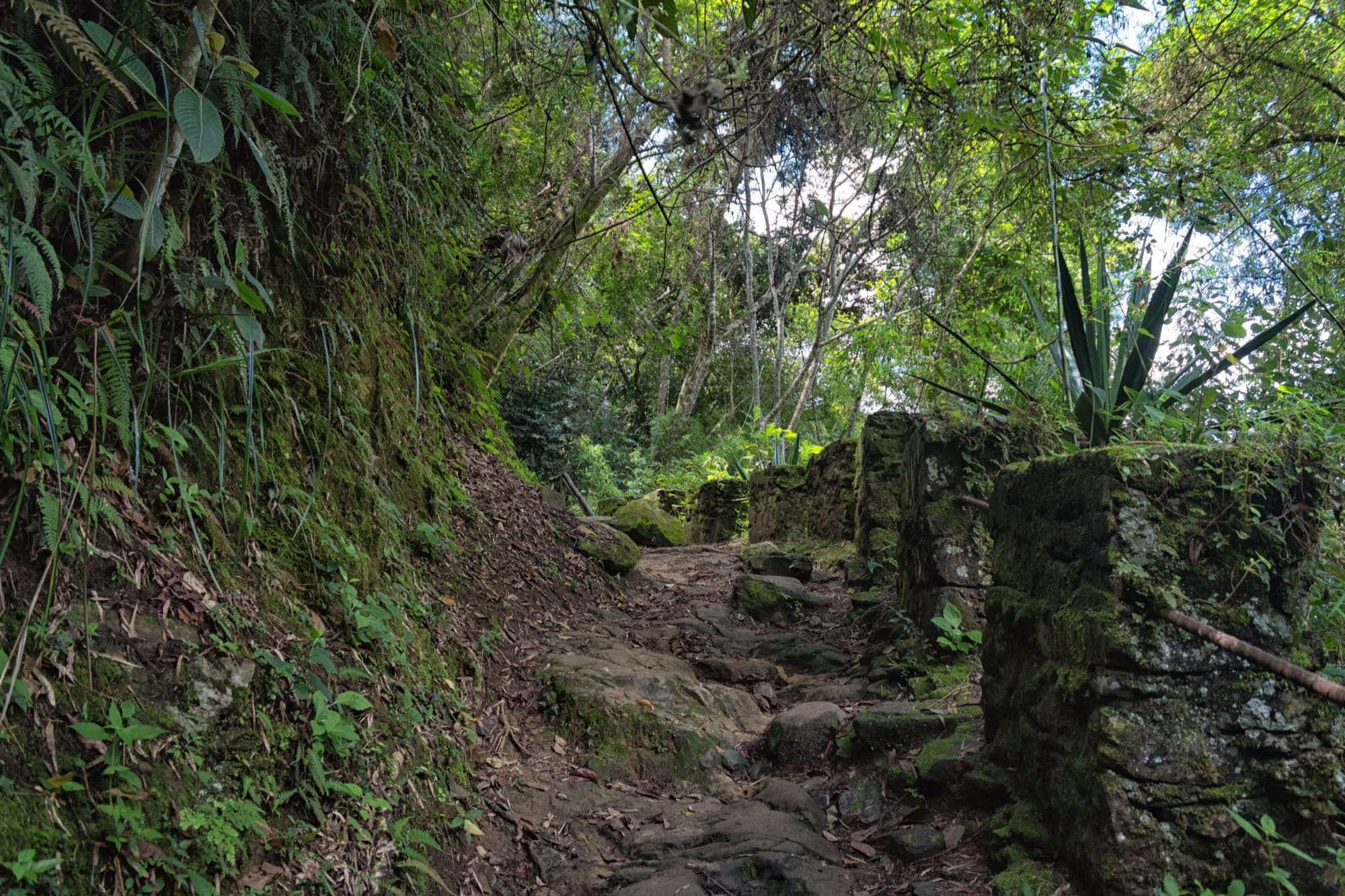
This is non-negotiable. The 50-kilometre road from Maracay to Choroni through Henri Pittier is the single most dramatic approach to any coastal town in Venezuela. The park — 107,800 hectares of protected watershed — rises from 0 to 2,436 metres and back down to sea level, compressing an extraordinary range of ecosystems into one winding drive.
The road begins in dry deciduous forest on the Maracay side, climbs through semi-humid transitional zones, and enters cloud forest above 1,000 metres. At the Portachuelo Pass (1,128 m), the road crests and begins its descent to the coast through tropical humid forest. The temperature, vegetation, and birdlife change visibly at each elevation band.
Birdwatching note: Portachuelo Pass is one of the most important raptor migration observation points in South America. During September-November, tens of thousands of raptors — Swainson's hawks, turkey vultures, broad-winged hawks — funnel through this gap in the coastal range. Even outside migration season, Henri Pittier holds 580+ bird species including the Handsome Fruiteater, Venezuelan Sylph, and Blood-eared Parakeet.
Practical note: The road is paved but winding, with sharp switchbacks and some sections where the asphalt is cracked. Drive during daylight only — the road has no lighting and the curves demand full attention. Allow 45-60 minutes from Maracay to Choroni without stops, 90 minutes with photo stops and birdwatching pauses.
2. Spend the Day at Playa Grande
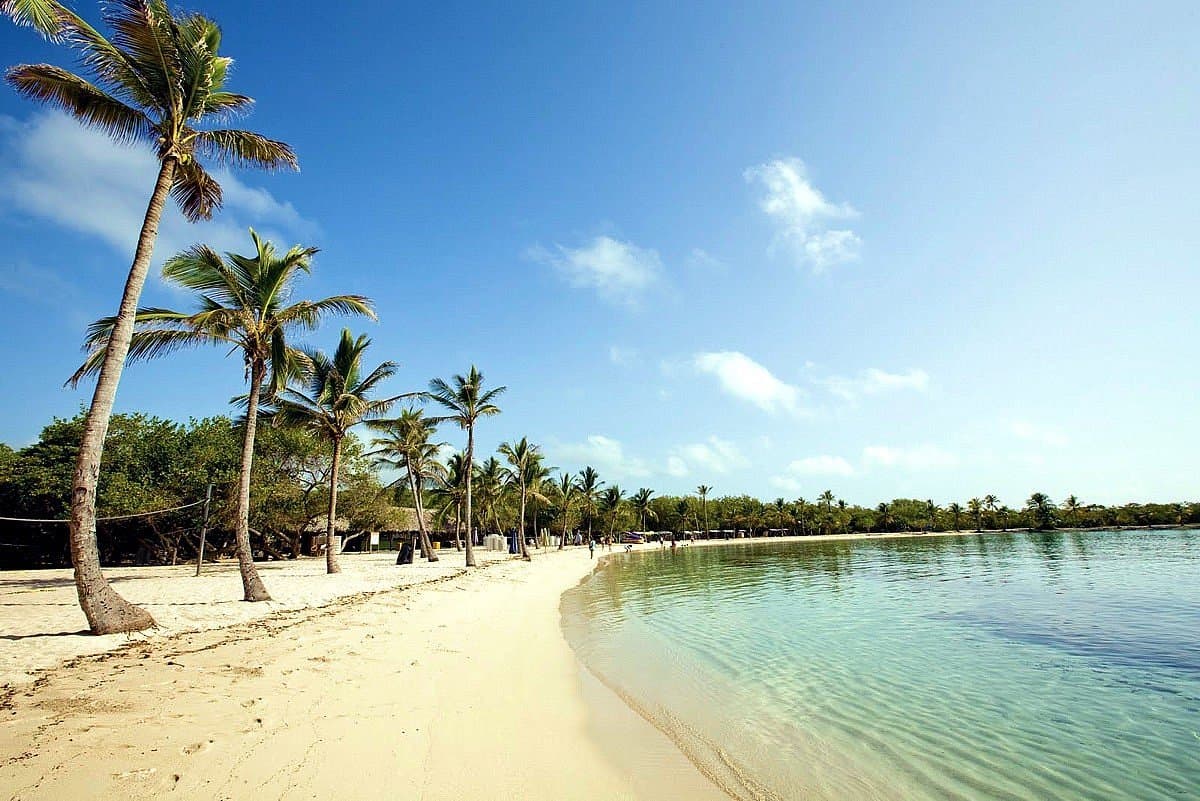
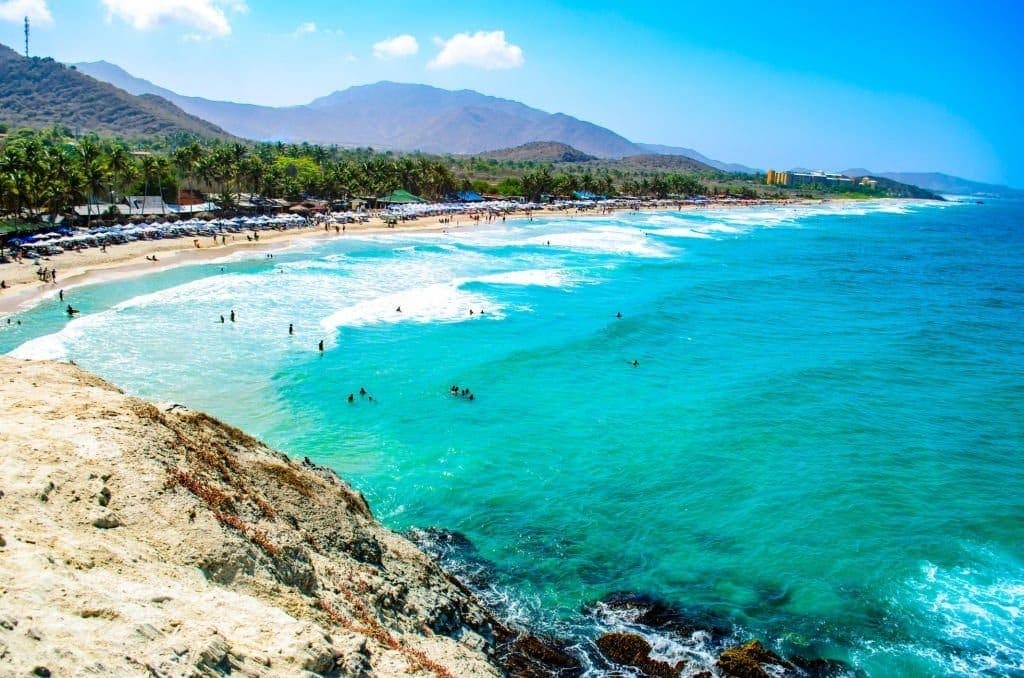
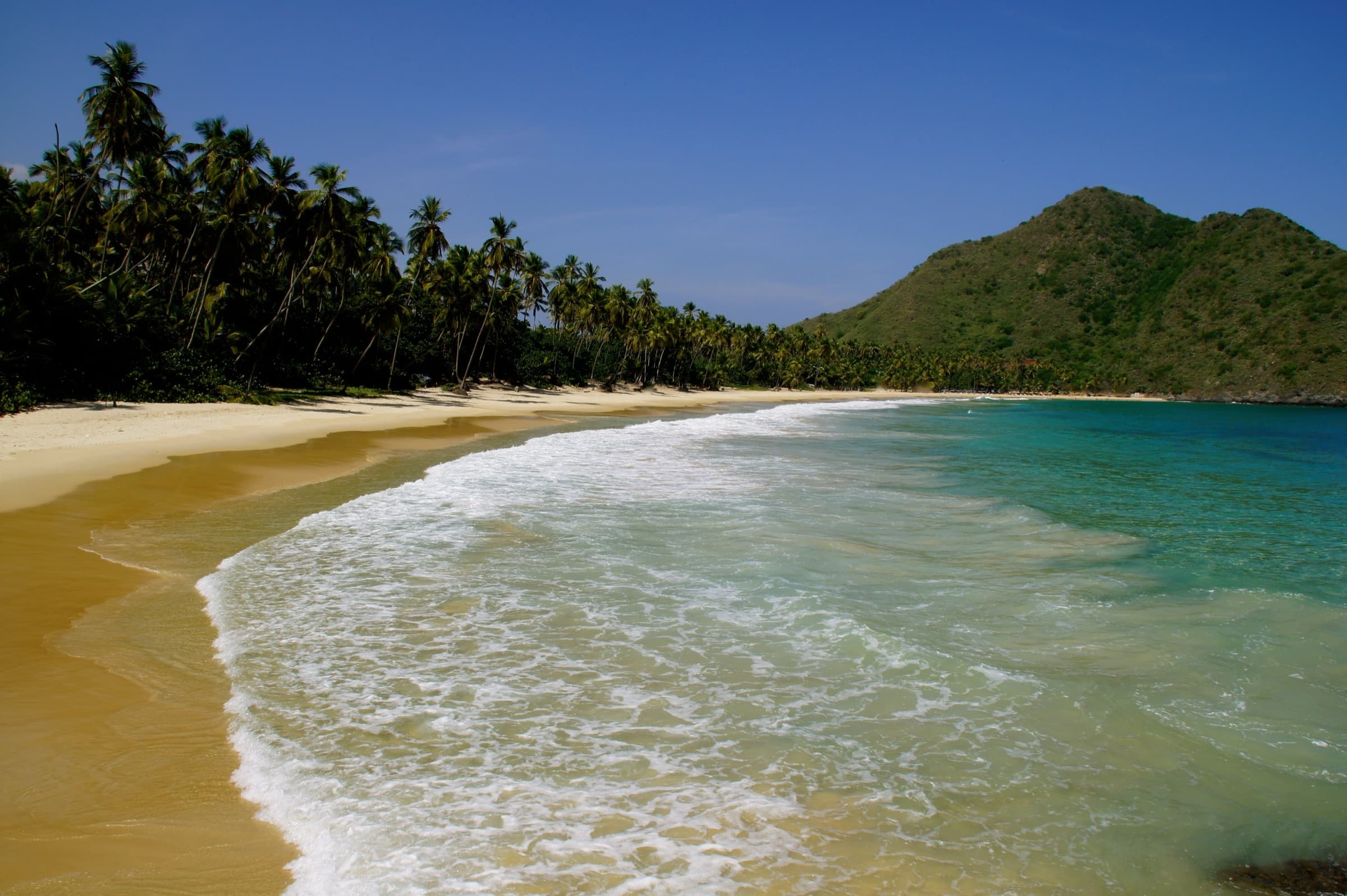
Playa Grande is Choroni's main beach — a wide crescent of dark volcanic sand backed by coconut palms, reached by a 10-minute walk from Puerto Colombia or a short boat ride. The dark sand absorbs heat, so the beach is warm underfoot by mid-morning. The water is calm in the sheltered bay, and the mountain backdrop — cloud forest slopes dropping directly to the shore — gives the beach a contained, almost amphitheatrical quality.
On weekends, Playa Grande fills with Caraqueños who have made the drive from the capital. Music plays. Fish vendors set up grills. The atmosphere is festive and social. On weekdays, the same beach is quiet enough that you can stake out 50 metres of sand with no one nearby.
Local vendors sell fried fish, patacones, and cold beer directly on the beach. Prices are reasonable — a full fish lunch with sides runs $5-8. Bring cash; no one here takes cards.
3. Visit a Cacao Hacienda
The Choroni valley was built on cacao. The original colonial haciendas — some dating to the 1620s — planted criollo cacao trees whose descendants still produce today. Several haciendas in the valley offer visits that walk you through the full process: the cacao pod on the tree, the wet beans extracted from the fruit, the wooden fermentation boxes (5-7 days), the drying patios where beans are raked by hand in the sun, and the roasting and grinding that produce raw chocolate.
What to expect: Most hacienda visits run 1.5-2 hours and cost $10-20 per person. You will taste fresh cacao pulp — sweet, citrusy, nothing like chocolate — and sample chocolate at various stages of production. Some haciendas sell their own finished bars and cacao nibs. Chuao cacao, grown in a nearby valley accessible only by boat, is the most famous Venezuelan cacao appellation and fetches the highest prices globally. Ask at your posada about arranging visits.
What to buy: Single-origin Choroni chocolate bars, raw cacao nibs for cooking, cacao butter, and cacao liquor. These make excellent gifts and are a fraction of the price you would pay for the same product in Europe.
4. Take a Boat to Chuao and the Hidden Beaches
From Puerto Colombia, fishing boats (peñeros) run morning departures to a string of beaches and coves accessible only by sea. The coast between Choroni and Chuao is roadless — the mountains plunge directly into the water — creating a series of isolated bays.
Chuao — The most famous destination, a small village reachable by an approximately 45-minute boat ride east. Chuao is legendary in the chocolate world for its cacao, which carries a denomination of origin and is purchased almost entirely by a single Swiss chocolatier. The village has a beautiful beach, a cacao cooperative you can visit, and a colonial church on a palm-lined plaza. Budget a full day.
Playa Valle Seco — Approximately 20 minutes by boat west of Puerto Colombia. A quiet, dark-sand beach with palm shade and no infrastructure. Bring your own food and water. This is what the coast looked like before anyone built anything.
Playa Cepe — Another boat-access beach east of Puerto Colombia, smaller and rockier than Playa Grande but excellent for snorkeling on the reef at the western end. Fish life is healthy, visibility is best in the morning before afternoon chop.
Boat logistics: Peñero boats gather passengers at the Puerto Colombia dock each morning around 8-9am. Round trip costs $8-15 per person depending on distance and negotiation. Boats return in the late afternoon (typically 3-4pm). Confirm the return time with your captain before departure.
5. Listen to the Drums on the Malecón
On weekend evenings — and many weekday evenings during high season or festival periods — drummers gather on the malecón (waterfront promenade) in Puerto Colombia. The instruments are specific: the culo e'puya, the mina (a single large drum played horizontally), the cumaco, and the quitiplás (hollow bamboo tubes struck on the ground). The rhythms are polyrhythmic and driving, built on interlocking patterns that invite dancing.
This is not a scheduled event. It emerges when drummers decide to play. Sometimes it starts at sunset and runs until midnight. Sometimes it does not happen at all. The unpredictability is the point — this is a living tradition, not a production. If you hear drums, follow the sound.
Fiesta de San Juan (June 24): The most important cultural event on the Choroni coast. The festival celebrates St. John the Baptist through drumming, dancing, and street processions that blend Catholic and African spiritual traditions. The celebration officially runs June 23-25 but the energy starts building days earlier. If you can time your visit for San Juan, do it. The entire coast participates, and the drumming does not stop for three days.
6. Walk the Colonial Streets of Choroni Village
Most visitors stay in Puerto Colombia and never walk the two kilometres inland to Choroni proper. Their loss. The village is one of the best-preserved colonial settlements on the Venezuelan coast — not because it was restored for tourists, but because no one had reason to tear it down.
The church of Santa Clara (17th century) anchors the plaza. The surrounding streets are lined with thick-walled houses featuring carved wooden doors, interior courtyards with fruit trees, and balconies that overhang the narrow lanes. The scale is intimate — the entire village is walkable in 20 minutes — and the absence of commercial development means it looks much as it did a century ago.
Walk in the early morning or late afternoon when the light is low and the heat is manageable. The two-kilometre road between Puerto Colombia and Choroni village follows the river through cacao groves — a pleasant walk in itself.
7. Hike the Cloud Forest Trails
Henri Pittier National Park offers several trail options accessible from the Choroni side, though trail conditions vary and a local guide is strongly recommended.
Sendero Los Cocos — A moderate trail that starts near the Choroni valley and climbs into the lower cloud forest zone. Approximately 3 hours round trip. Birdlife is excellent early morning — bring binoculars.
Sendero Guamitas — A shorter trail closer to Puerto Colombia that follows the river upstream through gallery forest. Good for a morning walk when you want forest without serious elevation gain.
Portachuelo Pass area — If you have a vehicle, drive back up to the pass area (about 30 minutes from Choroni) for trails that access the upper cloud forest. This is prime birding territory.
Important: Some trails require national park guide accompaniment. Ask at your posada for current regulations and guide recommendations. Trail markings are inconsistent — do not attempt unfamiliar routes without local knowledge.
8. Eat Fresh Fish on the Beach
The fishing fleet of Puerto Colombia goes out daily. What they catch in the morning is what you eat at lunch. This is not restaurant-supply-chain fish — it is a fisherman grilling his catch on the beach at Playa Grande or in the row of informal comedores along the Puerto Colombia waterfront.
What to order: Pargo rojo (red snapper) grilled whole, served with tostones, salad, and a cold Polar. Carite (kingfish) steaks. Pescado frito (whole fried fish) — the coating crisps in the oil and the flesh stays moist. Empanadas de cazón (baby shark empanadas) — a coastal Venezuelan staple, fried to order.
Prices are low: $5-10 for a full fish plate with sides. Point at what looks good. Eat it with your hands if you want. Nobody is judging.
9. Watch the Sunset from Puerto Colombia
The Puerto Colombia waterfront faces roughly west-northwest, which means sunset views over the water during most of the year. The combination of elements — fishing boats silhouetted in the harbor, the mountains darkening behind you, the light going from gold to copper on the water, and (if you are lucky) drums starting up on the malecón as the last light fades — creates an evening atmosphere that does not require narration.
Bring a drink from one of the waterfront kiosks. Sit on the seawall. Watch the pelicans work the harbor. This costs nothing and it is one of the best things about being here.
10. Buy Cacao Products at the Local Cooperatives
Several small cooperatives and family operations in the Choroni valley sell directly to visitors. These are not souvenir shops — they are working cacao producers who package some of their output for retail sale.
Look for: cacao nibs (both raw and roasted), single-origin chocolate bars (70-85% cacao is typical), cacao butter, cacao powder, and cacao liquor for drinking. Prices are dramatically lower than what the same quality commands internationally. A 100g bar of single-origin Choroni chocolate that would retail for $8-12 in a specialty shop abroad can be bought here for $2-4.
Your posada can direct you to the nearest producer. Some will let you watch them work even without a formal tour.
Where to Stay in Choroni
Current status (2026 — check before you book an overnight stay): Choroní's historic centre sustained real, still-unrepaired damage in the June 24, 2026 earthquake, and as of mid-July residents were still awaiting heritage engineers to assess the colonial buildings. The village is recovering, not closed — but many posadas occupy exactly these old colonial structures, so confirm directly with your posada that it is open and structurally sound before booking, and be prepared for the possibility that some places are still shut for repairs.
Choroni's accommodation is overwhelmingly posadas — family-run guesthouses that range from basic rooms with fans to restored colonial homes with courtyards, gardens, and air conditioning. There are no chain hotels and no resorts. This is by design.
We have a curated collection of listings in the Choroni region, nearly all of them stays. The majority are concentrated in Puerto Colombia, which puts you closest to the beach, the boats, and the evening life.
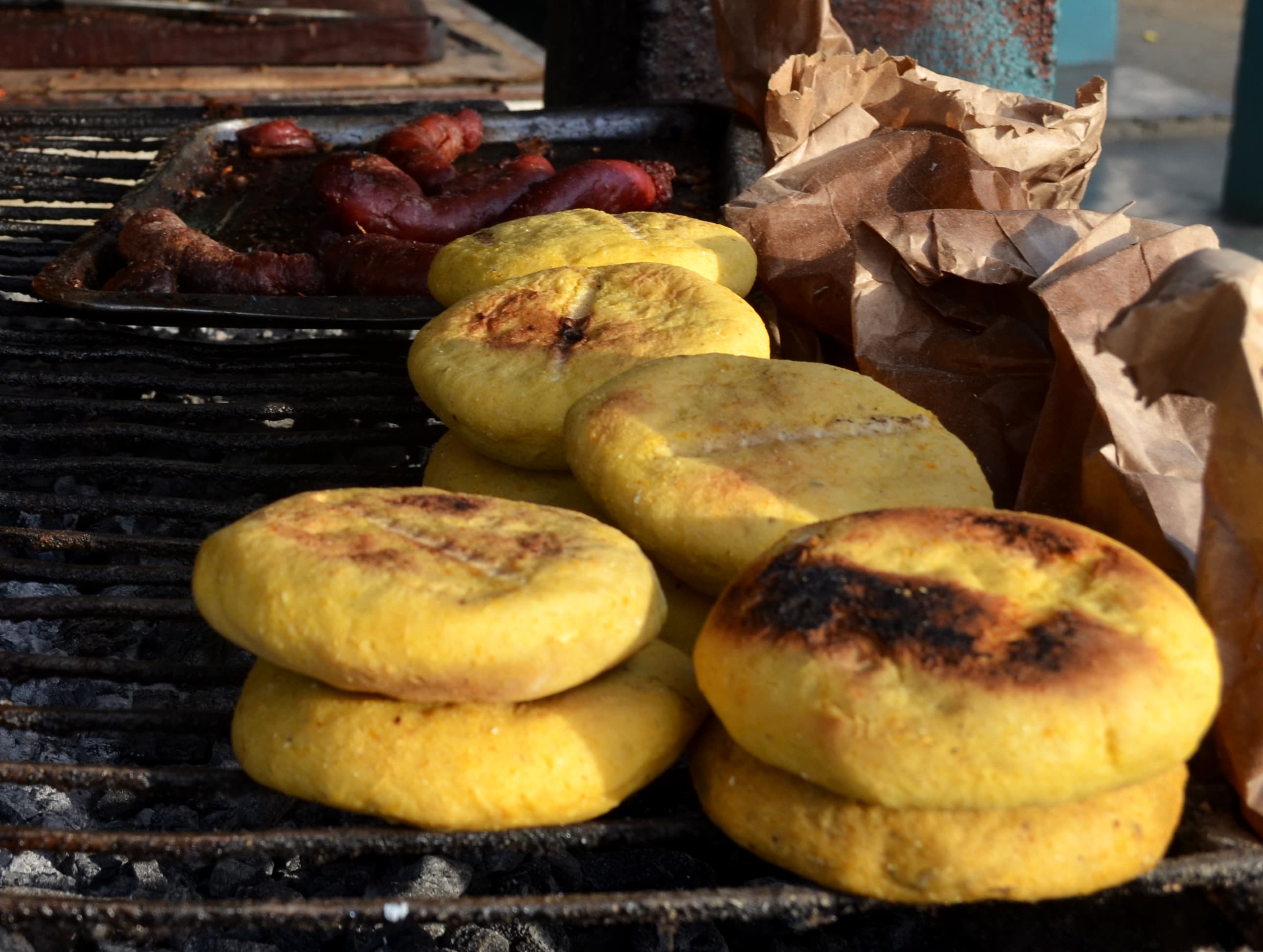
What to expect at a posada: Most rooms are simple but clean — tiled floors, painted walls, mosquito screens on windows. Some have air conditioning; many rely on fans and cross-ventilation (the night breeze off the water is usually sufficient). Almost all include breakfast, typically arepas, fresh fruit, coffee, and eggs. Hot water exists but is not universal at the budget end.
Budget ($15-30/night): Basic rooms in Puerto Colombia with fan, shared or private bathroom, breakfast included. Hammock space is sometimes available even cheaper. These are functional, friendly, and completely adequate.
Midrange ($30-60/night): Private rooms with air conditioning, better furnishings, interior gardens. Several posadas in this range occupy colonial-era buildings with genuine architectural character — thick walls, carved doors, courtyard trees. Breakfast and sometimes dinner included.
Upper range ($60-100/night): The best posadas in Choroni — restored colonial homes with full amenities, curated interiors, and meals that feature local ingredients including hacienda chocolate and fresh seafood. These fill on weekends and holiday periods.
Booking tip: Weekends — particularly Friday and Saturday nights — are significantly busier and pricier than weekdays. Caraqueños treat Choroni as a weekend escape, and popular posadas book out entirely during holiday weekends, Carnival, and Semana Santa. If flexibility allows, a Tuesday-Thursday visit gets you the same coast with a fraction of the crowd.
Browse all Choroni stays on VAV to compare options and check verified availability.
Where to Eat in Choroni
Choroni does not have a restaurant scene in the conventional sense. It has fishermen, it has cacao, it has posada kitchens, and it has women who set up informal food stalls when they feel like cooking. The food is excellent because the ingredients are excellent — caught that morning, grown in the valley, or harvested from the cacao groves a five-minute walk away.
Coastal Specialties to Seek Out
Pescado frito entero — Whole fried fish, the coast's default dish. The fish arrives whole, scored, seasoned, and fried until the skin crackles. Red snapper (pargo) and grunt (cataco) are the most common. Served with tostones (smashed fried green plantain), ensalada rallada (grated cabbage and carrot with vinegar), and a wedge of lime. Available at beach vendors and the comedores in Puerto Colombia. $5-10 per plate.
Empanadas de cazón — Deep-fried cornmeal turnovers filled with seasoned baby shark. The filling is shredded, cooked with onion and peppers, and the masa is thin enough to crunch on the first bite and soft inside. Eaten standing up, one hand, paper napkin. $0.50-1.00 each. The best ones are at the morning stalls near the Puerto Colombia dock.
Cacao de beber — Drinking chocolate made from locally roasted cacao, dissolved in hot water or milk, sweetened to taste. This tastes nothing like commercial hot chocolate — it is grainier, more complex, with bitter and fruity notes that reflect the bean rather than the processing. Some posadas serve it at breakfast. Street vendors sell it during festivals. Ask for it.
Coconut everything — The coast is lined with coconut palms, and the ingredient finds its way into rice (arroz con coco), sweets (cocada — shredded coconut cooked with sugar into dense, chewy blocks), and agua de coco sold cold from the shell. The cocadas sold at Playa Grande by walking vendors are irresistible and cost next to nothing.
Fosforera — A rich seafood soup loaded with fish, shrimp, octopus, and whatever else was available, simmered in a tomato and pepper broth. The name means "phosphorus" — it is considered a restorative, particularly after a night of rum and drums. Not every comedor makes it, but when you see it on offer, order it.
Where to Find Food
Puerto Colombia waterfront — A row of informal comedores and kiosks along the main street serve fried fish, empanadas, and cold drinks. This is where most meals happen. Lunch is the main event; dinner is more limited.
Playa Grande beach vendors — During weekends and peak periods, vendors set up directly on the beach. Grilled fish, patacones, empanadas, cold beer. Prices are slightly higher than the waterfront but you are eating on the sand.
Posada kitchens — Many posadas offer dinner as an add-on or include it in the rate. The quality varies, but the best posada cooks produce multi-course meals featuring fresh fish, cacao-based sauces, and seasonal fruit. Ask what is available before booking dinner elsewhere.
No restaurants are currently listed on our platform for Choroni. As we expand restaurant coverage, this section will be updated. For now, your posada and the waterfront vendors are your best options — and honestly, they are very good options.
Getting There and Around
Getting to Choroni
From Caracas (2.5-3 hours by car): Take the highway south to Maracay (approximately 1.5-2 hours depending on traffic). From Maracay, follow signs for Henri Pittier / Choroni. The park road is a single two-lane road — 50 kilometres of winding mountain highway through the national park. The drive from Maracay to Choroni takes 45-60 minutes without stops.
From Valencia (3-3.5 hours by car): Drive east to Maracay, then follow the Choroni route as above.
By bus: Buses and por puestos (shared minivans) run from Maracay's terminal to Choroni and Puerto Colombia. The ride costs $3-6 depending on vehicle type. Departures are most frequent in the morning. On weekends, por puestos fill quickly — arrive at the terminal early.
By private transfer: Posadas can arrange private transfers from Caracas or Maracay. Expect $80-150 from Caracas, $20-40 from Maracay. This is the most comfortable option and lets you stop for photos on the park road.
Critical timing: The Henri Pittier road should be driven during daylight hours only. It is unlit, has no shoulder, and the curves are tight. Plan to arrive at the Maracay entrance to the park by 3pm at the latest to ensure you reach Choroni before dark. Morning departures from Caracas (before 8am) are ideal.
Getting Around Choroni
On foot: Choroni is a walking destination. Puerto Colombia is small enough to cross in 10 minutes. The walk from Puerto Colombia to Choroni village is 2 kilometres along a flat road through the cacao valley. Playa Grande is a 10-minute walk from the Puerto Colombia waterfront.
By boat: Peñero boats are the local transportation for reaching beaches and towns along the coast. Boats depart from the Puerto Colombia dock for Chuao, Cepe, Valle Seco, and other coves. Round trip fares run $8-15 per person depending on destination. Arrange at the dock in the morning.
No car needed once there: If you drove to Choroni, park at your posada and walk. The village has narrow streets not designed for vehicles, and everything a visitor needs is within walking distance.
Safety and Practical Tips
Choroni is a small, established visitor corridor, not a blanket all-clear. The village and coast are manageable by Venezuelan standards, but standard precautions still apply and the route through Henri Pittier should be planned carefully.
General safety:
- Choroni village and Puerto Colombia are small, close-knit communities where outsiders are noticed. Street crime is uncommon.
- The beach at Playa Grande is safe during the day. Avoid walking alone on the beach after dark.
- Petty theft can occur in crowded weekend situations — keep valuables at your posada, not on the beach.
- The Henri Pittier road is the primary safety concern: drive during daylight only, stay alert on curves, and do not stop in isolated areas after dark.
Health considerations:
- Mosquitoes are present, particularly at dawn and dusk. Bring repellent.
- The sun is intense and the humidity compounds it. Hydrate aggressively, wear sunscreen, and seek shade during the 11am-2pm window.
- The dark sand at Playa Grande gets extremely hot by midday. Bring sandals for the walk from the treeline to the water.
- Tap water is not reliably potable. Drink bottled or filtered water.
Connectivity:
- Cell coverage in Puerto Colombia and Choroni village is functional but not fast. Expect slow data or intermittent signal.
- WiFi is available at most posadas but speeds are modest. Do not plan on remote work.
- Once in the cloud forest or on boats to other beaches, expect no connectivity.
Money:
- USD is accepted at most posadas and some restaurants. Carry small bills ($1, $5, $10, $20).
- Bolivares needed for beach vendors, street food, and por puesto fares.
- There are no ATMs in Choroni or Puerto Colombia. Bring all the cash you will need.
- Zelle transfers are increasingly accepted at posadas — ask when booking.
What to bring:
- Cash (enough for your entire stay, plus buffer)
- Insect repellent
- Sunscreen
- Sandals and sturdy walking shoes
- A light rain jacket (afternoon showers are common)
- Binoculars if birdwatching is of interest
- A dry bag for boat trips
For the latest safety assessments and travel advisories, check our safety information page.
Sample 3-Day Itinerary
Choroni is a weekend trip from Caracas and a 3-day destination for most visitors. This is not a place you rush through — the pace of the village will slow you down whether you plan for it or not.
Day 1: The Drive and First Evening
Leave Caracas early (before 8am) to beat highway traffic. Reach Maracay by 10am. Fill up on fuel. Enter Henri Pittier and take the cloud forest road slowly — stop at Portachuelo Pass for the view and any birdwatching opportunities. Arrive in Puerto Colombia by noon.
Check into your posada. Walk to Playa Grande for an afternoon on the beach. Fried fish lunch from a beach vendor. Return to Puerto Colombia in the late afternoon. Shower. Walk the malecón at sunset. Dinner at a waterfront comedor — pargo frito, patacones, cold beer. If drums are playing, stay. If not, the sound of the water is enough.
Day 2: Chuao by Boat and Cacao
Early morning: walk to the dock and catch a peñero to Chuao (departs around 8-9am, 40 minutes by boat). Spend the morning in the village — visit the cacao cooperative, walk the colonial streets, swim at Chuao beach. The boat returns mid-afternoon.
Back in Puerto Colombia: visit a Choroni valley cacao hacienda (arrange through your posada the day before). See the fermentation boxes and drying patios. Taste cacao pulp and fresh chocolate. Buy cacao products to bring home.
Evening: walk from Puerto Colombia to Choroni village at golden hour. See the church and colonial streets. Walk back as the light fades. Dinner at your posada or a waterfront comedor. Empanadas de cazón from a street stall for a nightcap snack.
Day 3: Cloud Forest and Departure
Early morning: if you are a birder, drive back up the Henri Pittier road to the cloud forest zone for dawn birding (5:30-8am is peak activity). Even non-birders will appreciate the forest in morning light.
Return to Puerto Colombia. Pack. Final swim at Playa Grande. Buy cocadas and cacao bars for the road.
Depart by 1pm to drive back through Henri Pittier in full daylight. The return drive through the cloud forest is just as beautiful in the opposite direction — the ascent reveals views you missed on the descent. Arrive Caracas by 4-5pm.
Want a custom version? Our AI trip planner can build a personalized Choroni itinerary based on your dates, budget, and interests — including real-time availability from our local listings.
Frequently Asked Questions
How long should I stay in Choroni?
Three days is the standard and it works well — one day for the beach, one for a boat trip to Chuao, one for the cloud forest and village. Two days is tight but doable if you cut the Chuao trip. Four or five days lets you fully decompress, explore multiple beaches by boat, hike cloud forest trails, and experience the weekend drum culture without rushing. Choroni rewards patience — the less you plan, the more you notice.
Is the drive to Choroni dangerous?
The road through Henri Pittier is winding and narrow but paved and well-traveled. The curves demand attention, and overtaking slower vehicles requires judgment. Drive during daylight hours only — the road has no lighting and no guardrails in many sections. Avoid the drive during heavy rain, when visibility drops and rockslide risk increases. If you are uncomfortable with mountain driving, arrange a private transfer through your posada. The drive itself, in daylight and at a moderate pace, is one of the best road experiences in Venezuela.
Can I visit Choroni on a day trip from Caracas?
Technically possible but not recommended. The drive is 2.5-3 hours each way, leaving you perhaps 4-5 hours on the coast — barely enough to reach the beach and eat lunch before turning around. And you would be driving the Henri Pittier road in both directions in a single day, which is tiring. Spend at least one night. Two or three nights is better.
When is the Fiesta de San Juan?
June 23-25 annually, though drumming and festivities build in the days before and linger after. This is the most important cultural event on the Choroni coast — Afro-Venezuelan drum traditions, street processions, dancing, and a level of energy that transforms the usually quiet village into something unforgettable. If you want the full experience, book your posada weeks in advance — the coast fills completely during San Juan.
What is the difference between Choroni and Puerto Colombia?
Choroni is the colonial village two kilometres inland, built around the church of Santa Clara and the cacao haciendas. Puerto Colombia is the fishing village at the river mouth where it meets the sea. Most visitors stay in Puerto Colombia because it is closer to the beach and the boat dock. Both names are used interchangeably by Venezuelans — when someone says "let's go to Choroni," they usually mean Puerto Colombia. The walk between the two takes 20 minutes on a flat road and is worth doing for the cacao groves along the way.
Do I need to book a posada in advance?
On weekdays, you can often find a room on arrival. On weekends — especially long weekends and holidays — book ahead. During Carnival, Semana Santa, and the Fiesta de San Juan, posadas sell out entirely. Browse our Choroni listings to compare options and book before you go.
---
Ready to plan your Choroni trip? Use our AI-powered trip planner to build a personalized itinerary with real-time pricing and availability from our verified Choroni listings.
Browse all Choroni listings on Vamos A Venezuela — stays, posadas, and guesthouses on Venezuela's cacao coast.
Written by VAV Editorial
Last updated: August 12, 2026