Margarita Island, Venezuela: The Complete Travel Guide
Margarita is the island Venezuelans go to when they want a proper vacation — not an expedition, not an eco-lodge with intermittent electricity, not a five-hour boat ride to a sandbar with no shade. Margarita has hotels with swimming pools, restaurants open past midnight, shopping malls that sell duty-free electronics, and beaches where someone will bring you a fried fish and a cold Polar without you having to stand up. It is the most developed, most visited, and most infrastructurally complete tourist destination in the country, and that is precisely its value.
Isla de Margarita sits 40 kilometres off Venezuela's northeastern coast in the Caribbean Sea — the largest island in the country at 1,071 square kilometres. Technically it is two islands connected by a narrow mangrove-lined isthmus: the larger, mountainous eastern section (where most of the population and tourism infrastructure lives) and the smaller, flatter Macanao Peninsula to the west (wilder, drier, and largely undeveloped). The island has held free-port status since the early 1970s, which means lower taxes on imported goods and a commercial energy that runs through Porlamar, the main city, like a current.
But reducing Margarita to its shopping districts and resort strips misses the full picture. The northern coast has fishing villages — Juan Griego, Pedro Gonzalez — where the day's schedule revolves around when the boats come in. The interior highlands around La Asuncion, the old colonial capital, hold 16th-century forts, churches, and a slower rhythm entirely removed from Porlamar's commercial buzz. Macanao Peninsula, across the Restinga lagoon, is semi-arid scrubland populated by fishermen, goats, and a species of endemic macaw fighting extinction. El Yaque, on the southern windward coast, has been a world-ranked kitesurfing and windsurfing destination for three decades.
We have one of the deepest curated collections of listings in Margarita of any region on Vamos A Venezuela — mostly stays, with strong coverage in dining, tours, and experiences. This is where the platform has the deepest bench, and it shows.
Quick Facts
| Detail | Info |
|---|---|
| Location | Caribbean Sea, 40 km off Venezuela's NE coast |
| Size | 1,071 km² (largest Venezuelan island) |
| Population | ~490,000 (Nueva Esparta state) |
| Climate | 26-33°C year-round, trade winds Oct-Jun |
| Best time to visit | Year-round; Nov-Apr dry season is peak |
| Getting there | Flight from Caracas to Santiago Marino Airport (~1 hr) or ferry from Puerto La Cruz (4-5 hrs) |
| Typical daily budget | $50-150 USD/day depending on style |
| Language | Spanish (some English in tourist hotels) |
| Currency | USD widely accepted; bolivares for local markets |
| Time zone | UTC-4 (Venezuela Standard Time) |
Why Visit Margarita
Margarita occupies a different lane than every other Venezuelan destination. Where Los Roques sells isolation, Merida sells altitude, and Canaima sells wilderness, Margarita sells convenience, variety, and a Caribbean vacation that actually functions like one.
It has infrastructure the rest of the country does not. This sounds mundane until you have tried to book a restaurant in Canaima or find a pharmacy in Los Roques. Margarita has hospitals, ATMs that sometimes work, international-brand hotels alongside family posadas, car rental agencies, supermarkets, nightclubs, and a commercial airport with daily flights from Caracas and seasonal international routes. For travelers who want a Caribbean island experience without the logistical overhead of Venezuela's more remote destinations, this matters more than any superlative about water colour.
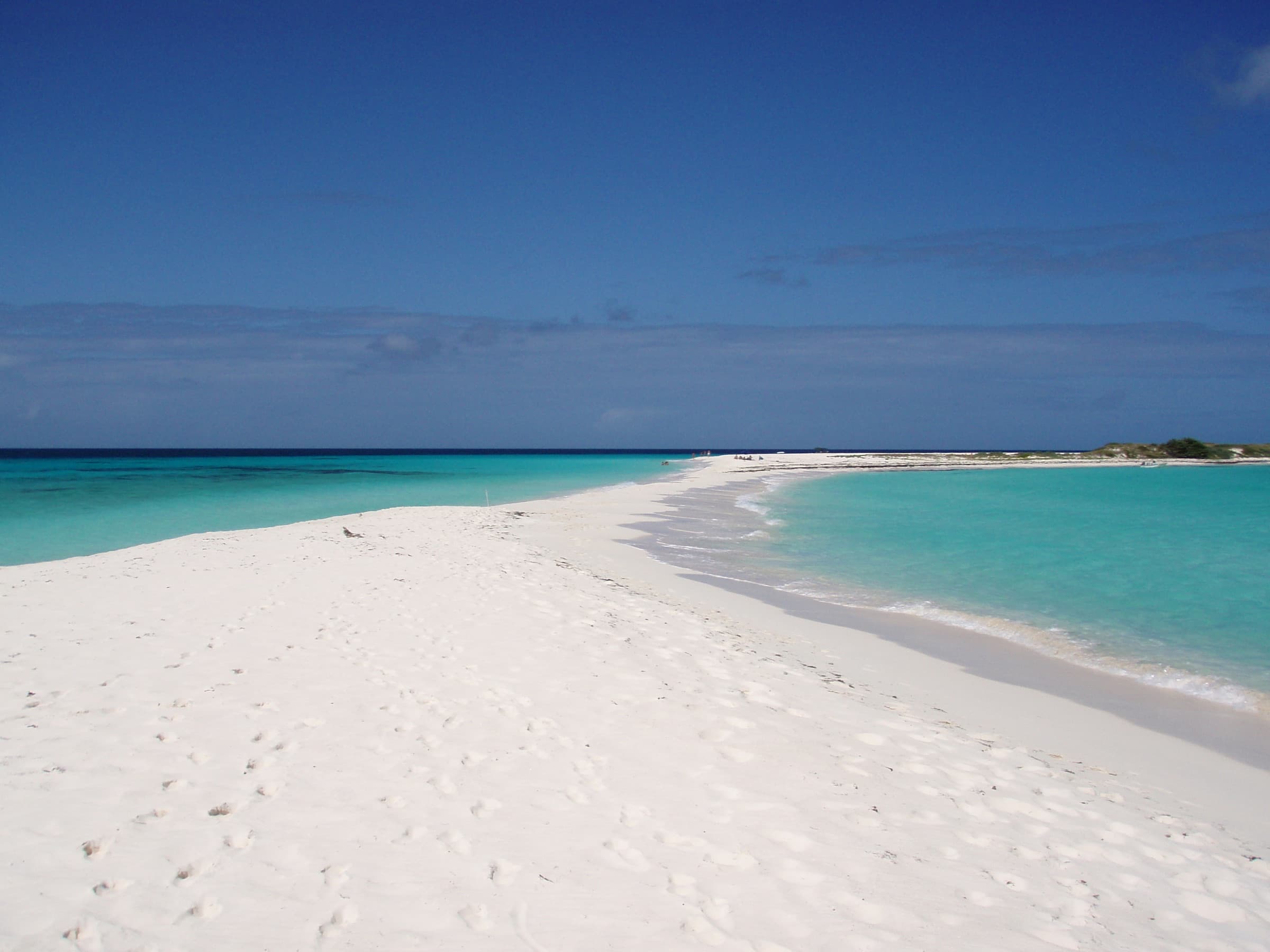
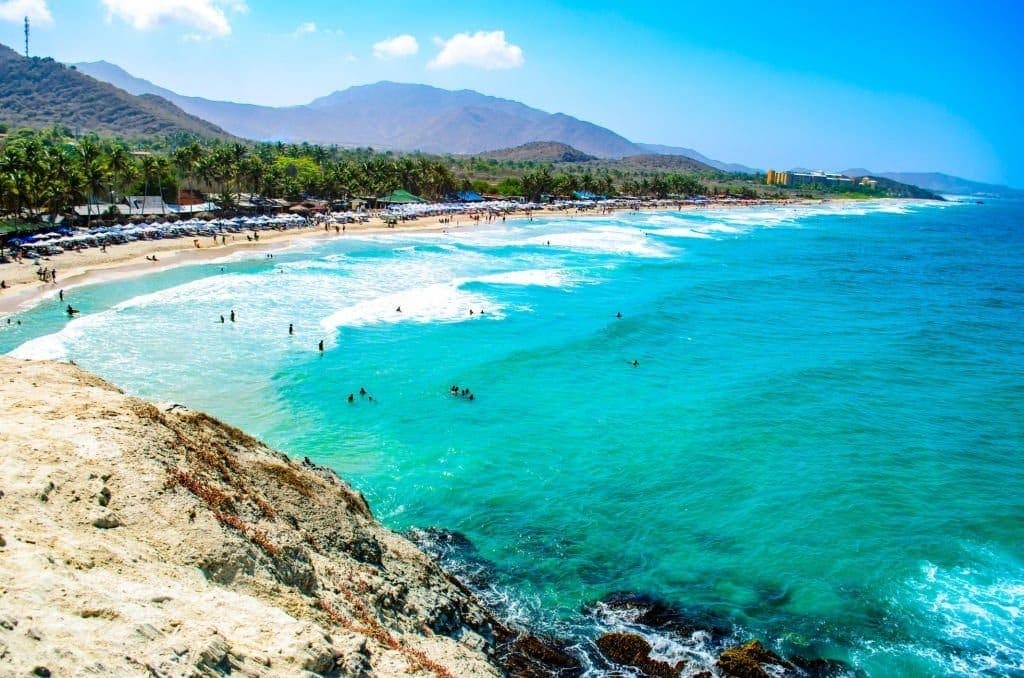
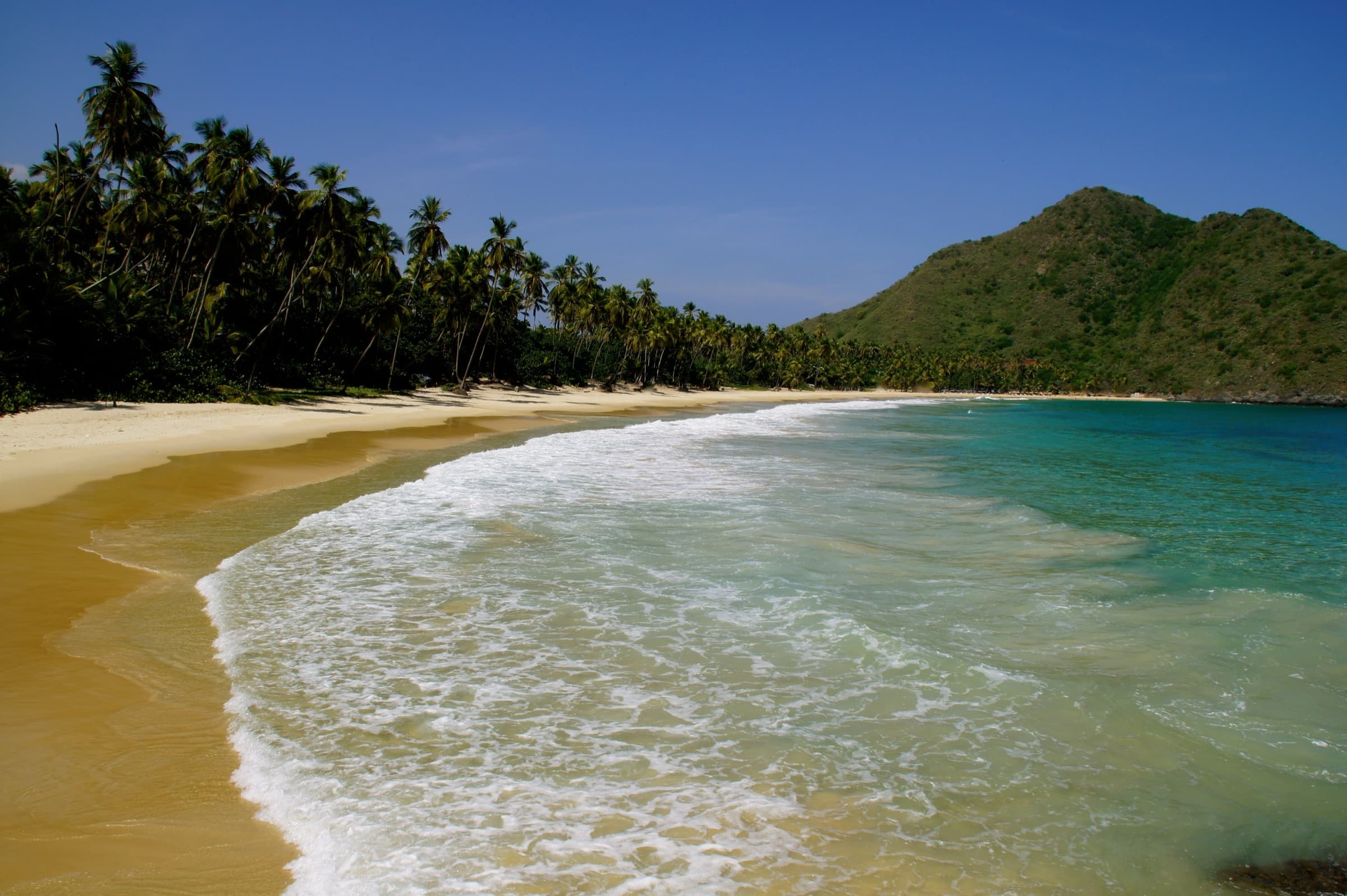
The beach variety is real. Margarita has over 50 named beaches along 160 kilometres of coastline, and they are not interchangeable. Playa El Agua on the north coast is the long, social, palm-lined strip — lounge chairs, music, vendors, crowds on weekends. Playa Parguito next door has consistent surf. El Yaque on the south coast is a flat-water wind machine that draws kitesurfers and windsurfers from across the Americas. Playa La Pared has cliff-backed seclusion. Playa Caribe has calm, family-friendly wading. You can spend a week here and swim at a different beach every day with a different character each time.
It is the easiest entry point to Venezuela. For first-time visitors testing the waters — literally and figuratively — Margarita offers the lowest-friction introduction to the country. The airport is efficient by Venezuelan standards, the tourism industry speaks at least some English, the safety profile in resort areas is manageable, and the range of accommodation spans from $20 posadas to $200 resort suites. If you want to experience Venezuela without immediately committing to river expeditions and hammock camping, start here.
Top Things to Do in Margarita
1. Kitesurf at El Yaque
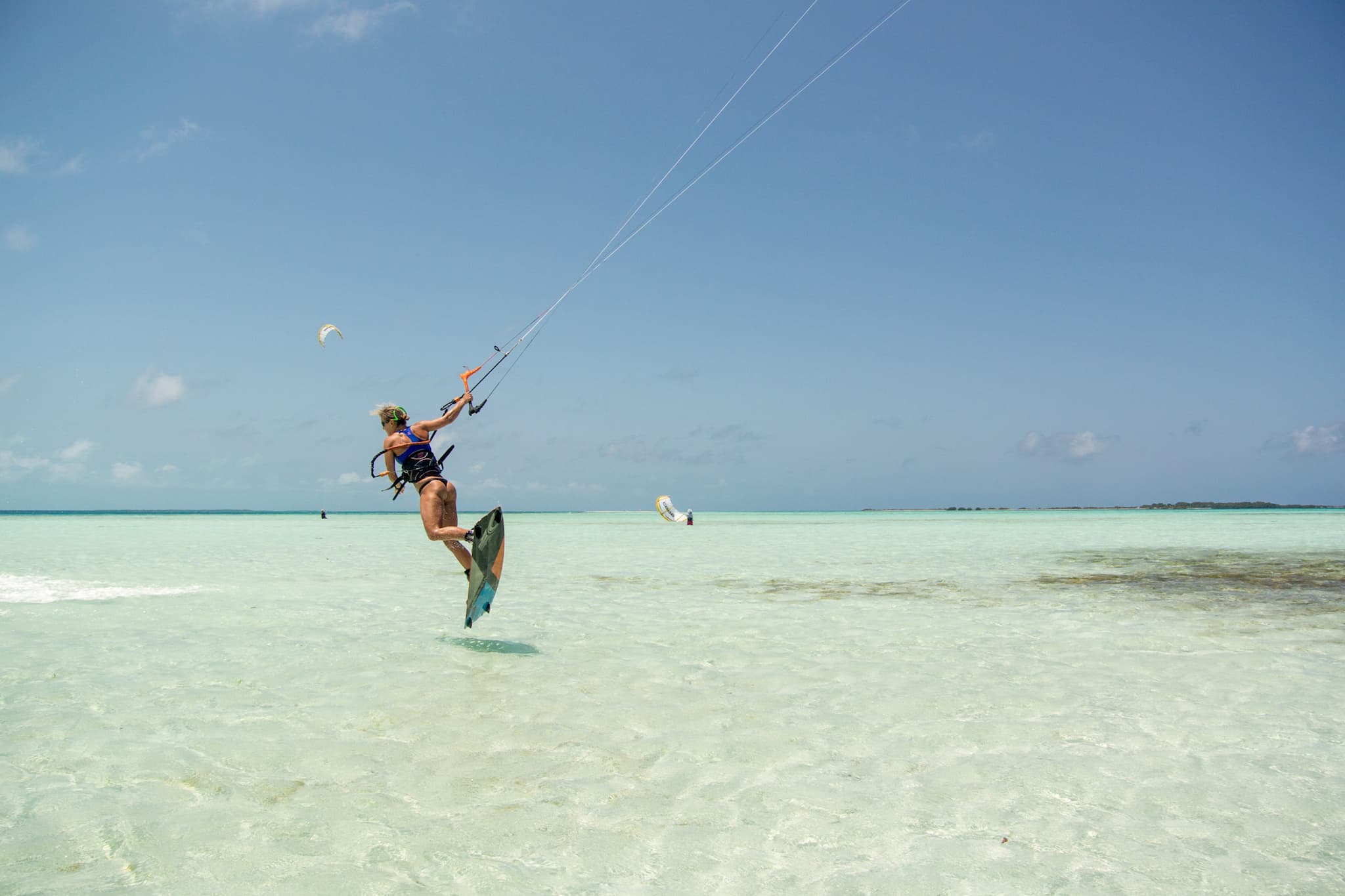
El Yaque beach, on Margarita's southern coast near the airport, is one of the top wind-sports destinations in the Americas. The physics are simple: consistent trade winds (15-30 knots) blow cross-onshore across a shallow, flat-water lagoon with a sandy bottom. The result is conditions that work for absolute beginners (waist-deep water, no reef, no shore break) and advanced riders (strong, reliable wind for freestyle and jumping) simultaneously.
Wind season runs broadly from October through June, with peak conditions from February to April. The kite school concentration along the beach is dense — at least a dozen operations offering lessons, gear rental, and storage. A three-day beginner course runs $250-400. Weekly gear rental for experienced riders is $200-350.
The El Yaque scene extends beyond the water. The strip behind the beach has budget posadas, hostels, seafood restaurants, and a social atmosphere centred on wind conditions and cold beer. Windsurfers and kitesurfers have been coexisting here since the 1990s, and the community is established and welcoming.
Practical note: El Yaque's wind is thermal-enhanced, meaning it typically builds from late morning and peaks in the afternoon. Mornings can be glassy — useful for swimming or paddle boarding if the wind has not arrived.
2. Beach-Hop the North Coast
Margarita's northern coastline between Manzanillo and Playa Guacuco holds the island's most popular beaches in a 20-kilometre stretch that you can drive in 30 minutes, stopping at whichever mood matches the day.
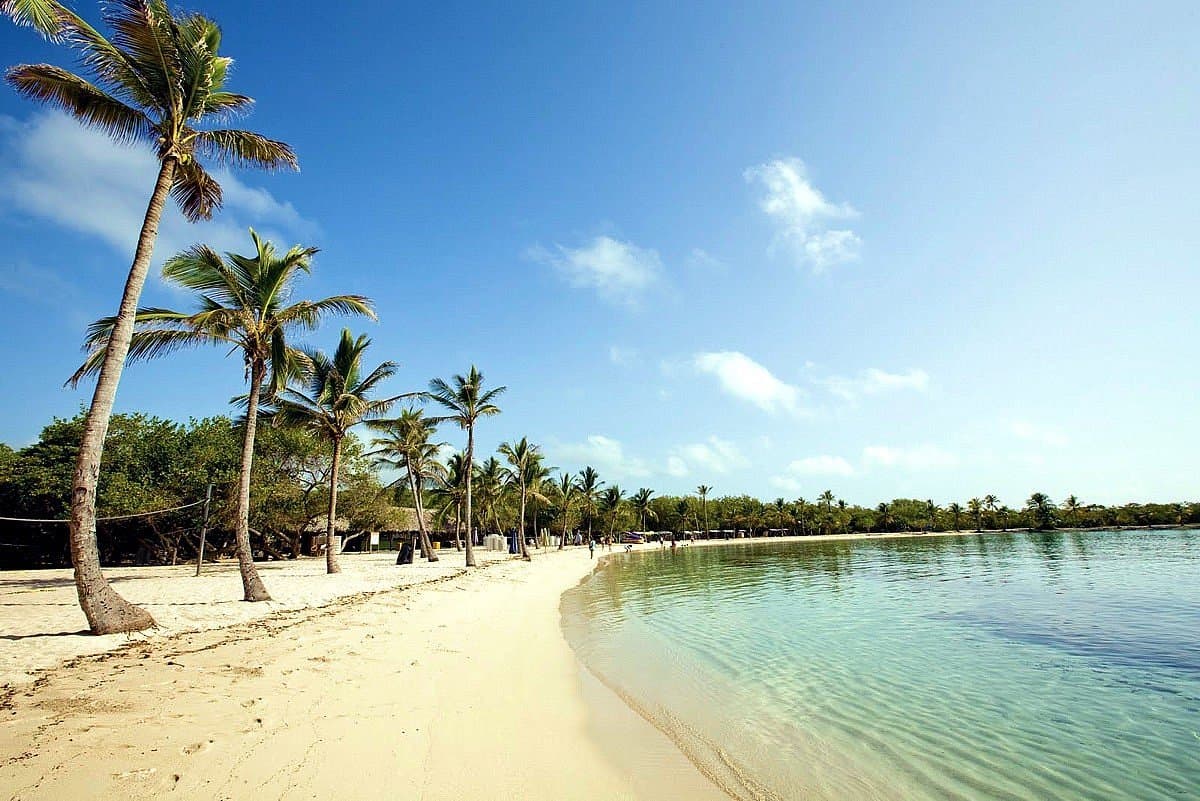
Playa El Agua — The flagship. A 4-kilometre arc of sand lined with palapa restaurants and lounge-chair operators. This is where Venezuelans come to be social at the beach: music, fried fish, cold beer, volleyball, and a crowd that peaks on weekends and holidays. Not a place for solitude. Absolutely a place for a good time. Lounge chair and umbrella rental runs $5-10/day. Lunch at a beachfront restaurant is $8-15.
Playa Parguito — Adjacent to El Agua but with a different personality. The waves here are the most consistent on the island, drawing surfers and bodyboarders. The beach is less developed, the crowd younger. Board rental is available at shops along the access road ($10-15/day). The rip currents are real — respect the conditions if you are not a strong swimmer.
Playa Caribe — Sheltered by rocky headlands, the water here is calmer than El Agua. Families prefer it. The beach is narrower but the swimming is safer for children, and the restaurants behind the sand serve solid seafood at lower prices than El Agua.
Playa Puerto Cruz — A smaller cove east of El Agua with calm water and fewer people. Good snorkeling along the rocky edges. Less infrastructure means bringing your own supplies is wise.
3. Explore the Fortresses
Margarita's strategic position in the Caribbean made it a military prize for centuries. The Spanish built fortifications to defend against pirates, rival colonial powers, and eventually the independence movements that would unseat them. Three survive in visitable condition.
Castillo de San Carlos de Borromeo (Pampatar) — The best-preserved fortress on the island, sitting on a headland above Pampatar Bay. Built in the 17th century, it held off Dutch and English attacks and served as a prison during the independence wars. The interior is open for self-guided visits (free or nominal fee). The views from the ramparts over Pampatar's fishing harbour are worth the walk alone.
Fortín de La Galera (Juan Griego) — A smaller battery fort on the hill above Juan Griego, notable as the site of a brutal 1817 battle during the independence war. The fort is modest but the hilltop position offers what is widely considered the best sunset viewpoint on the island. The sky over Juan Griego Bay at dusk is the kind of thing that no amount of repetition diminishes.
Castillo Santa Rosa (La Asuncion) — Above the colonial capital, this fortress served as the island's main defensive position. Less visited than Pampatar, which works in its favour. The colonial architecture of La Asuncion below — the cathedral, the government buildings, the quiet plazas — is worth the side trip.
4. Tour the Restinga Lagoon
Laguna de La Restinga is the mangrove lagoon that fills the isthmus connecting Margarita's two halves. The national park covers 10,850 hectares of mangrove channels, tidal flats, and a long sandbar beach on the ocean side.
Boat tours depart from the park entrance ($10-20/person for a 1-2 hour trip) and wind through narrow mangrove tunnels — the boatmen steer through channels barely wider than the boat, the canopy closing overhead. The tunnels open into wider lagoon areas where scarlet ibis, pelicans, frigate birds, and herons work the shallows. Some operators include a stop at the Restinga beach, a long strip of sand on the lagoon's outer edge facing the open Caribbean.
The tour is better in the morning when the birds are active and the light enters the mangrove channels at low angles. The beach stop adds an hour — bring sunscreen and water, as there is minimal shade.
5. Shop the Duty-Free Zone
Margarita's free port status makes it one of the cheapest places in Venezuela to buy electronics, alcohol, perfume, and imported goods. The commercial centre of this is Porlamar, where shopping malls and street markets coexist in a density that borders on overwhelming.
Centro Comercial Sambil — The largest mall on the island, with international brands, food courts, and air conditioning that alone justifies the visit after a morning at the beach. Electronics are 20-40% cheaper than mainland prices.
Casco central de Porlamar — The downtown streets around Boulevard Guevara and Boulevard Gomez are lined with shops selling everything from perfume to kitchen appliances. The prices require comparison shopping — not every "duty-free" deal is actually a deal. Negotiate in smaller shops.
Mercado de Conejeros — For something more authentic than mall shopping, this market near the airport sells local handicrafts, hammocks, liquor, and the kind of random merchandise that makes Venezuelan markets entertaining. Haggling is expected.
Reality check: Margarita's duty-free shopping was legendary in the 1990s and early 2000s when Venezuelans flew in specifically for electronics and whisky. The economic crisis diminished the inventory and some of the variety. It is recovering, but calibrate expectations — this is not Dubai or Panama City.
6. Surf at Playa Parguito
Margarita's most consistent surf break produces waves year-round, with the best swells arriving between November and March when Atlantic and Caribbean systems push overhead-plus surf into the north coast. The beach break is forgiving enough for intermediates but can deliver genuine power on bigger days.
Board rental shops line the access road ($10-15/day). A few operators offer lessons for beginners ($25-40 for a 2-hour session). The beach has a relaxed, surfer-village feel distinct from El Agua's party atmosphere — food stalls serve grilled fish and empanadas, and the crowd is predominantly local surfers who have been riding this break since childhood.
Conditions: Morning glass-off is common, with onshore wind building by early afternoon. Low tide exposes more beach but shallower water over sand; high tide gives deeper wave faces. Check with the local shops for the day's call.
7. Eat Seafood in Pampatar and Juan Griego
These two fishing towns bookend the eastern coast and represent Margarita's culinary identity more honestly than any resort restaurant. (Full details in "Where to Eat" below, but the activity of eating here is significant enough to qualify as its own attraction.)
In Pampatar, the harbour-front restaurants cook what the boats bring in that morning. In Juan Griego, the sunset dining scene along the bay is one of the island's defining experiences — watch the sky turn orange over the water while eating grilled pargo (red snapper) that was swimming six hours ago. This is not fine dining. It is the correct food in the correct setting.
8. Drive the Macanao Peninsula
The western half of Margarita is a different island in everything but administrative designation. Macanao is dry, sparsely populated, and covered in cactus and thorny scrub. The roads narrow. The beaches are empty. The fishing villages — Boca de Rio, San Francisco — feel closer to 1960 than 2026.
The peninsula is home to the yellow-shouldered Amazon parrot (Amazona barbadensis), an endangered species found only here and in a few mainland locations. Conservation efforts in Macanao have stabilised the population, and sightings are possible in the early morning and late afternoon near the central hills.
A full loop of Macanao takes 3-4 hours by car, including stops. Rent a vehicle or arrange a driver — public transport on the peninsula is limited to infrequent por puestos. Bring water and sunscreen. The beach at Punta Arenas, on the peninsula's western tip, is a long empty stretch of sand with nobody on it.
9. Visit La Asuncion
The island's colonial capital sits in the interior highlands, deliberately positioned away from the coast to protect it from pirate attacks. The town is small, quiet, and architecturally intact in a way that Porlamar's commercial energy has long since overwritten.
The Catedral de Nuestra Senora de La Asuncion (1570) is one of the oldest churches in Venezuela. The Castillo Santa Rosa above town offers panoramic views. The streets around the central plaza have colonial houses with interior courtyards and overhanging balconies. The pace of life here runs at a fraction of Porlamar's speed.
A visit to La Asuncion takes 2-3 hours and combines well with the Restinga Lagoon tour (they are roughly in the same part of the island). The drive up from the coast takes 20 minutes and the temperature drops noticeably with the elevation gain.
10. Go Out in Porlamar and Playa El Agua
Margarita has the most active nightlife of any Venezuelan destination outside Caracas. The scene concentrates in two areas:
Porlamar: The city's commercial district transforms after dark. Bars along the boulevard, rum shops in the side streets, and a handful of clubs that run until 3-4 AM on weekends. The crowd is mixed — local and tourist, young and less young. Thursday through Saturday are the active nights.
Playa El Agua strip: Several beachfront bars and restaurants transition into nightlife venues after sunset. The atmosphere is more vacation-casual than Porlamar — flip-flops acceptable, beach sand still between your toes. Live music is common, especially on weekends during high season.
Practical note: Nightlife in Margarita runs late. Dinner at 9 PM, bars at 11 PM, clubs after midnight. If you are on a beach schedule (up at 7 for the good waves), the math does not work both ways.
11. Snorkel at Cubagua and the Offshore Islands
Cubagua, the small island 8 kilometres south of Margarita, was the site of Nueva Cadiz — one of the earliest Spanish settlements in South America, a pearl-trading colony established in the early 1500s (formally chartered as a city around 1528) and destroyed by an earthquake and tsunami around 1541. The ruins are minimal (stone foundations, a few walls), but the snorkeling around the island is strong: clear water, healthy coral patches, and fewer people than any mainland beach.
Boat trips to Cubagua depart from Punta de Piedras and Pampatar ($30-60/person for a half-day trip). The better operators include snorkel gear, lunch, and a stop at the ruins. Coche Island, further south, offers similar snorkeling with an even quieter atmosphere.
Where to Stay in Margarita
Margarita has the widest range of accommodation of any Venezuelan destination — from $15/night guesthouses to international-standard resort hotels. The breadth of our Margarita collection reflects this diversity.
By Budget
Budget ($15-40/night): Posadas and guesthouses concentrated in El Yaque (windsurf/kite crowd), Pampatar (fishing-village atmosphere), and Porlamar (convenient but noisy). At this range you get a private room, fan or air conditioning, and usually breakfast. El Yaque's budget posadas are the best value — a social, traveler-friendly strip within walking distance of the beach.
Mid-range ($40-100/night): This is where Margarita's accommodation shines. Boutique posadas with pools, beachfront hotels with restaurants, and apartment-style stays with kitchens. Concentrated along Playa El Agua, Playa Guacuco, Porlamar, and Pampatar. Air conditioning, hot water, and WiFi are standard. Many include breakfast.
Upscale ($100-250+/night): Resort hotels with pools, spas, multiple restaurants, and ocean views. Hesperia, Lidotel, and several independent resorts operate at this tier. The infrastructure gap between Margarita's best hotels and comparable Caribbean islands has narrowed significantly. Not all justify the premium — check reviews and photos before booking.
By Location
Playa El Agua / North Coast — The classic beach-vacation base. Walk to the beach, eat at beachfront restaurants, and deal with the trade-off that the area is quiet in low season and packed in high season.
El Yaque — The wind-sports base. Budget-friendly, social, walkable to the beach. The vibe is young and active. Less useful as a base for island exploration — El Yaque is in the south and reaching north-coast beaches requires a car.
Pampatar — Character and convenience. The fortress, the fishing harbour, and the seafood restaurants give Pampatar an identity beyond tourism. Good access to the rest of the island by car.
Porlamar — The commercial centre. Best for shopping, nightlife, and access to services. Not a beach destination (the city beaches are not the island's strength). Noisier and less scenic than coastal options, but practical.
Juan Griego — The quiet option. A fishing town on the northwest coast, best for travelers who prioritise sunsets and fried fish over nightlife and shopping.
Browse all Margarita stays on VAV to compare options, check photos, and filter by location.
Where to Eat in Margarita
Margarita's food identity is built on seafood, and specifically on what comes off the boats each morning in Pampatar, Juan Griego, and the smaller fishing villages. The island's proximity to the mainland shelf means the catch is diverse: pargo (red snapper), mero (grouper), carite (king mackerel), pulpo (octopus), camarones (shrimp), and — when you find it — langosta (lobster).
Dishes to Seek Out
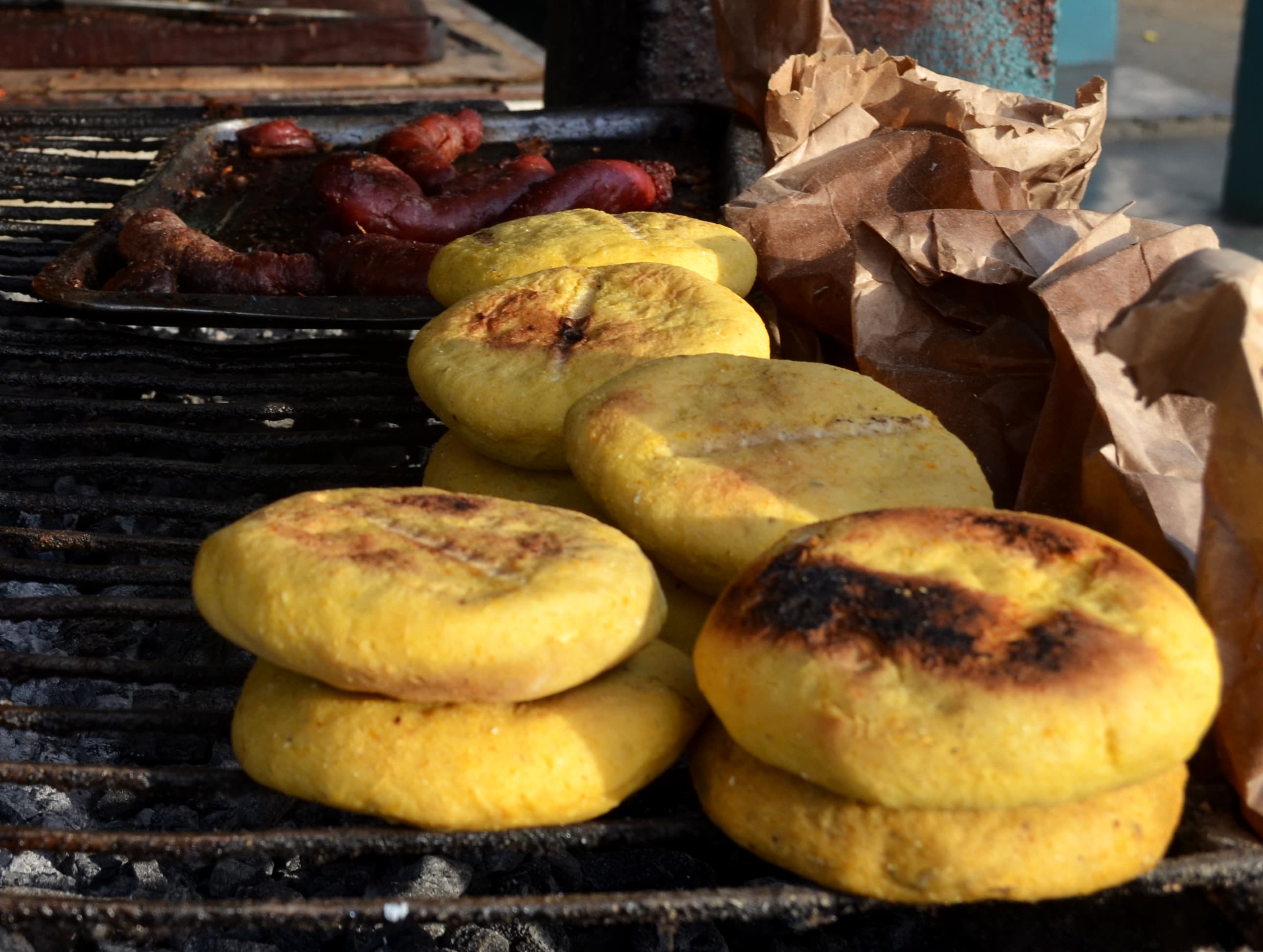
Empanadas de cazon — Margarita's signature street food. Deep-fried corn empanadas stuffed with cazón (baby shark, stewed with spices and shredded). They are sold from morning through evening at street stands, beachside kiosks, and small restaurants across the island. A good empanada de cazón is $1-2 and more satisfying than meals costing ten times as much. The best ones have a thin, crispy shell and a filling that is seasoned, not just salted. Ask locals where they buy theirs.
Mariscada — A seafood stew combining shrimp, octopus, fish, clams, and whatever else was good at the market that morning, simmered in a tomato-and-pepper base and served with rice and patacones. This is a sharing dish, and most restaurants serve it for two. Expect $15-25 for a substantial pot.
Pargo frito entero — Whole fried red snapper, scored, rubbed with salt and lime, and deep-fried until the skin crackles. Served with arroz, ensalada, and tostones. The simplicity is the point — fresh fish does not need complexity. $8-15 at harbour-front restaurants.
Pulpo al ajillo — Octopus in garlic sauce, a preparation that shows up on most serious seafood menus. The quality depends entirely on the octopus being fresh and properly tenderised — when it is right, it is one of the best things on the island.
Cocada — Coconut candy sold at beaches and markets across the island. Grated coconut cooked with sugar and sometimes condensed milk until it sets into dense, sweet blocks. A different version adds papelón (unrefined cane sugar) for a darker, more complex flavour. A few bolivares per piece.
Where to Eat
Pampatar harbour — The restaurants along the fishing port serve what the boats bring in. This is the most direct farm-to-table (or dock-to-table) dining on the island. Sit with a view of the boats, order the fish of the day, and pay $8-15 for a meal that hotel restaurants charge $30 for.
Juan Griego at sunset — The strip of restaurants along the Juan Griego waterfront exists primarily for the sunset experience. Order grilled fish, a cold Polar, and watch the sky perform. The food is good, not extraordinary — the setting does the heavy lifting. $10-20 for dinner.
Playa El Agua beachfront — The palapa restaurants lining the beach serve fried fish, ceviche, and cocktails to the lounge-chair crowd. Prices are 20-30% higher than off-beach, which is the standard beach-tax anywhere in the world. The fish is fresh. The convenience is real. $10-20 for a beachfront lunch.
Porlamar centro — The commercial city has the widest restaurant variety on the island: Lebanese (Margarita has a significant Syrian-Lebanese community), Italian, sushi, steakhouses, and Venezuelan. The Arab-influenced restaurants — kibbeh, shawarma, tabbouleh — are genuine, not novelty. These communities have been on the island for generations. Meals run $8-25 depending on the restaurant.
El Yaque strip — The kitesurfing village's restaurants are casual, affordable, and wind-themed. Grilled fish, pasta, burgers, and the kind of cheap fuel that active travelers need. $5-12 for a meal.
Local tip: For the cheapest and often best food on the island, follow the empanada trail. Every neighbourhood, every beach access point, every market entrance has at least one empanada vendor. The ones with a line of locals waiting are the ones to choose.
Getting Around Margarita
Within the Island
Rental car ($30-60/day): The most practical option for exploring beyond a single beach. Several agencies operate from the airport and Porlamar. Roads are paved and in reasonable condition on the eastern half of the island. Traffic in Porlamar can be congested. Drive defensively — the local driving style is assertive. Fuel is inexpensive.
Taxis: Available throughout the island. Negotiate the fare before departing — meters are not used. Airport to Playa El Agua: $15-25. Porlamar to Pampatar: $5-8. Porlamar to Juan Griego: $10-15. Your hotel or posada can call trusted drivers.
Por puestos (shared taxis/minivans): Fixed-route shared transport running between major towns. Cheap ($0.50-2 per ride) but schedules are irregular and routes may not cover tourist beaches directly. Useful for budget travelers comfortable with improvisation.
Private drivers: For day tours of the island, hiring a driver for a full day ($40-80) is more cost-effective than multiple taxi rides and means you get a local guide built into the price. Arrange through your accommodation.
Getting to Margarita
By air: Santiago Mariño International Airport (PMV) receives daily flights from Caracas (Maiquetia/Simon Bolivar Airport). Flight time is approximately 1 hour. Several domestic carriers operate the route. International flights are limited and seasonal — most international visitors connect through Caracas. Round-trip flights from Caracas run $80-200 depending on carrier and timing.
By ferry: Car and passenger ferries run from Puerto La Cruz (Anzoategui state) to Punta de Piedras, Margarita. The crossing takes 4-5 hours. Ferries are the cheaper option ($10-30/person depending on class) and allow you to bring a vehicle. The trade-off: they are subject to schedule changes, mechanical delays, and occasional cancellations. Check current schedules before planning around a specific sailing. The ferry terminal at Punta de Piedras is on Margarita's southern coast, about 30 minutes by car from Porlamar.
By private boat: Marina facilities exist at several points around the island. Pampatar and Porlamar have the most developed yacht services.
Safety and Practical Tips
Margarita's safety profile is a level above Venezuela's mainland average in tourist areas, but it is not a gated resort. The honest assessment: resort beaches, established tourist areas, and the main towns during daylight hours are safe with standard awareness. Porlamar at night requires the same urban caution you would apply to any Latin American city of half a million people. Isolated beaches and unlit roads after dark should be avoided.
Use Margarita as an established tourism corridor, not a risk-free island. Read the current context on our safety page before you book.
Street-level specifics:
- Playa El Agua, Pampatar, Juan Griego, and El Yaque tourist zones are safe during the day and early evening
- Porlamar's commercial centre is safe during business hours; be more alert after dark, especially in side streets away from the main boulevards
- Do not leave valuables visible in parked rental cars — break-ins happen in parking lots
- Beach theft is uncommon but possible. Do not leave electronics unattended on the sand. Most palapa restaurants will watch your belongings if you are a customer
- Avoid displaying expensive jewellery or electronics on the street. Use your phone discreetly
Health:
- Tap water on Margarita is not reliably safe to drink. Use bottled water, which is cheap and available everywhere
- Sunburn is the most common tourist health issue. The Caribbean sun at 11°N latitude is intense, and the trade winds mask how much UV exposure you are getting. Apply reef-safe sunscreen every two hours
- Hospitals and clinics exist in Porlamar and Pampatar. For serious medical needs, Caracas has better facilities. Travel insurance with medical coverage is strongly recommended
- Mosquitoes are present, especially near the mangroves and during the rainy season. Bring repellent for evenings
Connectivity:
- Cell phone service covers the populated eastern half of the island reliably. Coverage is patchy on the Macanao Peninsula
- WiFi is available at most hotels, posadas, and restaurants. Speed varies but is generally functional for messaging and social media. Do not plan to do bandwidth-intensive work
- International SIM cards work; local SIMs are available in Porlamar if you need Venezuelan data
Money:
- USD is accepted at most hotels, restaurants, and tourist-facing businesses. Carry small bills ($1, $5, $10, $20)
- Bolivares are needed for market vendors, por puestos, small shops, and street food. Exchange dollars at your hotel or at exchange houses in Porlamar
- Credit card acceptance is growing but unreliable outside larger establishments. Cash is king
- Zelle and mobile payment apps (Pago Movil) are increasingly common for person-to-person transactions
- ATMs exist but do not count on them for dollar withdrawals. Bring sufficient cash for your stay
Weather:
- Dry season (November-April) is the peak tourist window: less rain, lower humidity, and reliable trade winds (El Yaque's kite/windsurf season is longer still — roughly October to June, peaking February to April)
- Rainy season (May-October) brings brief afternoon showers, higher humidity, and greener landscapes. Tourist prices drop. The island is less crowded and still fully functional
- Hurricane risk is minimal — Margarita sits south of the main Caribbean hurricane belt. Tropical storms can bring rough seas and rain but direct hits are extremely rare
Sample 5-Day Margarita Itinerary
Day 1: Arrive and Orient
Fly into Santiago Mariño Airport. Pick up a rental car or arrange a transfer to your accommodation. If staying on the north coast: settle in, then spend the afternoon at Playa El Agua — lounge chair, fried fish, cold beer, and the particular relief of arriving somewhere warm with a working beach. If at El Yaque: check wind conditions and walk the strip. Evening: dinner in Pampatar at a harbour-front restaurant. Whole fried pargo, watch the boats.
Day 2: North Coast Beach Day
Morning at Playa Parguito — rent a surfboard or bodyboard and catch the morning glass-off before the wind builds. Mid-morning, drive to Playa Caribe for calmer water and a more relaxed swim. Lunch at a beachside restaurant on Playa El Agua — empanadas de cazón, grilled fish, the works. Afternoon: drive to Fortín de La Galera in Juan Griego, explore the fort, then claim a table at a waterfront restaurant for sunset. This is a non-negotiable Margarita experience. Dinner at Juan Griego.
Day 3: History, Mangroves, and the Interior
Morning: Restinga Lagoon boat tour — 1.5 hours through the mangrove channels, bird watching, beach stop on the outer sandbar. Drive inland to La Asuncion. Visit the cathedral and Castillo Santa Rosa. Lunch at a local restaurant in town. Afternoon: drive to Pampatar. Explore the Castillo de San Carlos de Borromeo. Walk the town. Pick up empanadas and cocadas from street vendors. Evening: dinner in Porlamar — try one of the Lebanese restaurants for a change from seafood.
Day 4: Wind, Water, or Wheels
Option A (Wind sports): Full day at El Yaque. Kitesurfing lesson or session. Lunch at the strip. Afternoon wind session. This is the day the kite crowd has been waiting for.
Option B (Island exploration): Drive the Macanao Peninsula loop. Stop at Boca de Rio fishing village, look for parrots in the scrub hills, find the empty beach at Punta Arenas. Lunch at a roadside fish shack. Afternoon snorkel trip to Cubagua Island.
Option C (Shopping and city): Morning at Sambil mall for duty-free shopping. Afternoon walking Porlamar's commercial streets. Evening: Porlamar nightlife — start with dinner, move to bars along the boulevard.
Day 5: Last Morning
Final beach session at your favourite spot from the week. Late breakfast. Pack. If your flight is afternoon (most are), you have time for one more empanada, one more swim, one more view of water that looks improbable from any angle. Transfer to the airport. Fly back to Caracas tanned and carrying a bottle of duty-free rum that cost half the mainland price.
Want a custom plan? Our AI trip planner can build a personalized Margarita itinerary based on your dates, interests, and budget — pulling from our verified local listings for stays, food, and activities.
Frequently Asked Questions
How many days do I need in Margarita?
Three days covers the highlights: a north-coast beach day, a cultural/nature day (Restinga, forts, La Asuncion), and a wind-sports or island-exploration day. Five days is the sweet spot — enough time to try multiple beaches, eat at enough restaurants to have favourites, and get a feel for the island beyond the resort strip. A week or more makes sense if you are serious about kitesurfing, want to explore Macanao properly, or simply want a Caribbean vacation at Venezuelan prices without rushing.
Is Margarita safe for tourists?
Tourist areas — the main beaches, Pampatar, Juan Griego, El Yaque, hotel zones — are safe with standard awareness. Porlamar requires more caution at night, particularly in less-trafficked areas. The island's safety profile is better than mainland Venezuelan cities but not as insulated as Los Roques. Use common sense: do not flash valuables, avoid isolated areas after dark, and use hotel safes for passports and excess cash. See our safety page for current assessments.
What is the best time to visit?
Year-round is honest — the island functions in every season. November to April (dry season) has the best weather, the most reliable winds for kitesurfing, and the highest tourist prices and crowds. October to June is wind season for El Yaque, with the peak from February to April. May to October (rainy season) brings afternoon showers, lower prices, fewer crowds, and hotel discounts. Christmas, Carnival, and Semana Santa are peak Venezuelan holidays when the island fills to capacity — book well ahead or avoid entirely.
How does Margarita compare to other Caribbean islands?
Margarita is not trying to be Aruba or Barbados. The beaches are as good or better than most Caribbean competitors, but the hotel infrastructure, service consistency, and English-language availability are lower. In exchange, you get Caribbean island prices at 30-50% of what comparable destinations charge, a Latin culture and nightlife scene that most anglophone Caribbean islands cannot match, and a beach-and-activity diversity that few single islands can compete with. The trade-off is deliberate and works for travelers who value experience over polish.
Can I combine Margarita with other Venezuelan destinations?
Yes, and this is one of its strengths as a starting point. Fly Caracas to Margarita for your beach days, then on return fly to Merida for the Andes, or connect through Caracas to Ciudad Bolivar for Canaima and Angel Falls. Margarita-to-Los Roques requires routing through Caracas. Our AI trip planner can build multi-destination itineraries that optimise the connections.
Do I need to speak Spanish?
You should have basic conversational Spanish. Tourist-facing hotels and kite schools often have English speakers, but taxi drivers, restaurant staff, market vendors, and most locals speak Spanish only. A translation app handles the gaps, but even elementary Spanish — ordering food, asking directions, negotiating taxi fares — dramatically improves the experience. Margaritenos are friendly and patient with imperfect Spanish.
Is Margarita good for families?
Yes. The calm beaches (Playa Caribe, Playa El Agua's more sheltered stretches, the Restinga beach), the Restinga Lagoon boat tour, the duty-free shopping, and the resort-hotel infrastructure all work for family travel in ways that Venezuela's more adventurous destinations do not. The north-coast hotel zone has pools, kid-friendly restaurants, and the kind of predictable beach access that makes travelling with children less logistically exhausting. Budget families can find posada rooms with kitchens for self-catering.
---
Ready to plan your Margarita trip? Use our AI-powered trip planner to build a personalized itinerary with real-time pricing from our verified Margarita listings.
Browse all Margarita listings on Vamos A Venezuela — stays, restaurants, tours, and experiences.
Written by VAV Editorial
Last updated: August 12, 2026