Morrocoy, Venezuela: The Complete Travel Guide
A boat pulls away from the Chichiriviche dock at 9 AM, loaded with coolers, folding chairs, and a family of six. Twenty minutes later it cuts the engine beside a sandbar rimmed with mangroves, and seven people wade through knee-deep turquoise water to a beach they will share with maybe thirty others. By noon the kids are asleep in the shade of a rented toldo, the cooler is half-empty, and the father is standing waist-deep in bathwater-warm Caribbean holding a Polar in one hand and his phone in the other, taking a video he will rewatch on Monday mornings for the next six months.
This is Morrocoy National Park. No charter flights. No $300 posada packages. No luggage restrictions. You drive here from Caracas in four hours, park your car, hire a boat for $10-25 per person, and spend the day on cays that look functionally identical to Los Roques — white sand, shallow turquoise water, mangrove edges — but cost a fraction of the price and require zero advance planning.
Morrocoy sits on Venezuela's central-western coast in Falcon state, covering roughly 32,000 hectares of marine and coastal territory: a labyrinth of mangrove channels, coral reefs, seagrass beds, and dozens of small cays and islands scattered across a calm, shallow bay. The two gateway towns — Chichiriviche to the north and Tucacas to the south — serve as launch points for the daily boat exodus to the cays. Between them, a stretch of coastline that has been the default weekend escape for caraqueños and valencianos for decades.
The comparison to Los Roques is inevitable and useful. Both destinations operate on the same basic model: you take a boat from a base town to uninhabited cays, spend the day on the sand, and return in the afternoon. The difference is access and cost. Los Roques requires a charter flight from Caracas and $200-500/night all-inclusive posadas. Morrocoy requires a car and $40-100/day total. Los Roques is the aspirational trip. Morrocoy is the one people actually take, repeatedly, without overthinking it.
We have a curated collection of listings in Morrocoy — mostly stays, plus a growing number of experiences and services. This guide covers where to go, what it costs, and how to get the most from the mainland's best cay-hopping destination.
Quick Facts
| Detail | Info |
|---|---|
| Location | Falcon state, central-western coast, between Chichiriviche and Tucacas |
| Size | ~32,000 hectares of marine and coastal territory |
| Main gateway towns | Chichiriviche (north) and Tucacas (south) |
| Climate | 28-33°C year-round, dry season Dec-Apr |
| Best time to visit | Year-round; Dec-Apr driest and busiest |
| Getting there | 4-hour drive from Caracas via Valencia/Moron; 30 min from Coro |
| Typical daily budget | $40-100 USD/day |
| Language | Spanish (limited English) |
| National park fee | Required for cay access, paid at boat docks |
| Time zone | UTC-4 (Venezuela Standard Time) |
Why Visit Morrocoy
Morrocoy does not try to be exclusive. It does not curate the experience or limit the numbers or charge a premium for scarcity. What it offers instead is honest, repeatable, affordable access to Caribbean cays — the same fundamental experience that makes Los Roques famous — from the mainland, without flights, without all-inclusive package requirements, without weeks of advance planning.
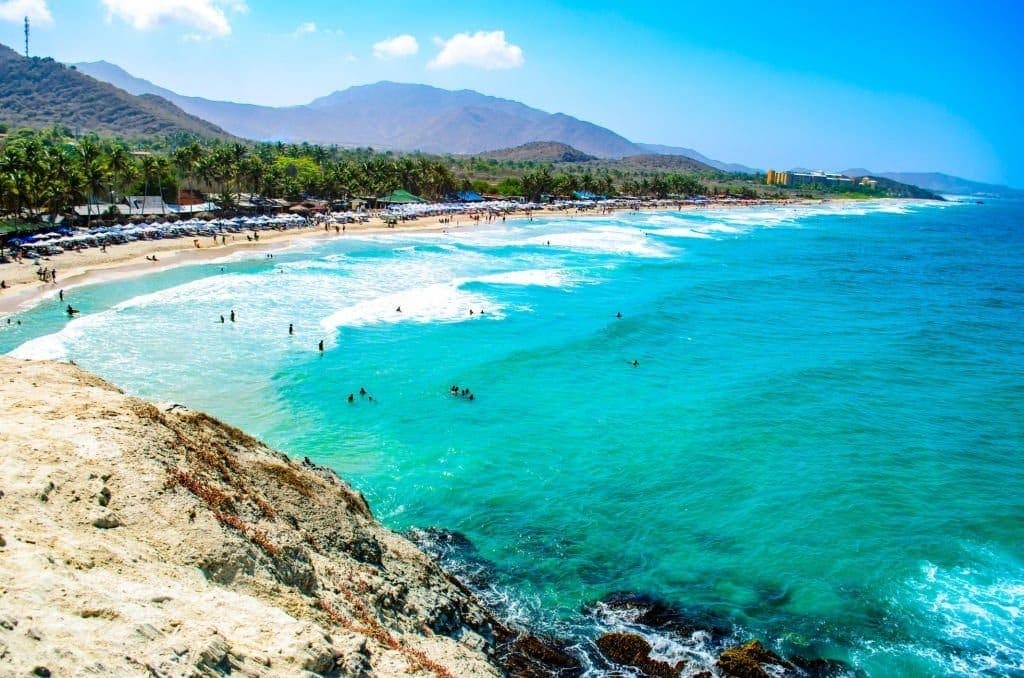
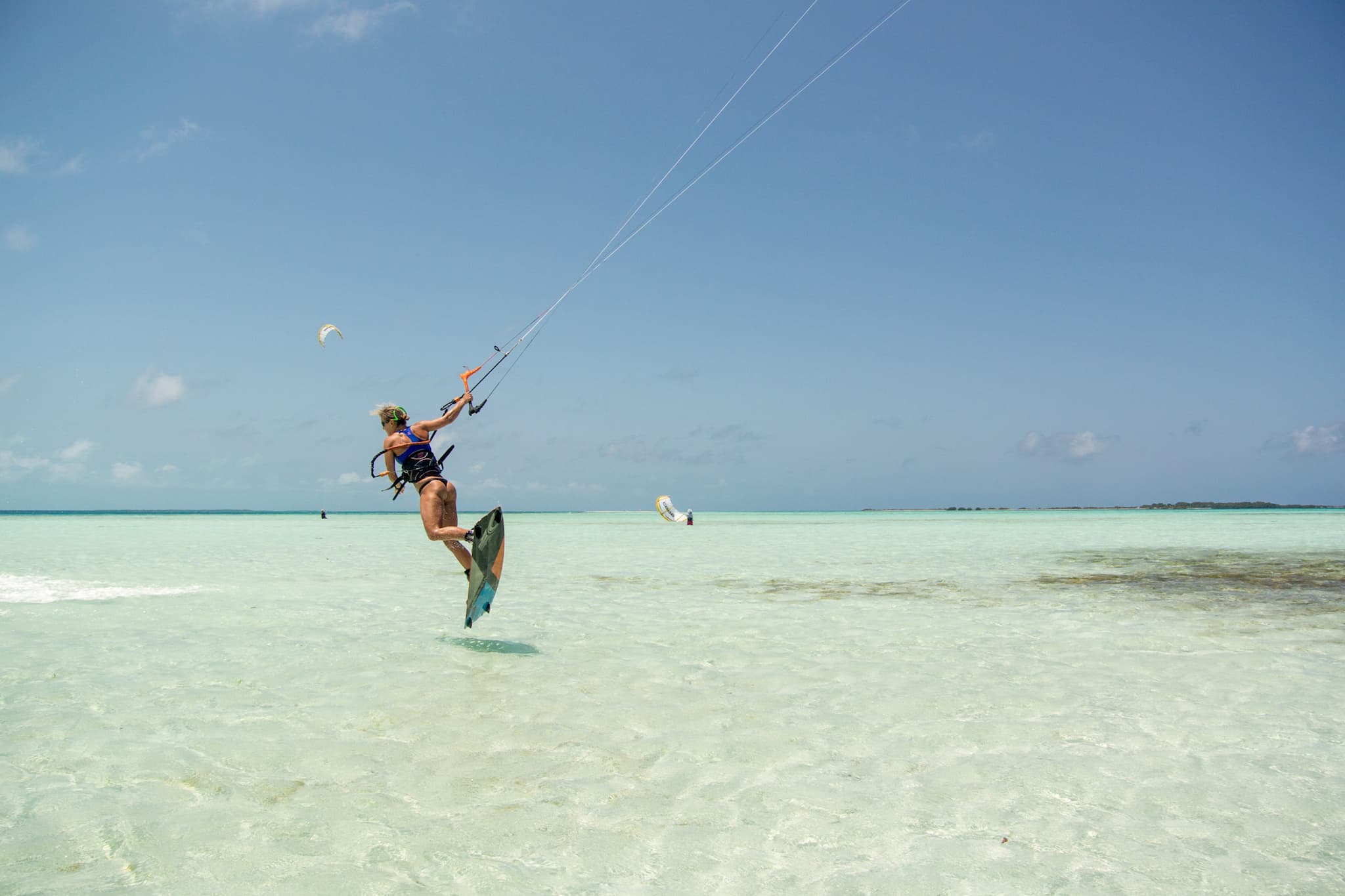
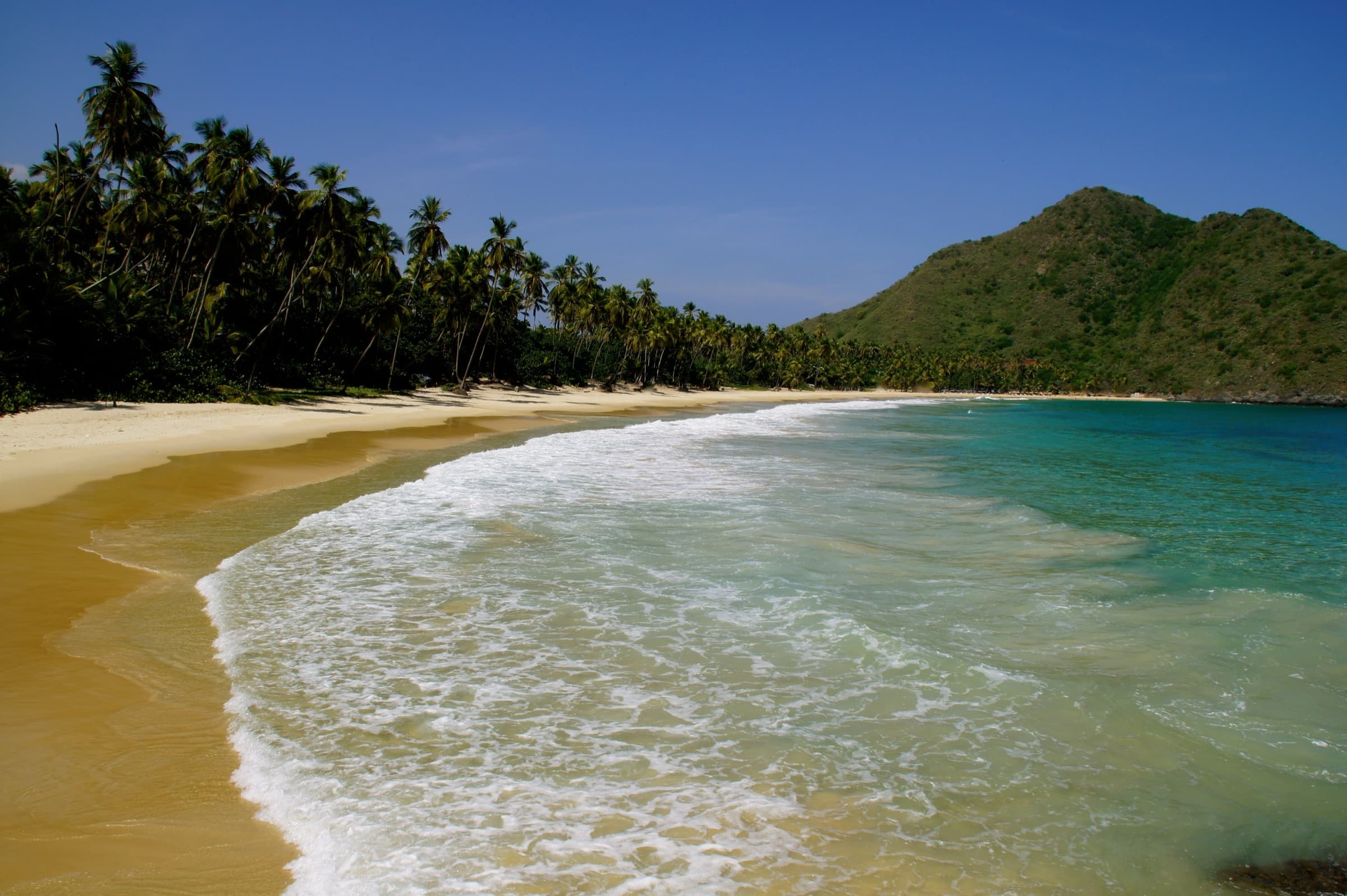
The water delivers. The cays sit in a shallow, protected bay where mangrove root systems and seagrass beds filter the water to transparency. The turquoise over white sand is not Los Roques-grade on every cay and every day, but Cayo Sombrero and Playuela regularly produce water color that makes first-time visitors stop mid-sentence. The calm, shallow conditions — most beaches have 50-100 metres of waist-deep water before any depth — make this one of the most family-friendly coastal environments in the Caribbean.
The access is the feature. You can decide at 6 AM on a Saturday morning that you want to spend the day on a Caribbean cay and be standing on one by 10 AM. The drive from Caracas takes four hours. From Valencia, two. From Barquisimeto, two and a half. No flights to book, no luggage limits, no posada reservations required (though recommended for overnight stays). Load the car, drive, park, boat, beach. The simplicity of the logistics is what makes Morrocoy the most-visited coastal national park in Venezuela.
The ecosystem is genuinely remarkable. Morrocoy is not just beaches. The park protects one of the most extensive mangrove systems on Venezuela's coast — red, black, and white mangroves forming dense canopy channels that serve as nurseries for fish, crustaceans, and dozens of bird species. The scarlet ibis (corocora) nests in the mangroves and feeds in the mudflats at dawn and dusk, turning patches of green canopy into streaks of red. The coral reefs off the outer cays, while not at Los Roques levels, support healthy populations of reef fish, sea fans, brain coral, and the occasional sea turtle.
The price is right. A full day at the cays — boat transfer, beach, lunch from a vendor — runs $15-40 per person depending on the cay distance and whether you bring your own food. Accommodation in Chichiriviche or Tucacas ranges from $20-80/night. A weekend trip for a family of four, including gas from Caracas, lodging, food, and boats, can realistically come in under $300. No other Caribbean cay experience in the region touches this.
Top Things to Do in Morrocoy
1. Spend the Day on Cayo Sombrero
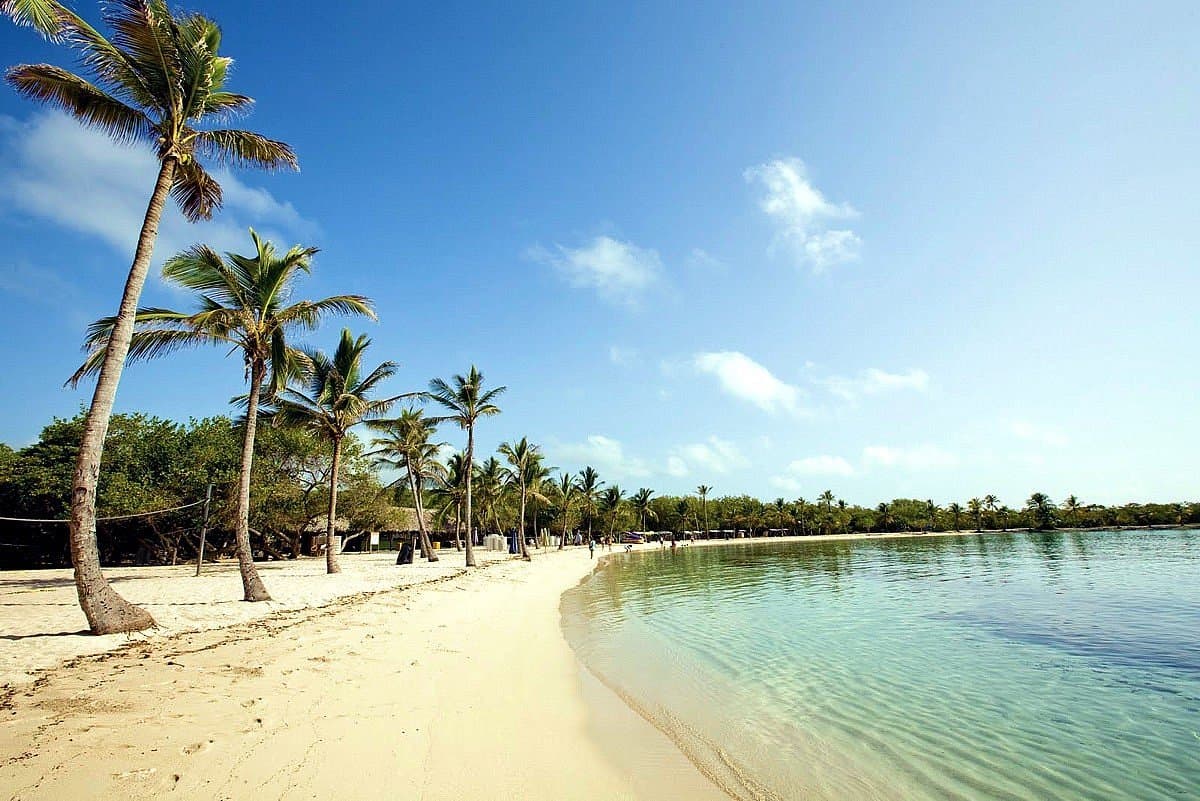
The flagship cay. A genuine island with palm trees, white sand on the leeward side, rockier coastline to windward, and water that ranges from transparent shallows to deeper turquoise offshore. Cayo Sombrero is the largest and most developed of Morrocoy's cays — "developed" meaning there are toldos (shade structures) for rent, vendors selling fried fish and cold drinks, and basic bathroom facilities.
The boat ride from Chichiriviche takes about 30-40 minutes. From Tucacas, roughly 25 minutes. Expect company, especially on weekends and holidays — Sombrero is the most popular cay in the park, and it fills up during Semana Santa and long weekends. Weekdays are dramatically quieter. Arrive early on weekends to secure a toldo.
Cost: Boat round-trip ~$15-25/person from either gateway. Toldo rental ~$5-10/day.
2. Float at Playuela (Playa Azul)
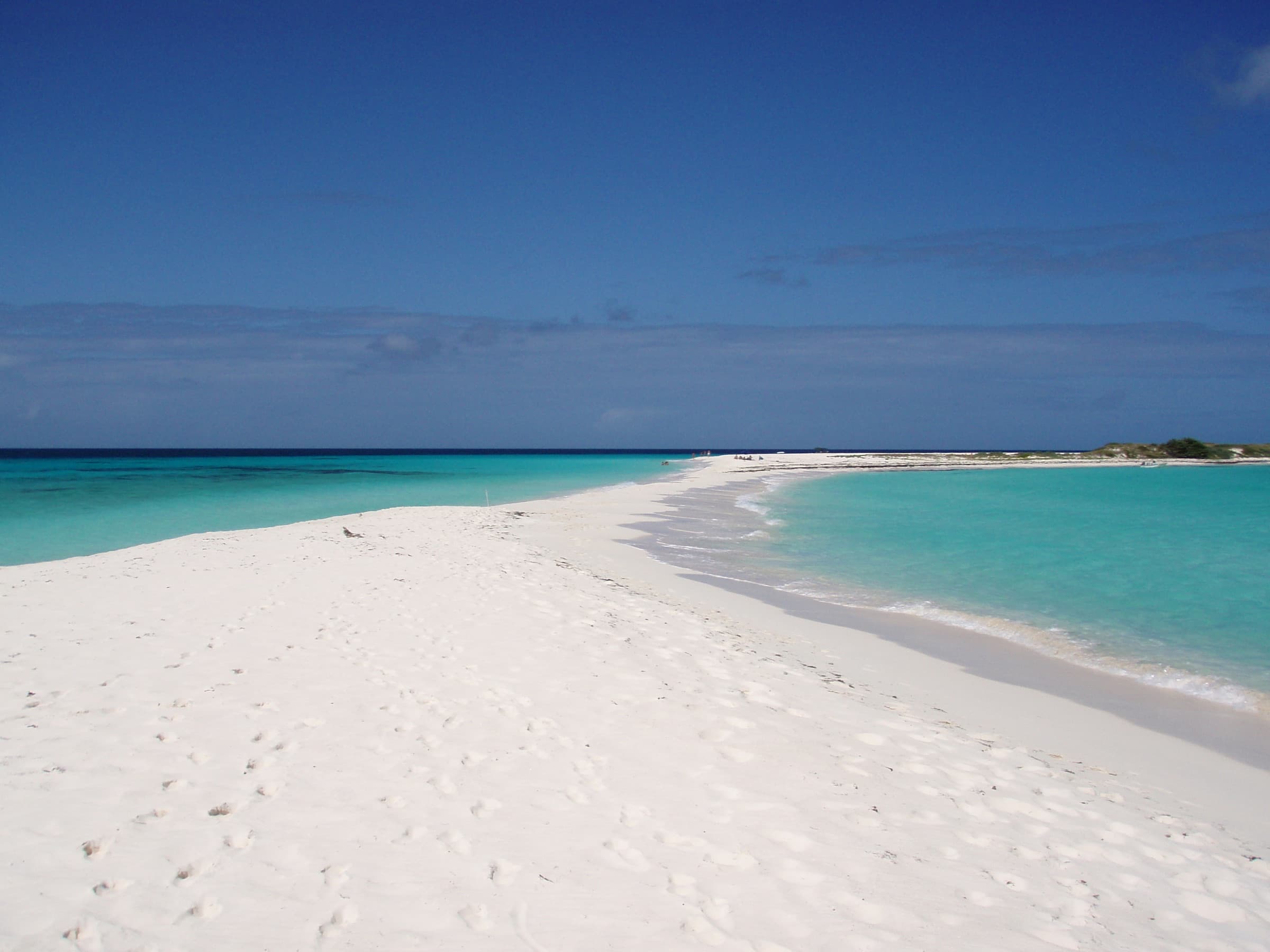
If Cayo Sombrero is the popular one, Playuela is the photogenic one. A long, shallow sandbar with water so calm and clear that people float motionless for hours, staring up at cloudless sky. The depth rarely exceeds waist-height for 100+ metres offshore, making it the single best spot in Morrocoy for small children and non-swimmers.
Playuela is technically a sand formation rather than a proper cay, which means shade is limited to what you bring or rent. The upside: the flat, open water produces the most striking color gradients in the park. This is where the aerial photographs that circulate on social media come from.
Boat from Chichiriviche: ~20 minutes. Closer and cheaper than Sombrero.
3. Snorkel Cayo Borracho and Cayo Sal
The outer cays offer Morrocoy's best underwater visibility. Cayo Borracho ("Drunk Cay" — the origin stories vary and none are confirmed) has rocky sections along its coast where coral formations and sea fans attract parrotfish, angelfish, sergeant majors, and damselfish. Snorkeling here is straightforward: wade off the beach, swim 30-50 metres, and you are over the reef.
Cayo Sal sits further out and draws fewer visitors, which means cleaner reef and better fish concentrations. The trade-off is a longer, more expensive boat ride. For anyone with a mask and fins who wants to see Morrocoy's marine life at its healthiest, Sal is worth the trip.
Bring your own snorkel gear. Rental is available at some docks but quality is inconsistent and selection is limited.
4. Paddle the Mangrove Channels
Morrocoy's mangrove system is one of the most extensive on Venezuela's coast, and paddling through it is one of the few experiences that distinguishes Morrocoy from every other Caribbean beach destination. Kayak and small-boat tours depart from both Chichiriviche and Tucacas, winding through narrow channels where red mangrove roots arch overhead, the water turns from turquoise to dark amber, and the bird life shifts from pelicans and frigatebirds to herons, kingfishers, and — if the timing is right — scarlet ibis.
The best mangrove paddling is in the Tucacas sector of the park, where the channel network is denser and more varied. Morning trips (before 9 AM) maximize bird activity and avoid afternoon heat.
Cost: Guided kayak tours ~$15-30/person for 2-3 hours.
5. Watch the Scarlet Ibis at Dawn
The corocora — Venezuela's scarlet ibis — nests in Morrocoy's mangroves in significant numbers. At dawn and dusk, flocks move between roosting and feeding areas, and the sight of dozens of vivid red birds against green mangrove canopy is one of the park's signature images.
The best viewing is from a boat in the mangrove channels near Chichiriviche, particularly around the Golfete de Cuare Wildlife Refuge, which borders the national park to the north. Early morning departures (5:30-6:00 AM) catch the birds moving from their roosts to feeding flats. Local boatmen know the routes and timing — ask at the docks for a "paseo de corocoras."
Cost: ~$10-20/person for a dawn birdwatching boat trip.
6. Explore Cayo Muerto and Cayo Peraza
The less-trafficked cays for visitors who want sand without crowds. Cayo Muerto is small and low-key — less infrastructure than Sombrero, fewer vendors, but the same clean water and the kind of quiet that disappears from the popular cays on weekends. Cayo Peraza is similar: compact, calm, and largely ignored by the weekend masses headed to Sombrero and Playuela.
These cays work well for groups who bring their own cooler, shade, and supplies. The trade-off for fewer services is fewer people, which on a Saturday in December is worth everything.
7. Dive the Outer Reefs
Morrocoy's diving does not compete with Los Roques or Bonaire, but the outer reef systems — particularly off Cayo Borracho and Cayo Sombrero's windward side — offer decent wall and reef dives in 8-20 metre visibility. Sea fans, brain coral, fire coral, barrel sponges, and the usual Caribbean reef cast (parrotfish, trumpetfish, moray eels, barracuda) populate the sites.
A handful of dive operators work out of Tucacas. Two-tank dives run approximately $60-100 including gear. Certification courses (PADI Open Water) are available.
The diving is not the reason to come to Morrocoy. But if you are already here and you have a certification, an afternoon dive on the outer reefs is a solid addition to a beach day.
8. Walk the Tucacas Waterfront at Sunset
Tucacas is the grittier, more working-class of the two gateway towns, and its waterfront strip has an unpretentious energy that Chichiriviche's more tourist-oriented layout lacks. Small restaurants and food stalls line the dock area, serving fried fish, patacones, and cold beer. The fishing boats return in the late afternoon, and watching the catch get unloaded while the sun drops behind the mangroves is one of those unremarkable moments that sticks in memory.
The waterfront restaurants in Tucacas also tend to be cheaper than their Chichiriviche equivalents. A plate of fried fish with tostones and a beer runs $5-10.
9. Take the Scenic Route Through the Cuare Estuary
The area north of Chichiriviche, around the Golfete de Cuare, blurs the line between national park and wildlife refuge. Boat trips through the Cuare estuary pass through wider mangrove channels into open lagoons where flamingos, pelicans, cormorants, and roseate spoonbills feed alongside the more famous scarlet ibis. This is a different Morrocoy than the cay-hopping beach experience — quieter, slower, more about the ecosystem than the sand.
The Cuare Wildlife Refuge is a Ramsar Wetland of International Importance, and the birdlife reflects that designation. Serious birders should bring binoculars and a long lens.
10. Do the Local Beach Day Properly
Morrocoy is not a place that rewards optimization. The correct approach is the local one: arrive at the dock between 8 and 9 AM. Negotiate a boat. Load the cooler (packed the night before with ice, beer, water, sandwiches, and fruit). Ride to your chosen cay. Set up a toldo or hang a hammock between two mangrove trunks. Swim when it gets hot. Eat when it gets late. Stay until the boatman comes back at 4 PM. Drive home sunburned and sandy. Repeat the following weekend.
The visitors who try to hit four cays in one day, or who schedule activities by the hour, miss the point. Morrocoy is a one-cay-per-day destination. Pick a cay, commit to it, and let the afternoon evaporate.
Where to Stay in Morrocoy
Accommodation splits between the two gateway towns. Your choice of base determines which cays are most accessible and what kind of town experience you get in the evening.
We have a curated collection of Morrocoy listings — the large majority are stays, ranging from posadas and hotels to vacation rentals and cabins.
Chichiriviche
The more tourist-oriented of the two towns, located at the northern end of the park. Chichiriviche has a wider selection of posadas and small hotels, a pedestrian-friendly waterfront, restaurants catering to visitors, and a slightly more developed tourism infrastructure. The dock here serves the northern cays, including Playuela, Cayo Sal, and Cayo Muerto, with Cayo Sombrero reachable on a longer run.
Pros: More lodging options, better for first-time visitors, closer to Playuela and the Cuare birdwatching area.
Cons: More crowded during peak weekends, slightly more tourist-pricing at restaurants.
Tucacas
The southern gateway, a working port town with a grainier edge. Tucacas provides the most direct access to Cayo Sombrero, Cayo Borracho, and the denser mangrove channels. The town itself has less tourist polish but more local character — the waterfront fish restaurants are cheap and genuine, and the vibe on a weeknight feels like a Venezuelan coastal town that happens to sit next to a national park rather than a town that exists because of one.
Pros: Closer to Cayo Sombrero and Borracho, cheaper food, less crowded town center, better mangrove access.
Cons: Fewer lodging options, less walkable for casual tourists.
Price Ranges
- Budget ($20-40/night): Basic posadas and guesthouses with fan or AC, private bathroom, minimal frills. Clean, functional, and close to the docks. These are the standard for weekend trippers from Caracas or Valencia.
- Mid-range ($40-80/night): Better-appointed posadas and small hotels with air conditioning, pools (some), breakfast included, and more attentive service. A noticeable step up in comfort without a dramatic jump in price.
- Upper range ($80-150/night): Larger hotels and boutique posadas with pools, restaurant service, and parking. These exist primarily around Chichiriviche and cater to families looking for a resort-adjacent experience.
Booking tip: Morrocoy does not have the advance-booking pressure of Los Roques. Weekday visits in the off-season (May-November) can usually be booked on arrival. But Semana Santa, Carnival, and December holiday weekends fill every bed in both towns. For those dates, book 2-4 weeks ahead.
Browse all Morrocoy listings on VAV to compare options and pricing.
Where to Eat
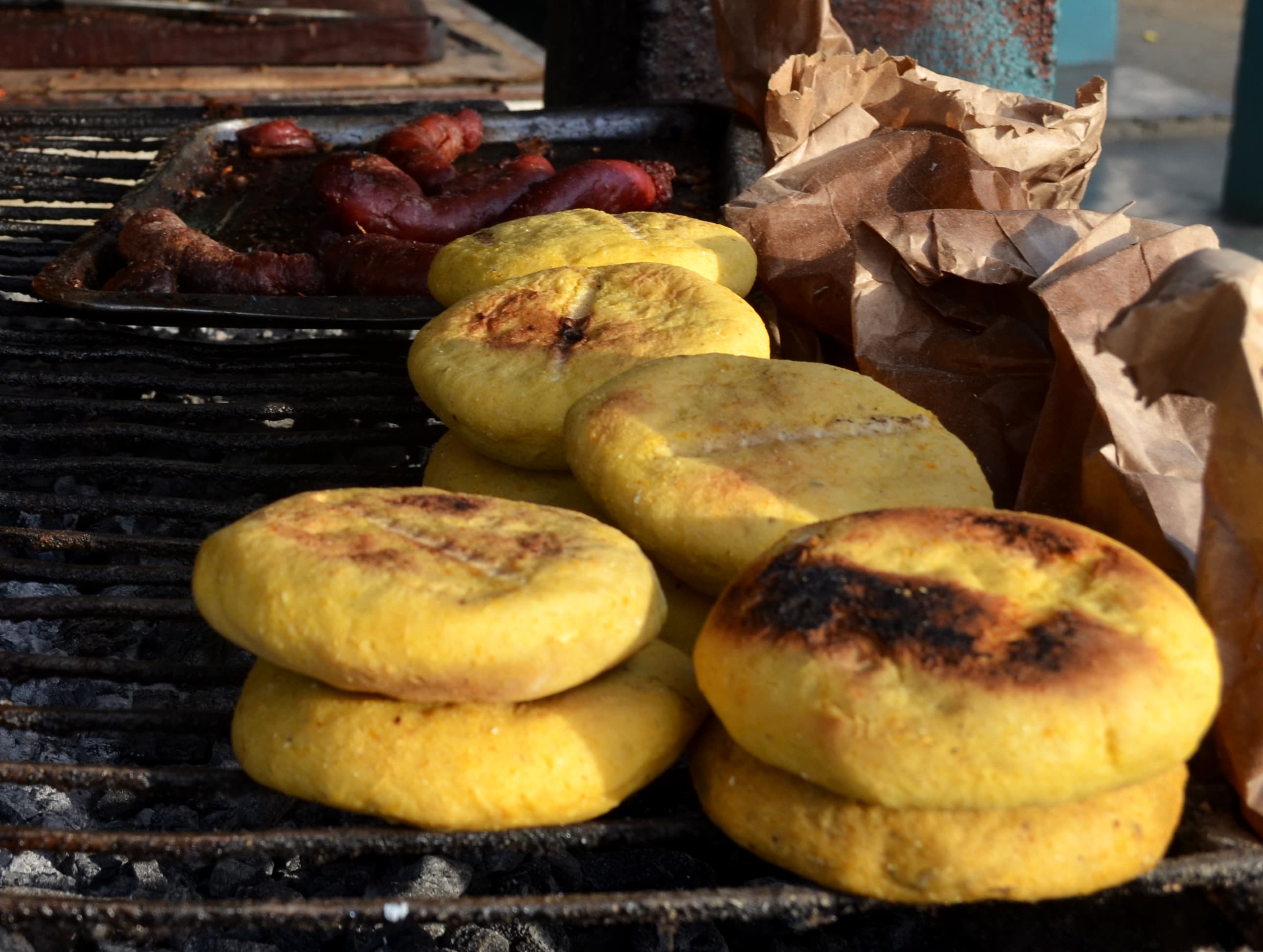
Morrocoy's dining scene is functional rather than destination-worthy. This is beach food territory — fried fish, seafood, arepas, cold beer — served well but without culinary ambition. The ingredients are fresh (everything comes off the boats), and the prices are low.
On the Cays
Vendors on Cayo Sombrero and Playuela sell fried fish, empanadas, tostones, and drinks. The quality varies by vendor — the fish is always fresh, but preparation ranges from excellent to indifferent. A plate of fried fish with sides and a drink runs $5-10 on the cays. Bringing your own cooler with food and drinks is standard practice and often the better option, especially for families.
In Chichiriviche
The waterfront strip has a dozen small restaurants serving grilled and fried fish, ceviche, pasta with seafood, and the usual Venezuelan standards (arepas, cachapas, parrilla). A full meal with drinks costs $8-15/person. The quality clusters around decent — you will not have a bad meal or a revelatory one.
What to order: Fried pargo (red snapper) is the default and it is consistently good. Ceviche with fresh-caught fish and lime. Empanadas de cazon (baby shark empanadas, a coastal Venezuelan staple).
In Tucacas
The dock-area restaurants in Tucacas serve the same seafood-heavy menu at slightly lower prices. The advantage of eating in Tucacas is proximity to the fishing boats — lunch specials use whatever came in that morning.
A fried fish plate with patacones and a beer at the dock: $5-8. This is the best value meal in the Morrocoy area.
Note: Restaurant diversity is limited. We currently list 1 restaurant in the Morrocoy region — this number will grow as we onboard more local operators. For now, your posada, cay vendors, and the waterfront strips in both towns are your dining options.
Getting There and Around
By Car from Caracas (Recommended)
The drive takes approximately 4 hours via the autopista to Valencia, then north through Moron to either Tucacas or Chichiriviche. The road is paved and well-maintained for the entire route. Traffic heading out of Caracas on Friday afternoons and returning on Sunday evenings can add 1-2 hours — leave early.
Route: Caracas → Autopista Valencia (E/W) → Exit at Moron → North to Tucacas (15 min) or continue to Chichiriviche (30 min past Tucacas).
From Valencia: 2 hours. Valencia residents are Morrocoy's most frequent visitors.
From Barquisimeto: 2.5 hours via the Lara-Falcon highway.
From Coro: 30 minutes. Morrocoy is a quick day trip from Falcon's capital.
From Maracaibo: 5-6 hours. Possible but a long day drive.
By Bus from Caracas
Buses depart from Terminal de La Bandera in Caracas to both Chichiriviche and Tucacas. The trip takes 5-6 hours and costs approximately $5-10 per person. Frequency is highest on Friday afternoons and weekends. Having your own vehicle is a significant convenience for loading coolers and gear, but bus access makes Morrocoy viable even without a car.
Getting to the Cays
All cay access is by boat from the docks in Chichiriviche or Tucacas. The system is informal but well-organized: boatmen line the docks, prices are posted (though negotiable during off-peak times), and departures begin around 8-9 AM with returns between 3-5 PM.
Boat pricing (round-trip per person, approximate):
| Destination | From Chichiriviche | From Tucacas |
|---|---|---|
| Playuela | $10-15 | — |
| Cayo Sombrero | $15-25 | $12-20 |
| Cayo Borracho | $15-20 | $12-18 |
| Cayo Sal | $12-18 | $15-20 |
| Cayo Muerto | $10-15 | — |
| Cayo Peraza | $10-15 | $10-15 |
Prices fluctuate with fuel costs and season. Groups can sometimes negotiate whole-boat rates that work out cheaper per person. Boatmen will typically agree on a return pickup time — 3 PM and 4 PM are standard.
Getting Around the Towns
Both Chichiriviche and Tucacas are small enough to walk from lodging to the docks. If you drove, you will park near your posada and walk. Taxis exist for runs between the two towns ($5-10) or to the highway bus stops.
Safety and Practical Tips
Morrocoy is rated Green (Safe) on our platform — one of the safer destinations in Venezuela. The national park setting, established tourism infrastructure, and steady flow of domestic visitors create a low-risk environment.
Safety:
- Petty theft at the docks and on busy cay days is the primary concern. Do not leave valuables unattended on the beach. Use a dry bag or waterproof pouch for phones and cash.
- The ocean conditions are mild — calm, shallow water with minimal current on most cays. Rip currents are rare but possible on windward sides of outer cays. Swim on the leeward (calm) side.
- Sea urchins are present on rocky sections. Wear water shoes or reef shoes when wading outside sandy areas.
- Sun exposure is the most reliable health risk. The combination of equatorial sun, reflective water, and sea breeze that masks skin temperature produces serious burns. Use SPF 50+, reapply after swimming, and bring a hat. Reef-safe sunscreen is strongly encouraged.
Health:
- Medical facilities in Chichiriviche and Tucacas are basic — small clinics for minor issues. Serious medical situations require transfer to Valencia (2 hours) or Caracas.
- Bring all personal medications. Pharmacy availability in both towns is limited.
- Mosquitoes are present in the mangrove areas, especially at dusk. Bring repellent for evenings.
- Hydrate continuously. Heat, sun, salt water, and alcohol dehydrate you faster than altitude or air conditioning.
Money:
- Cash is king. USD and bolivares are both accepted, with USD increasingly preferred at posadas and boat docks. Small denominations ($1, $5, $10) make negotiations easier.
- Some posadas and restaurants accept mobile payment (Zelle, bank transfers). Credit card acceptance is unreliable — do not depend on it.
- Budget approximately $40-100/day per person covering lodging, food, boat transfers, and incidentals.
Connectivity:
- Cell signal is available in both towns and intermittently on the cays (Movistar and Digitel coverage is spotty offshore).
- WiFi at posadas ranges from functional to non-existent. Do not plan to work remotely.
What to bring:
- Cooler and ice (essential for cay days — buy ice at gas stations or markets in town)
- Reef-safe sunscreen, SPF 50+
- Snorkel gear (own > rental)
- Water shoes or reef shoes
- Dry bag for electronics
- Cash in small bills (USD preferred)
- Hat, sunglasses, and a light cover-up
- Hammock (optional, but useful on less-developed cays)
For the latest safety updates, visit our safety page.
Sample 3-Day Morrocoy Itinerary
Day 1: Arrive, Settle, Playuela
Drive from Caracas, arriving in Chichiriviche by noon. Check into your posada, grab lunch at a waterfront restaurant (fried pargo, tostones, cold Polar — $8-12). Head to the docks for an afternoon boat to Playuela ($10-15/person round-trip). Float in the shallow water for three hours. Return to town by 4 PM. Evening: walk the Chichiriviche waterfront, early dinner, buy ice and supplies for tomorrow's cooler.
Day cost: ~$50-70/person (half-day boat, lunch, lodging).
Day 2: Full Day on Cayo Sombrero
Pack the cooler the night before: ice, water, beer, sandwiches, fruit. Dock by 8:30 AM. Boat to Cayo Sombrero ($15-25/person). Rent a toldo ($5-10), set up camp on the leeward beach. Swim. Snorkel the rocky section on the cay's east side. Buy fried fish from a vendor for lunch, or eat from your cooler. Swim more. Read a book. Do nothing productively. Return boat at 4 PM. Dinner in town — splurge on a grilled lobster if the restaurant has it ($15-20).
Day cost: ~$40-60/person (boat, toldo, food, dinner).
Day 3: Mangroves and Departure
Early start: 6 AM dawn boat trip through the mangrove channels toward Cuare ($10-20/person). Watch for scarlet ibis, herons, and kingfishers in the golden morning light. Return by 8:30 AM. Breakfast at the posada. If time permits before driving back, take a quick boat to Cayo Muerto ($10-15/person) for a quiet final swim — this smaller cay will be nearly empty on a weekday morning. Pack up, check out, drive back to Caracas. Arrive by early evening.
Day cost: ~$30-50/person (dawn tour, half-day boat, breakfast).
Total 3-day trip: ~$120-180/person plus gas and lodging — a complete Caribbean cay experience at a fraction of what Los Roques or any international island destination would cost.
Want to customize this? Our AI trip planner can build a personalized Morrocoy itinerary with real-time pricing from our verified listings.
Frequently Asked Questions
How does Morrocoy compare to Los Roques?
Same concept, different economics. Both destinations revolve around taking boats from a base to uninhabited cays and spending the day on the water. Los Roques has more dramatic water color, more remote cays, better diving, and world-class fishing — but requires charter flights from Caracas ($150-300 round trip) and $200-500/night all-inclusive posadas. Morrocoy is road-accessible, budget-friendly ($40-100/day), and does not require advance planning. If Los Roques is the special-occasion trip, Morrocoy is the every-other-weekend trip. Both are worth doing; they serve different purposes.
When is the best time to visit?
December through April is the dry season — sunny, less rain, busiest with domestic tourists. This is peak season, and holiday weekends (Semana Santa, Carnival, Christmas) are extremely crowded. May through November brings occasional rain and slightly rougher seas, but fewer visitors and lower prices. The water is warm year-round (26-30°C). There is no bad time to visit Morrocoy, but weekdays in any season offer a dramatically better experience than weekends.
Is Morrocoy safe?
Yes. Morrocoy is one of the safer destinations in Venezuela. The national park has a regular presence of Inparques (national parks authority) personnel, the towns have established tourism infrastructure, and the steady flow of domestic visitors means the area is well-traveled. Standard precautions apply: do not leave valuables unattended on the beach, keep cash in a dry bag while swimming, and stay aware in town after dark. The ocean conditions are mild and the cays are shallow and calm.
Can I visit Morrocoy as a day trip from Caracas?
Yes, and people do it regularly. Leave Caracas by 5-6 AM, arrive at the docks by 9-10 AM, spend 5-6 hours on a cay, and drive back in the afternoon. It is a long day (8+ hours of driving round trip), but it works, especially from Valencia (4 hours round trip). An overnight stay is significantly more relaxing and lets you catch the dawn birdwatching or hit a second cay.
Which is better — Chichiriviche or Tucacas?
Chichiriviche has more lodging options, better access to Playuela and the Cuare birdwatching area, and a more tourist-friendly atmosphere. Tucacas has more direct access to Cayo Sombrero and Cayo Borracho, cheaper restaurants, and a more local feel. First-time visitors tend to prefer Chichiriviche. Repeat visitors often gravitate to Tucacas. Neither is wrong.
Do I need to book boats in advance?
No. Boatmen are available at the docks every morning, and the system operates on a first-come basis. During peak weekends you may wait 20-30 minutes for a full boat (boats often wait to fill before departing to split fuel costs among passengers), but you will not be stranded. For large groups or specific departure times, you can arrange a boat the evening before through your posada.
What should I bring to the cays?
Cooler with ice, water, beer/drinks, and food (sandwiches, fruit, snacks). Sunscreen (SPF 50+, reef-safe). Hat and sunglasses. Snorkel gear if you have it. A dry bag for your phone and cash. Water shoes for rocky sections. A light cover-up for the boat ride back. Cash in small bills for toldo rental and vendors. Do not bring anything you cannot afford to get wet or sandy.
Is the water really that clear?
On the outer cays (Sombrero, Borracho, Sal) on calm days — yes, the water is genuinely transparent and turquoise. The cays closer to shore and the mangrove areas have more tannin-stained water, which is natural and healthy but less Instagram-ready. Playuela, despite being closer to shore, also produces striking water color due to its shallow sand-flat geography. Overcast days and post-rain conditions reduce clarity. Plan for outer cays on clear days.
Can I camp on the cays?
Camping is technically regulated by Inparques and requires permits. Some cays have been historically used for overnight camping, particularly Cayo Sombrero, but rules change and enforcement varies. Check with Inparques at the dock offices before planning an overnight on any cay. Most visitors find the posada-plus-daily-boat model more practical.
Is Morrocoy good for kids?
Morrocoy is one of the best family destinations in Venezuela. The shallow, calm water on the leeward sides of most cays (especially Playuela) is safe for children who can stand. The boat rides are short and exciting for kids. The daily rhythm — boat, beach, swim, eat, boat home — is simple enough for families to manage without stress. The budget-friendly pricing means a family of four can do a full weekend for what one night at Los Roques would cost.
---
Ready to plan your Morrocoy trip? Use our AI-powered trip planner to build a custom itinerary with pricing from our verified listings.
Explore all Morrocoy listings on Vamos A Venezuela.
Written by VAV Editorial
Last updated: August 12, 2026