How Much Does a Venezuela Trip Cost? Complete 2026 Budget Guide
Venezuela is one of the cheapest countries in the Americas to travel, and it is not close.
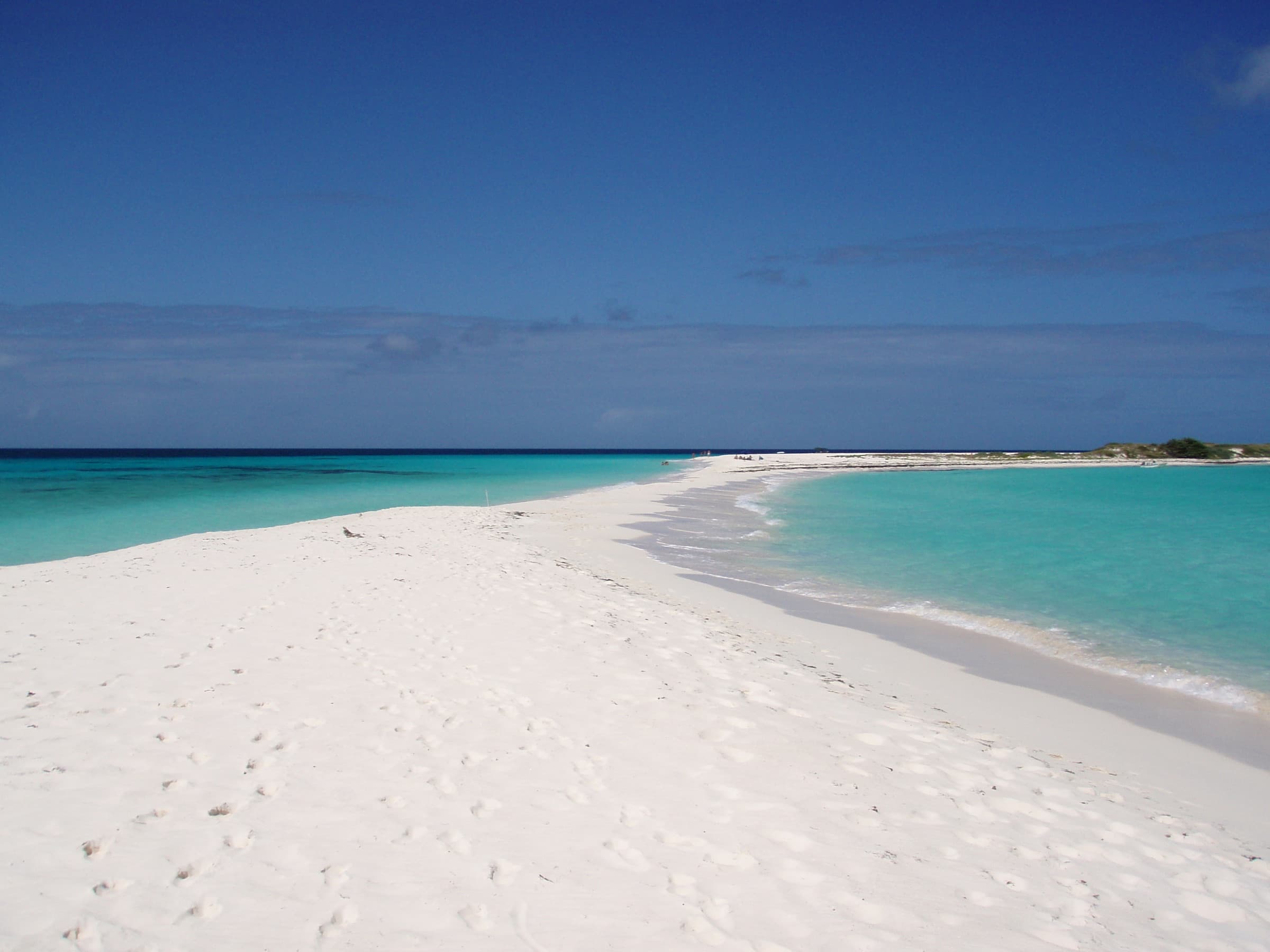
A week of excellent posadas, local food, cold beer, boat rides to empty Caribbean islands, and Andean trekking costs roughly what two to three days in Aruba, Barbados, or Costa Rica costs. A full dinner at a good restaurant in Merida runs $8-12. A round-trip boat to a pristine cay in Morrocoy is $15. A tandem paragliding flight over the Andes is $50. An empanada from a street vendor — the best breakfast in the country — is a dollar.
This is not a function of lower quality. Venezuelan posadas are often family-run homes with better food, better architecture, and better hospitality than mid-range hotels elsewhere in the Caribbean. The country's tourism infrastructure was built during decades of high domestic travel and then priced downward by years of economic upheaval. For international visitors paying in US dollars, the result is a destination where your money stretches further than almost anywhere in the Western Hemisphere.
That said, Venezuela is not uniformly cheap. Los Roques will run you $200-500 per night, per person (all-inclusive — meals and boat transfers included). Charter flights add up. And the money situation requires planning — this is a cash-and-Zelle economy, not a swipe-your-Visa one. This guide breaks down every cost category with real 2026 numbers, so you can build a budget that matches your travel style and avoid the two worst outcomes: overpaying because you did not know the local price, or running out of cash because you underestimated what you would need.
We track prices across hundreds of curated listings spanning Venezuela's major regions. These numbers come from that data, supplemented by what our team spends on the ground.
Before you budget anything, sort out entry. As of May 2026, most foreign travelers — including US citizens — need to obtain a Venezuela Tourist eVisa in advance through the country's digital visa system (passport valid 6+ months, proof of accommodation, onward/return ticket, and evidence of sufficient funds are typically required, plus the visa fee). Build the eVisa fee and processing time into your trip planning, and verify the current requirements with the official Venezuelan visa system and your nearest consulate before booking flights or non-refundable accommodation. See our Venezuela safety guide for the full entry breakdown.
The Big Picture: Daily Budgets
Every traveler lands somewhere on this spectrum. Here is what each tier actually looks like in Venezuela.
Budget: $30-50 per day
You are sleeping in basic posadas or guesthouses — clean rooms, fans or basic AC, shared or private bathrooms. Your meals come from street vendors and local restaurants: arepas for breakfast, a menu del dia lunch for $3-5, empanadas and cold beer in the evening. Transport is public buses for longer distances and shared taxis or por puestos within cities. Your beaches are the free public ones. Your hikes require only shoes and water.
This is not a deprivation budget. At $40/day in Venezuela, you eat well, sleep in real beds, and access the same coastline and mountains as everyone else. The difference is pace — you are taking buses instead of flights, choosing posadas over boutique hotels, and eating where Venezuelans eat (which, honestly, is where the food is best anyway).
This budget works best in: Merida, Choroni, Gran Sabana, mainland beach towns.
Mid-Range: $60-120 per day
The sweet spot for most visitors. You are staying in well-reviewed posadas with private bathrooms, AC, and breakfast included — the kind of places with interior courtyards, hammocks, and owners who remember your name. You eat a mix of restaurant meals and street food, take a guided tour or two, and can afford the occasional domestic flight to skip a 10-hour bus ride. You are not watching every dollar, but you are not ordering the lobster every night either.
At $80-100/day, a couple traveling together can have an outstanding trip. That covers a $40-60 posada, three meals averaging $15-20 combined, transport, and an activity or two.
This budget works best in: All regions except Los Roques (where it is the minimum).
Comfort: $150-300+ per day
You are flying between destinations instead of busing. Your posadas are the top-rated ones in each region — restored colonial homes in Choroni, waterfront suites in Margarita, the best rooms in Gran Roque. You eat at the best restaurants without checking the menu prices. You hire private guides, book the premium tours, and do not share your boat to the cays with strangers.
At the upper end, this means Los Roques all-inclusive packages, private Angel Falls expeditions, and multi-day fishing charters. Venezuela at this tier is still dramatically cheaper than equivalent experiences in the Bahamas, Costa Rica, or the ABC islands — but it is no longer pocket change.
This budget works best in: Los Roques, Margarita, Canaima expeditions.
Accommodation Costs by Region
Accommodation is where Venezuelan pricing really separates from the rest of the Caribbean. A posada that would cost $150/night in Cartagena or $200 in San Juan costs $30-60 here. The quality gap has narrowed; the price gap has not.
All prices below are in USD, per room per night — with one important exception. The all-inclusive destinations — Los Roques and Canaima, and hato-style lodges in Los Llanos — are quoted per person, per night, because the rate bundles your room, all meals, and daily boat or excursion transport. A "$250/night" Los Roques posada means $250 for each guest, so a couple pays roughly double a same-numbered per-room rate. Some Choroní posadas that include full board likewise quote per person — always confirm whether a rate is per room or per person before you compare, or you will under-budget the islands by half.
Merida — $15-80/night
The best value for quality on the entire platform. The Andean university-town economy keeps prices rational even for excellent properties. Budget posadas with mountain views run $15-25. Mid-range places with breakfast, hot water (you want it at this altitude), and character charge $30-50. The top-tier boutique stays — restored haciendas, contemporary design — top out around $60-80.
Browse listings in Merida.
Choroni — $20-60/night
Posada country. Almost every listing here is a family-run guesthouse in a colonial or semi-colonial structure. The low end ($20-30) gets you a clean room with a fan and access to a shared kitchen or courtyard. Mid-range ($35-50) adds AC, private bathroom, and often breakfast. The priciest places ($50-60) are restored colonial homes with interior gardens, but even these would be considered mid-range anywhere else in the Caribbean.
The per-room figures above are the common case, but be aware that some Choroní posadas offering full board (all meals included) quote per person rather than per room — ask which structure a rate uses before comparing it against a room-only price. Weekend prices run 20-30% higher than weekday. Visit Tuesday through Thursday for the best rates.
Browse listings in Choroni.
Morrocoy — $20-80/night
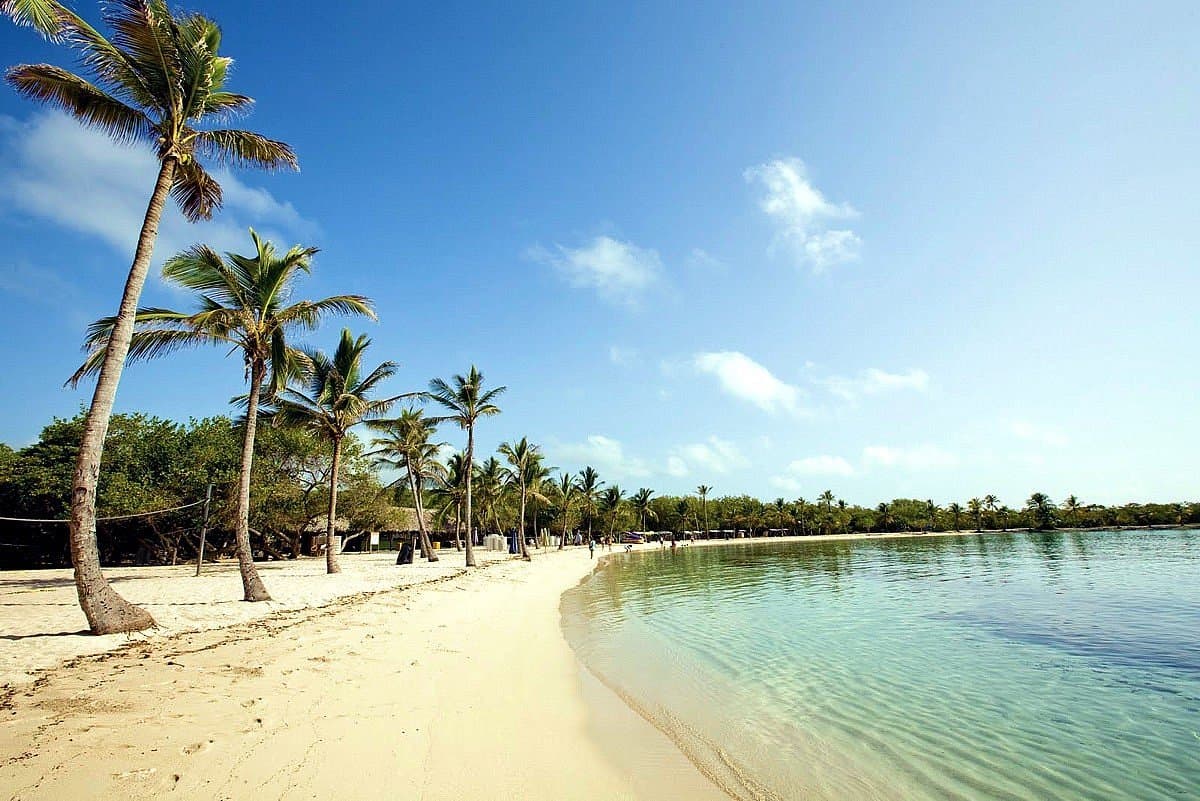
Mainland beach towns around the Morrocoy cays have a wider range than you might expect. Tucacas and Chichiriviche offer basic rooms for $20-35 — fine for a base camp if you are spending your days on the cays anyway. Better posadas with pools and AC run $40-60. The handful of properties directly on the water or with premium locations push toward $80.
Browse listings in Morrocoy.
Margarita Island — $20-200/night
The widest range of any Venezuelan destination. Margarita has everything from $20 guesthouses in Porlamar to $150-200 beachfront resorts in Playa El Agua and Juangriego. Budget travelers can absolutely do Margarita at $25-40/night with solid options. The mid-range ($50-90) gets genuinely excellent properties with pools, restaurants, and beach access. The top end exists for those who want full resort infrastructure — but even the most expensive places on the island are half what comparable Caribbean resort rooms cost.
Browse listings in Margarita.
Caracas — $30-150/night
The capital is more expensive for accommodation than most of the country, but still reasonable by any international standard. Budget hotels and guesthouses in safe neighborhoods start around $30-40. Business-class hotels in Altamira and Las Mercedes run $60-100. The top international-standard hotels charge $120-150. Caracas is typically a transit point — one or two nights before heading to the coast or mountains — so most visitors do not spend heavily here.
Browse listings in Caracas.
Los Roques — $150-500+/night, per person
The exception to every rule in this guide, and the one place where the per-person pricing above matters most. Los Roques posadas operate on all-inclusive pricing that covers your room, three meals, and daily boat transfers to the cays — and that rate is per person, per night, not per room. At $150-200/person you get a basic but clean room in a family-run posada with good food. At $250-350/person you get the posadas that everyone photographs — rooftop terraces overlooking the harbor, lobster dinners, prime locations on the main street of Gran Roque. Above $350/person are the premium properties with the best rooms, private terraces, and the kind of attention to detail that justifies the price. A couple sharing a room pays roughly twice the nightly figure — budget two people at $250/person as $500/night, not $250.
This is still 40-60% cheaper than comparable island experiences in Turks and Caicos, the BVI, or the Maldives. But it is not cheap in absolute terms — and the per-person structure is the single most common budgeting mistake visitors make here.
Browse listings in Los Roques.
Canaima — $80-200/night, per person
Canaima operates almost exclusively on package pricing — accommodation, meals, river transport, and guided excursions bundled together — and, like Los Roques, it is quoted per person. Budget camp packages (hammock or basic cabin, group tours) start around $80-120/person/night when calculated per-night from a 3-day package. More comfortable lodges with private rooms, better food, and smaller group sizes run $150-200/person/night equivalent. Two people traveling together roughly double these nightly figures. The Angel Falls expedition itself is the main cost driver here — see the Activities section below.
Read our Canaima and Angel Falls guide.
Gran Sabana — $15-60/night
Deep-south Venezuela prices. Indigenous community campamentos and basic posadas in Santa Elena de Uairen run $15-25. More comfortable guesthouses and small hotels charge $30-45. Even the best-appointed properties in the region rarely exceed $60. For overland travelers heading to Roraima or exploring the tepui landscape, this is among the cheapest quality accommodation in the country.
Browse listings in Gran Sabana.
Food and Drink Costs
Venezuelan food is cheap, filling, and — when you eat where locals eat — genuinely excellent. The country runs on a few staples that appear at every price level, and even upscale dining rarely reaches what you would pay for a comparable meal in most Latin American capitals.
Street Food and Quick Meals
| Item | Price (USD) |
|---|---|
| Empanada (cheese, meat, or shark) | $0.50-1.50 |
| Arepa rellena (filled arepa) | $1-3 |
| Cachapa with queso de mano | $2-4 |
| Pepito (Venezuelan sandwich) | $2-4 |
| Fresh juice (natural fruit) | $0.50-1.50 |
| Coffee (cafe con leche or negrito) | $0.50-1.50 |
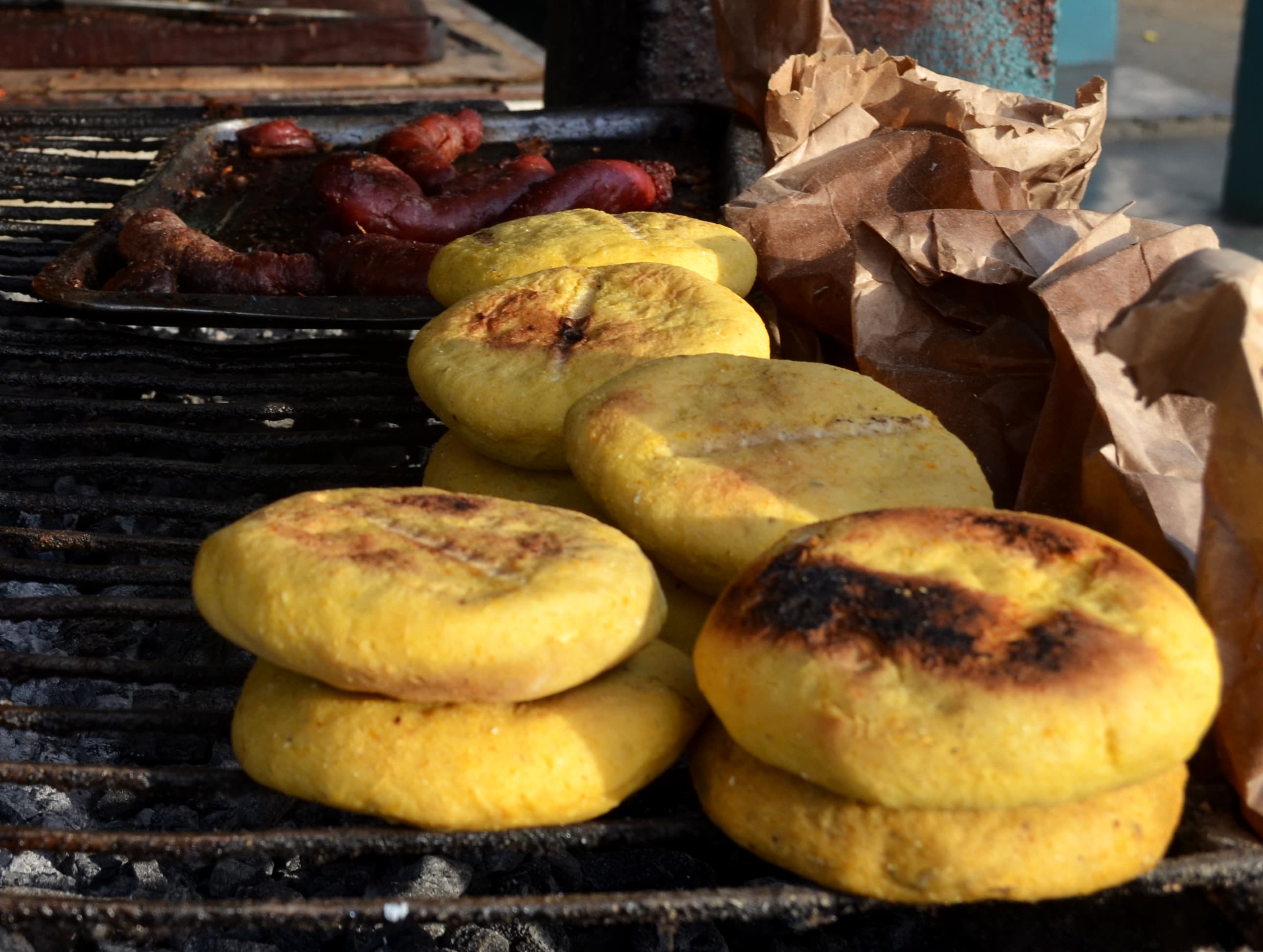
The empanada-and-coffee breakfast is the best deal in the country. For $2 you are full until lunch. Street food quality in Venezuela is high — the competition among vendors is fierce, and the staple recipes (empanada dough, arepa masa, cachapa batter) have been refined over generations.
Restaurants
| Meal Type | Price Range (USD) |
|---|---|
| Menu del dia (lunch special, includes drink) | $3-6 |
| Local restaurant dinner | $5-10 |
| Mid-range restaurant dinner | $8-20 |
| Upscale restaurant (Caracas, Margarita) | $20-50 |
| Seafood meal on the coast | $8-18 |
| Pizza or pasta | $5-12 |
The menu del dia — a set lunch with soup, main plate, drink, and sometimes dessert — is the single best value in Venezuelan dining. Available at restaurants across the country, typically served from 11:30am to 2pm. At $3-6 for a complete meal, there is no reason to eat otherwise at midday unless you are craving something specific.
Drinks
| Drink | Price (USD) |
|---|---|
| Local beer (Polar, Solera) | $1-2.50 |
| Craft beer (where available) | $3-5 |
| Cocktail at a bar | $3-8 |
| Rum (good quality, per bottle) | $5-15 |
| Water bottle (1.5L) | $0.50-1 |
| Soft drink | $0.50-1 |
Venezuelan rum is world-class — Diplomatico, Cacique, Santa Teresa — and priced at a fraction of what the same bottles cost abroad. A premium bottle such as Diplomatico Reserva Exclusiva sells locally for a small fraction of its typical export retail price. Stock up.
Grocery and Self-Catering
If your posada has a kitchen, grocery shopping is remarkably affordable. A day's worth of groceries for two — fresh bread, eggs, cheese, fruit, rice, chicken, vegetables — runs $5-10 at a local market or supermarket. This is particularly useful in Merida and Gran Sabana, where self-catering is easy and markets are excellent.
Transport Costs
Getting around Venezuela involves a few expensive jumps (flights, charter planes) and a lot of very cheap ground travel. Plan the expensive legs in advance. Let the cheap ones happen organically.
International Flights
| Route | Round Trip (USD) |
|---|---|
| Miami to Caracas | $350-700 |
| Houston to Caracas | $400-800 |
| Panama City to Caracas | $250-500 |
| Bogota to Caracas | $200-400 |
| Madrid to Caracas | $500-900 |
Fares fluctuate significantly by season. December through February and Semana Santa (Easter week) are peak. Book at least 6-8 weeks in advance for the best rates. The ranges above are indicative only — international routes into Venezuela are still being restored in 2026, including US carrier service to Miami being reinstated after the earlier flight ban was rescinded, so carriers, routes, and schedules change frequently. Verify the current airlines and schedules directly with carriers or a travel agent before booking, rather than assuming any specific route or carrier is operating.
Domestic Flights
| Route | One Way (USD) |
|---|---|
| Caracas to Margarita | $60-150 |
| Caracas to Merida | $80-180 |
| Caracas to Barcelona/Puerto La Cruz | $60-120 |
Domestic flights save enormous amounts of time — Caracas to Merida is 10-12 hours by bus versus 1 hour by air. Prices are reasonable but less predictable than international fares. Book early, and be flexible on dates if possible.
Charter Flights
| Route | Round Trip (USD) |
|---|---|
| Caracas (Maiquetia) to Los Roques | $150-300 |
| Caracas to Canaima (scheduled CONVIASA, Thu/Sun) | ~$150 |
Los Roques flights are small-aircraft charters (typically 10-15 seat Cessnas or similar) departing from Maiquetia or Charallave. Canaima is now served by scheduled CONVIASA flights from Caracas (Thu/Sun, ~$150 round trip); the former Ciudad Bolivar route is charter-only. Prices vary by operator, season, and group size. Book through your posada or a reputable tour operator — they often get better rates than walk-up pricing.
Ground Transport
| Transport Type | Cost (USD) |
|---|---|
| Long-distance bus (Caracas to Merida, ~12 hrs) | $15-30 |
| Long-distance bus (Caracas to Puerto La Cruz, ~5 hrs) | $8-15 |
| Regional bus (Maracay to Choroni, ~2 hrs) | $3-6 |
| Taxi within cities | $2-8 |
| Taxi from airport to Caracas city | $15-30 |
| Car rental per day (basic sedan) | $30-60 |
| Gasoline per tank | a fraction of export-market prices (dual pricing) |
Venezuela operates a dual fuel-pricing system: heavily subsidized stations where filling a tank costs very little, and dollar-priced "international" stations where fuel is closer to regional market rates and queues are shorter. Which you encounter varies by location and over time, so do not assume fuel is free for road-trip budgeting — it is a fraction of export prices but no longer uniformly negligible. The car rental itself is the main expense — at $30-60/day, still cheap by international standards.
A note on buses: Venezuelan bus companies range from basic (functional, air-conditioned, gets you there) to quite comfortable (reclining seats, blankets, on-board food). For overnight routes, pay the extra few dollars for the better bus company. The difference in sleep quality is worth it.
A note on car rental: Driving in Venezuela is safe on major highways during daylight hours. The road network is generally good, though some secondary roads require higher clearance vehicles. Driving in Caracas is not recommended for first-time visitors — take taxis in the capital and rent a car when you head out.
Activity and Tour Costs
Venezuela's activities fall into two categories: things that are absurdly cheap for the quality (paragliding, beach boat trips, hiking), and things that cost real money because of logistics (Angel Falls, Roraima, Los Roques fishing). Both categories are still cheaper than equivalent experiences elsewhere.
| Activity | Cost (USD) |
|---|---|
| Merida | |
| Tandem paragliding flight | $40-70 |
| Teleferico de Merida (cable car) | $15-30 |
| Los Nevados trek with guide + mule | $40-80/day |
| Mountain biking half-day | $30-50 |
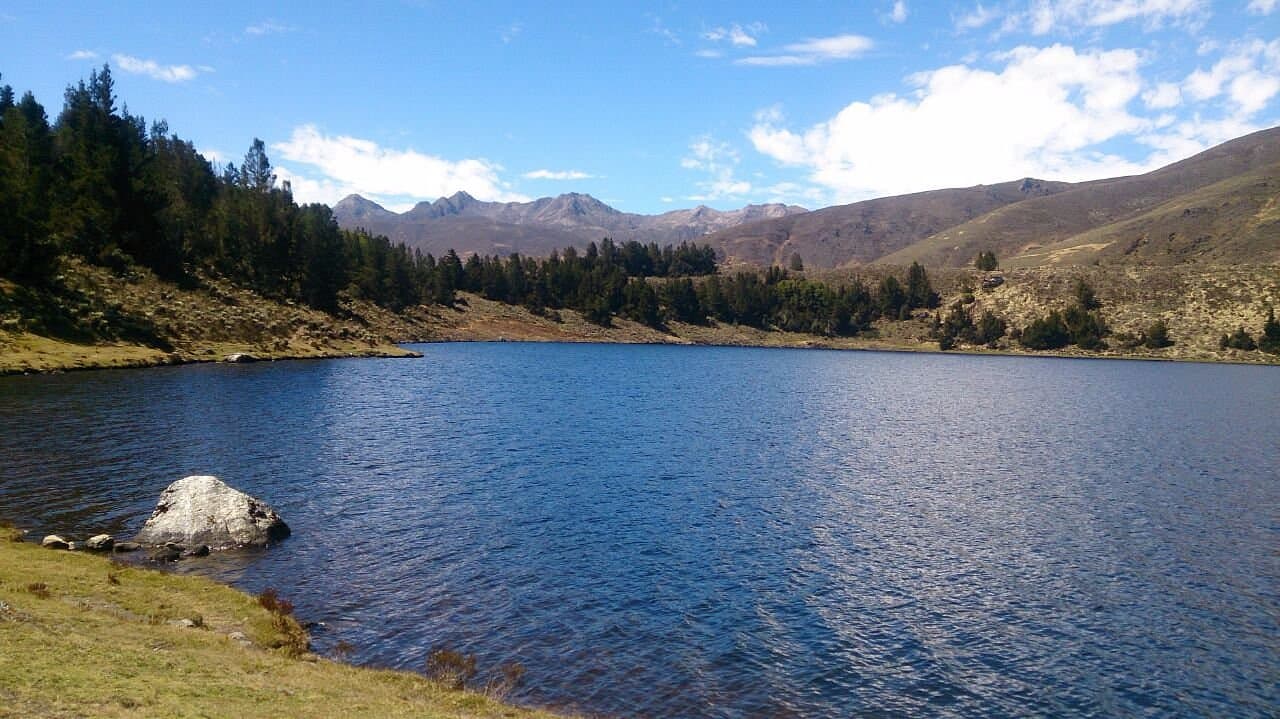
| Laguna de Mucubaji day trip | $20-40 |
| Coast and Islands | |
| Morrocoy boat to cays (round trip) | $10-25 |
| Choroni boat to Playa Grande | $3-5 |
| Snorkeling gear rental (full day) | $5-10 |
| Cacao plantation tour (Choroni) | $10-25 |
| Diving (2-tank dive, Los Roques) | $60-100 |
| Snorkeling tour (Los Roques) | $30-60 |
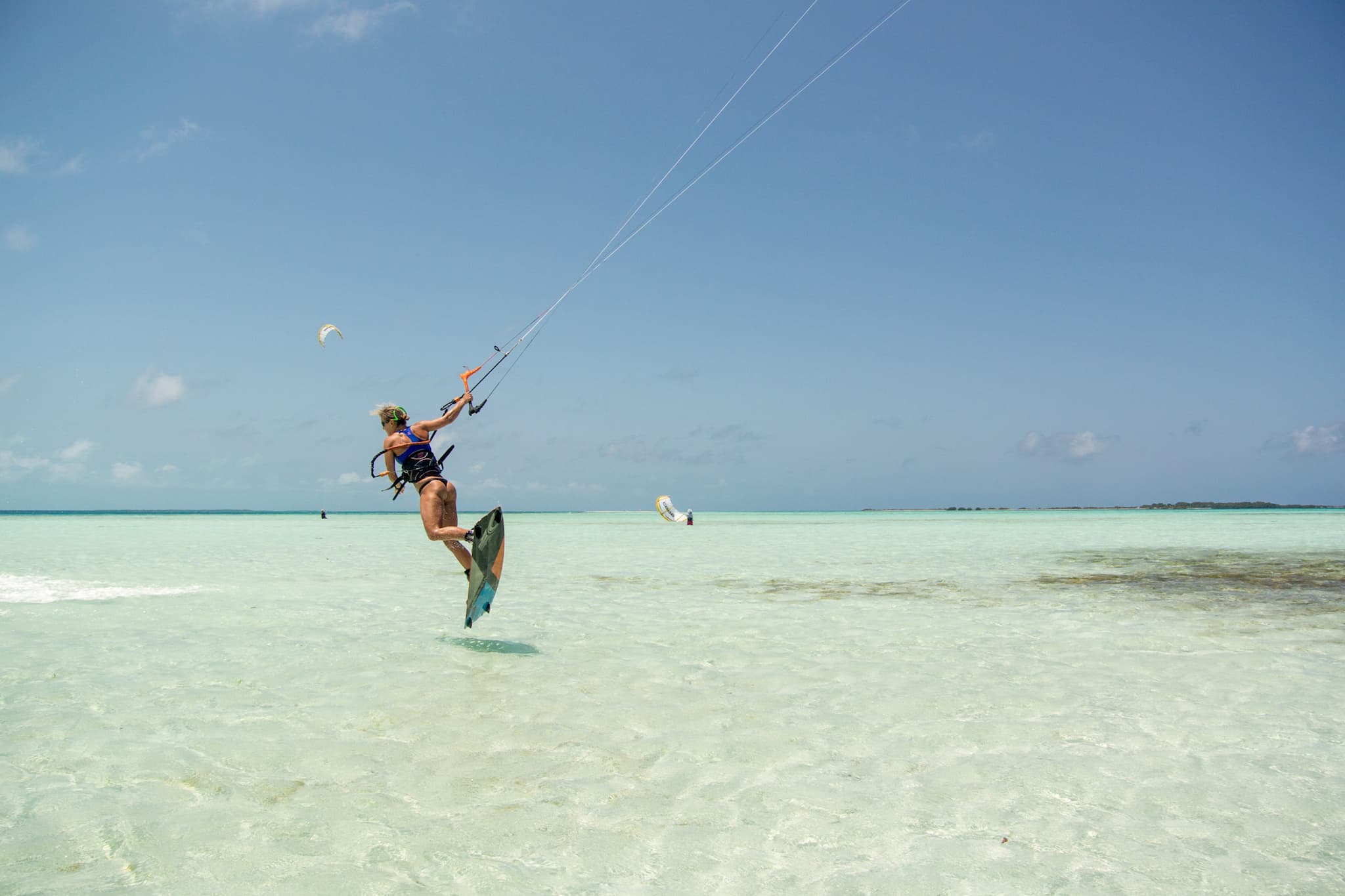
| Kitesurfing lesson (Margarita) | $40-80 |
| Expedition | |
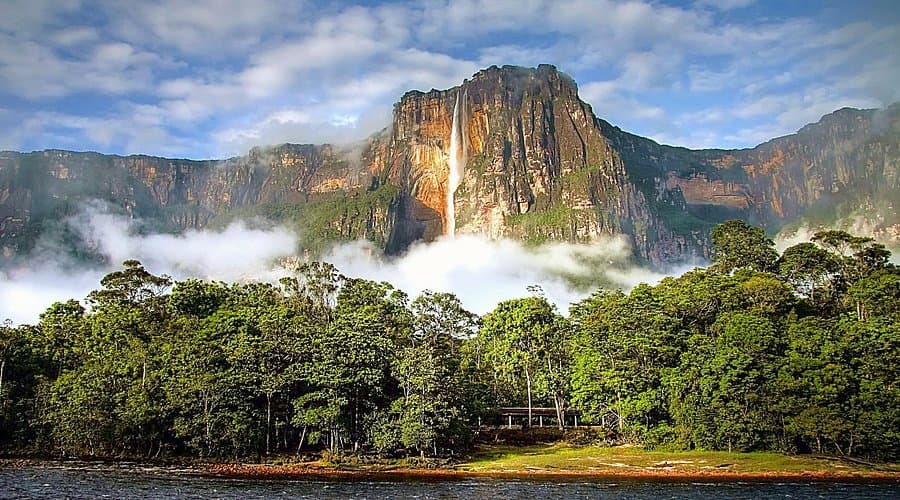
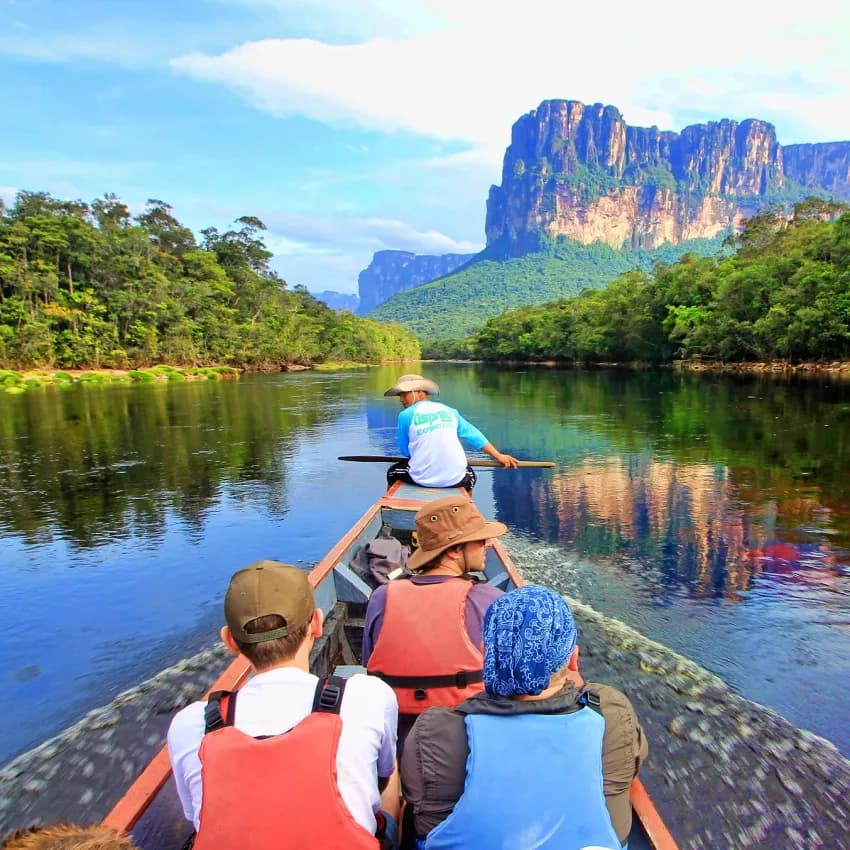
| Angel Falls river expedition (3 days/2 nights) | $300-600 per person |
| Roraima trek (5-6 days) | $400-800 per person |
| Los Roques fly-fishing charter (per day) | $400-600 |
| Gran Sabana waterfalls day tour | $40-80 |
| Overnight tepui camping | $80-150 |
The Angel Falls and Roraima prices include guides, food, camping equipment, and river/trail transport. These are multi-day expeditions into remote areas with real logistics — the pricing reflects that. They are still a fraction of what comparable adventure expeditions cost in Patagonia, Nepal, or East Africa.
For the coastal activities — the $10-25 boat rides, the $5 snorkel rentals, the $3 panga to Playa Grande — these are the kinds of prices that make Venezuela feel like time travel. You are paying 2006 Caribbean prices at 2026 Caribbean quality.
Money Matters
This section is not optional reading. How money works in Venezuela is the single most important practical thing to understand before you arrive. Get this wrong and you will either overpay for everything or find yourself unable to pay at all.
USD Is the Functional Currency
Venezuela has dollarized in practice, even though the bolivar remains the official currency. In tourist areas, prices are quoted in dollars, payments are expected in dollars, and change is given in dollars. In less touristy areas, prices may be quoted in bolivares but the dollar equivalent is always known and accepted.
Bring US dollars in cash. This is not a suggestion — it is a requirement. Small bills are essential: $1s, $5s, $10s, and $20s. A stack of 50 one-dollar bills will solve more problems than a single hundred-dollar bill. Many vendors, taxi drivers, and small posadas cannot break large bills. $50 and $100 bills are accepted at hotels and larger restaurants but will cause friction elsewhere. Paying in dollars also keeps you out of the official-vs-parallel bolívar rate confusion (see Currency Exchange, below) — but it does not make you immune to it: when a price is quoted in bolívares, know which rate is being applied before you agree.
Zelle Is Widely Accepted
This is the piece that surprises most visitors. Zelle — the US bank-to-bank transfer system — is widely accepted across Venezuela, from upscale restaurants to street vendors. Most businesses have a Zelle-linked account and will quote you a Zelle price alongside cash. If you have a US bank account with Zelle enabled, this is an excellent backup payment method. The transaction is instant, the recipient gets dollars, and you do not need to carry as much cash.
Set up Zelle on your banking app before you travel. Confirm your daily transfer limits. Some banks limit Zelle to $500-2,000/day.
Credit Cards: Limited
Visa and Mastercard work at some hotels, upscale restaurants, and larger businesses in Caracas, Margarita, and Los Roques. Do not depend on them. Many places that theoretically accept cards will tell you the terminal is down, or will add a 5-10% surcharge. Amex is rarely accepted anywhere. Use cards as a supplement, not a plan.
ATMs: Do Not Count on Them
International debit cards do not reliably work in Venezuelan ATMs. Some travelers report success at specific banks in Caracas, but this is inconsistent and the withdrawal limits are typically low. Do not plan your cash strategy around ATMs. Bring what you need.
Currency Exchange — and the Official vs. Parallel Gap
There is no single "the" exchange rate in Venezuela, and this trips up first-time visitors. As of July 2026 the bolívar trades around 724 VES/USD at the official (BCV) rate versus roughly 560 VES/USD on the parallel (street) market — and the currency has slid about 500% year-on-year, so any figure you read is a snapshot that moves fast. A price quoted at the official rate and the same price at the parallel rate are not the same number of dollars, so a bolívar sticker price tells you nothing about the real cost until you know which rate was used to set it. When something is priced in bolívares, mentally convert it and sanity-check it against the dollar price — do not assume the official rate is what you are actually being charged.
This is also why paying in US dollars is simpler and usually the honest baseline: it sidesteps the two-rate confusion entirely. If you do need bolívares for small purchases — bus fares, street food in non-tourist areas, market shopping — exchange dollars informally through your posada, a local contact, or an established exchange point, and ask your posada host which rate they are using before you hand over cash. Do not exchange large amounts — you will spend bolívares faster than you think, but you also do not want to be stuck with a pile of them, on a currency losing value by the week, when you leave.
How to Budget Your Cash
A practical approach for a 10-day trip:
- Calculate your estimated total budget
- Bring 70-80% in USD cash (small bills)
- Set up Zelle as your backup for 20-30% of expenses
- Carry a credit card for emergencies only
- Exchange small amounts to bolivares as needed (never more than $20-30 worth at a time)
Keep your cash in multiple places. Money belt, room safe, different pockets, different bags. This is not about crime — it is about not losing your entire trip budget to a single misplaced wallet.
Sample Trip Budgets
Three real itineraries with real numbers. These include everything — accommodation, food, transport, activities, and incidentals.
7-Day Budget Backpacker: $350-500
Route: Caracas (1 night) → Choroni (3 nights) → Merida (3 nights)
| Expense | Cost |
|---|---|
| Accommodation (7 nights × $20-30 avg) | $140-210 |
| Food (7 days × $12-18) | $84-126 |
| Caracas to Maracay bus | $5-8 |
| Maracay to Choroni transport | $3-6 |
| Choroni to Caracas bus | $5-8 |
| Caracas to Merida overnight bus | $18-30 |
| Activities (paragliding, boat trip, market tours) | $60-90 |
| Misc (water, snacks, small purchases) | $25-35 |
| Total | $340-513 |
This traveler stays in budget posadas, eats primarily street food and menu del dia lunches, takes buses everywhere, and does two to three paid activities. The beaches are free. The hiking is free. The food is excellent at every price point. This is a full, rich week in Venezuela for the price of two nights at a mid-range hotel in most Caribbean destinations.
10-Day Mid-Range Couple: $2,000-3,000
Route: Caracas (1 night) → Margarita (3 nights) → Merida (3 nights) → Los Roques (3 nights)
| Expense | Cost (for 2 people) |
|---|---|
| Accommodation (7 nights non-Roques × $50-70/room avg) | $350-490 |
| Los Roques all-inclusive (3 nights × $250-350 per person × 2 people) | $1,500-2,100 |
| Food non-Roques (7 days × $30-40 for two) | $210-280 |
| International flight (assume already in Caracas) | — |
| Domestic flight Caracas to Margarita (2 tickets) | $160-300 |
| Ferry or flight Margarita to mainland | $40-100 |
| Flight or bus to Merida | $160-360 |
| Charter flight Caracas to Los Roques (2 tickets) | $300-600 |
| Activities (kitesurfing lesson, paragliding, snorkeling, tours) | $150-250 |
| Misc and transport on ground | $60-100 |
| Total | $2,930-4,580 |
This couple splits per-room accommodation on the mainland but pays the Los Roques all-inclusive per person — the single biggest line item, and the one travelers most often halve by mistake. Even so, the per-person cost of roughly $1,465-2,290 for 10 days — including Los Roques — is extraordinary value for the Caribbean.
7-Day Comfort Traveler: $2,500-4,000
Route: Los Roques (4 nights) → Caracas (3 nights)
| Expense | Cost |
|---|---|
| Los Roques premium posada (4 nights × $350-500 per person, solo) | $1,400-2,000 |
| Caracas top hotel (3 nights × $120-150/room) | $360-450 |
| Los Roques charter flight (round trip) | $200-300 |
| Food in Caracas (3 days × $40-60) | $120-180 |
| Caracas activities (private city tour, top restaurants) | $100-200 |
| Los Roques extras (fishing day, diving, private boat) | $200-500 |
| Airport transfers and ground transport | $50-80 |
| Misc | $50-100 |
| Total | $2,480-3,810 |
This is the luxury version — best posada in Los Roques, best hotel in Caracas, private activities, no budget constraints at meals. Even at the top end, you are paying less than a week at a good resort in Turks and Caicos or the Maldives, and the Los Roques experience is arguably better.
How Venezuela Compares
The question people actually want answered: is it really that much cheaper? Yes. Here is how Venezuela stacks up against the destinations it most commonly gets compared to.
| Category | Venezuela | Colombia | Costa Rica | Caribbean Islands | Mexico (Riviera Maya) |
|---|---|---|---|---|---|
| Budget posada/night | $15-30 | $15-35 | $30-60 | $60-150 | $30-60 |
| Local restaurant meal | $3-8 | $3-8 | $8-15 | $12-25 | $5-12 |
| Beer | $1-2.50 | $1-2 | $2-4 | $4-8 | $2-3 |
| Taxi (city ride) | $2-6 | $2-5 | $5-15 | $10-25 | $3-8 |
| Beach day cost | $5-15 | $5-15 | $10-25 | $20-50+ | $10-20 |
| Guided activity | $30-70 | $30-80 | $50-150 | $80-200 | $40-100 |
| Daily budget (mid) | $60-120 | $50-100 | $100-200 | $150-350 | $80-150 |
The comparison to Caribbean islands is the most dramatic. A day in Aruba, Barbados, or the USVI costs 2-3 times what an equivalent day in Venezuela costs, and Venezuela has more geographic diversity than any of them. The Colombia comparison is closer — both countries offer tremendous value — but Venezuela edges it on accommodation quality per dollar, particularly outside the major cities.
Against Costa Rica, which occupies a similar niche of "nature destination with adventure activities," Venezuela is roughly 40-60% cheaper across the board. The pura vida premium is real.
10 Tips for Saving Money in Venezuela
1. Eat the menu del dia. The set lunch at local restaurants is the best value in the country. $3-6 for soup, a full plate, drink, and sometimes dessert. Eat your big meal at midday and keep dinner light.
2. Travel on weekdays. Accommodation in beach destinations (Choroni, Morrocoy, Margarita) costs 20-30% more on weekends and holidays, when Venezuelan domestic travelers fill the posadas. Tuesday through Thursday offers the best rates and the emptiest beaches.
3. Take buses for distances under 6 hours. The bus from Caracas to Puerto La Cruz is $8-15 and takes 5 hours. A flight is $80-150. For shorter legs, the bus is almost always the better value. Save flights for the Merida run (10-12 hours by bus) and the routes with no alternative (Los Roques, Canaima).
4. Book posadas with breakfast included. Many posadas include breakfast in the room rate. This saves $3-5 per person per day and removes a daily decision. The breakfasts are often the best meal of the day — fresh arepas, tropical fruit, eggs, coffee.
5. Carry small bills. Vendors and taxis cannot always make change for a $20. A pocket full of $1s and $5s means you pay exact amounts, avoid rounding-up, and can buy from any vendor regardless of size. Bring at least 30-40 small bills.
6. Use Zelle strategically. Many posadas and restaurants offer the same price for Zelle as for cash. This reduces the amount of physical cash you need to carry and provides a payment trail for your records.
7. Share boats and tours. The boat to Morrocoy's cays, the jeep to Gran Sabana waterfalls, the guide for Roraima — all of these are priced per group or per boat, not per person. Traveling with others or joining a group at your posada cuts these costs significantly.
8. Drink local. Venezuelan rum is world-class and costs $5-15 per bottle. Local beer (Polar, Solera, Regional) is $1-2.50. Imported spirits and wine are marked up heavily. Drink what the country produces and your bar tab stays negligible.
9. Skip Caracas if your itinerary allows it. The capital is the most expensive city in the country for accommodation and food, and it is primarily a transit hub for tourists. If your flight arrives in the evening, one night is sufficient before heading to your first destination. Some travelers connect same-day to domestic flights or charter services.
10. Negotiate multi-night stays. Posadas across Venezuela — especially in slower seasons — will offer discounts for stays of 3 nights or more. Ask directly. "Hay descuento por tres noches?" (Is there a discount for three nights?) works more often than you would expect. A 10-15% reduction on a 4-5 night stay adds up.
Frequently Asked Questions
What is tipping culture like in Venezuela?
Tipping is appreciated but not rigidly expected. In restaurants, a 10% service charge is sometimes included in the bill (look for "servicio" on the check). If it is not included, 10% is standard for good service. For guides, boat operators, and posada staff, $2-5 per day is appropriate and genuinely valued. Taxi drivers do not expect tips, but rounding up is common. Do not tip in bolivares — always in dollars.
Should I bargain for prices?
In markets and with informal vendors, light negotiation is normal and expected — particularly for handicrafts, transport, and multi-item purchases. In posadas, restaurants, and for organized tours, prices are generally fixed but asking about discounts for groups or longer stays is perfectly acceptable. The approach is friendly inquiry, not aggressive haggling. If a price feels fair, pay it.
What hidden costs should I watch for?
National park entrance fees are the most common surprise — Morrocoy, Henri Pittier, Canaima, and Los Roques all charge entry fees ranging from $2-15. These are typically paid in cash at the entrance or on arrival. Some posadas in Los Roques charge extra for premium cay boat trips (the further cays cost more for fuel). Domestic flight prices can jump significantly during holiday periods — book early for December, Carnival, and Semana Santa.
How much should I budget for travel insurance?
Comprehensive travel insurance covering Venezuela runs $50-150 for a 1-2 week trip, depending on your provider, age, and coverage level. This is non-negotiable. Medical facilities in Venezuela are limited outside Caracas, and medical evacuation is expensive. Choose a policy that includes emergency evacuation coverage. This cost is not part of your in-country budget but should be in your overall trip budget.
Which region offers the best value for money?
Merida. It is not close. The combination of $15-50 accommodation, $3-6 restaurant meals, world-class adventure activities at $30-70, and a vibrant cultural scene makes Merida the best value destination in Venezuela — and arguably one of the best value destinations in the Americas. You can have an outstanding week in Merida for $300-400. Read our complete Merida guide.
Is Los Roques worth the premium?
Yes, if you plan for it. Los Roques is expensive by Venezuelan standards but cheap by Caribbean island standards. A 3-night all-inclusive stay at a good posada ($250-350/night) gives you an experience that genuinely rivals $500-800/night resorts elsewhere in the Caribbean — without the crowds, without the cruise ships, and with water that is in a different category. Budget for it as a splurge within your trip, not as your baseline daily spend. Read our complete Los Roques guide.
Can I use cryptocurrency in Venezuela?
Some businesses in Caracas and tourist areas accept Bitcoin and USDT, but coverage is inconsistent and you should not rely on it. Cash USD and Zelle remain the dominant payment methods by a wide margin. If you use crypto, treat it as a last-resort backup, not a primary payment strategy.
How much cash should I bring for a 10-day trip?
For a mid-range trip, bring $600-1,000 in cash (mostly small bills) and plan to cover another $200-400 via Zelle. This assumes accommodation is pre-booked and partially prepaid. If you are going budget, $400-600 in cash is sufficient. If you are doing Los Roques or other premium experiences, bring $1,000-1,500 in cash plus Zelle capacity. Always bring 20% more than you think you need — the nearest international ATM is not around the corner.
---
Ready to plan your Venezuela trip? Use our AI-powered trip planner to build a personalized itinerary with real-time pricing and availability from hundreds of verified listings across the country.
Browse all destinations on Vamos A Venezuela — stays, restaurants, guides, and experiences across the country.
Written by VAV Editorial
Last updated: August 12, 2026