Is Venezuela Safe to Visit in 2026? An Honest Assessment
The short answer is: it depends on where you go, how you travel, and what precautions you take.
That is not a dodge. It is the only honest answer to a question that gets treated as binary — safe or not safe — when the reality has always been regional, situational, and dramatically different depending on whether you are talking about a Caribbean archipelago with no cars or a Caracas barrio at midnight.
We run a tourism platform with hundreds of curated stays and experiences across Venezuela. We talk to travelers, posada owners, guides, and drivers every day. What follows is not theory. It is a practical, region-by-region breakdown of what traveling in Venezuela actually looks like in 2026, written for people who want facts rather than fear or false reassurance.
Some parts of Venezuela are as safe as anywhere in the Caribbean. Some parts require real caution, local knowledge, and specific precautions. Some parts you should not visit without experienced guidance. This guide draws those lines clearly.
Status as of July 2026 — read this first. The US State Department advisory is Level 3 "Reconsider Travel" (country-wide), in effect since March 19, 2026 after an earlier, stricter advisory. Two mid-2026 developments override a lot of older advice: (1) the June 24, 2026 twin earthquakes (M7.2 and M7.5) killed more than 4,900 people and heavily damaged the La Guaira coast; and (2) as a direct result, Maiquetía (CCS), the normal Caracas airport, has been closed to commercial flights since around June 25, 2026. Carriers (Iberia, Air Europa) are rerouting to Valencia (VLN), the de-facto interim international gateway; do not book assuming a Caracas arrival, and verify routing with your airline. There is no confirmed reopening date. Also note: yellow fever vaccination is strongly advised (active 2026 outbreak — see Health, below). All of these are live facts — re-verify before you travel. (Sources: US Embassy advisory; 2026 earthquakes; airport rerouting.)
What Has Changed (2020-2026)
If your mental image of Venezuela was formed during the 2017-2019 crisis — hyperinflation, food shortages, mass protests, blackouts — that image is outdated. Not irrelevant, but outdated. The country has moved, and the direction has been measurably positive for the conditions that matter most to travelers.
Dollarization stabilized daily life. The informal adoption of the US dollar as the functional currency — which the government eventually stopped fighting and started accommodating — eliminated the single biggest source of chaos: hyperinflation. Prices are now quoted in dollars. Businesses plan in dollars. The Bolivar still exists but is secondary for most transactions in areas visitors frequent. This alone changed the ground reality more than any political development. When a hotel owner can price a room at $45 and know that number will mean the same thing next month, the entire service economy starts functioning again. And it has.
Tourism infrastructure rebuilt. Posadas, restaurants, tour operators, and transport services that went dormant during the crisis have reopened or been replaced by new operations. Los Roques posadas are fully operational. Merida's adventure tourism industry is back. Choroni's guesthouse strip is active every weekend. This is not theoretical recovery — these are businesses serving actual guests. International platforms like Booking.com and Airbnb have returned listings for Venezuelan properties. Charter flights to Los Roques and Canaima are running regular schedules.
International connectivity is being restored — but check the airport status first. International routes into Caracas reopened through early 2026 — connections to Panama City, Bogota, Madrid, Istanbul, and several Caribbean hubs, with US carrier service to Miami reinstated after the earlier flight ban was rescinded. That recovery hit a wall on June 24, 2026: the earthquakes closed Maiquetía (CCS), the Caracas airport, to commercial traffic (see the status note at the top of this guide), and carriers are rerouting to Valencia (VLN) while it stays shut. Schedules have been changing rapidly, so always verify the current routes, airlines, and gateway airport directly with carriers or your travel agent before booking — do not assume a Caracas arrival. Getting in and out is no longer the challenge it was during the worst years, but in mid-2026 it genuinely requires up-to-date confirmation.
Domestic supply chains recovered. Supermarkets are stocked. Restaurants have ingredients. Pharmacies carry medicine. The shortages that defined the crisis period have largely resolved in urban areas and tourist destinations. You will not struggle to find food, water, or basic supplies anywhere covered in this guide.
Violent crime rates declined. The Venezuelan Violence Observatory and international monitoring organizations have documented a sustained decline in homicide and violent crime rates since 2019. The country is not crime-free — no country in the region is — but the reported trajectory is downward, and the areas where tourists spend time have seen the most improvement. Conditions still vary by region and change over time, so treat this as a trend rather than a guarantee and verify current conditions before and during your trip.
None of this means Venezuela is Switzerland. It means that the worst period is behind it, and the current conditions in tourist-facing regions are functional, improving, and navigable by informed travelers.
Entry Requirements & Visa
As of May 2026 — entry rules change; confirm everything below with official sources before you book.
This is the single hardest requirement of a Venezuela trip, and it is easy to miss because it changed recently. Most foreign travelers, including US citizens, now need to obtain a Venezuela Tourist eVisa in advance — the old visa-on-arrival / passport-only entry for many nationalities is no longer reliable. Do not assume you can simply land with a passport.
The Tourist eVisa is processed through Venezuela's digital visa system. In broad terms, applicants are typically asked for:
- A passport with at least 6 months' validity beyond the date of entry (and blank pages).
- Proof of accommodation for the trip (posada or hotel bookings).
- A confirmed onward or return ticket.
- Evidence of sufficient financial means for the stay.
- A passport photo and the applicable visa fee, submitted online.
Process the eVisa well before departure — digital systems still take time, and airlines will check for it at check-in. Requirements, fees, processing times, and which nationalities are covered change without much notice. Verify the current rules with the official Venezuelan visa system and your nearest Venezuelan consulate before booking flights or non-refundable accommodation, and reconfirm close to departure. Your government's travel advisory page and your airline are useful secondary checks, but the official Venezuelan source is authoritative.
Region-by-Region Safety Assessment
This is the section that matters most. Venezuela is 916,000 square kilometres — roughly twice the size of California. Treating it as a single safety environment is like assessing "the United States" based on the crime rate in one city. What follows is an honest assessment of each region where travelers actually go.
Los Roques — Easiest Visitor Base
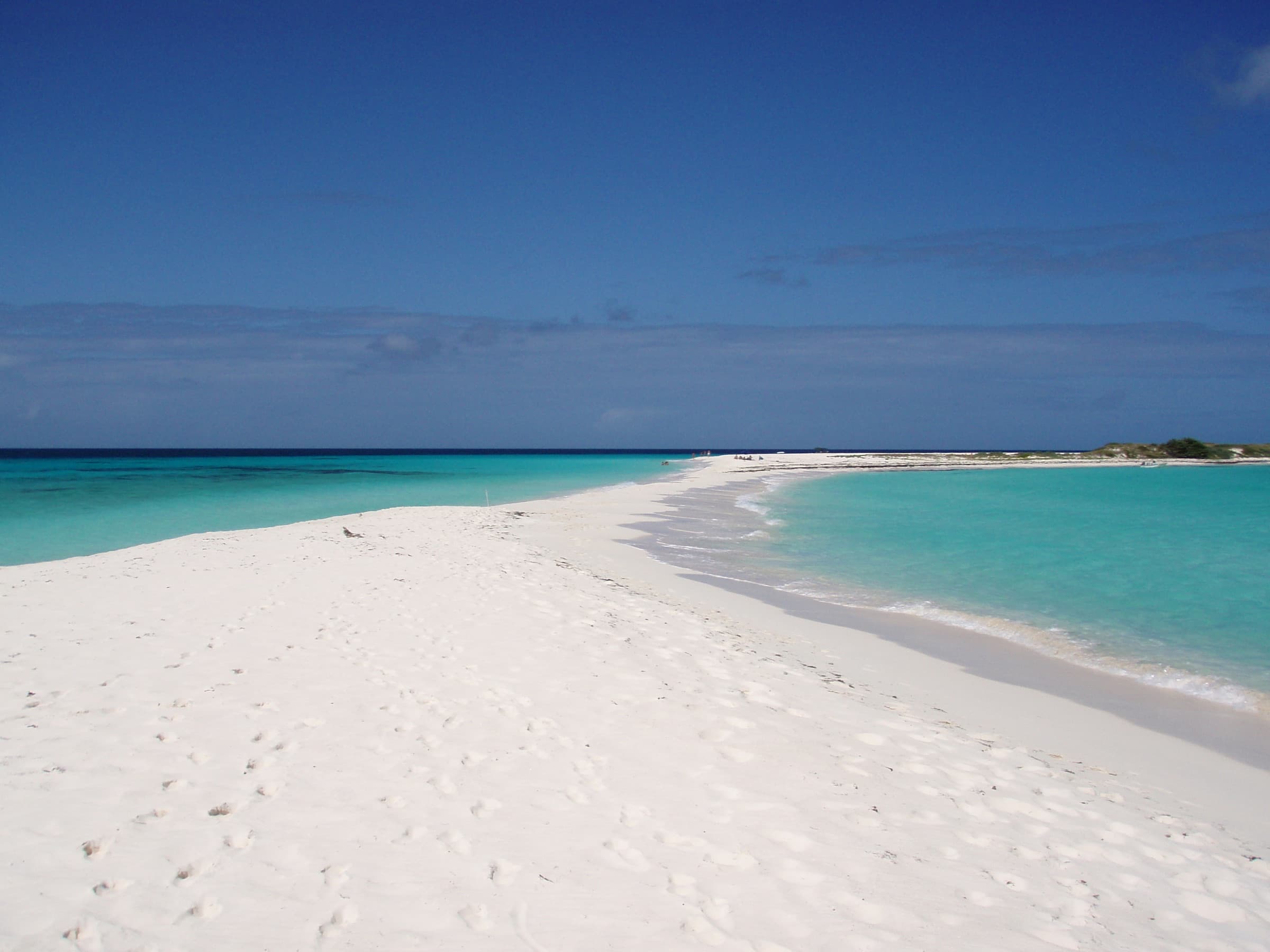
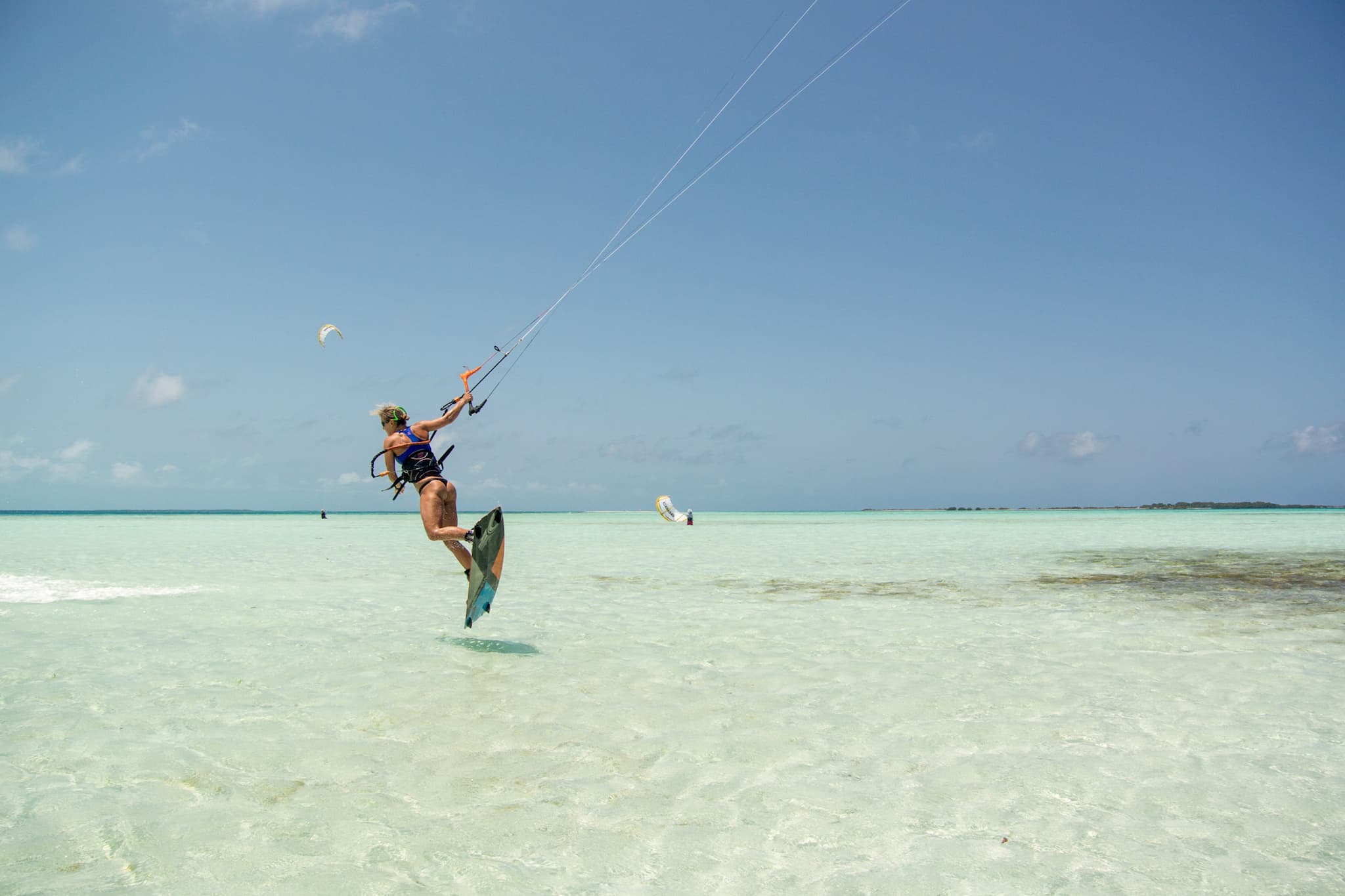
Los Roques is an archipelago roughly 160 kilometres off the mainland. There are no cars, no roads between islands, and the permanent population of Gran Roque is under 2,000 people, most of whom work in the posada and fishing industries. This is structurally one of the safest destinations in the Caribbean.
Your realistic risks here are sunburn, dehydration, stepping on a sea urchin, and spending more money than you planned. Petty theft is rare because the island is too small for anonymity — everyone knows everyone, and there is nowhere to go. The biggest logistical concern is weather delays on charter flights, not personal safety.
Bottom line: If safety is your primary concern and you want a Venezuelan destination where you can genuinely stop thinking about it, Los Roques is the answer.
Read our full Los Roques travel guide.
Merida — Established Andes Base
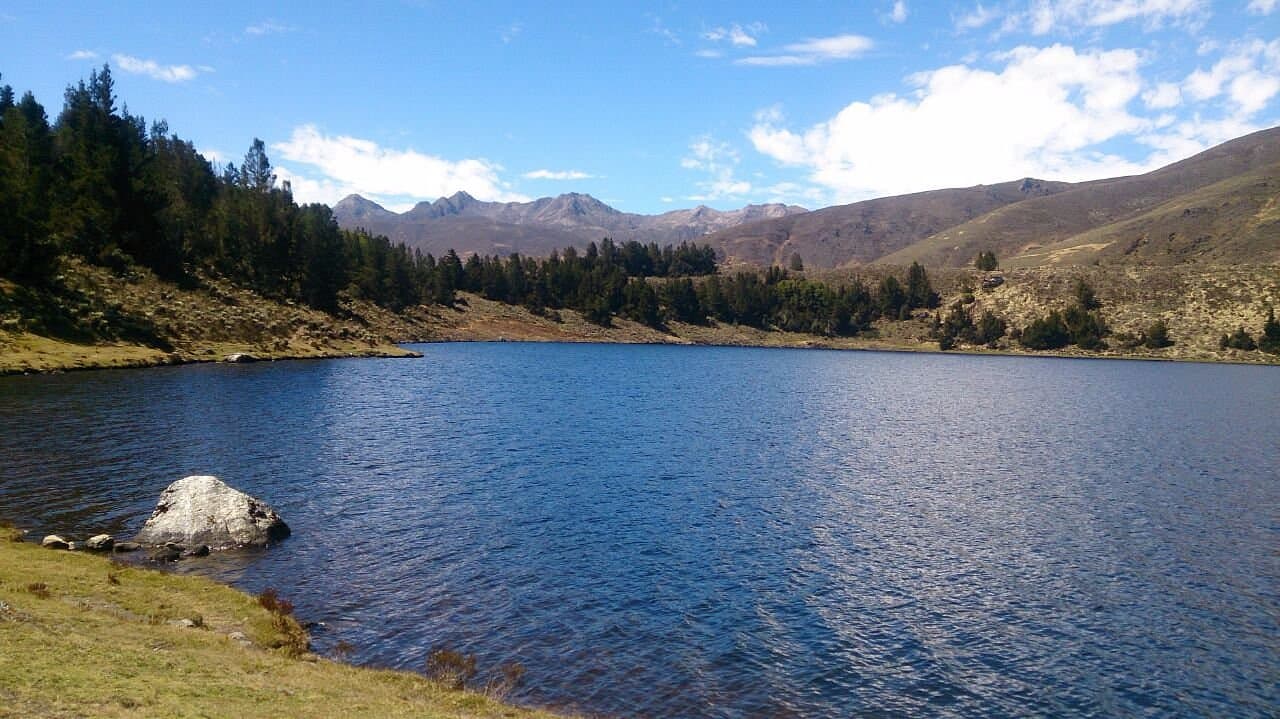
Merida is a university town of roughly 300,000 in the Venezuelan Andes, and it has been welcoming both domestic and international tourists for decades. The outdoor adventure industry, the student culture, and the small-city scale all work in its favor. Crime rates in the tourist-relevant areas are low by Venezuelan standards and low by Latin American standards.
Solo travelers, including women traveling alone, will find the environment welcoming. The main risks in Merida are altitude-related (the city sits at 1,625 metres, and popular excursions go above 4,000 metres) and the standard outdoor hazards of mountain activities — weather changes, trail navigation, cold exposure at altitude. These are adventure risks, not security risks.
The university zone, the centro historico, and the surrounding Andean towns (Tabay, Jaji, Mucuchies, Apartaderos) are all safe for normal tourist activity. Use common sense after dark as you would in any Latin American city, and Merida will give you zero problems.
Bottom line: One of the safest destinations in Venezuela. The mountain setting and small-town culture create an environment where visitors feel comfortable from day one.
Read our full Merida travel guide.
Choroni — Small Coastal Village
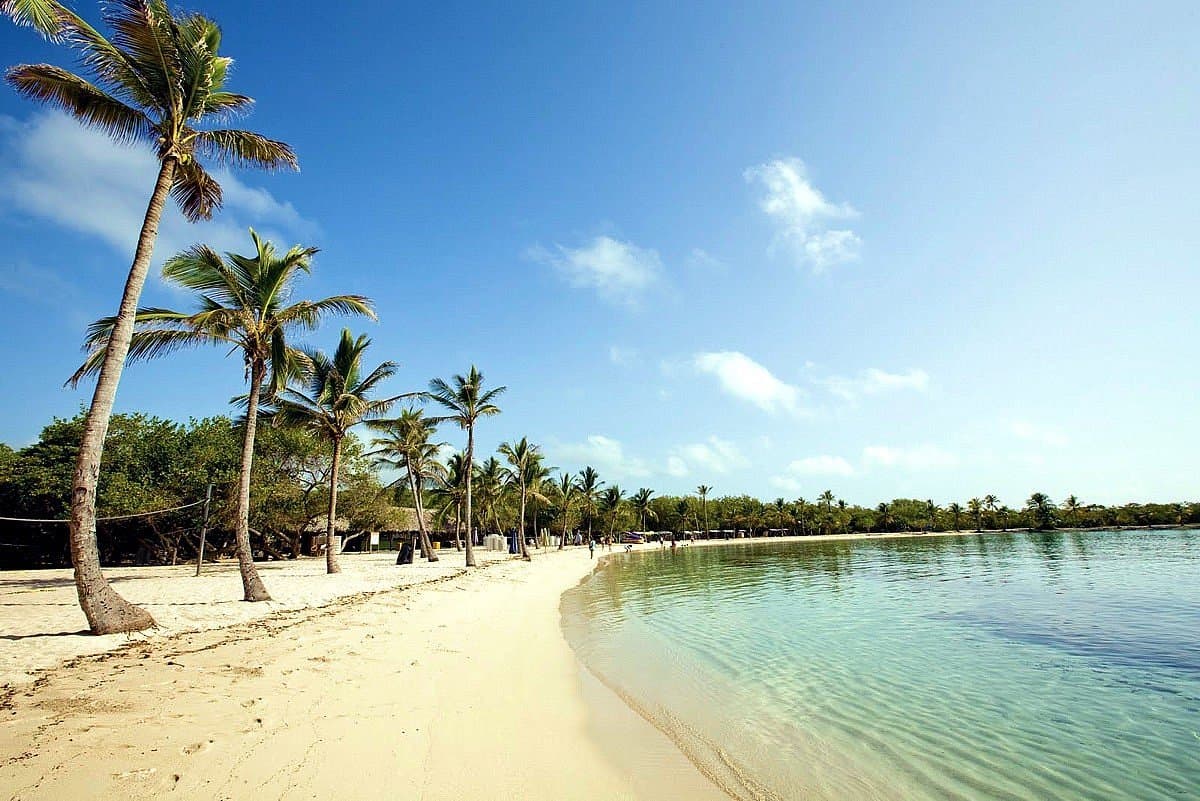
Choroni is a colonial village of roughly 4,000 people reached by a single winding road through Henri Pittier National Park. Puerto Colombia, where most visitors stay, is even smaller. The social dynamics of a tiny coastal community where everyone knows everyone are your best security system.
The road from Maracay through Henri Pittier should be driven during daylight only — this is about driving conditions (sharp curves, no lighting, occasional fog) rather than crime. Once you are in Choroni, the worst that will happen is a vendor on Playa Grande overcharges you for a fish lunch by a couple of dollars.
Bring cash. ATMs do not exist here. Cell signal is inconsistent. These are inconvenience issues, not safety issues.
Bottom line: A small village where the main thing you need to watch out for is the sun and possibly a third rum punch.
Read our full Choroni travel guide.
Morrocoy — Established Beach Weekend
Morrocoy is a national park of mangrove cays and turquoise water, accessed from the mainland towns of Tucacas and Chichiriviche. The park itself is a daytime destination — you boat to a cay in the morning and return in the afternoon — and the risks are limited to standard beach precautions: secure your belongings when swimming, apply sunscreen, and negotiate boat prices before departure.
The mainland towns are small and function as service hubs for domestic tourism. Morrocoy is one of the most popular beach destinations for Venezuelan families, and the infrastructure reflects that. Standard awareness in the towns at night is sufficient.
Bottom line: A domestic tourism staple with a family-friendly safety profile. Thousands of Venezuelans visit every weekend without incident.
Read our full Morrocoy travel guide.
Margarita Island — Established Tourism, Urban Awareness
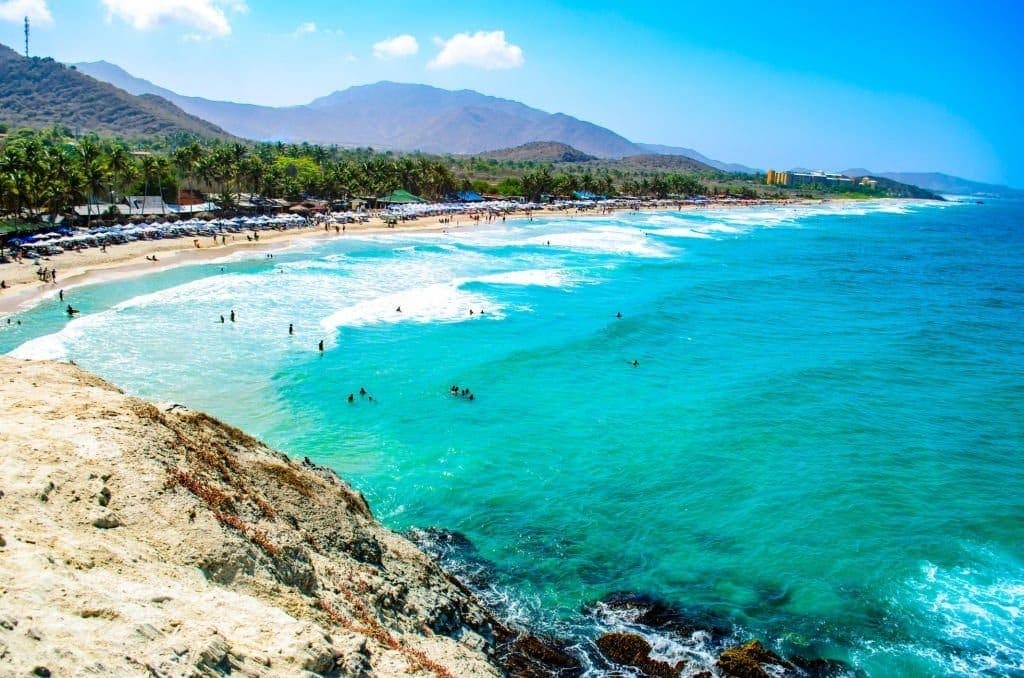
Margarita is Venezuela's largest resort island, with a wide range of listings on our platform and decades of tourism infrastructure. The resort zones, beach areas, and tourist-oriented neighborhoods are safe and well-patrolled. Playa El Agua, Pampatar, and the resort strips function like any Caribbean tourist destination.
Where Margarita requires more awareness is Porlamar — the island's commercial capital and largest city. During the day, Porlamar is fine for shopping and exploring. At night, stick to areas where restaurants and bars are active, avoid empty streets, and use ride-hailing apps rather than flagging taxis. The eastern and southern parts of the island outside tourist zones require standard urban caution.
What this means in practice: Enjoy the beaches, restaurants, and nightlife in the tourist zones freely. In Porlamar after dark, apply the same awareness you would in any mid-sized Caribbean city. Do not walk alone on empty streets at 2am with expensive electronics visible. This is not exceptional advice — it is the same guidance you would receive for Nassau, Kingston, or San Juan.
Bottom line: The resort areas are relaxed and safe. Porlamar requires the same street smarts you would use in any urban Caribbean setting.
Read our full Margarita travel guide.
Caracas — Guided City Planning
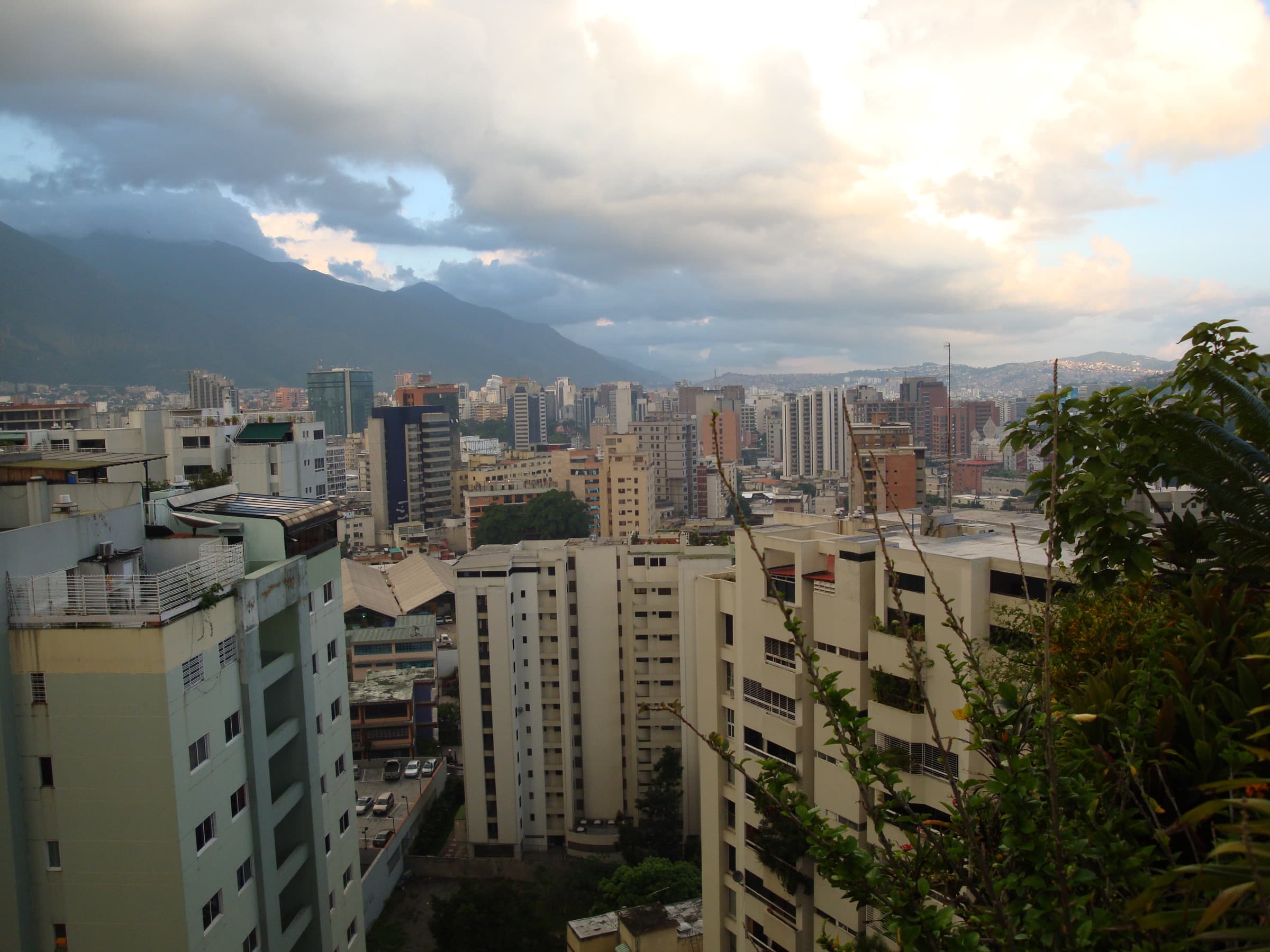
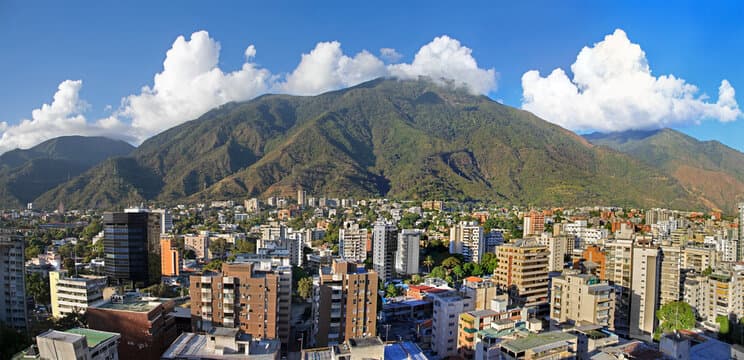
Caracas is the entry point for most visitors to Venezuela and the city with the most complicated safety profile. The honest assessment: parts of Caracas are perfectly manageable for visitors with basic awareness, and parts of Caracas should be avoided entirely. The city is not monolithic, and treating it that way leads to either unnecessary fear or unnecessary risk.
Safe for visitors (with standard awareness):
- Altamira — The de facto tourist district. Well-patrolled, busy, good restaurants, walkable during the day and into the evening.
- Las Mercedes — Caracas's dining district. Safe during the day and into the evening when restaurants are active. Thursday through Saturday nights, the streets are full.
- Chacao — Commercial district with malls, markets, and business offices. Active during the day, requires more awareness at night.
- El Hatillo — Colonial village on the southeastern edge. Quiet, charming, safe day and night.
- Country Club / Los Palos Grandes — Residential, calm, walkable.
Exercise increased caution:
- Sabana Grande — Fine during the day when the pedestrian boulevard is busy. Less advisable late at night.
- Parque Central / Bellas Artes — Excellent for daytime museum visits. The area is less comfortable after dark.
Avoid without local guidance:
- Western Caracas, the historical center (El Centro), and hillside barrio areas are not visitor-friendly zones without a local companion who knows the terrain.
The non-negotiable rules for Caracas: Use ride-hailing apps for all transport — never flag a street taxi. Do not display expensive electronics while walking. Carry only what you need for the day. Stay in the eastern neighborhoods listed above. These rules are not optional, and following them makes Caracas a functional and rewarding city to explore.
Bottom line: Two to three days in Caracas, staying in the eastern neighborhoods, eating magnificently, hiking El Avila, visiting the museums — this is a great experience. It requires awareness, not courage.
Read our full Caracas travel guide.
Canaima and Gran Sabana — Remote Logistics
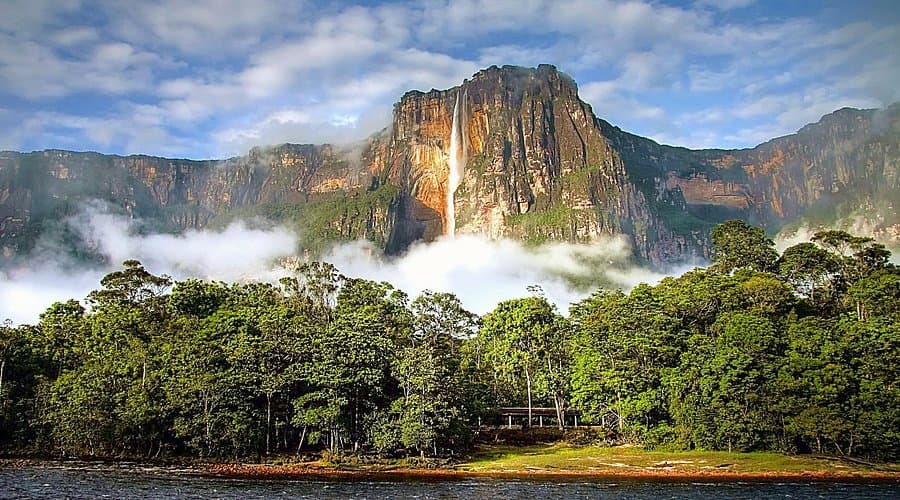
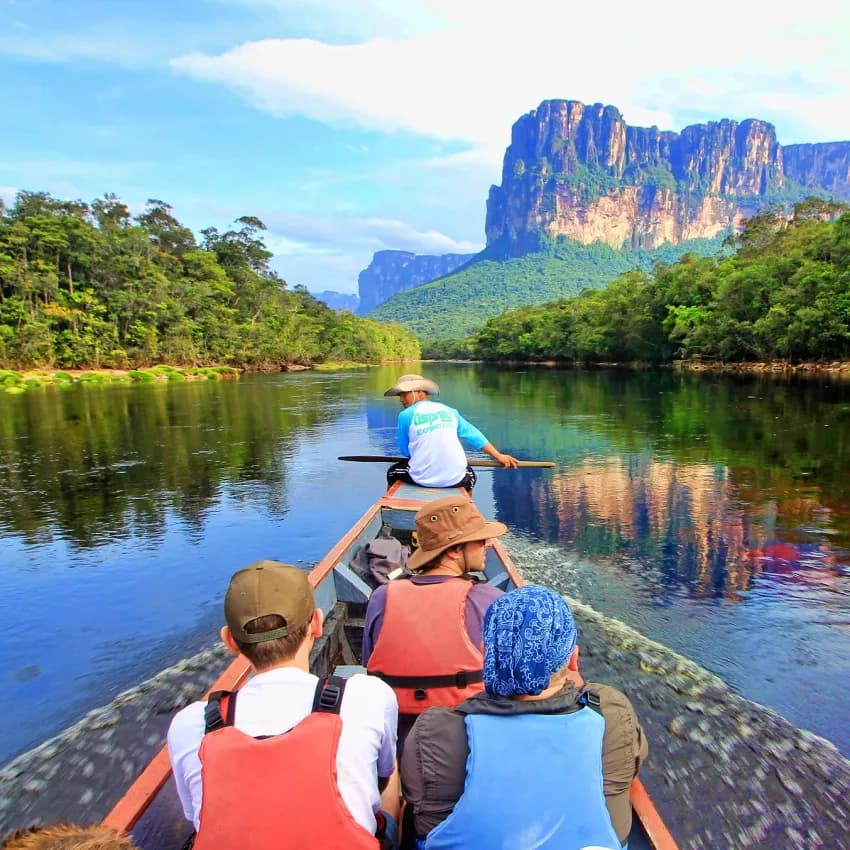
Canaima and the Gran Sabana are in Bolivar state, Venezuela's vast southeastern region. The safety dynamic here is different from anywhere else on this list. The risk is not urban crime — these are some of the most sparsely populated landscapes in South America. The risk is logistics.
Canaima is accessible only by air. The Gran Sabana is a 12-hour drive from the nearest major city on a road that passes through indigenous Pemon territory, military checkpoints, and stretches with no cell service. If something goes wrong — a vehicle breakdown, a medical issue, a flash flood — you are far from help.
The Pemon communities that operate tourism in Canaima are welcoming and experienced. Angel Falls excursions run by established operators have been carrying tourists safely for decades. The danger is not the people — it is the remoteness, the weather, and the consequences of poor planning.
What this means here: Book through established operators. Do not attempt to freelance a Canaima or Gran Sabana trip without a guide. Carry more food, water, and fuel than you think you need on Gran Sabana road trips. Have a communication plan that does not rely on cell service. Travel with a guide who knows the river levels, the road conditions, and the weather patterns.
Bottom line: Magnificent and worth the effort. The caution here is about preparation and logistics, not crime. Go with a good operator and you will have one of the most extraordinary experiences available anywhere in South America.
Read our full Angel Falls & Canaima guide and our Gran Sabana guide.
Maracaibo — Experienced Travelers Only
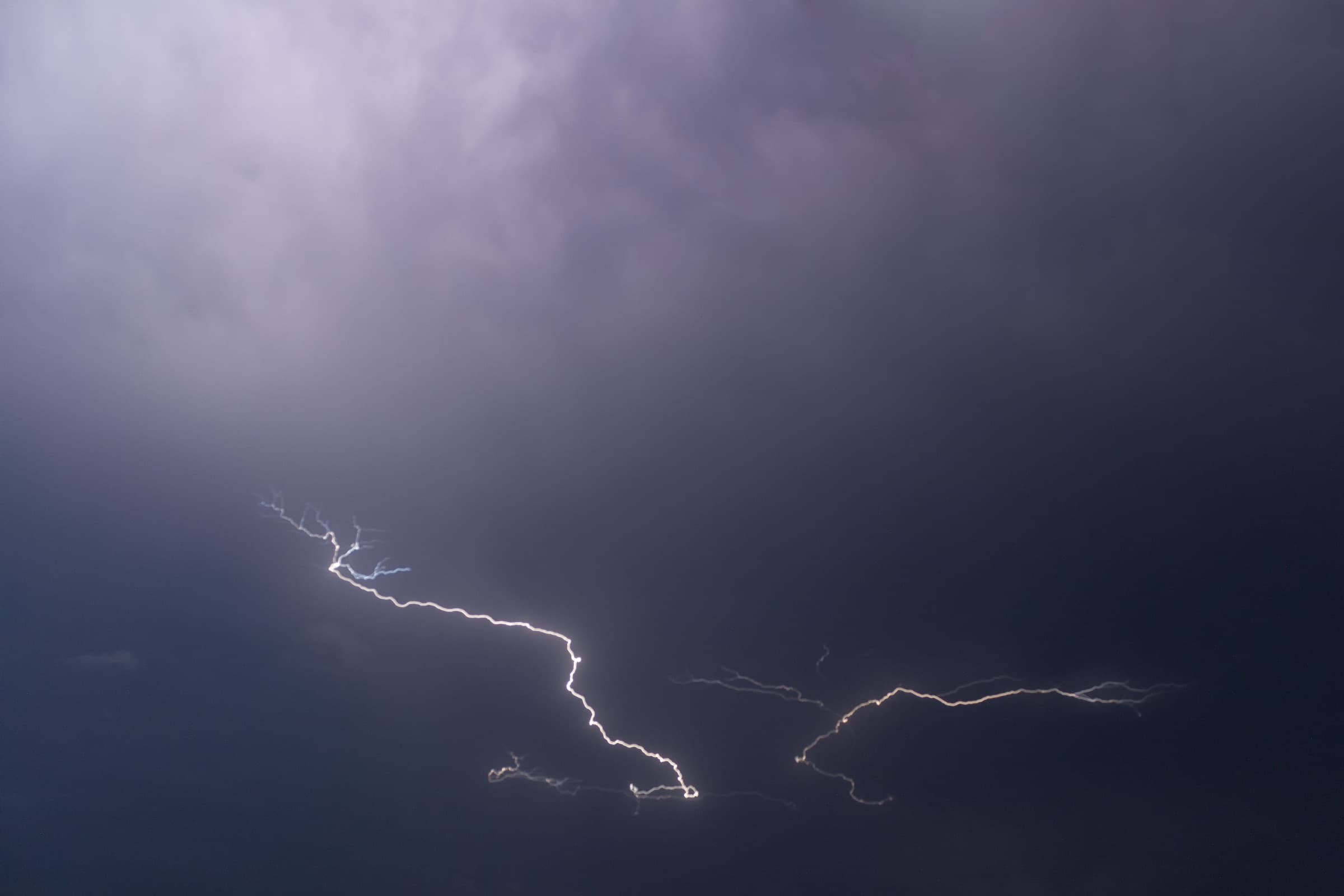
Maracaibo is Venezuela's second-largest city, the capital of oil-rich Zulia state, and home to the Catatumbo lightning phenomenon — one of the most dramatic natural spectacles on the continent. The tourist infrastructure here is less developed than Caracas, Merida, or Margarita, and visitors are less common, which means you will stand out more and have less of a ready-made tourist circuit to follow.
The central area around Calle Carabobo (a restored colonial street with painted facades), the Santa Lucia neighborhood, and the lakefront Vereda del Lago are the visitor-friendly zones. Zulia has experienced more infrastructure challenges than eastern Venezuela — power outages are more frequent, and the heat (Maracaibo regularly exceeds 35°C) is relentless.
For the Catatumbo lightning, you will need to arrange a multi-hour boat trip across Lake Maracaibo to the southern shore — this requires a local operator and should not be improvised. The experience is extraordinary but demands planning.
Bottom line: Rewarding for experienced Latin America travelers who are comfortable navigating a city without a tourist trail. Not the first Venezuelan destination for a newcomer.
Restricted Zones — Regardless of the National Advisory Level
The Level 3 advisory is country-wide, but two carve-outs are effectively off-limits for tourism and no relative ordering on this page changes that.
The Colombia border region. The land within roughly 20 miles (32 km) of the Colombia–Venezuela border, and the states of Táchira, Apure, and Amazonas, should be treated as off-limits to tourists — armed groups, smuggling routes, and kidnapping risk make this a different category of danger from the rest of the country. This holds even though Táchira contains San Cristóbal (a major city with its own festivals) and even though a lower relative level might appear elsewhere. Do not overland the border, and do not improvise trips into these states.
Aragua is city-specific. The carve-out here cuts the other way, and it matters because Choroní sits in Aragua. Maracay, the state capital, and the Henri Pittier road to the coast are the parts travelers use; the rest of Aragua state is not a general-tourism zone. Treat "Aragua" as "Maracay plus the specific route you're traveling," not as a blanket green light for the whole state.
Margarita's nuance. Margarita is often described as lower-crime, and its resort zones are — but that coexists with the same country-wide Level 3 advisory. Lower relative risk is not an all-clear; apply the Porlamar-after-dark precautions above.
Street-Level Safety Tips
These are the practical rules that apply everywhere in Venezuela. They are not theoretical — they are the habits that experienced travelers and residents follow daily.
Transport
Use ride-hailing apps. InDriver and Yummy are the most widely used in Venezuela. They give you a recorded trip, a known driver, and a price agreed in advance. In Caracas, this is a hard rule — do not use street taxis. In smaller cities like Merida or Margarita, the risk is lower but the habit is still worth maintaining.
Arrange airport transfers in advance. Have your posada or hotel send a driver, or pre-book through a trusted service. Do not negotiate with solicitors in the arrivals hall. This applies particularly to Maiquetia (Caracas) airport but is good practice everywhere.
For intercity travel, use established bus lines or private drivers arranged through your accommodation. The bus network is functional and covers major routes. For smaller destinations, your posada can usually arrange a driver.
Money
Carry small USD bills. $1, $5, $10, and $20 bills are the functional currency for most tourist transactions. Large bills ($50, $100) are harder to break and sometimes attract scrutiny about counterfeits. Bring more small bills than you think you need.
Zelle works. This US bank-to-bank transfer system has become the dominant digital payment method in Venezuela — more accepted than credit cards. If your US bank supports Zelle, set it up before your trip. Many restaurants, shops, and even posadas prefer it.
Do not flash cash. Count money discreetly. Do not pull out a thick stack of bills in public. Keep your daily spending money in a front pocket and the rest secured at your accommodation.
Bolivares for small purchases. Street food, bus fares, and small vendors often work in bolivares. Exchange a small amount — $20-30 worth — and keep it separate. Your posada or any exchange house can handle this.
Phone and Electronics
Use your phone discreetly. In cities, do not walk down the street with your phone in your hand for extended periods. Step into a shop or restaurant to check maps or messages. This is the single most commonly cited safety habit among both locals and experienced visitors.
Leave what you do not need at your accommodation. One phone, a reasonable amount of cash, a copy of your passport. Leave the laptop, the expensive camera, and the backup phone at the posada. If you need a camera for a day trip, carry it in a nondescript bag rather than around your neck.
Buy a local SIM card. Movistar and Digitel are the main carriers. A local SIM costs a few dollars and gives you data, local calling, and WhatsApp connectivity without roaming charges. WhatsApp is how Venezuela communicates — with your posada, your driver, restaurants, tour operators, everyone. Having WhatsApp on a local number makes everything smoother.
What to Wear
Dress like everyone else. Venezuela is not a flashy-tourist-outfit destination. Leave the designer sunglasses, the expensive watch, and the gold jewelry at home. Locals in tourist areas dress casually — shorts, t-shirts, sandals at the beach; jeans and a simple top in cities. Match that energy.
No visible brand logos or luxury items. This is not about blending in perfectly — you will be identified as a visitor regardless. It is about not signaling that you are carrying valuable items worth taking.
When to Go Out
Daytime exploration is fine nearly everywhere on this list. Walk freely during the day in the neighborhoods and towns described as low-risk. Take photos. Explore. Eat at street stalls. The daytime environment in Venezuelan tourist areas is overwhelmingly friendly and welcoming.
Be selective about nighttime. In small towns like Choroni, Merida's centro, and Los Roques, the nighttime is as safe as the daytime — these are contained communities where the evening activity is shared public space. In cities — Caracas, Porlamar, Maracaibo — stick to areas where restaurants and bars are active, travel by ride-hailing app between venues, and avoid empty streets.
Communication
WhatsApp is the operating system of Venezuelan daily life. Your posada owner communicates by WhatsApp. Your driver confirms pickup by WhatsApp. Restaurants take reservations by WhatsApp. If you visit Venezuela without WhatsApp installed, you are operating with one arm tied behind your back.
Save key numbers before you need them. Your posada, your driver, your tour operator, and the local emergency number (171 for police, 911 for general emergencies). Having these in your phone before an incident is infinitely more useful than trying to find them during one.
Tell someone your plans. Let your posada know where you are going each day and roughly when you expect to return. This is standard practice in remote areas (Canaima, Gran Sabana) and a good habit everywhere.
Health and Medical
Venezuela's healthcare system experienced severe strain during the crisis years, and while recovery is underway, the infrastructure varies significantly by location.
In Caracas: Private clinics in the eastern municipalities (Altamira, Las Mercedes, Chacao) are well-equipped and staffed. For serious medical issues, Caracas is where you want to be. The Clinica El Avila, Clinica Santa Sofia, and Hospital de Clinicas Caracas are among the most respected.
In Merida, Margarita, and other cities: Regional hospitals and private clinics can handle common medical issues — fractures, infections, minor emergencies. For anything complex, medical evacuation to Caracas is the standard protocol.
In remote areas (Canaima, Gran Sabana, Los Roques): Medical facilities are basic. Los Roques has a small clinic; Canaima has minimal infrastructure. If you have a chronic condition that could require urgent care, factor this into your destination choice.
Travel insurance is non-negotiable. Buy a policy that explicitly covers Venezuela and includes medical evacuation. Companies like World Nomads, SafetyWing, and Battleface offer policies that cover the country. Verify this before purchasing — some generic policies exclude Venezuela. The cost is minimal compared to the financial exposure of an uninsured medical emergency.
Bring your own medications. If you take prescription drugs, bring your entire supply plus extra. Pharmacies in major cities are stocked, but finding a specific medication at a specific dosage in a specific town cannot be guaranteed.
Water: Drink bottled water in most locations. Bottled water is cheap and everywhere. In upscale Caracas restaurants and some Merida posadas, filtered tap water is fine — ask your host. In rural areas and smaller towns, stick to bottled.
Yellow fever: Yellow fever is not a legal entry requirement for Venezuela, but there is an active 2026 outbreak (reported in Lara, Barinas, Portuguesa, and Aragua), so vaccination is strongly advised in practice. Get vaccinated at least 10 days before traveling into interior or forested areas, and keep your vaccination certificate — many onward countries require proof of a yellow fever shot after a Venezuela visit. Do not treat it as either "not needed" or "mandatory": it is not required to enter, but it is practically important to have.
Mosquitoes: Dengue exists in Venezuela, particularly in lowland and coastal areas. Use repellent, especially at dawn and dusk. Malaria risk exists in Bolivar state (Canaima, Gran Sabana) — consult a travel medicine clinic before your trip about prophylaxis. In the Andes (Merida) and at altitude, mosquitoes are not a significant concern.
Sun exposure: The Caribbean sun at Venezuelan latitudes is aggressive. Reef-safe sunscreen, a hat, and hydration are mandatory, not optional, at beach destinations. Los Roques, Morrocoy, Margarita, and Choroni will burn unprotected skin within 30 minutes.
Common Scams and How to Avoid Them
Venezuela does not have a particularly elaborate scam culture compared to more established tourist destinations. You are more likely to encounter opportunistic overcharging than sophisticated cons. Here is what to watch for.
Taxi overcharging at airports. This is universal in Latin America. Drivers at Maiquetia airport will quote inflated prices to arriving passengers who do not know the going rate. The fix: arrange your transfer in advance through your accommodation, or use a ride-hailing app once you have connectivity. If you must use an airport taxi, confirm the price before getting in and know that a ride to eastern Caracas should cost $30-60 depending on vehicle type and traffic.
Inflated prices for foreigners. In areas with fewer tourists, some vendors and service providers will quote a higher price when they hear a foreign accent. This is not a scam in the traditional sense — it is price discrimination, and it happens everywhere in the world. The fix: learn the approximate price of common items (a meal at a local restaurant is $5-15, a short ride-hailing trip is $2-5, a boat transfer in Los Roques or Morrocoy is $10-30 per person). Ask your posada what things should cost. A little local knowledge eliminates this entirely.
Unofficial money changers. With dollarization, this is far less of an issue than it was during the hyperinflation years. If someone offers to exchange money at a rate that seems significantly better than what your posada or a formal exchange house offers, walk away. The risk is counterfeit bolivares or a bait-and-switch. There is no reason to use unofficial channels when dollars work everywhere.
Fake tour operators. In tourist hotspots, particularly for Canaima and Angel Falls, some individuals sell tours they cannot deliver — collecting deposits and either disappearing or providing substandard service. The fix: book through operators recommended by your accommodation, verified on our platform, or with established reputations in online travel communities. Pay deposits through traceable methods (Zelle, bank transfer) rather than cash when possible.
"Helpful" strangers at the airport. If someone who is not wearing an official uniform offers to help you with bags, guide you through immigration, or find you a taxi at Maiquetia, politely decline. Official airport services are clearly marked.
What About Travel Advisories?
Several governments maintain elevated travel advisories for Venezuela, and advisory levels have been changing as conditions on the ground evolve. The US State Department advisory is Level 3 "Reconsider Travel," country-wide, in effect since March 19, 2026 after an earlier, stricter advisory. That level predates the June 24 earthquake, so treat it as a floor, not a ceiling — verify the current advisory at travel.state.gov, the UK Foreign Office guidance at gov.uk, and your own government's advisory before traveling, because the assigned level and wording change, sometimes significantly, and a figure quoted in any guide can be out of date by the time you read it.
These advisories are real, and ignoring them would be irresponsible. But understanding what they actually mean — and what they do not — is essential context.
What they mean: The US government's ability to provide consular assistance in Venezuela is severely limited. The US embassy in Caracas has operated at reduced capacity or through the Swiss embassy as protecting power. If you are arrested, hospitalized, or in distress, the support system available in most countries is not available here in the same way. This is a genuine and important consideration.
What they do not mean: They do not mean that every square meter of Venezuela is equally dangerous. The advisories do not distinguish between Los Roques and a contested border zone. They do not distinguish between a posada in Merida's centro historico and a checkpoint in Apure state. They are blunt instruments that assess country-level risk for the purpose of liability and consular planning. They are not travel guides.
For perspective: Mexico carries a patchwork of Level 2-4 advisories by state. Colombia has a Level 2 "Reconsider Travel" designation. Brazil carries a Level 2. Tens of millions of tourists visit these countries every year, and the vast majority have safe, enjoyable trips — because they go to the places where tourists go and take the precautions those places require. The same logic applies to Venezuela.
The practical takeaway: Register with your embassy's travel notification system (STEP for US citizens, equivalent services for other nationalities). Carry travel insurance that explicitly covers Venezuela. Have a communication plan. Know where your nearest consular point is. And then make your destination decisions based on the regional assessments above, not on a single color code applied to an entire country.
Who Should (and Shouldn't) Visit Venezuela
Venezuela is not for everyone, and pretending otherwise would undermine the honesty this guide aims for. Here is a straightforward breakdown.
Venezuela is a good fit if you are:
An experienced Latin America traveler. If you have been to Colombia, Peru, Brazil, or Mexico and navigated those countries comfortably, Venezuela will feel familiar. The rhythms of daily life, the informal economy, the importance of local connections — you have seen this before. Venezuela adds its own flavor, but the underlying skill set is the same.
Part of the diaspora returning home. Millions of Venezuelans left during the crisis. Many are returning to visit — some for the first time in years. You speak the language, you know the culture, and you have family or friends providing local knowledge. Your risk profile is fundamentally different from a first-time visitor, and the trip carries a personal significance that no advisory rating can account for.
An adventure traveler comfortable with imperfection. Venezuela does not deliver a polished, pre-packaged tourist experience. Flights are sometimes delayed. Roads are sometimes rough. Plans sometimes change. If your travel philosophy accommodates the unexpected and you find value in navigating unfamiliar systems, Venezuela rewards that disposition generously.
Curious about a country in transition. There is something genuinely compelling about visiting a place in the early stages of tourist recovery — before the crowds, before the prices adjust upward, before the Instagram algorithm discovers it. The Venezuela of 2026 is a snapshot of a country rebuilding, and travelers who see it now will understand the place in a way that arrivals five years from now will not.
Venezuela may not be right if you are:
A first-time international traveler uncomfortable with ambiguity. If this is your first trip outside a developed country and you need clear English signage, reliable credit card acceptance, and the assurance that everything will go exactly as planned, Venezuela will cause more stress than enjoyment. Start with a destination that has more training wheels — Costa Rica, Cancun, tourist-zone Colombia — and work up.
Someone who needs everything pre-arranged and English-speaking. Outside of a handful of high-end operations and some posadas in Los Roques, Venezuela runs in Spanish. Tour operators, drivers, restaurant menus, emergency services — Spanish. If you do not speak any Spanish and are not willing to rely on Google Translate and gestures, the communication barrier will be a constant friction point.
Traveling on a tight timeline with zero flexibility. If your itinerary has no buffer for a delayed flight, a road closure, or a plan B, Venezuela will frustrate you. Build in at least one buffer day for any multi-destination trip.
Unwilling to follow the practical precautions in this guide. The safety tips above are not suggestions. They are the practices that make the difference between a smooth trip and a bad story. If you intend to walk around Caracas at midnight with your phone out and a gold chain on, no guide can help you.
Frequently Asked Questions
Is Venezuela safe for solo female travelers?
Yes, with the same precautions outlined in this guide. Merida, Los Roques, Choroni, and Morrocoy all have track records of solo female travelers visiting without issues. Caracas and Margarita require more awareness — use ride-hailing apps at night, stay in the recommended neighborhoods, and let your accommodation know your plans. Venezuelan culture is social and welcoming, and solo female travelers consistently report positive interactions with locals. Machismo exists as a cultural current across Latin America, and you may experience unsolicited attention — catcalling, persistent conversation attempts — but this rarely escalates beyond annoyance.
Is Venezuela safe for LGBTQ+ travelers?
Venezuelan society is generally more conservative on LGBTQ+ issues than, say, Argentina or Colombia, but also more tolerant in practice than the legal framework might suggest. Same-sex couples should exercise discretion with public displays of affection, particularly in smaller towns and rural areas. In Caracas — specifically Altamira, Las Mercedes, and Chacao — the environment is more cosmopolitan and openly LGBTQ+ venues exist. Merida's university culture is similarly progressive. You are unlikely to face hostile confrontation, but social conservatism is present outside major cities.
Can I travel to Venezuela with children?
Families visit Venezuela, particularly Los Roques, Morrocoy, Margarita, and Merida. These destinations have the infrastructure, the calm beaches, and the family-oriented culture that make traveling with kids manageable. The main considerations are logistical rather than safety-related: ensure you have comprehensive travel insurance for your children, bring all necessary medications, and choose destinations where medical facilities are accessible. Los Roques, while beautiful, is remote — for families with very young children, Morrocoy or Margarita offer similar beach experiences with better proximity to medical care.
Do I need travel insurance for Venezuela?
This is not a "nice to have." It is essential. Standard travel insurance policies often exclude Venezuela — verify that your policy explicitly covers the country and includes medical evacuation. Companies that reliably cover Venezuela include World Nomads, SafetyWing, and Battleface, though always confirm current coverage before purchasing. A medical evacuation from Canaima to Caracas — or from Caracas to Miami — is a five-figure expense without insurance.
What should I do in an emergency?
Police: 171. General emergency (fire, ambulance): 911. CICPC (investigative police for crimes): 0800-CICPC-00. In practice, your first call should be to your posada or host — they speak the language, know the local systems, and can intervene or translate on your behalf faster than you can navigate the bureaucracy alone. For medical emergencies in Caracas, go directly to a private clinic. For serious incidents, contact your embassy or consular representative.
Where is the US embassy?
The US does not maintain a fully operational embassy in Caracas. Consular services for US citizens are provided through the Swiss embassy as the protecting power. The US Embassy Bogota also handles some Venezuelan consular cases. Register with STEP (Smart Traveler Enrollment Program) before your trip so the State Department can contact you in a crisis. Canadian, EU, and UK embassies maintain varying levels of presence — check your government's specific situation before traveling.
What about kidnapping? Is that a real risk for tourists?
Express kidnapping (short-term abduction for immediate ATM withdrawal or ransom) was a significant concern during the worst crisis years and still occurs in certain urban areas. For tourists staying in the areas recommended in this guide, using ride-hailing apps, and following the practical precautions listed, the risk is substantially reduced. This is a crime that targets perceived wealth and opportunity — keeping a low visible profile and using trusted transport channels significantly lowers your exposure, though no precaution removes risk entirely. Tourists are not the typical targets in the regions and zones covered by this guide, but conditions vary by area and over time, so verify current conditions and follow local guidance.
Should I register with my embassy before traveling?
Yes. Always. For US citizens, the Smart Traveler Enrollment Program (STEP) at step.state.gov takes five minutes and ensures the government can reach you in an emergency. Other countries have equivalent programs. Do it before you leave. There is no downside.
Can I use my credit card in Venezuela?
In limited situations. Some upscale Caracas restaurants, international-standard hotels, and a few operations in Los Roques accept Visa and Mastercard. Everywhere else — and that is most of the country — runs on cash USD, Zelle, and bolivares. Do not plan a Venezuela trip assuming credit card acceptance. Bring USD cash in small bills and set up Zelle.
How much Spanish do I need?
Enough to manage basic transactions: ordering food, asking for directions, negotiating prices, understanding numbers. Even rudimentary Spanish dramatically improves your experience and safety. Google Translate works in real time for conversations if you have data connectivity. Your posada owner and tour operators can often bridge the gap for complex arrangements. But the more Spanish you bring, the better your trip will be.
The Honest Summary
Venezuela in 2026 is neither the crisis zone of 2018 nor the carefree tourist destination it was in 1995. It is a country in active recovery, with regions that range from Caribbean-island safe to requires-real-precautions. Thousands of tourists — Venezuelan diaspora, Latin America veterans, adventurous travelers from around the world — visit every month and return home with stories about the landscapes, the food, the warmth of the people, and the singular experience of a country that is not yet on every tourist trail.
The travelers who have the best experiences are the ones who do exactly what you are doing right now: researching honestly, understanding the risks region by region, and preparing accordingly. Fear is not the right response. Naivety is not the right response. Informed preparation is.
We built Vamos A Venezuela to make that preparation easier — hundreds of verified listings, region guides for every major destination, and an AI trip planner that builds personalized itineraries with real pricing and local knowledge. The safety page on our platform stays current with conditions on the ground.
---
Ready to start planning? Use our AI-powered trip planner to build a custom Venezuela itinerary based on your dates, destinations, and comfort level.
Browse hundreds of curated stays, restaurants, tours, and experiences across Venezuela on Vamos A Venezuela — verified and ready to book.
Read more destination guides: Merida | Los Roques | Choroni | Canaima & Angel Falls | Gran Sabana | Margarita | Morrocoy | Caracas
Written by VAV Editorial
Last updated: August 12, 2026